
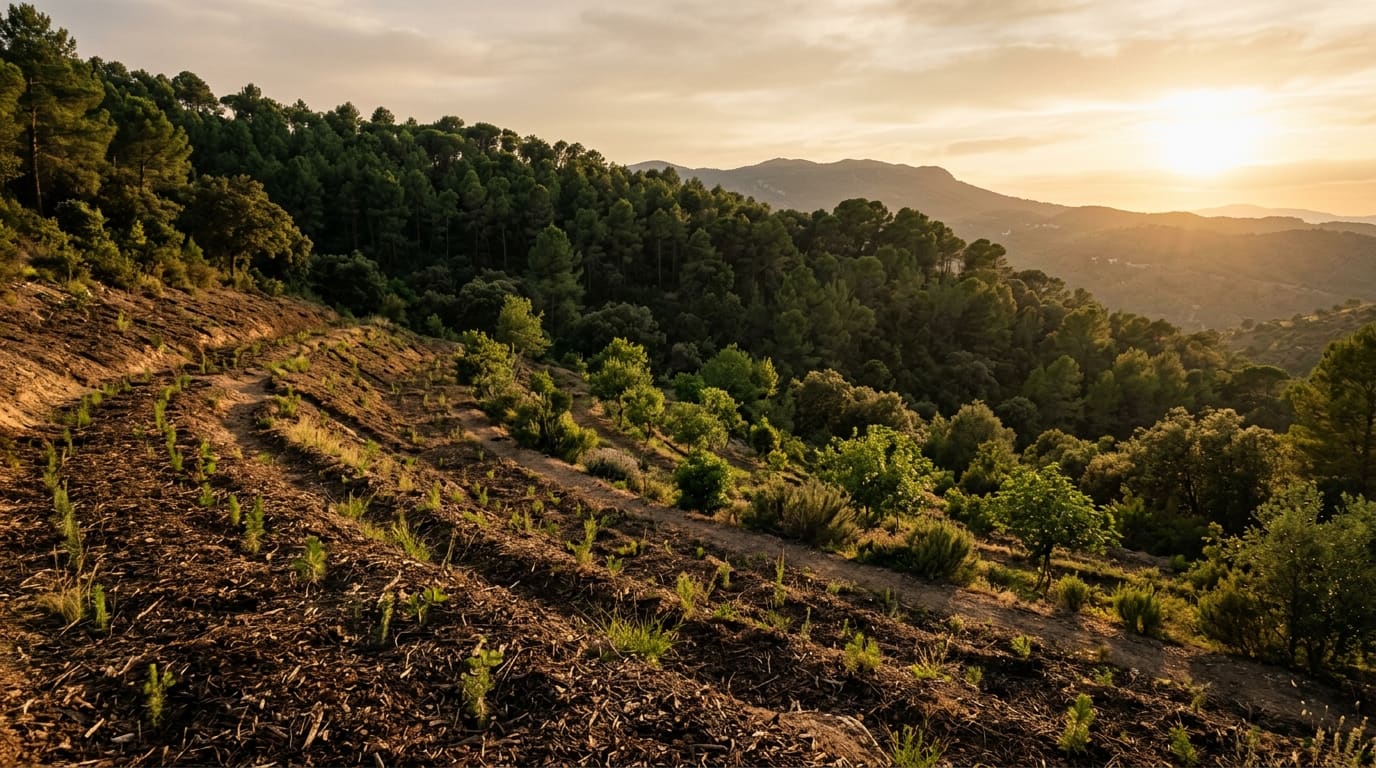
 7 stations
From soil to forest
How living soil grows step by step into a food forest.

A curated lexicon of the ideas behind our work, ecological and human restoration explained in plain language.
Not an open wiki; each entry is written and reviewed by the foundation.
151 terms · 9 themes · 3 learning paths
Photo: Sa Medada, Jerzu
Many ways into the same landscape.
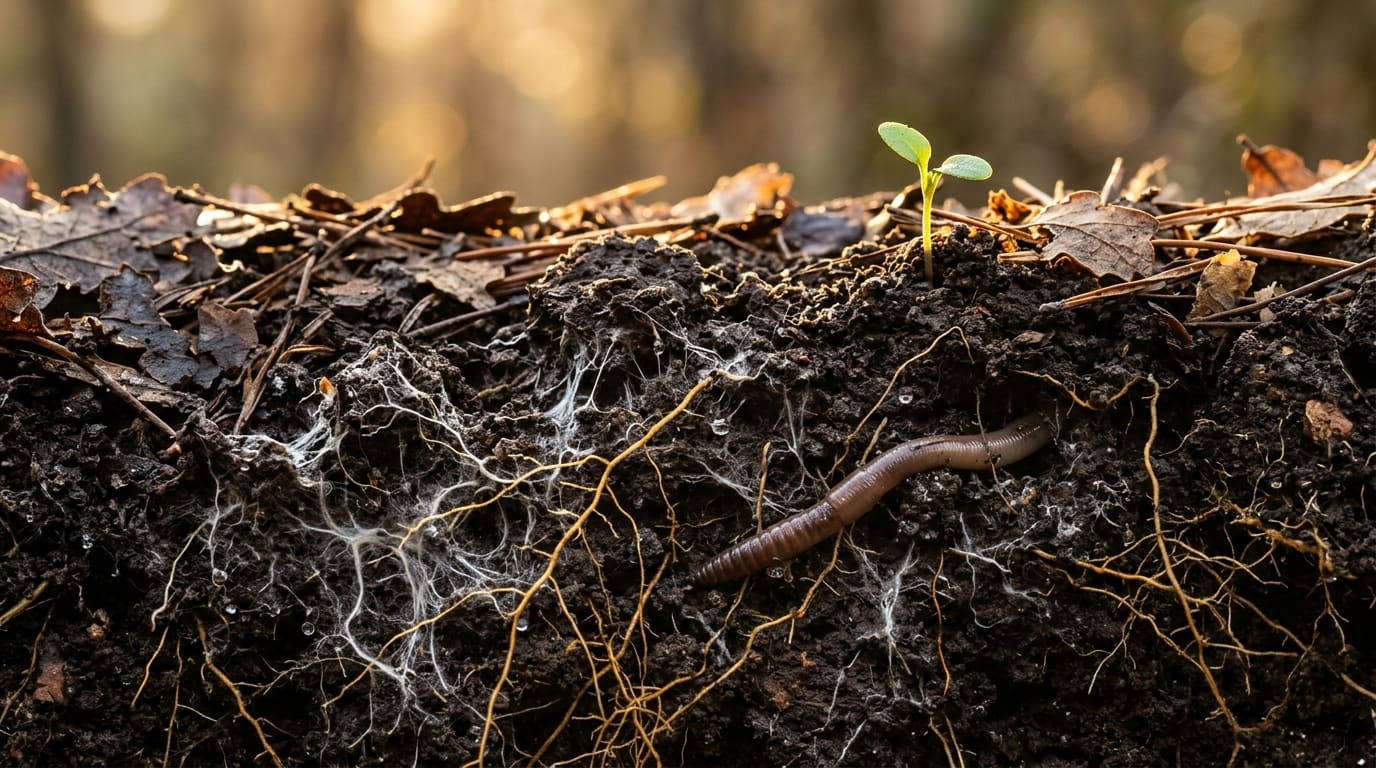
Soil and life
What works below the surface: humus, fungi, bacteria.
29 terms
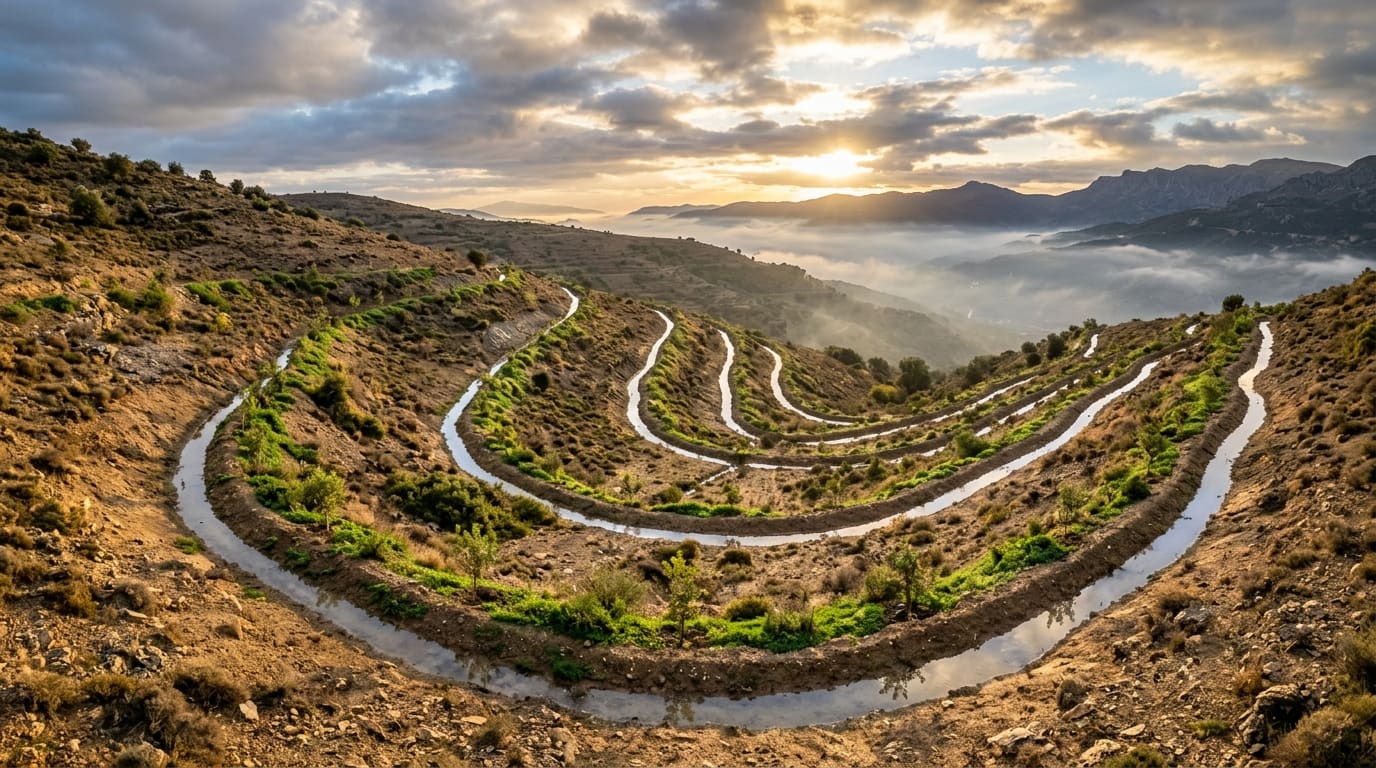
Water and slope
How rain is held before it runs off.
17 terms
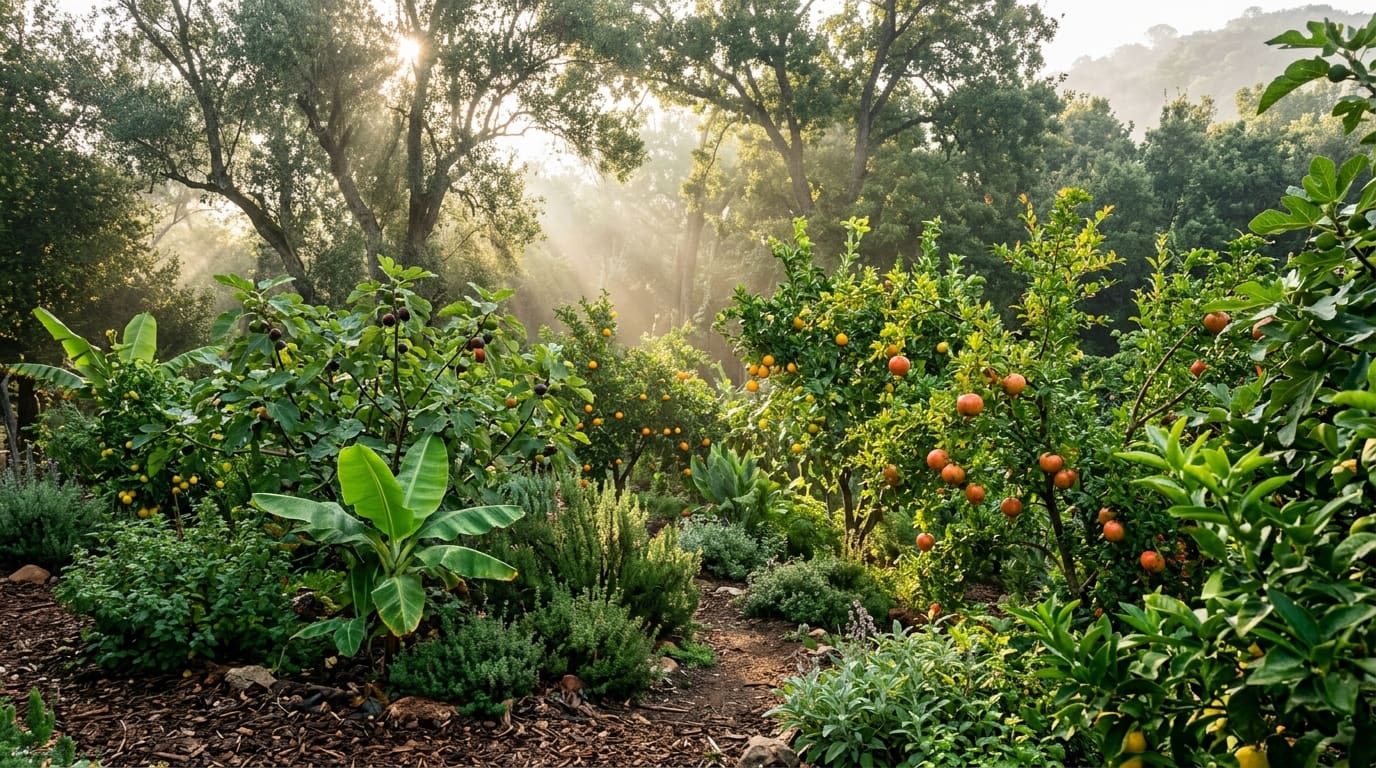
Food forest and growing
Food in layers, modelled on the forest.
8 terms
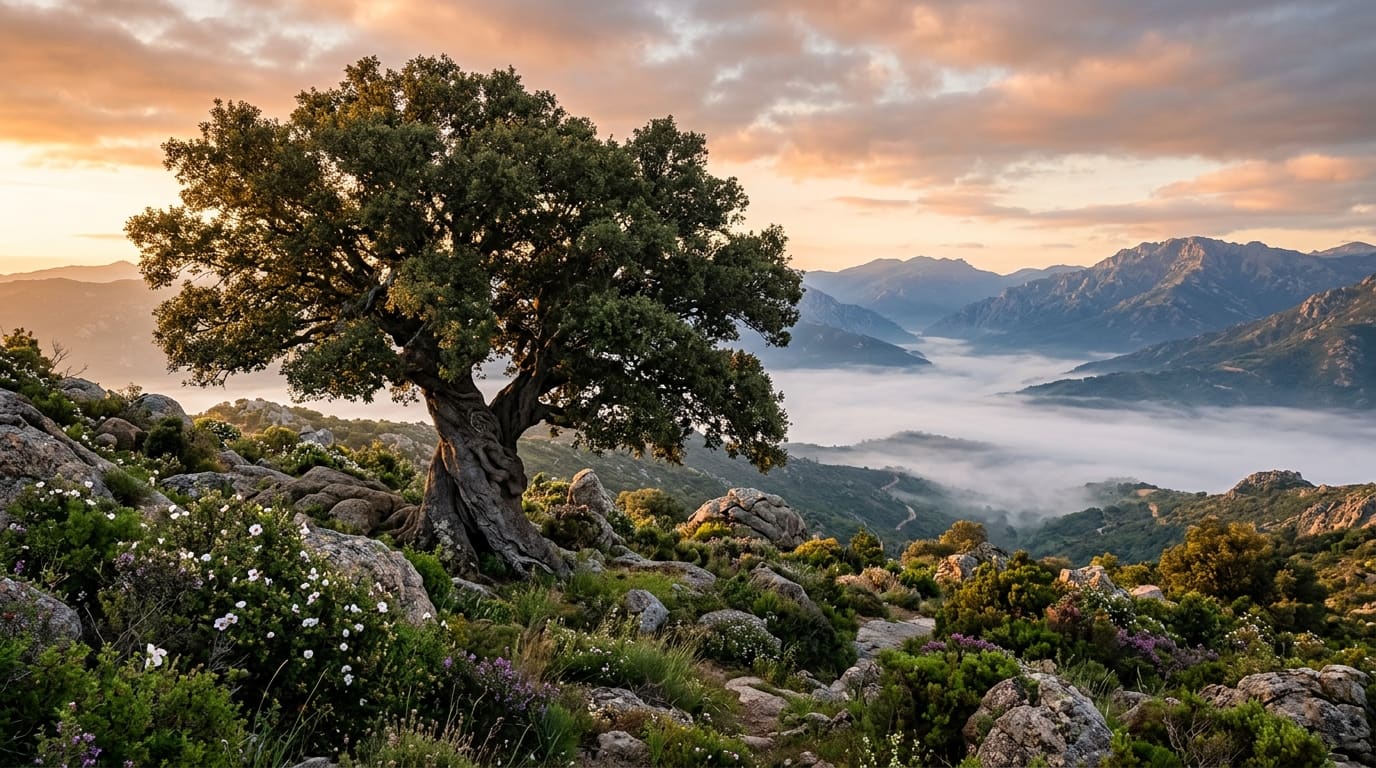
Trees of Sardinia
Oaks, olives, macchia and the trees of tomorrow.
8 terms
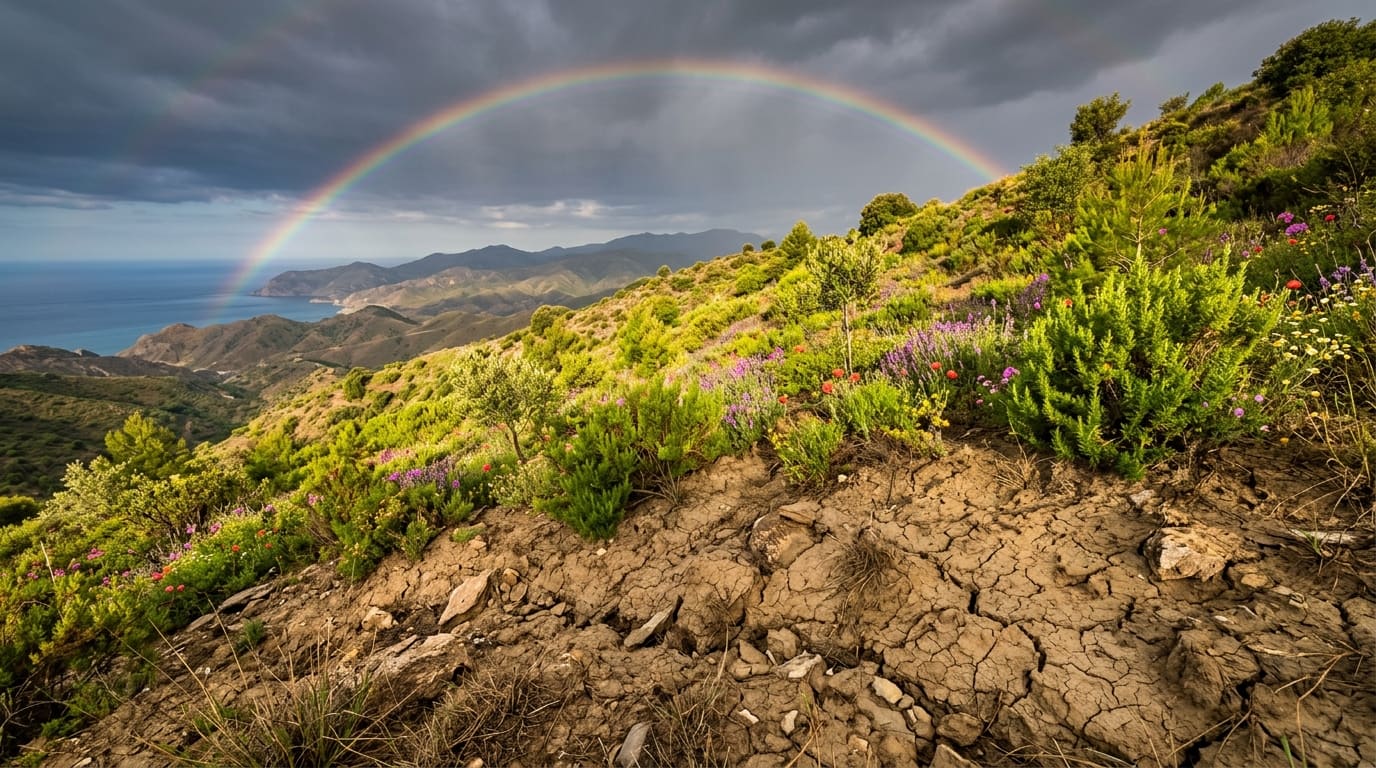
Nature in transition
Succession, restoration, and people as part of it.
8 terms
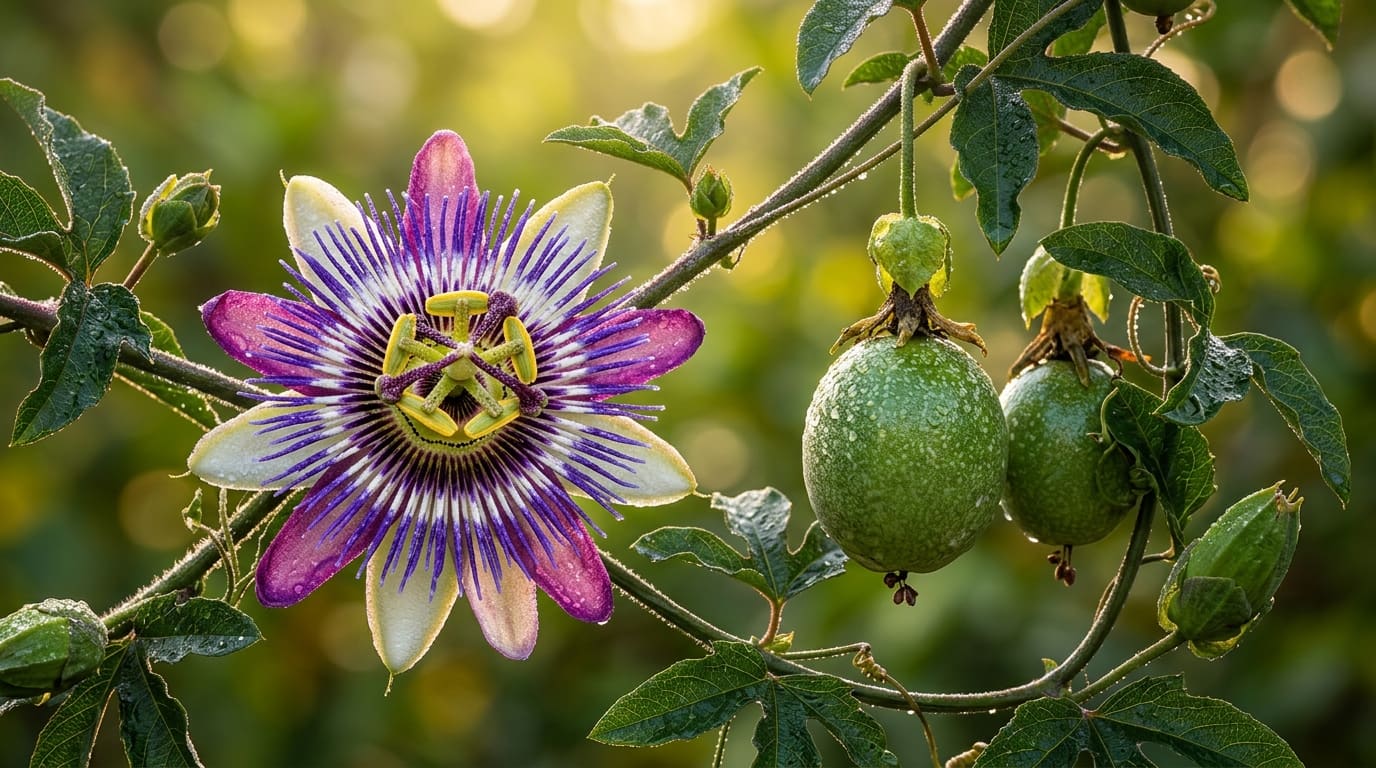
Plant portraits
What already grows at Sa Medada: fruit, nitrogen fixers, trees.
30 terms
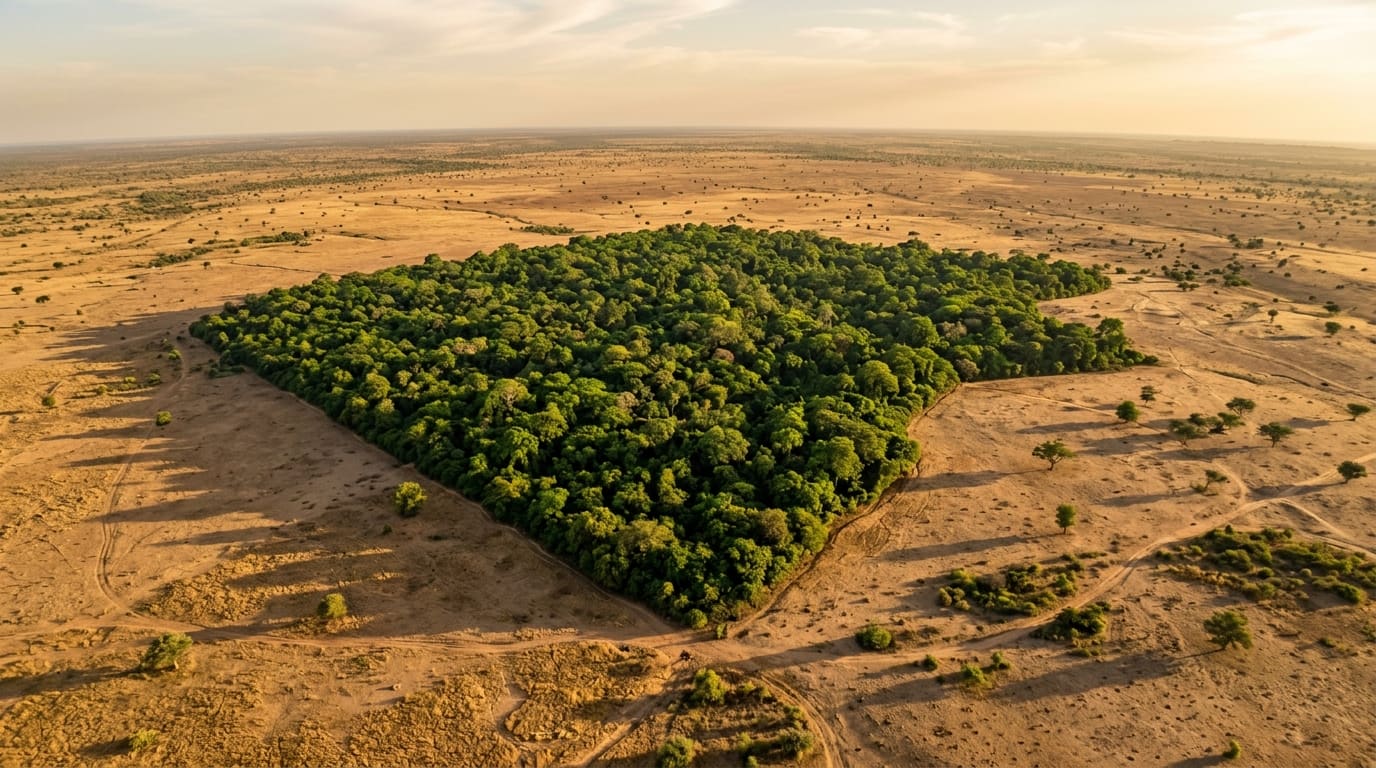
Pioneers
People and places we learn from.
15 terms
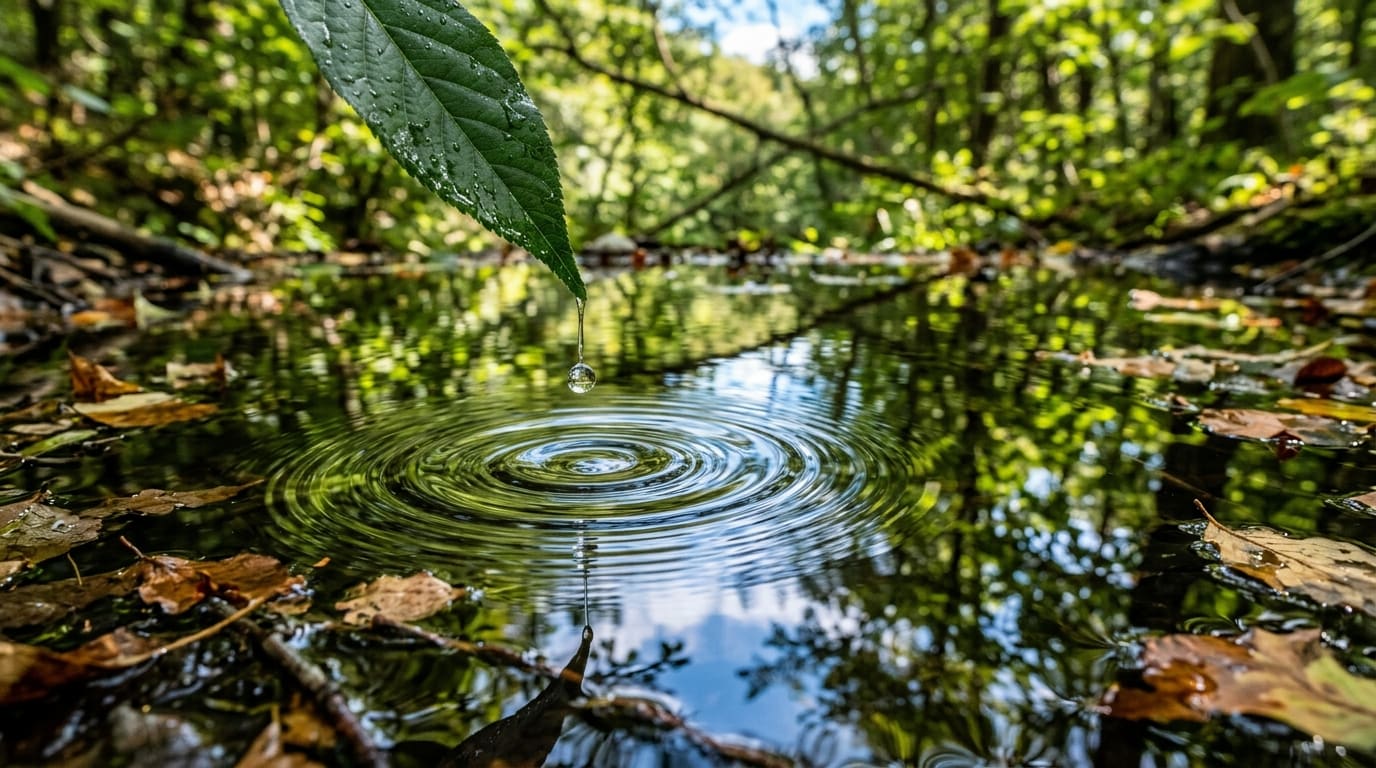
Closing the cycles
Water, nutrients, carbon, energy, material and seed: where cycles break and how to close them.
7 terms
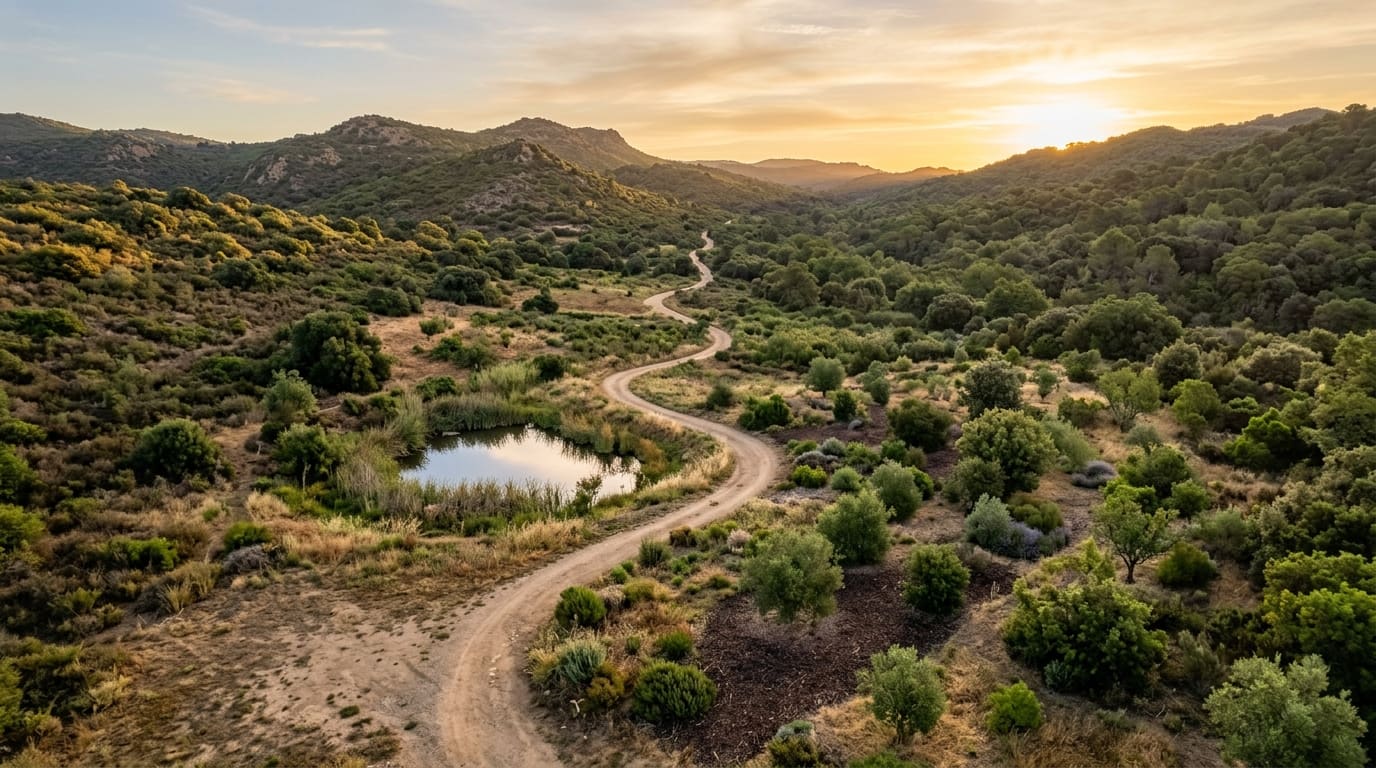
Designing with permaculture
Ethics, principles and tools: the journey through permaculture.
29 terms
Read in order, each idea builds on the one before.
7 stationsHow living soil grows step by step into a food forest.
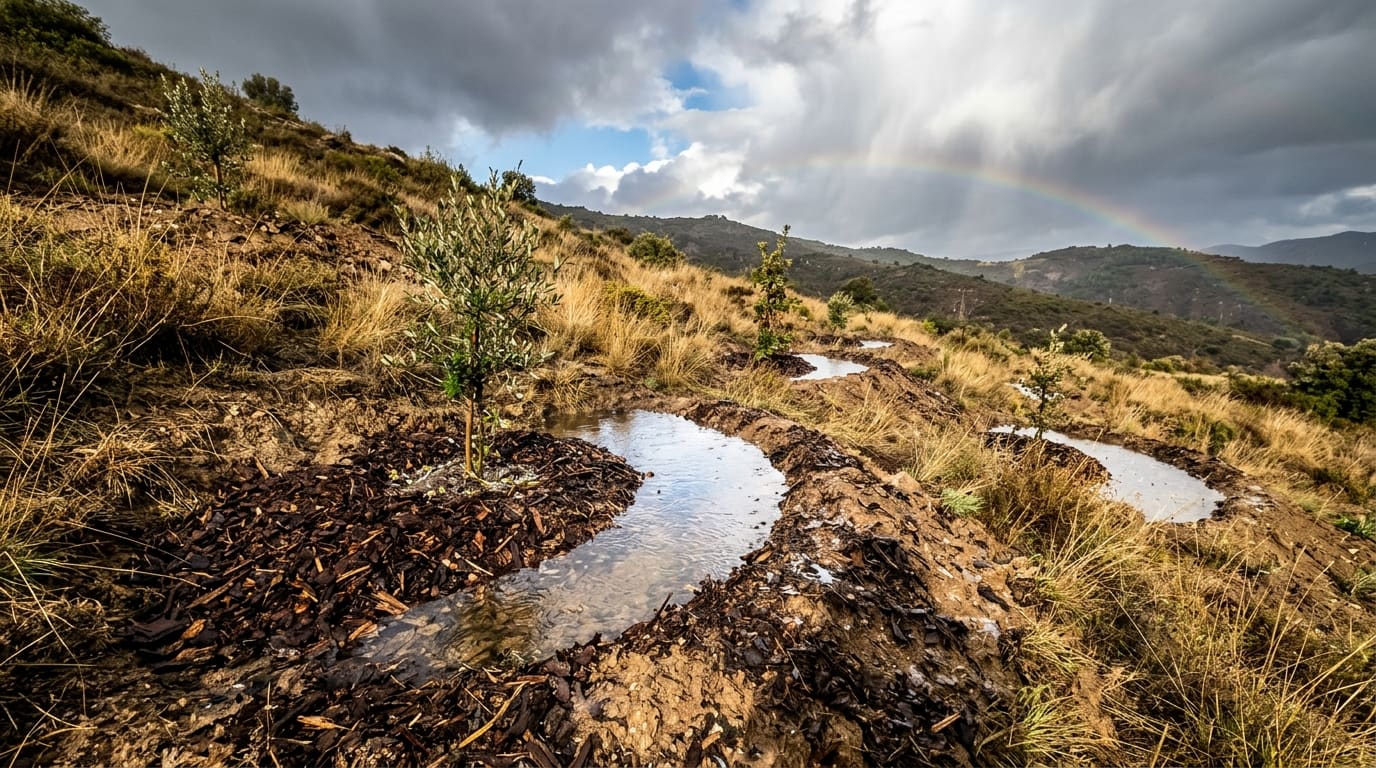 6 stations
From the dry season to the terrace: working with every drop.
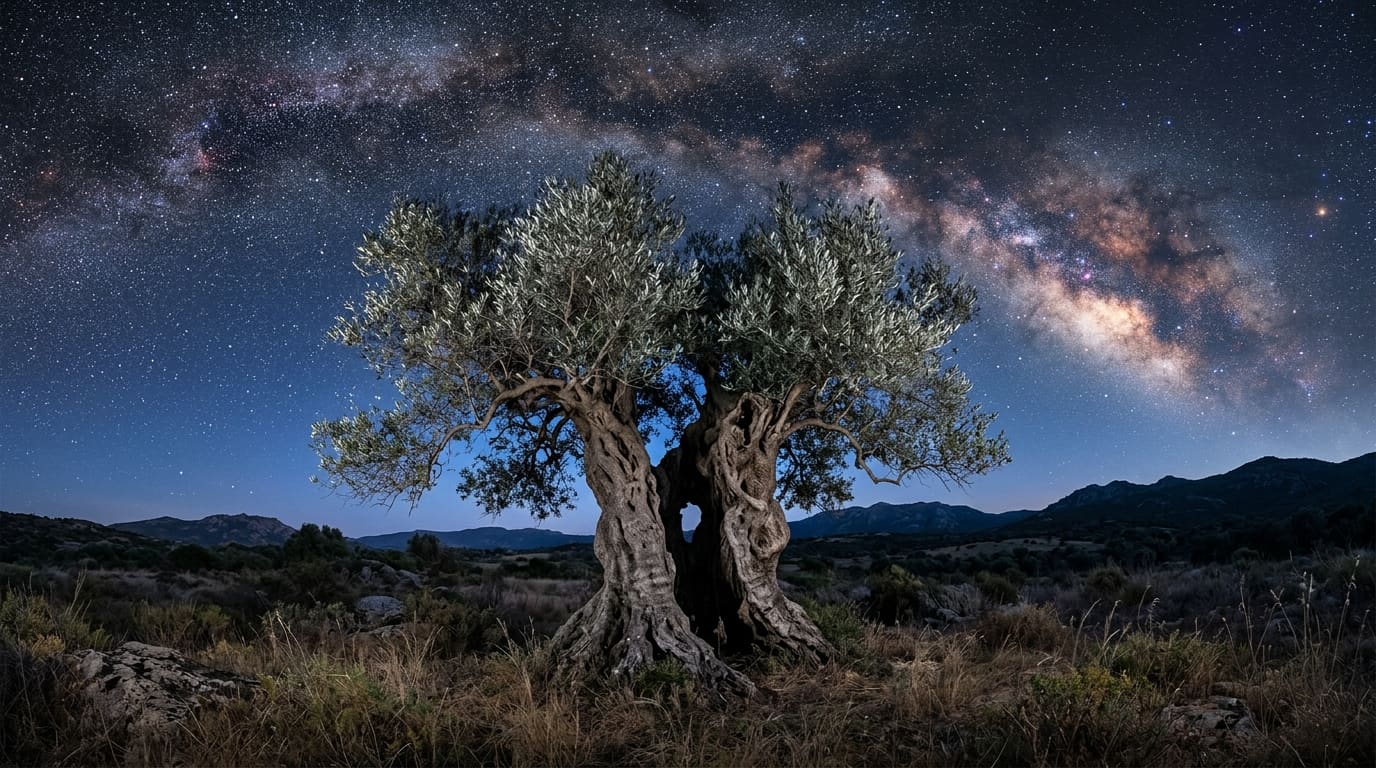 7 stations
From the macchia to the first tree we planted at Sa Medada.

Plant portraits
Apple
A deciduous fruit tree of the rose family from Central Asia; most varieties need cold winters, a few low-chill ones fruit in mild climates.

Designing with permaculture
Apply self-regulation and accept feedback
Holmgren's fourth permaculture principle: design systems that largely keep themselves in balance, and read the land's signals early enough to change course.

Plant portraits
Apricot
A deciduous fruit tree of the rose family from Central Asia; it flowers very early, so late frost and too little winter chill are its two risks.

Pioneers
Art Ludwig
Ecological designer from California whose simple, open greywater designs helped make the reuse of household water legal and common.
What these entries describe, we try out on our own slope. The captions say what each picture shows.

Assisted Migration
At Sa Medada we are trialling banana, mango, avocado, cherimoya, papaya and moringa on a nearly frost-free south-facing slope.
To the term
Ecological Succession
At Sa Medada all four life-span stages of a staged planting are occupied: fava bean and Bambara groundnut for a season, Tephrosia for a few years, coral tree and Leucaena for ten to fifteen years, Pacay and Inga edulis for the later canopy.
To the term
Food Forest
At Sa Medada the food forest begins beneath olive trees that are already there.
To the term
Nitrogen-Fixing Plants
At Sa Medada Tephrosia, around seven Leucaena, coral tree, Pacay, Inga edulis, Bambara groundnut and fava bean are in the ground, all so far without inoculation with root-nodule bacteria.
To the term
Nurse Trees
Our first nurse at Sa Medada is a Leucaena: it is now two metres tall and shades two avocados.
To the termService Tree
The service tree is the first tree we planted at Sa Medada, in 2024, deliberately on a very hot south-facing slope.
To the termA


B


C


D


E


F


G


H


I


L


M


N


O


P


R


S


T


U


V


W


Z


See these ideas at work
Terra Humana turns these principles into living land at Project Eden in Sardinia.
Explore Project Eden
