A journey through permaculture
Permaculture is not a collection of tricks but a way of looking at land, people and the ties between them. This journey leads in twelve chapters from the first look at a place to healing whole landscapes. Every chapter gathers the TerraWiki pages that belong to it, and each page points onward to the best that can be found about it in the world.

All chapters with their 102 pages, about 12 hours of reading.
- 1
Chapter 1 · 9 pages
Setting out: what permaculture is
Where the idea comes from and the people who shaped it.
Open the chapter PermacultureA design system for sustainable human habitats modelled on natural ecosystems, developed by Bill Mollison and David Holmgren in the 1970s.
Bill MollisonAustralian naturalist and teacher (1928 to 2016) who founded permaculture with David Holmgren and carried it around the world through his courses.
David HolmgrenAustralian environmental designer, born 1955, co-founder of permaculture and author of its twelve design principles; lives and works at Melliodora in Victoria.
Masanobu FukuokaJapanese farmer and thinker (1913 to 2008) who developed natural farming without ploughing, fertiliser or sprays and wrote The One-Straw Revolution.
P. A. YeomansAustralian mining engineer and farmer (1905 to 1984) who developed Keyline design: reading the shape of the land to hold and spread rain on the slope.
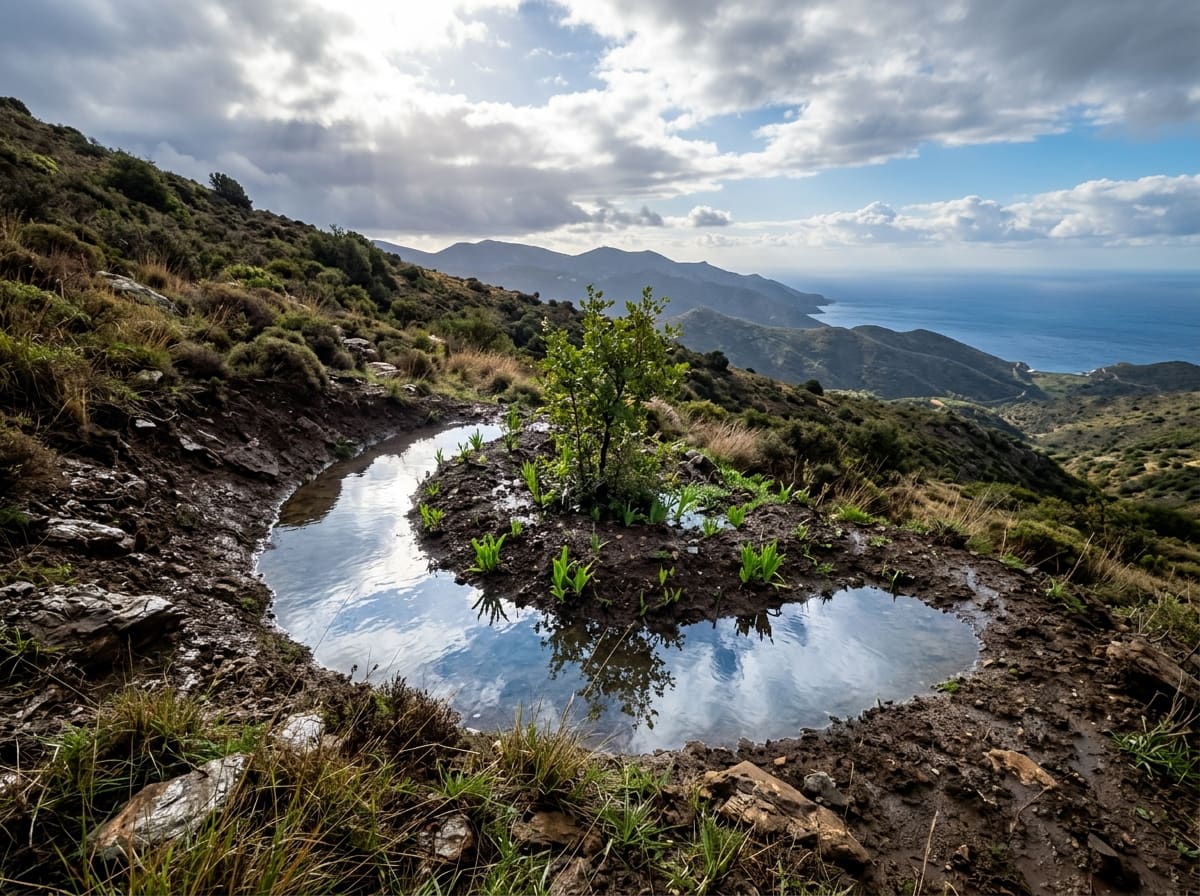
Sepp HolzerAustrian mountain farmer, born 1942, who turned a steep farm in the Lungau into a landscape of ponds, terraces and mixed plantings at up to 1,500 metres.
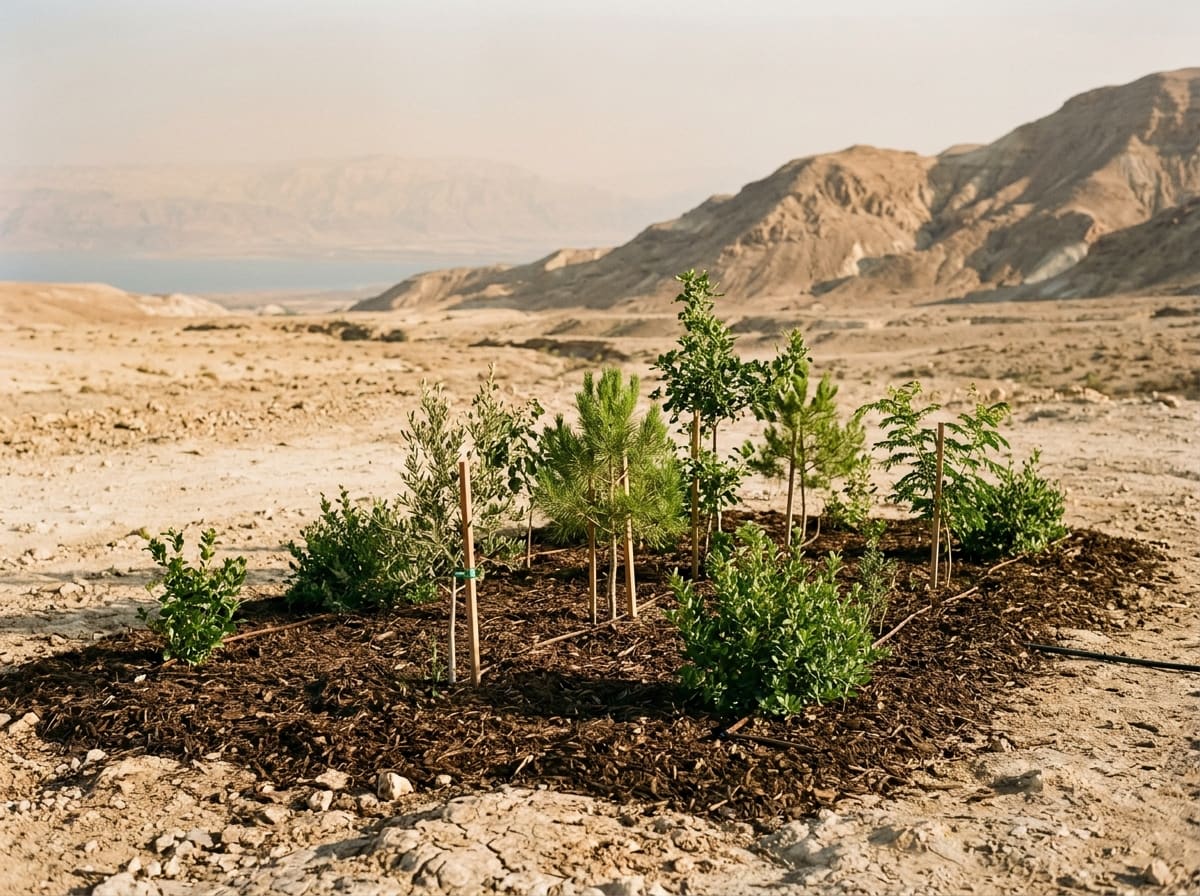
Geoff LawtonEnglish-born Australian permaculture designer and teacher, born 1954, known for Greening the Desert in Jordan and his work on restoring dry land.
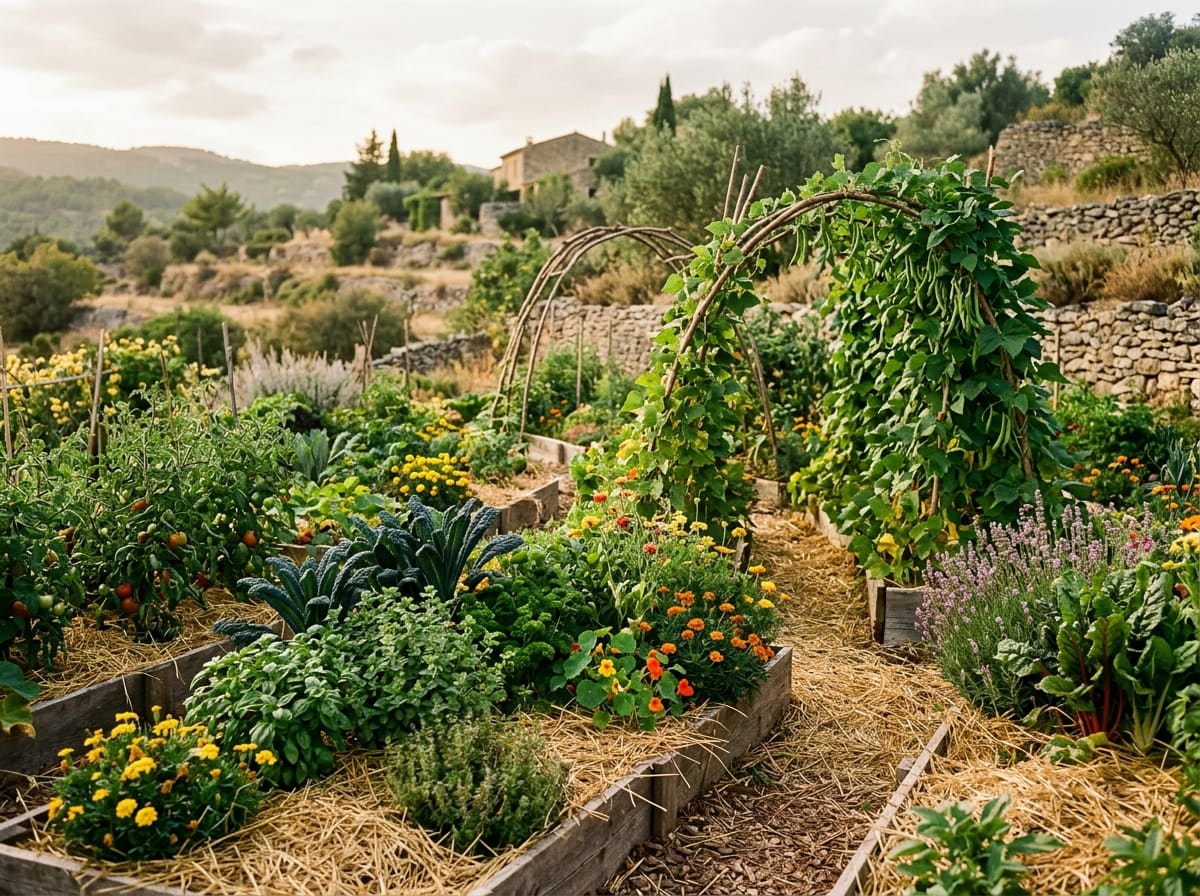
Emilia HazelipCatalan gardener (1937 to 2003) who adapted Fukuoka's natural farming to the Mediterranean climate and founded synergistic gardening on permanent mulched beds.
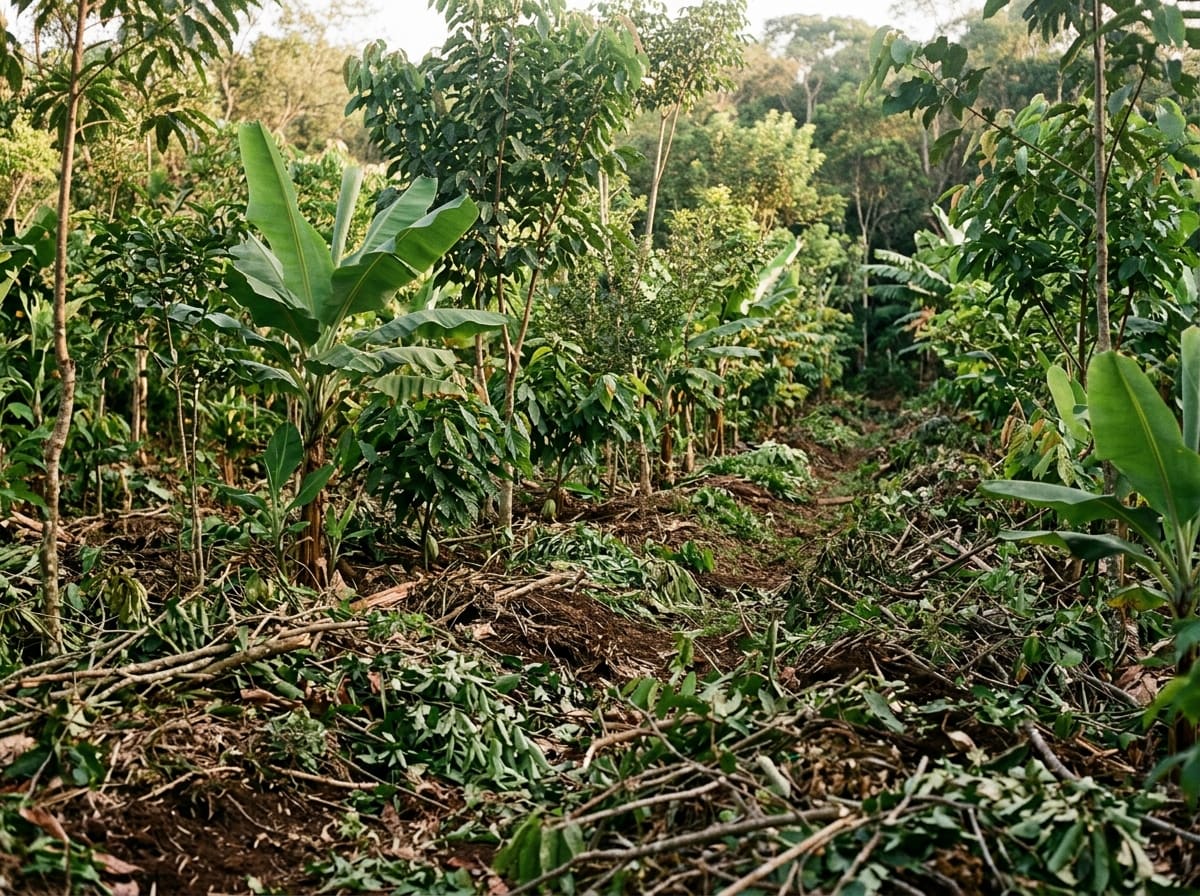
Ernst GötschSwiss farmer and researcher who developed syntropic agriculture in Bahia, Brazil: growing food by speeding up the natural succession of a forest.
- 2
Chapter 2 · 2 pages
The attitude: three ethics
Care for the earth, care for people, fair share: the ground everything else stands on.
Open the chapter The three ethics of permacultureThe three values at the root of permaculture: care for the earth, care for people and fair share, which sets limits and passes on surplus.
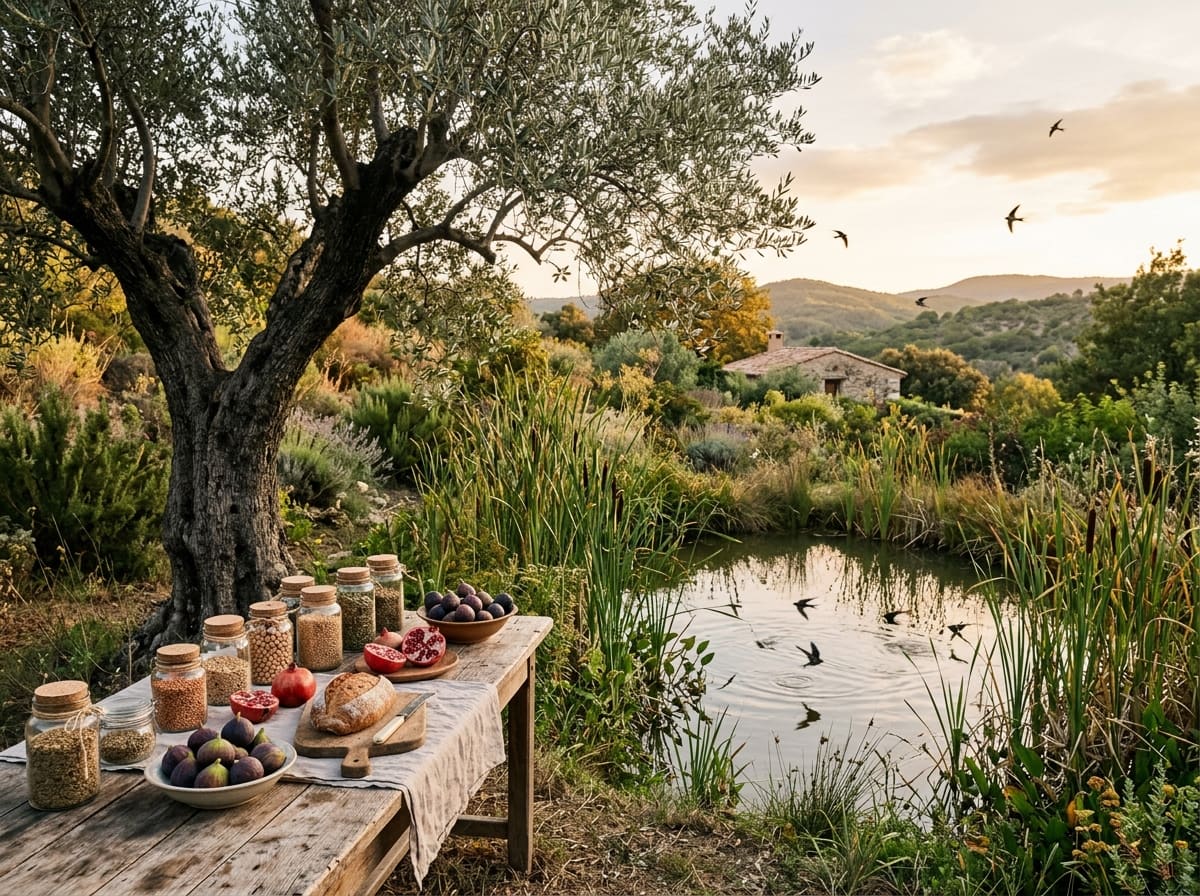
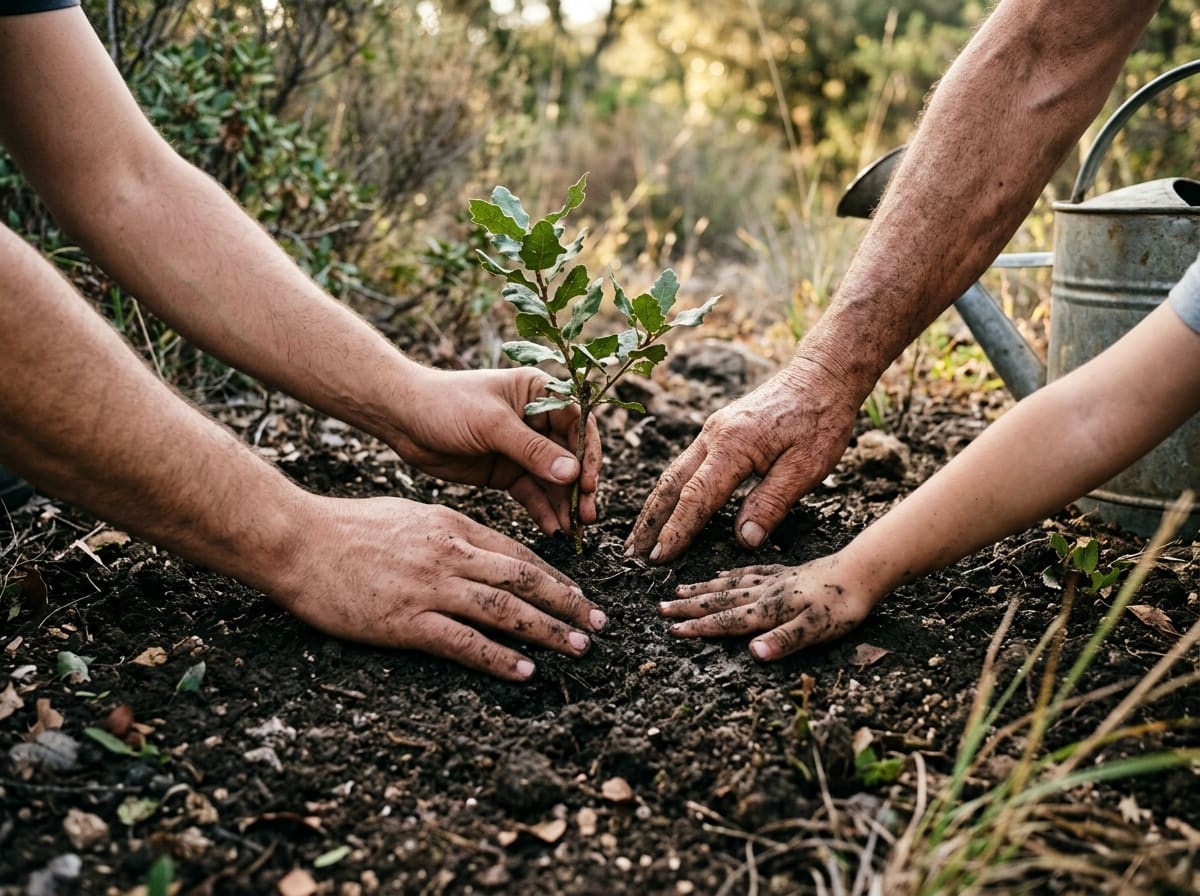
RehumanizationRestoring the human being as a conscious, caring participant in the living world: the human counterpart to ecological restoration.
- 3
Chapter 3 · 14 pages
Twelve principles
David Holmgren's design principles and Bill Mollison's rules: ways of thinking that travel to any place.
Open the chapterTap a principle to dive deeper.
Principle 1
Observe and interact
The first of David Holmgren's twelve permaculture principles: watch a place closely, act in small steps and let its response guide the next step.
At work in
- Ecological Succession
- Indicator Plants
- Keyline Design
- Maquis (Mediterranean Scrubland)
- Soil Analysis
- Spade Test
- Texture by Feel
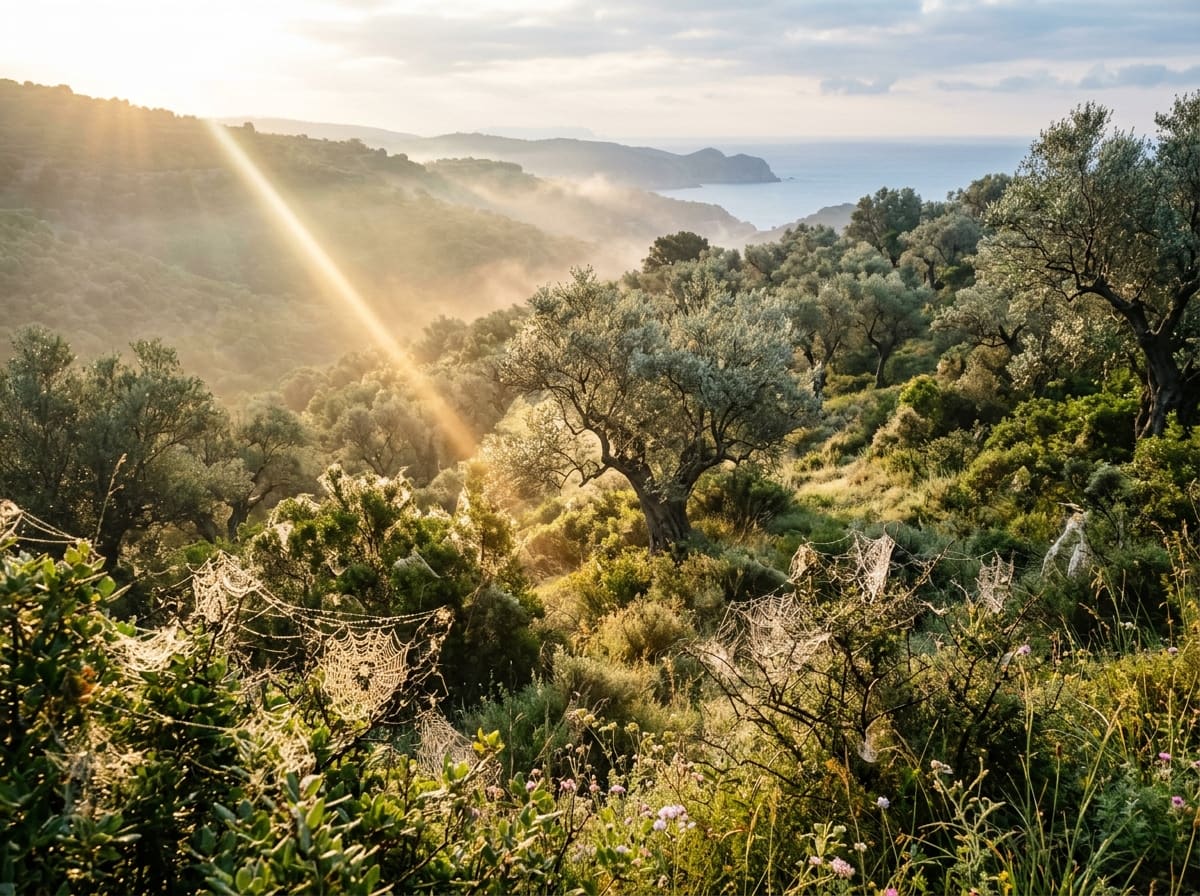
Observe and interactThe first of David Holmgren's twelve permaculture principles: watch a place closely, act in small steps and let its response guide the next step.
Catch and store energyThe second of Holmgren's twelve permaculture principles: gather water, sunlight, fertility and seed while they are plentiful and hold them for lean times.
Obtain a yieldThe third of Holmgren's twelve permaculture principles: make sure the work brings real rewards, early and along the way, in food, materials, knowledge and joy.
Apply self-regulation and accept feedbackHolmgren's fourth permaculture principle: design systems that largely keep themselves in balance, and read the land's signals early enough to change course.
Use and value renewable resources and servicesHolmgren's fifth permaculture principle: make the most of what nature renews by itself, and let living things do work that would otherwise cost fuel.
Produce no wasteHolmgren's sixth permaculture principle: value every output so that it finds a use, and read waste as the sign of a design that is not yet finished.
Design from patterns to detailsHolmgren's seventh permaculture principle: first see the large patterns of a place, build the design on them and fill in the details as you go.
Integrate rather than segregateHolmgren's eighth permaculture principle: put the right things in the right place, so that relationships form between them and they support each other.
Use small and slow solutionsHolmgren's ninth permaculture principle: small and slow systems are easier to maintain than big ones, make better use of local resources and last longer.
Use and value diversityThe tenth of Holmgren's twelve permaculture principles: many species, varieties and connections spread risk and make the most of each place.
Use edges and value the marginalThe eleventh of Holmgren's twelve permaculture principles: life is richest where two worlds meet, and what lies at the margin is often worth more than it seems.
Creatively use and respond to changeThe last of Holmgren's twelve permaculture principles: change is certain, so watch it closely, use it with foresight and act at the right moment.
Mollison's design principlesThe design rules Bill Mollison set out in 1988 and 1991, from relative location and multiple functions to zones, succession and the edge effect.
Cycle thinking in permacultureThe permaculture view of land as linked loops of water, nutrients, carbon, material and seed, all of them driven by sunlight.
- 4
Chapter 4 · 8 pages
Reading the land
Before anything is built: watching, testing, mapping.
Open the chapter Scale of permanenceP. A. Yeomans' order for planning land: from what is hardest to change, climate and land shape, through water, roads, trees, buildings and fences to soil.
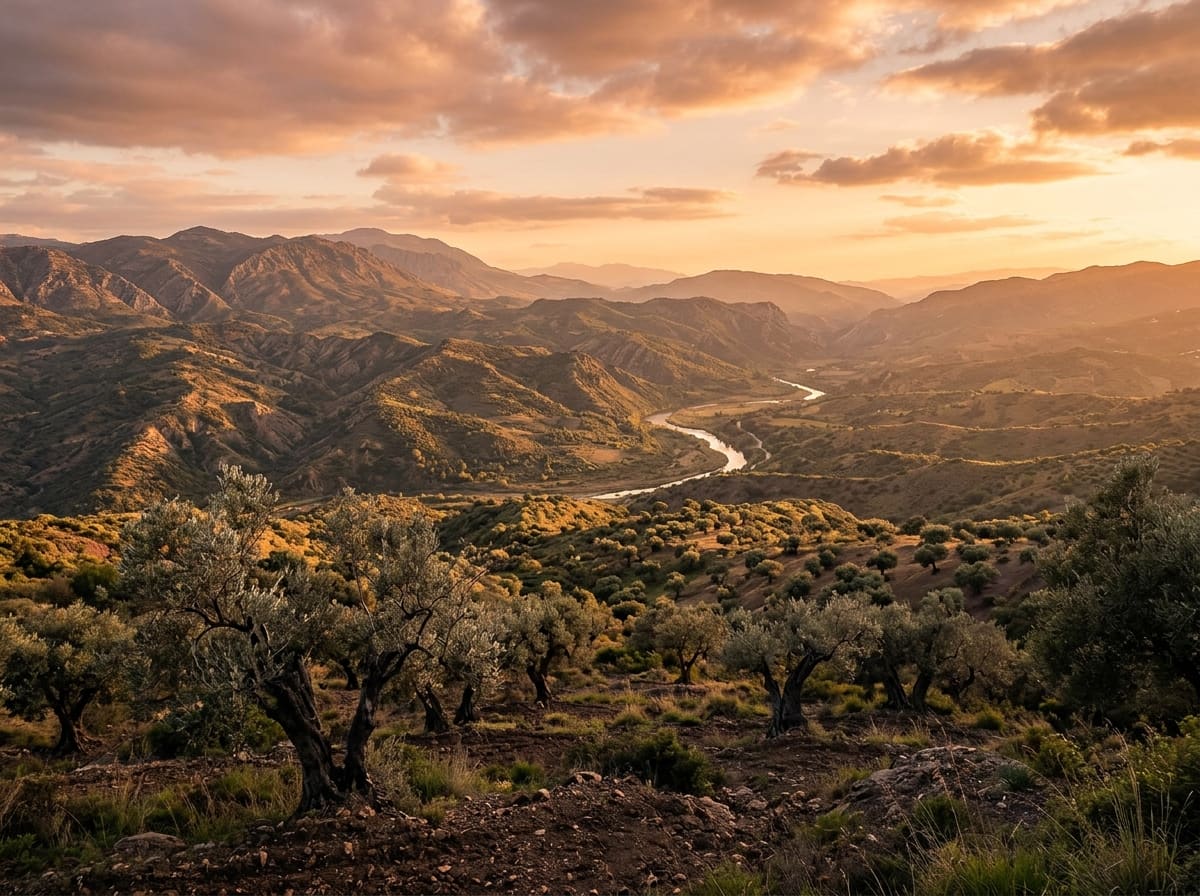
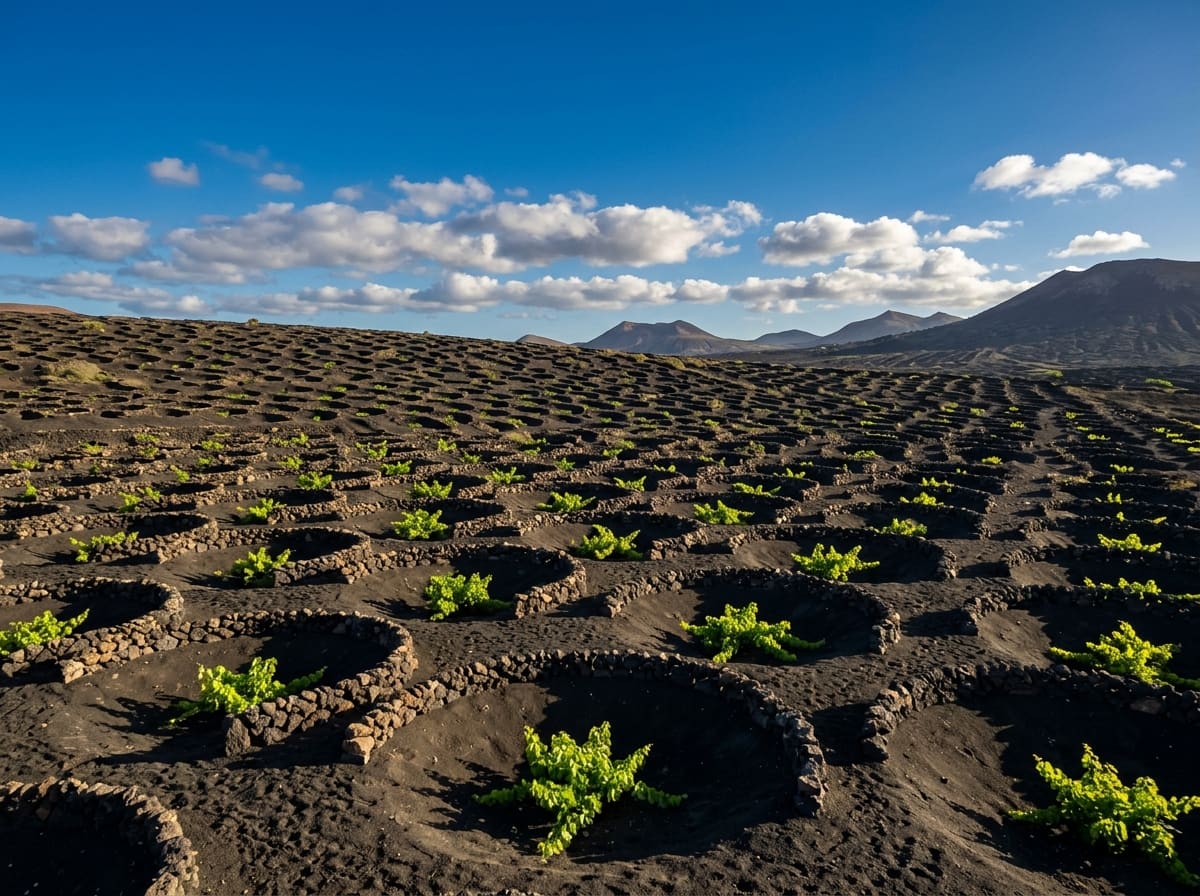
MicroclimateThe climate of a small place, a slope, a hollow, the foot of a wall, which can differ markedly from the regional climate in heat, frost, wind and moisture.
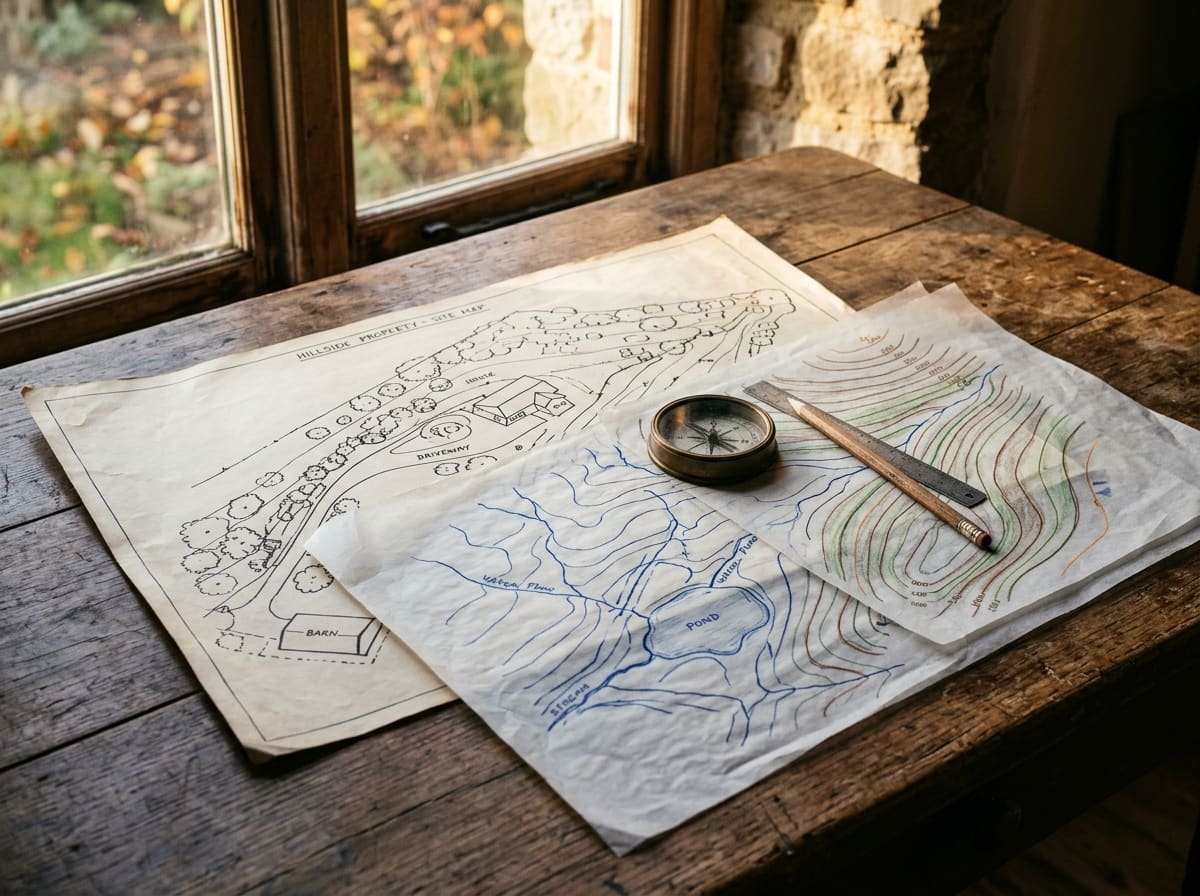
Base map and overlaysA scale drawing of a site's permanent features, with transparent layers on top for water, sectors, zones and plans, so each topic can be read alone or together.
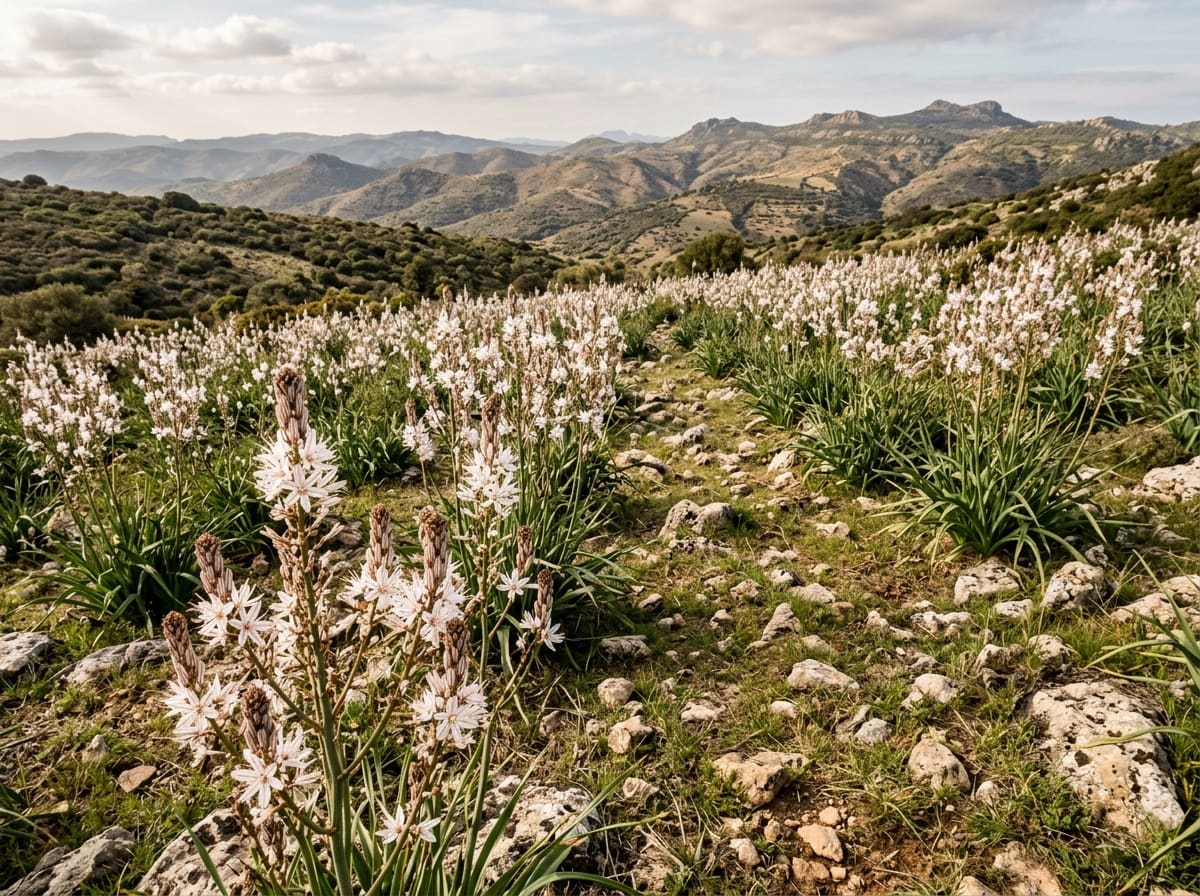
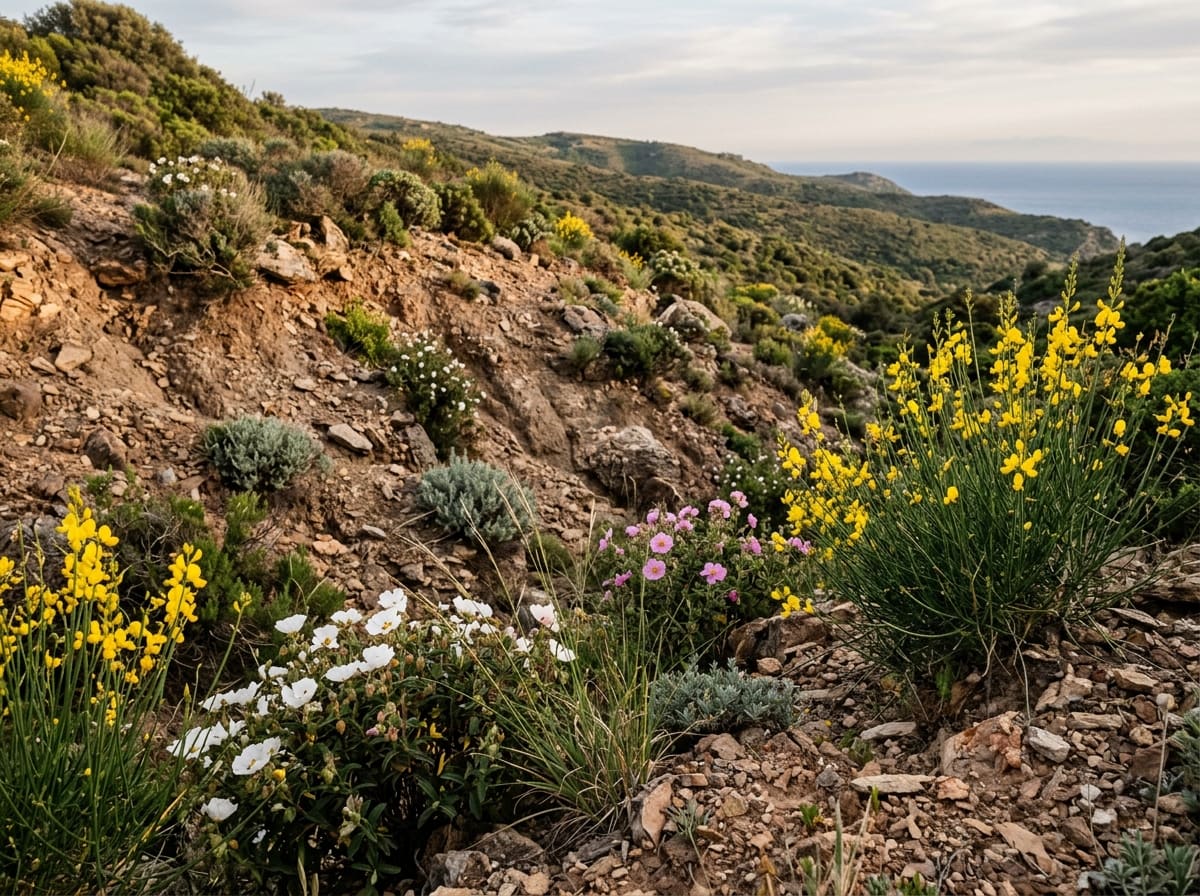
Indicator PlantsWild plants whose presence reveals the moisture, acidity, nutrient supply, light or salt of a site, so that the vegetation can be read like a soil report.
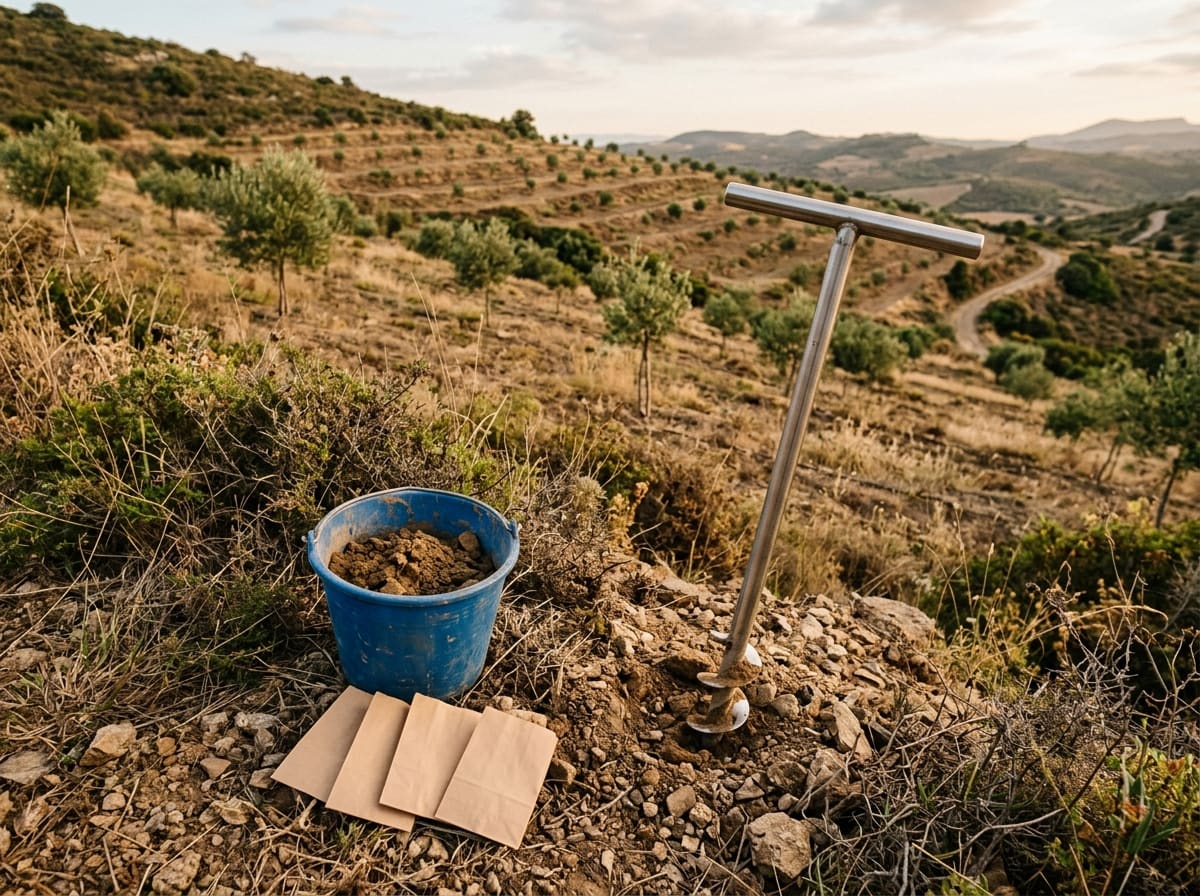
Soil AnalysisLaboratory measurement of a soil sample: pH, humus, nutrients, lime, salt and sodium, ideally read together with field tests such as the spade test.
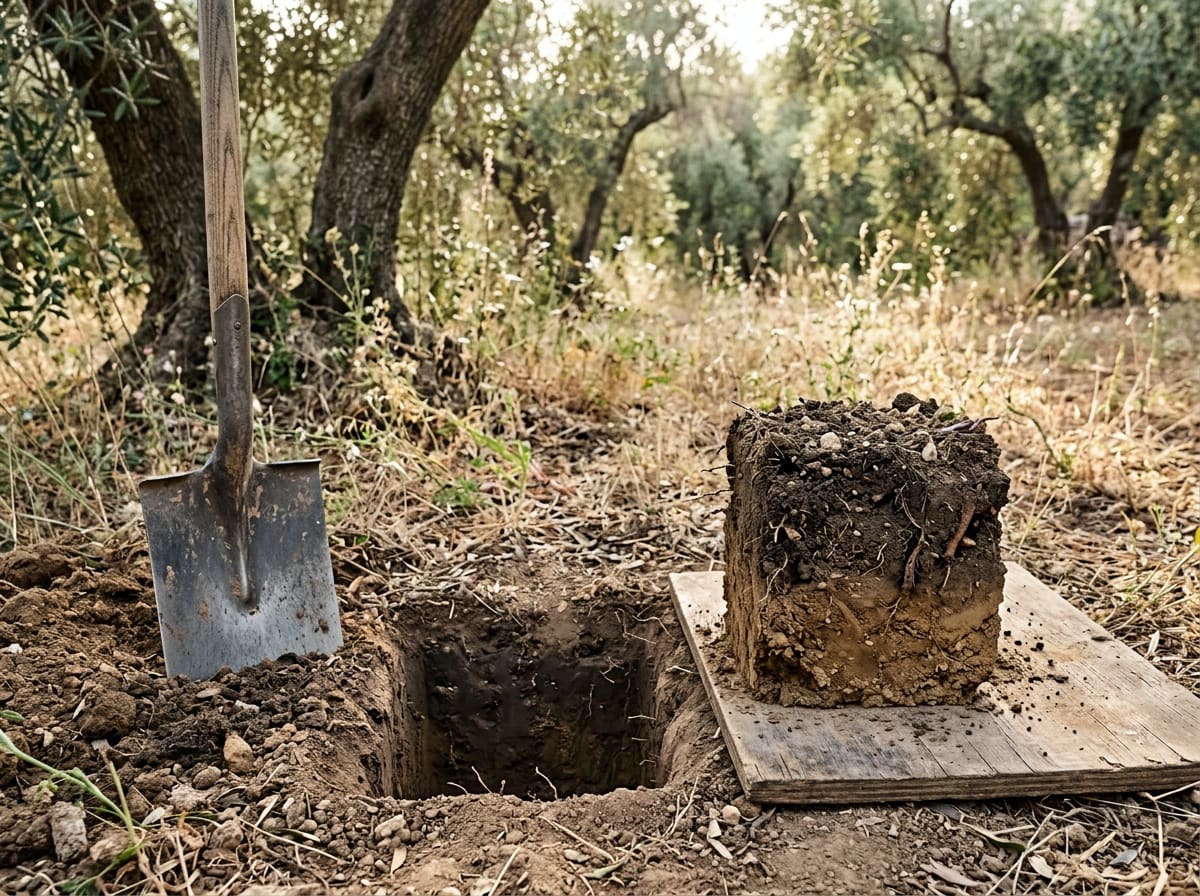
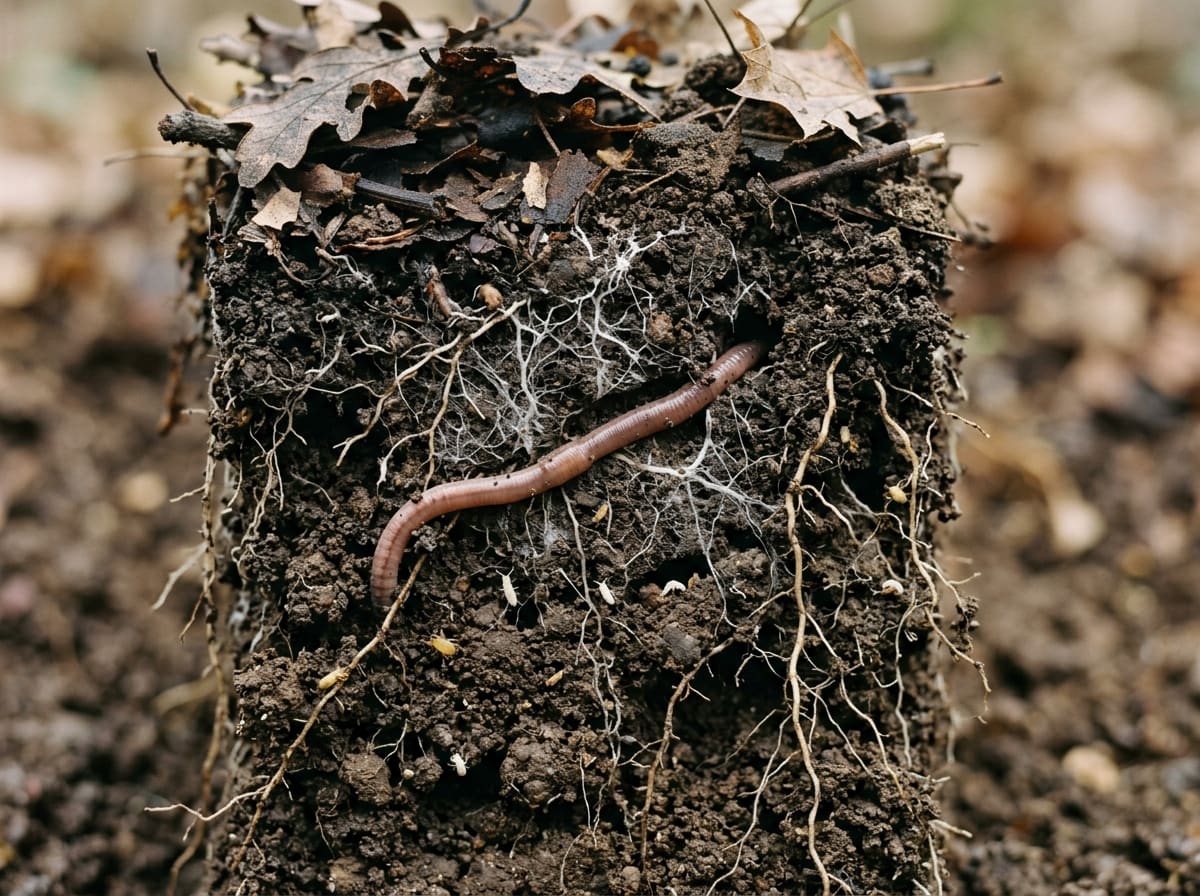
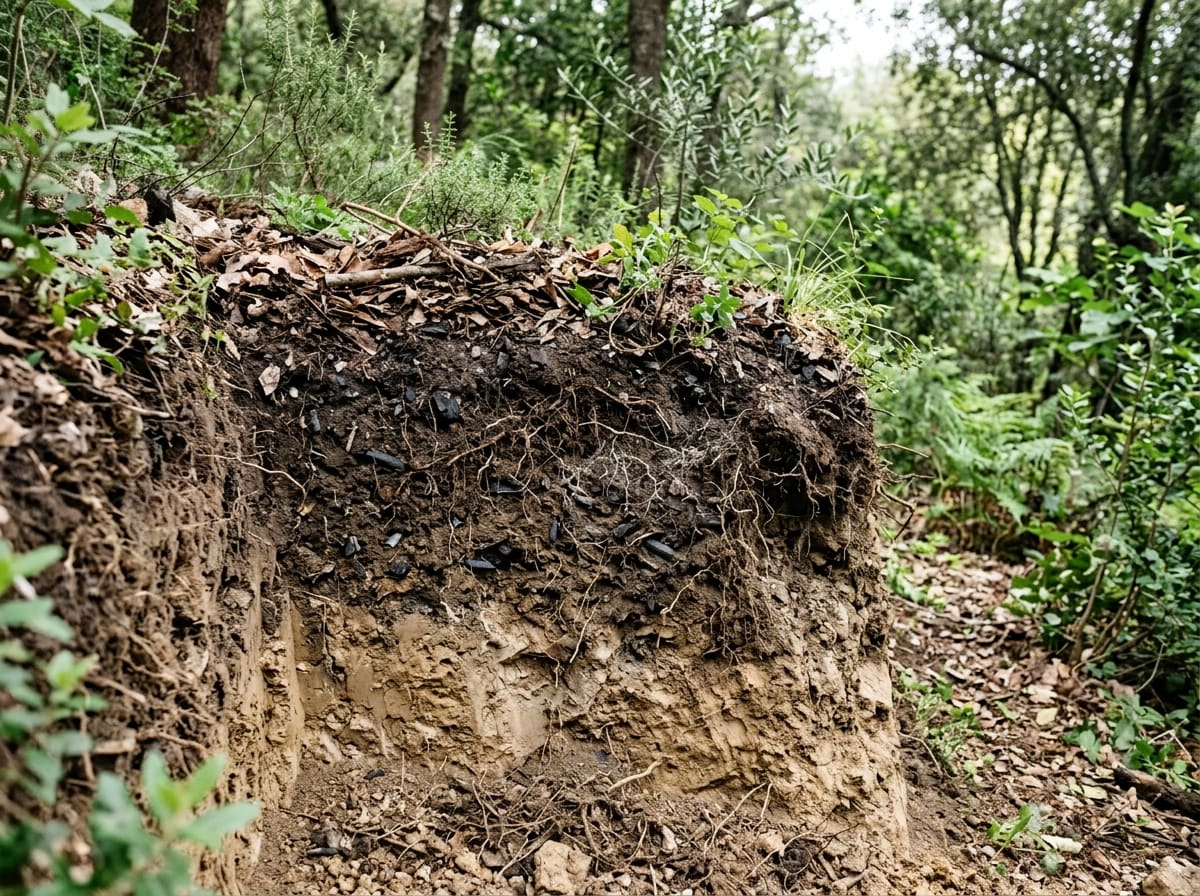
Spade TestA block of soil is dug out with a spade and examined on the spot for crumbs, roots, earthworms, smell and compacted layers.
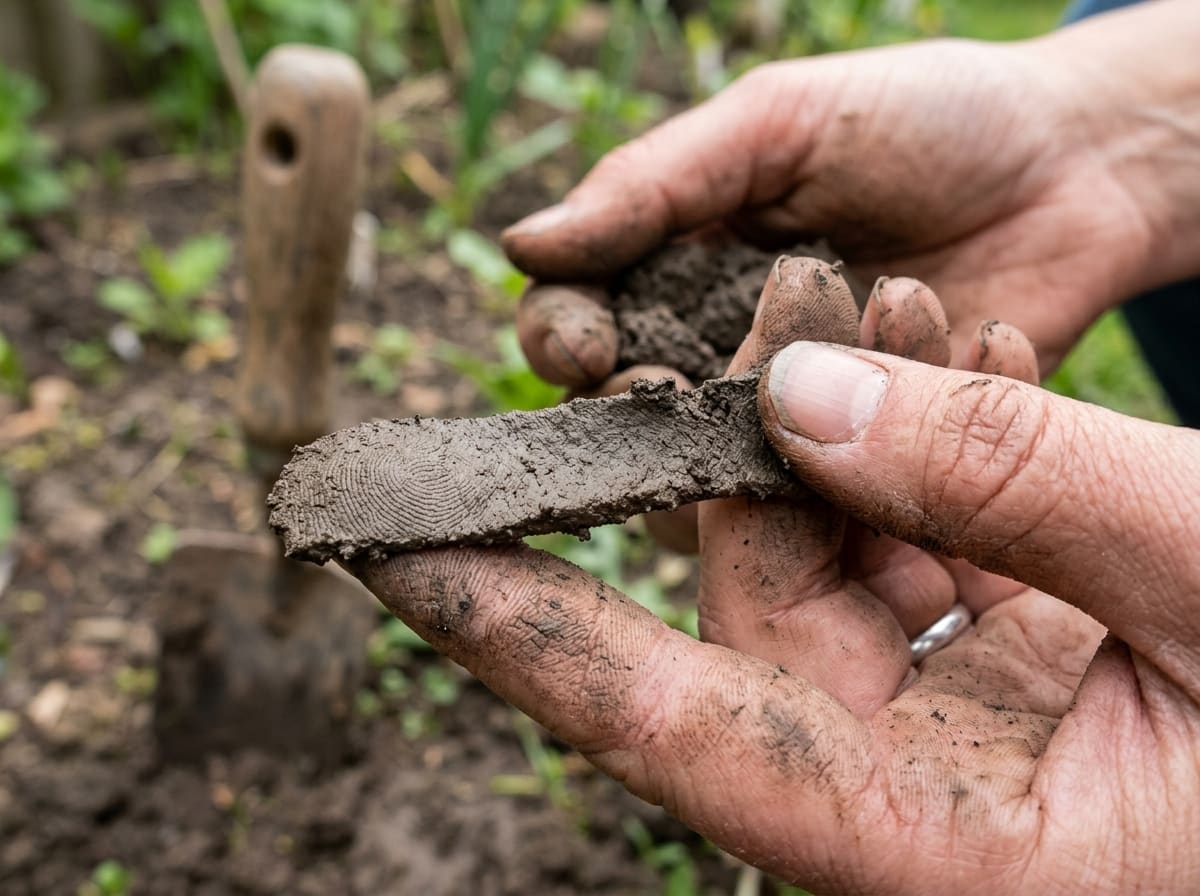
Texture by FeelEstimating a soil's share of sand, silt and clay by rubbing, rolling and pressing moist earth between the fingers, without a laboratory.
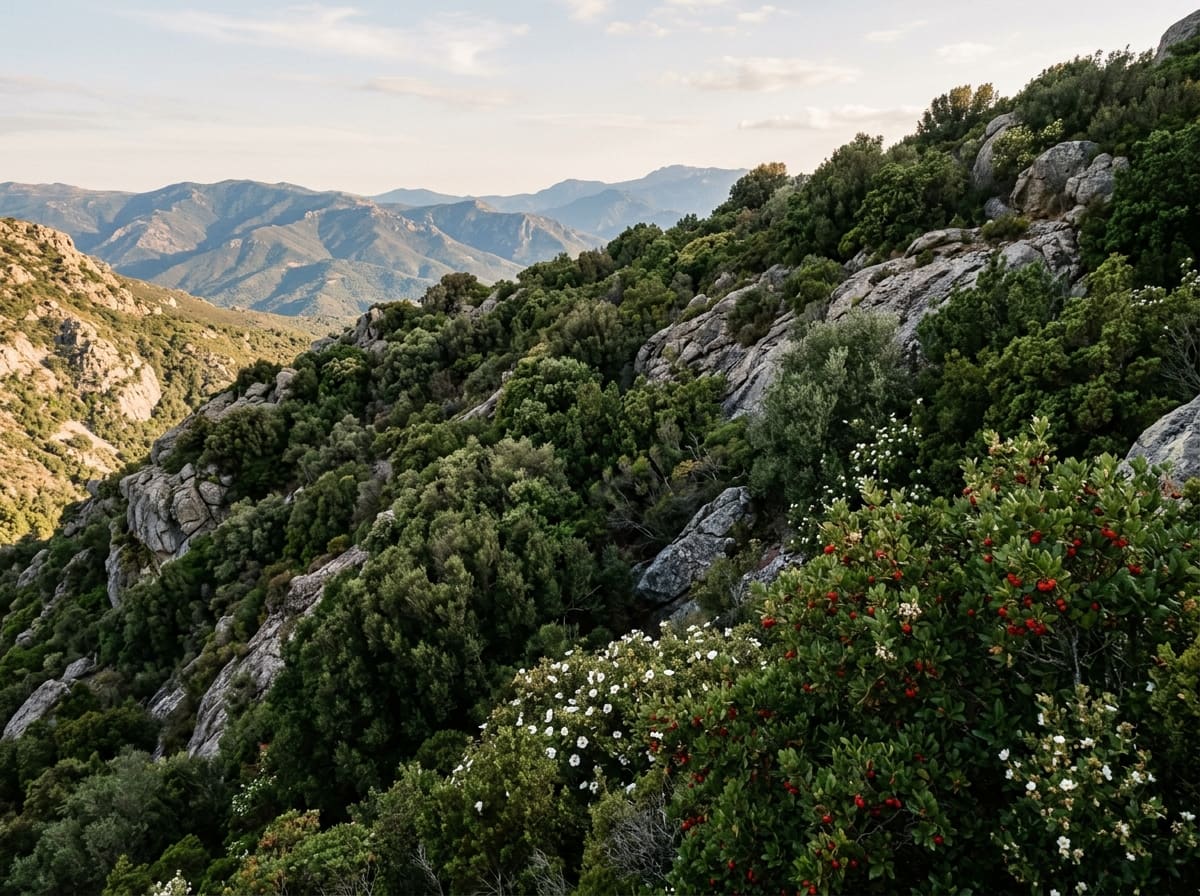
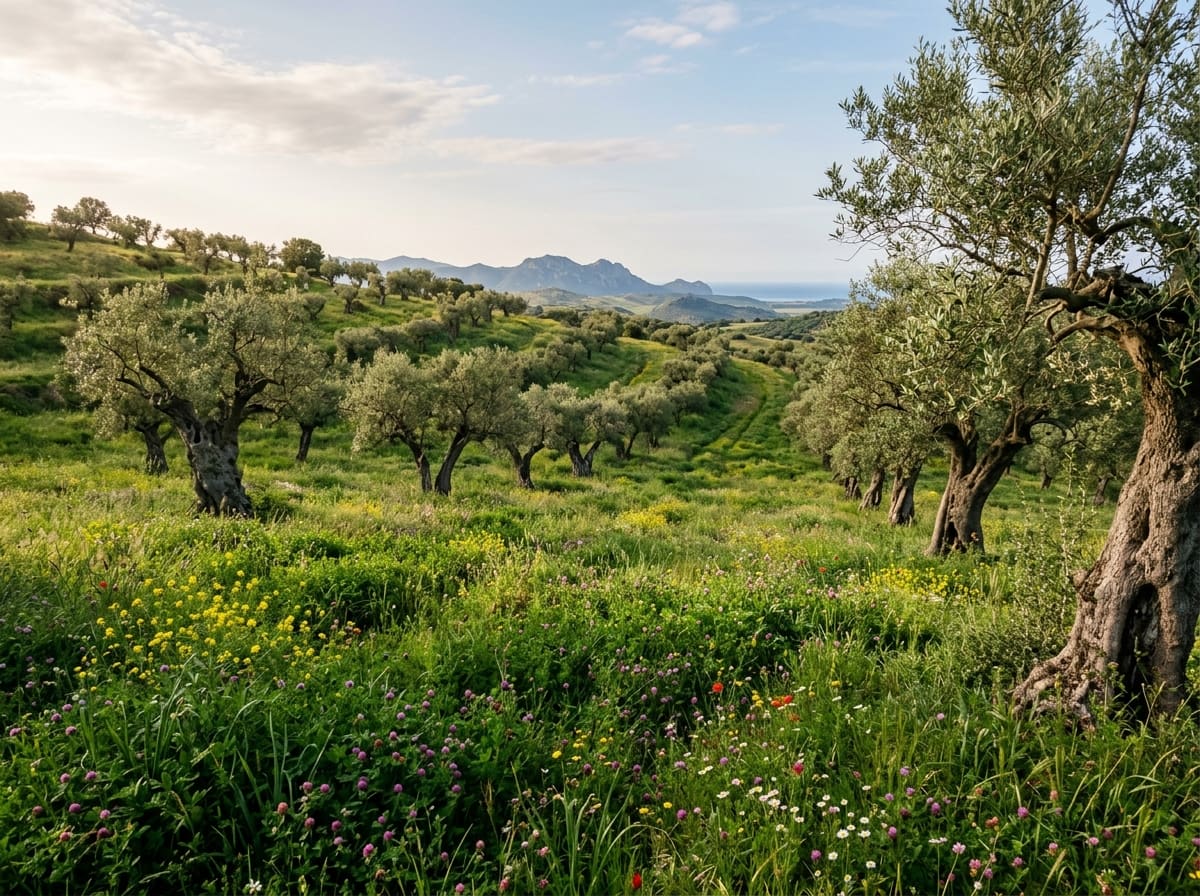
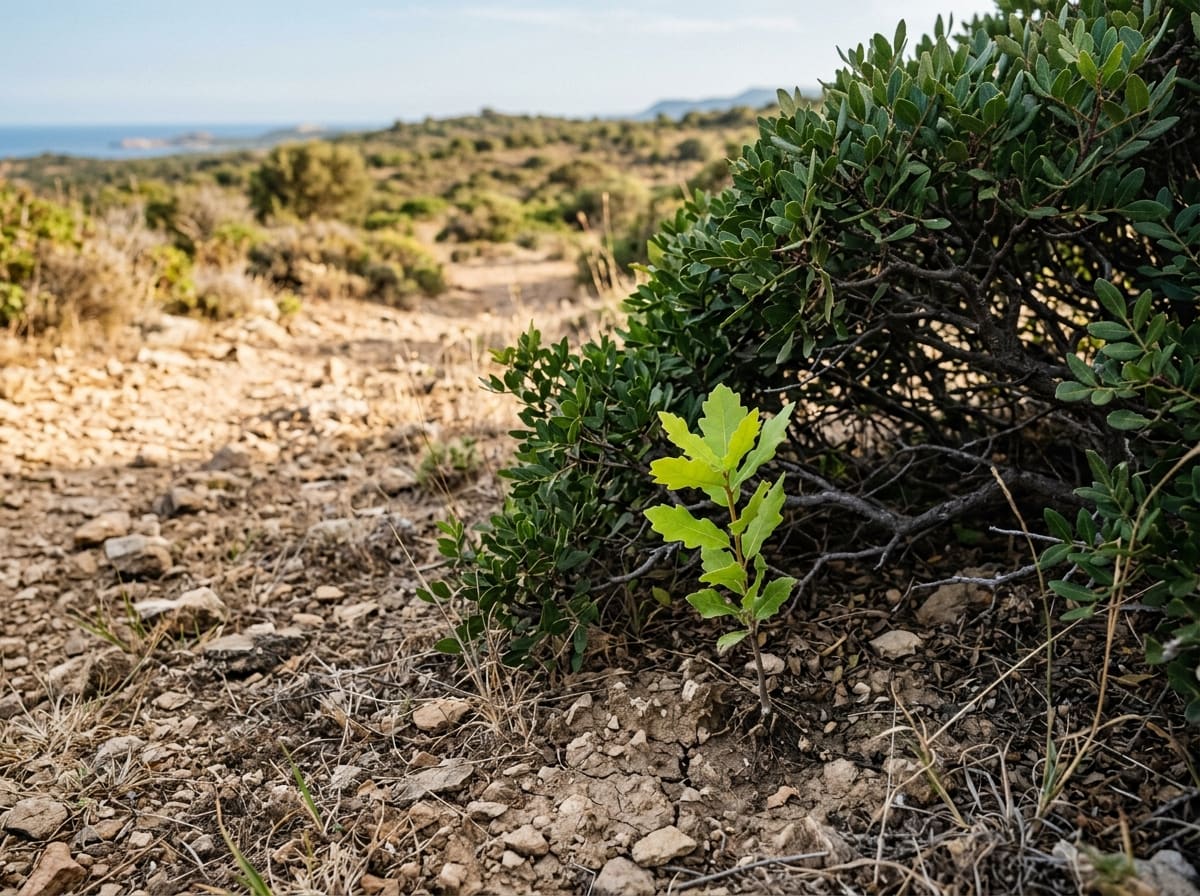
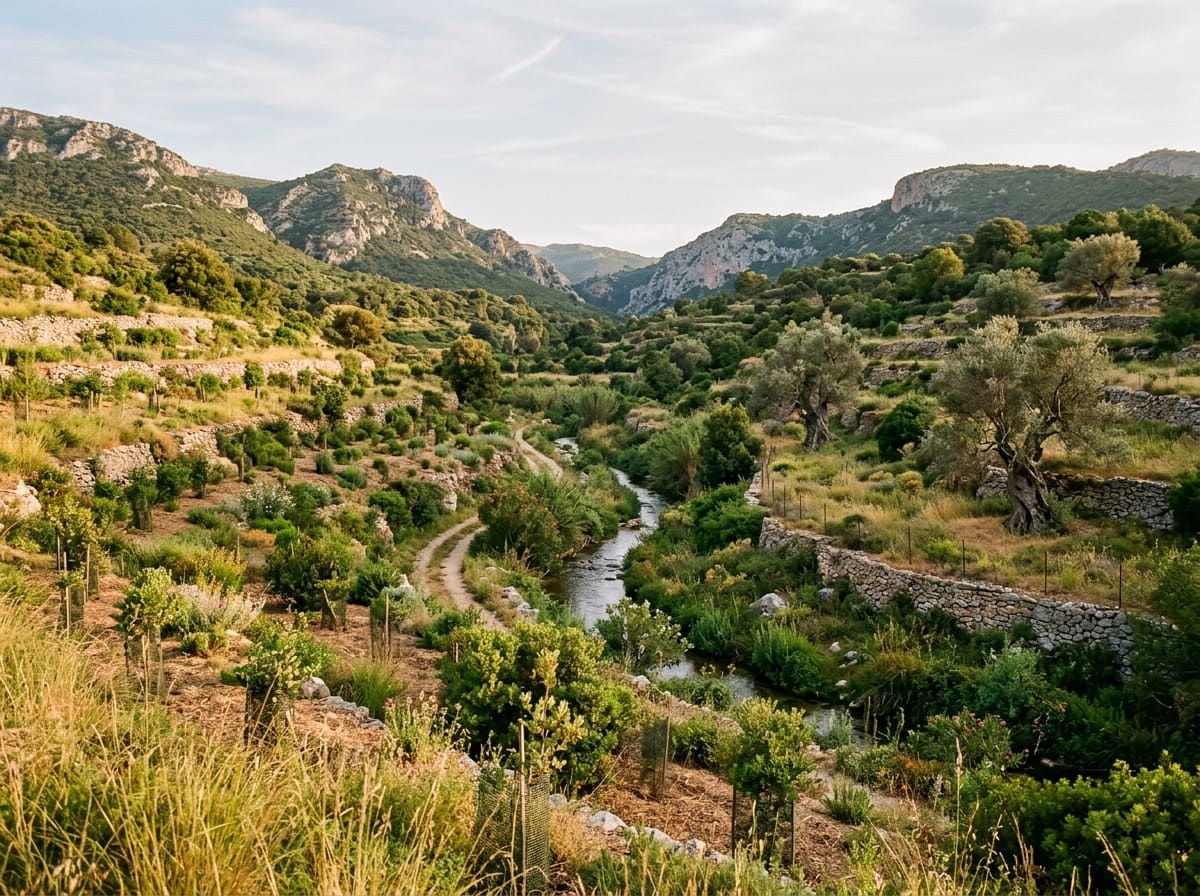
Maquis (Mediterranean Scrubland)The dense, hard-leaved shrubland of the Mediterranean, from knee height to small trees, tough enough to hold ground that woodland has lost.
- 5
Chapter 5 · 7 pages
Designing: the tools
Zones, sectors and the other tools that turn observation into a design.
Open the chapter The design processThe ordered steps of a permaculture design, from observing site and people through analysis and design to building, care and review, repeated in loops.

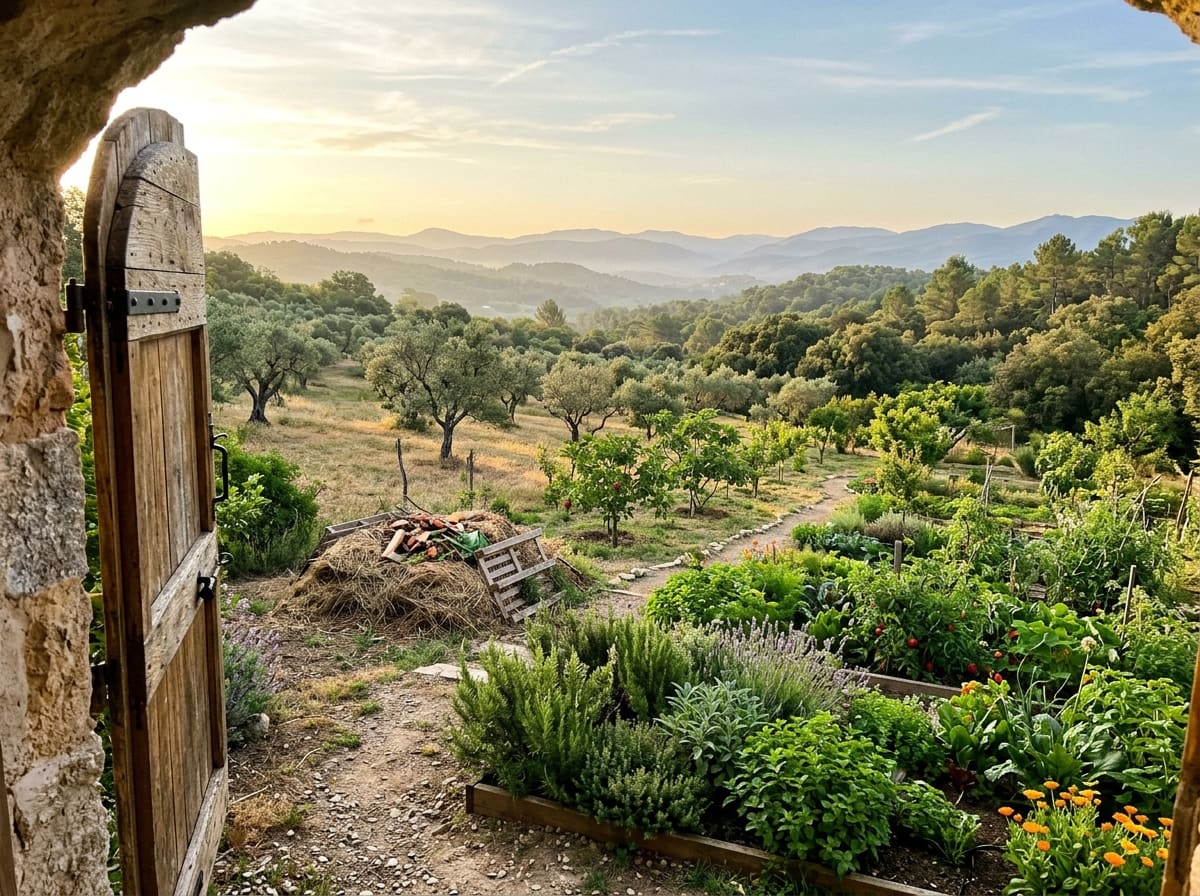
Zones in permacultureA permaculture planning tool that places each element by how often people tend it, from the house in zone 0 out to wild land in zone 5.
Sectors in permacultureA permaculture planning tool that maps the energies entering a site from outside, such as sun, wind, fire, water, cold air, views and noise.
Element analysisA permaculture design tool that lists what each element needs, what it yields and what it is like, so that the outputs of one can meet the needs of another.
Stacking in space and timeA permaculture technique that lets several plants share the same ground, layered by height and root depth in space and following each other in time.
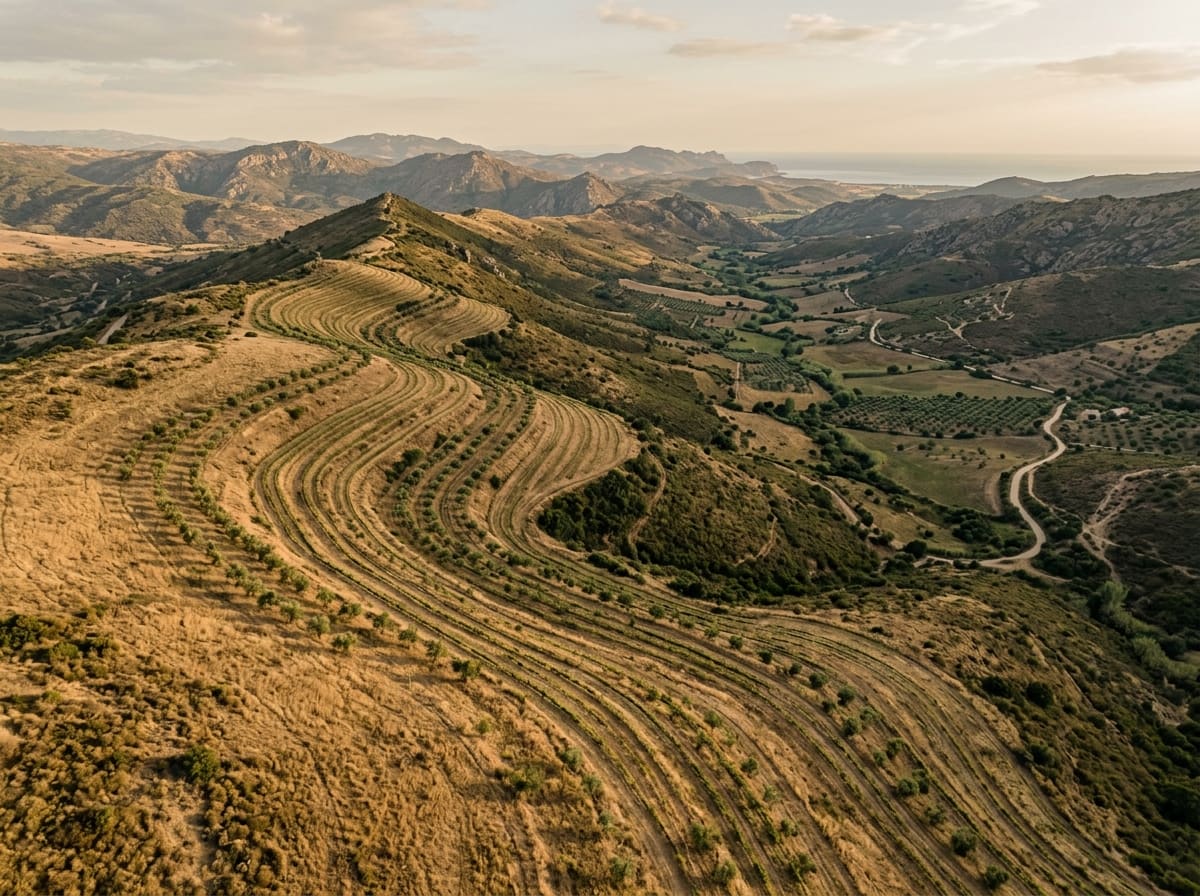
Keyline DesignA land-planning method that reads a slope's shape to move rainwater from moist valleys toward drier ridges, storing it in the soil.
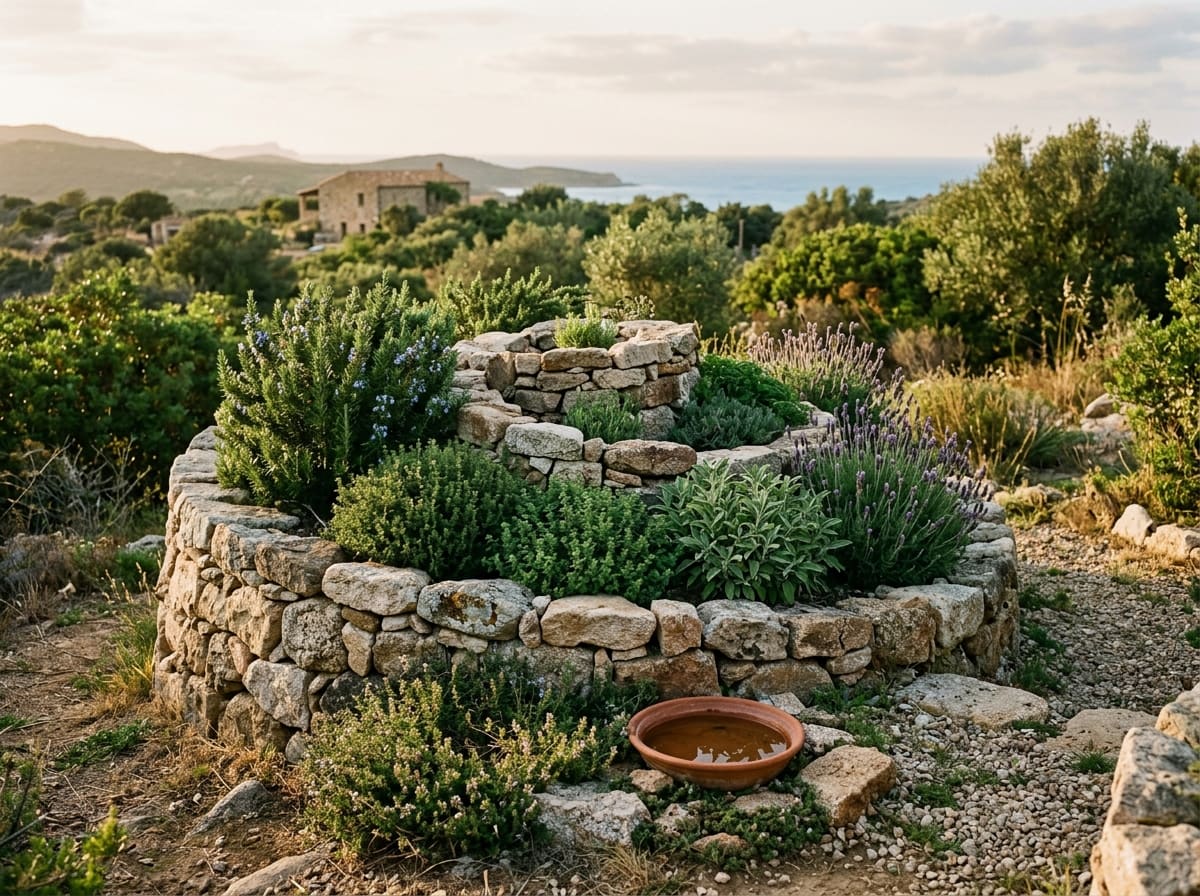
Herb SpiralA small raised mound built in a spiral, which packs several climates into a few square metres so that herbs with opposite needs can grow side by side.
- 6
Chapter 6 · 12 pages
Holding water
Slow it, spread it, sink it: water as the first task on dry land.
Open the chapter The Water CycleThe path of water from rain through soil, plants and air back to rain. On land it stays closed only where water is held, soaks in and is passed on by plants.
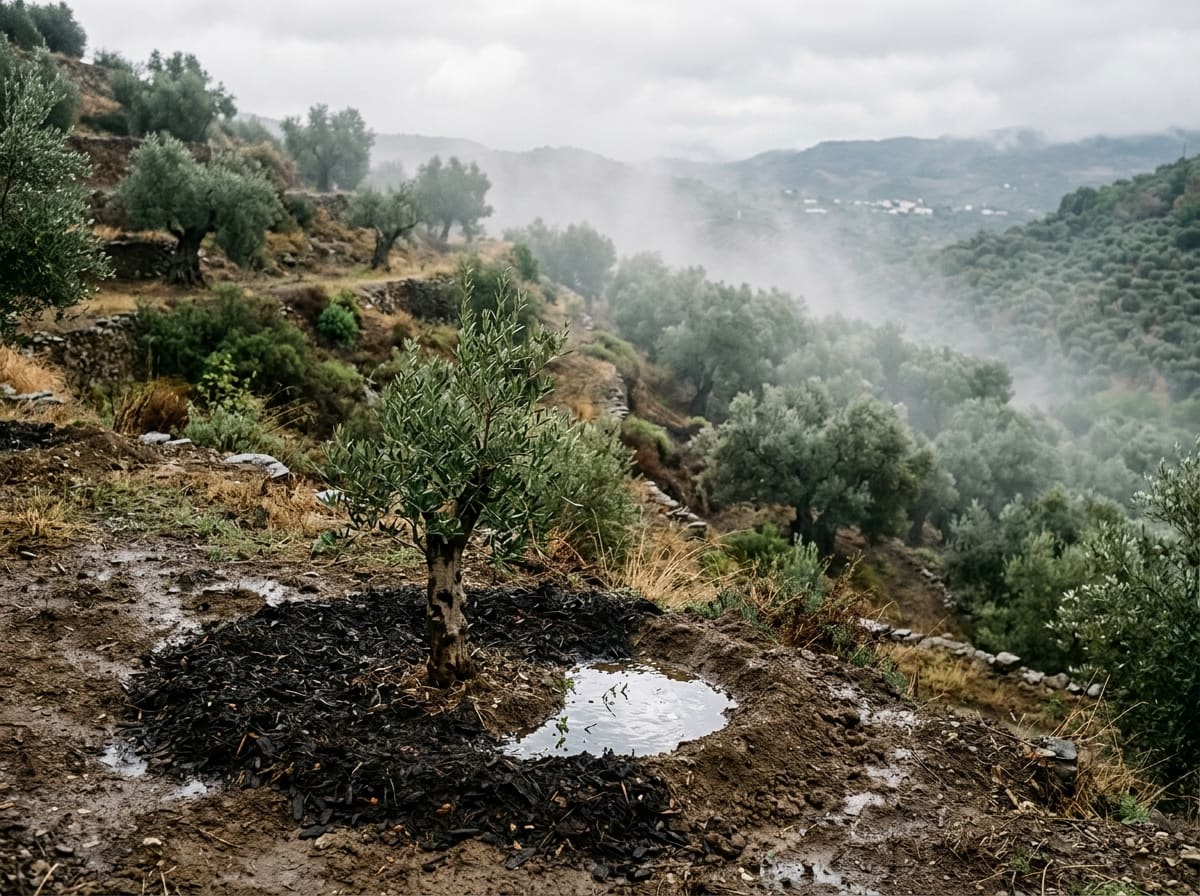
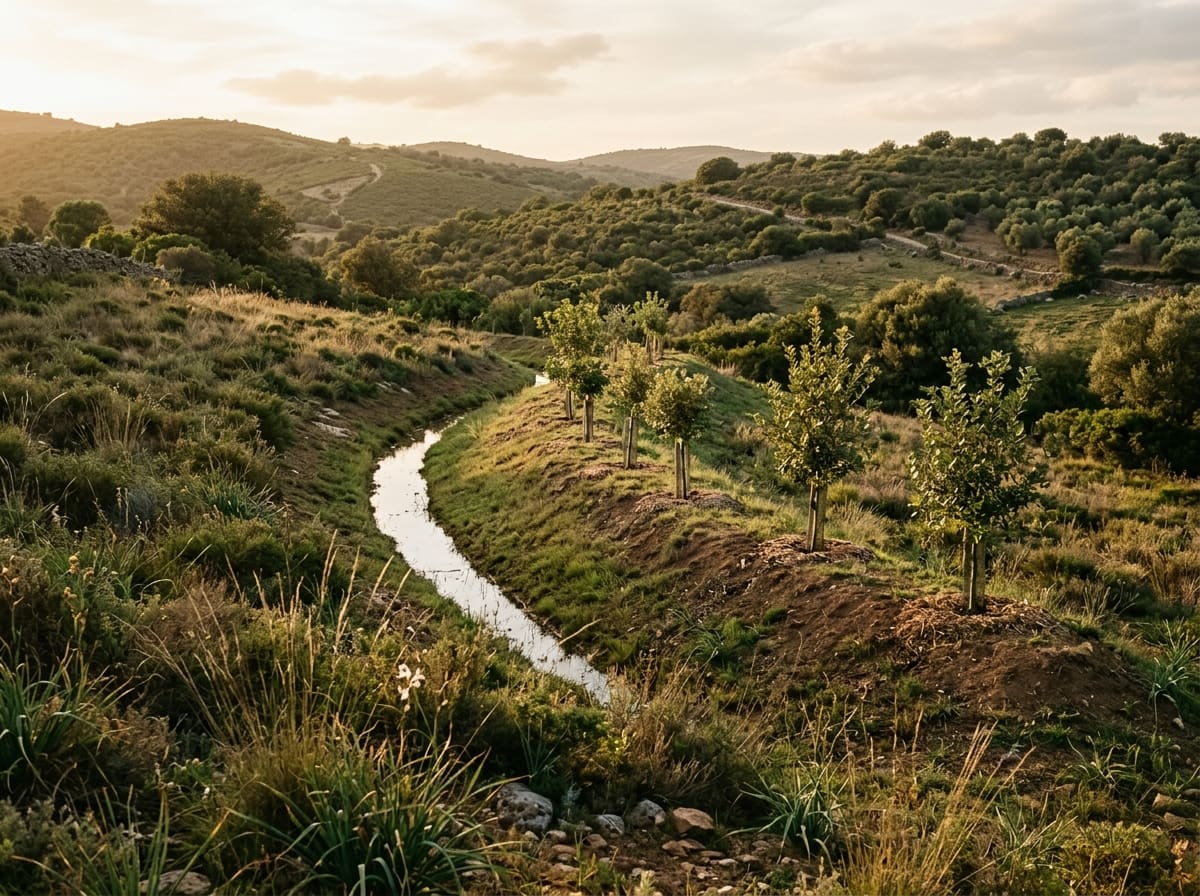
Rainwater HarvestingHolding rain where it falls: soaking it into ditches and basins, storing it in dams and cisterns, spreading it along the shape of the slope.
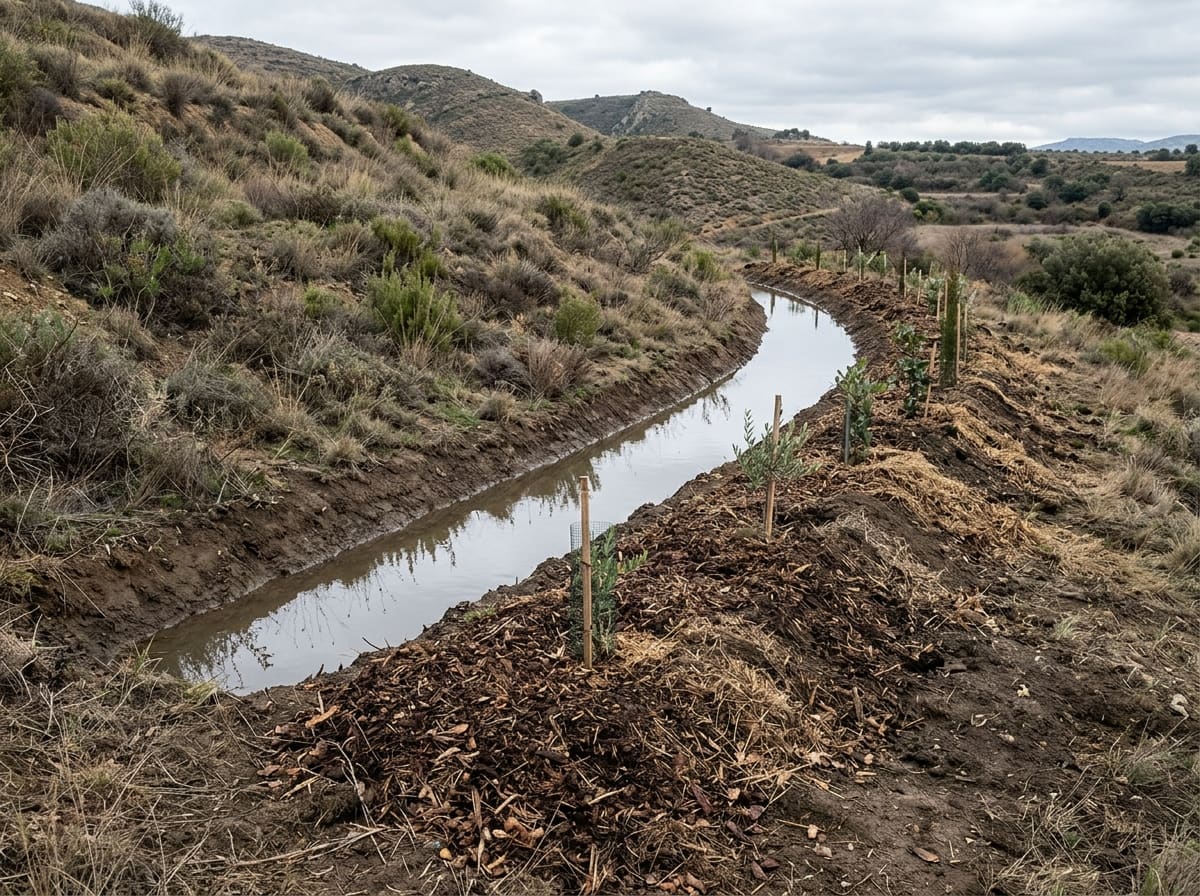
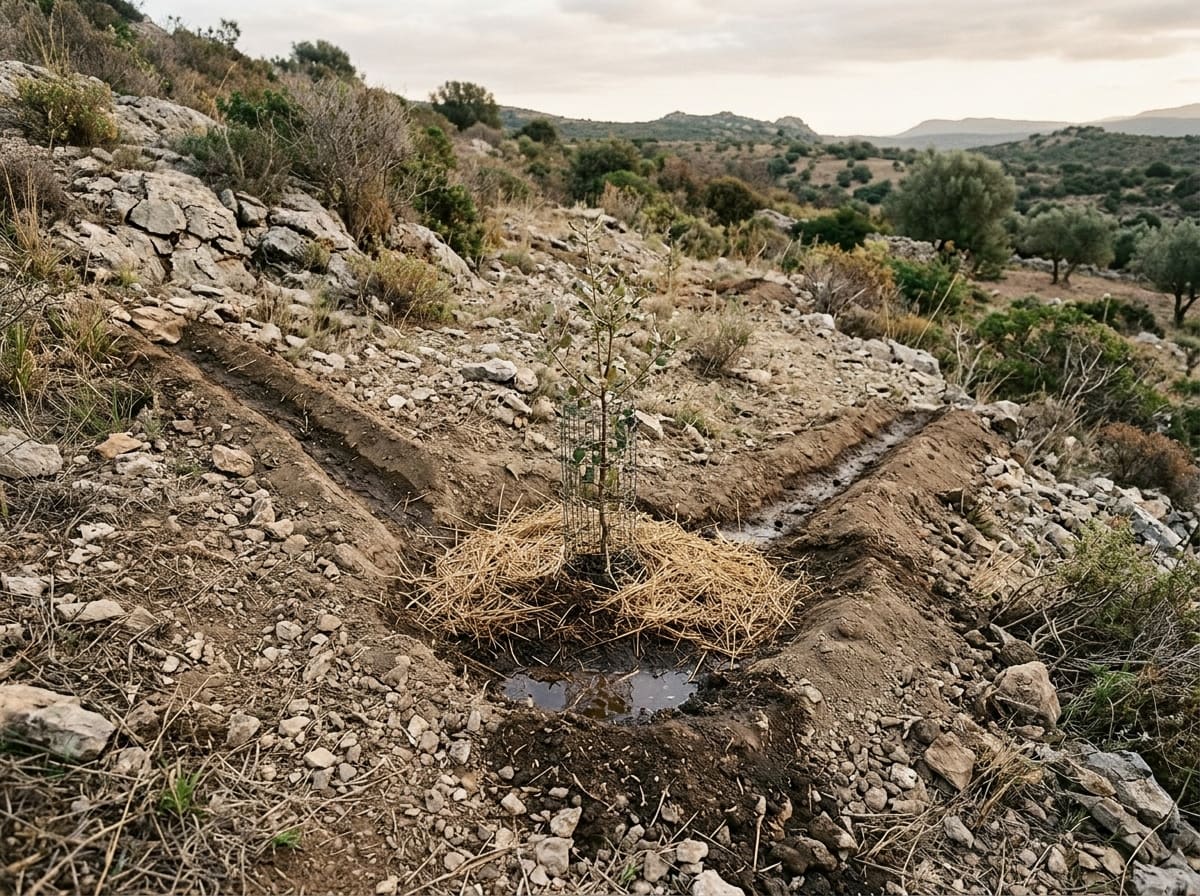
SwaleA level ditch dug exactly along the contour of a slope, with the soil heaped into a planted bank below it, so runoff stops, spreads and soaks in.
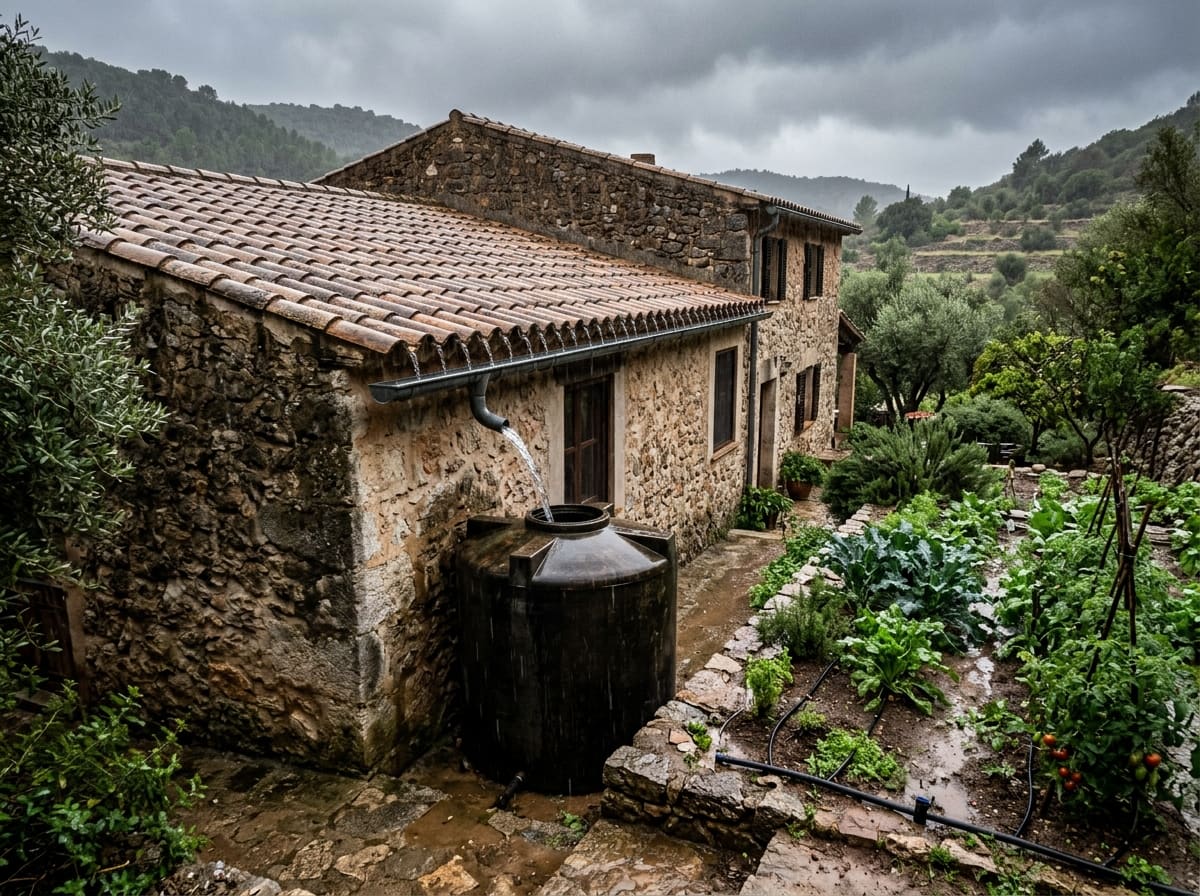
Roof water and cisternsCollecting rain from a roof through gutter and filters into a closed, dark tank, so that winter rain can water garden and animals in the dry season.
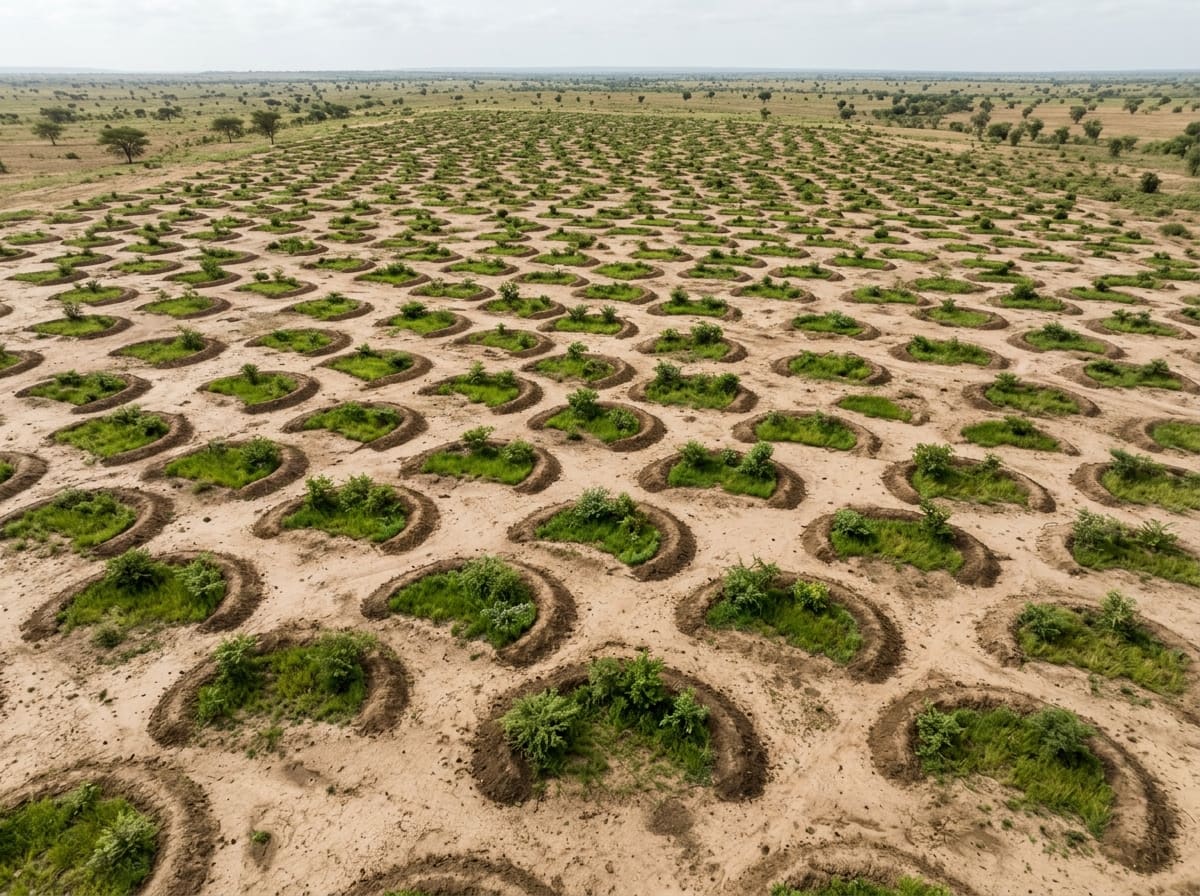
Half-Moon (Demi-lune)A semicircular earth bund opening uphill, which catches runoff in its arc and lets it soak in; dug by hand in the Sahel and in East Africa.
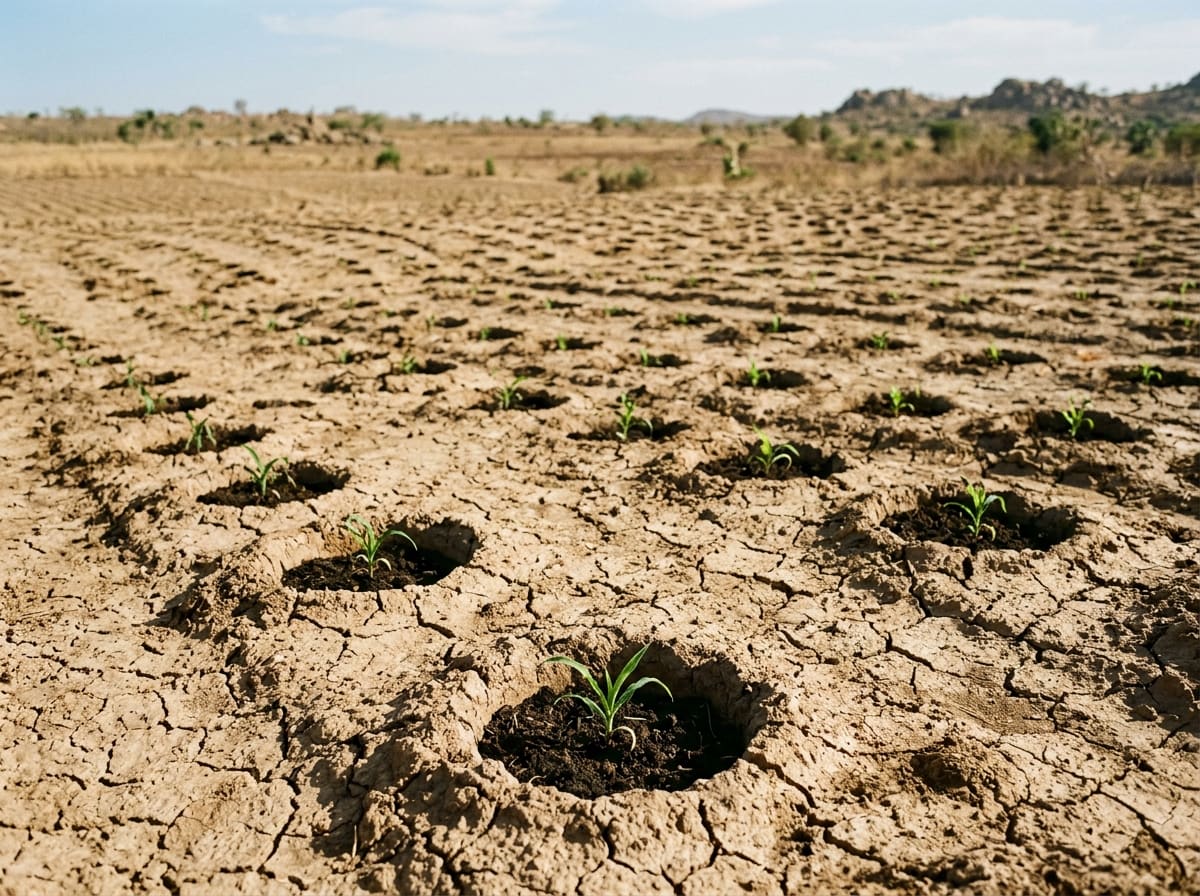
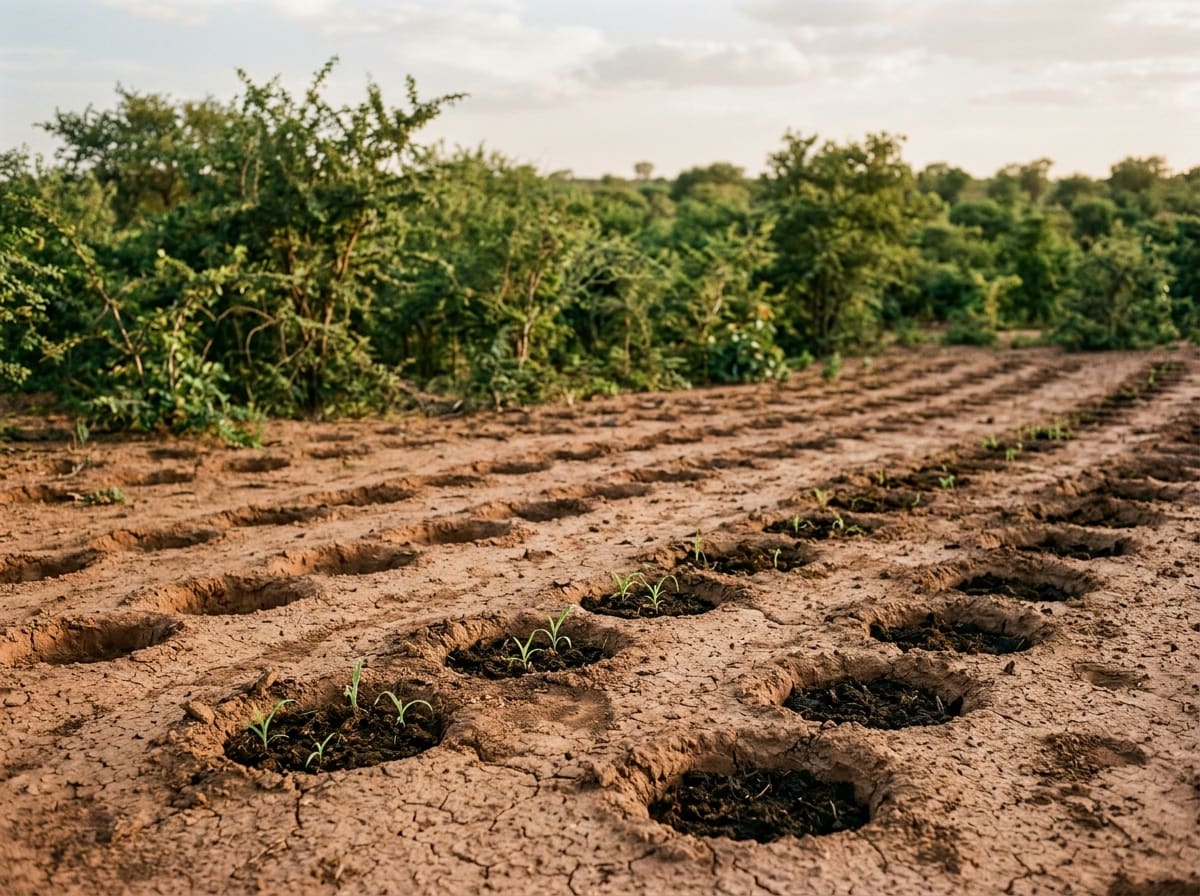
Zaï PitA small planting pit dug into hard, crusted soil and filled with manure or compost, which gathers rain and nutrients for one plant; from West Africa.
Microcatchment (Negarim)A small earth-bunded area that guides rainwater running off its surface to the foot of a single tree, so one plant receives the rain of a much larger patch.
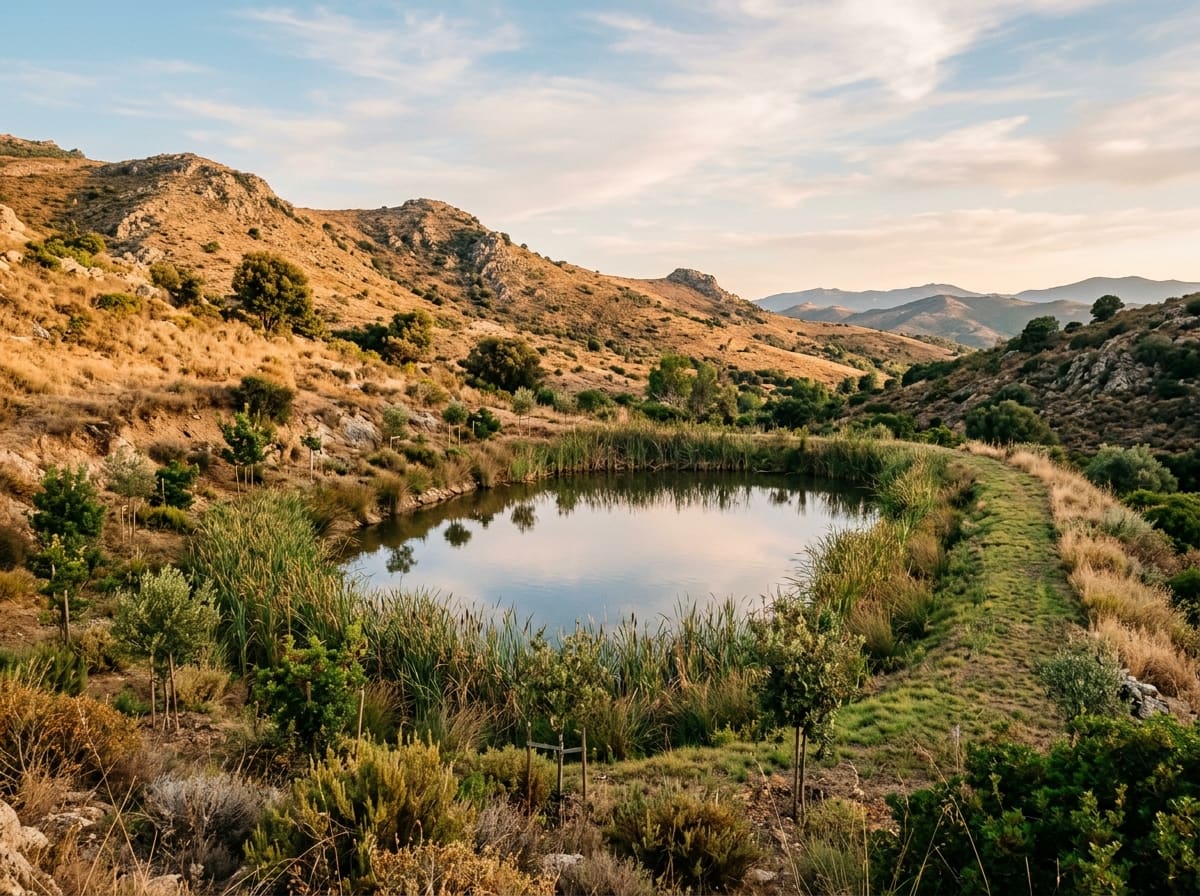
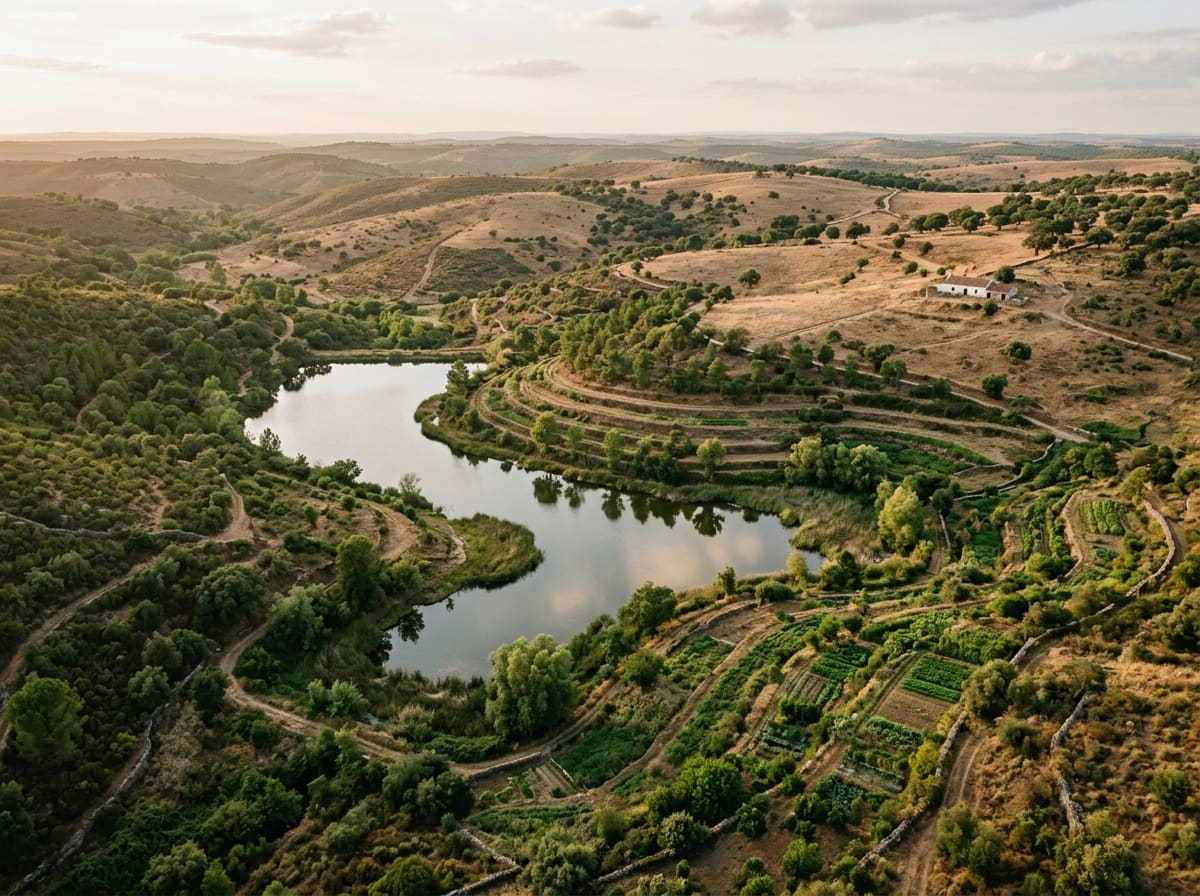
Retention PondA pond that holds back winter runoff and lets it seep slowly into the ground; it also serves as habitat and as a cooling surface in the landscape.
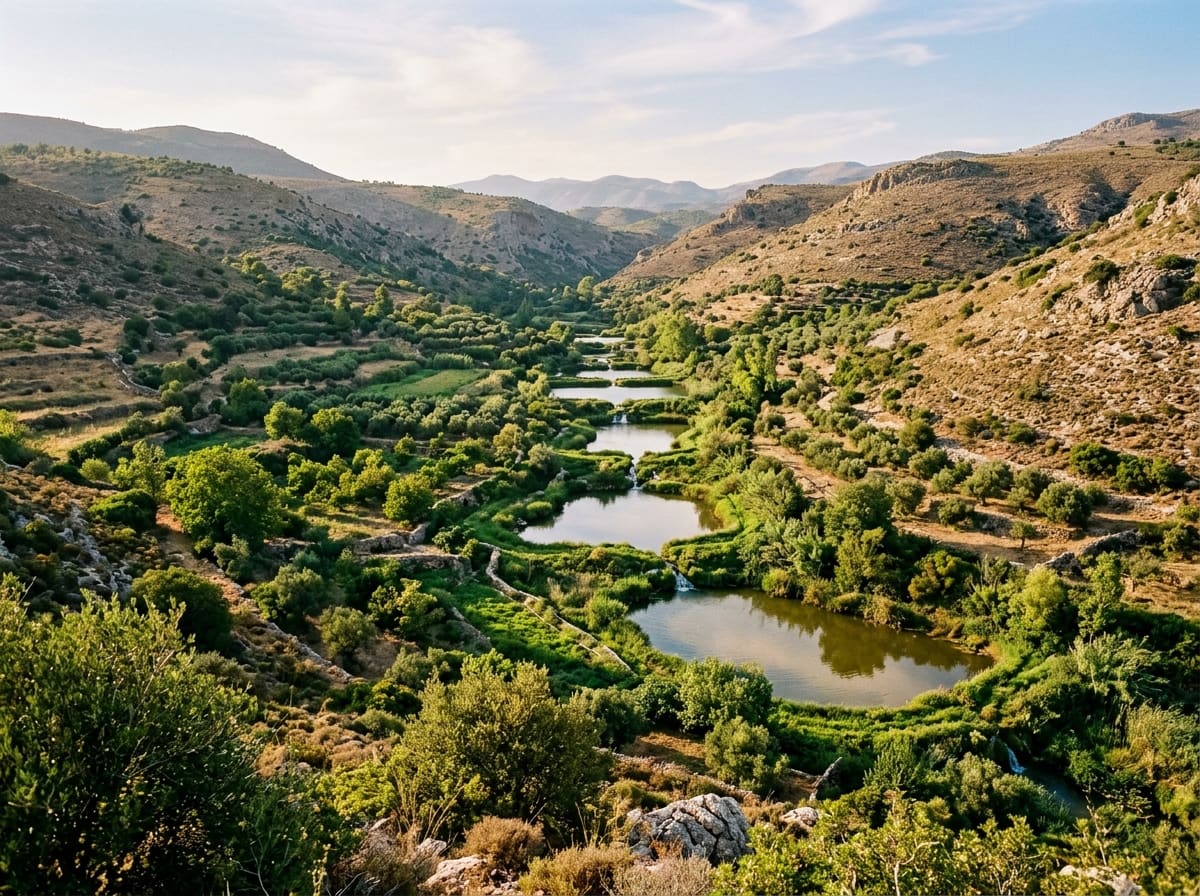
Water Retention LandscapeA landscape shaped so that rain stays in the area: ponds, swales, terraces, plant cover and soil care hold it back; an approach shaped by Sepp Holzer.
GreywaterHousehold water from showers, basins and washing machines, without toilet water. Used a second time on the land, it closes part of the water cycle.
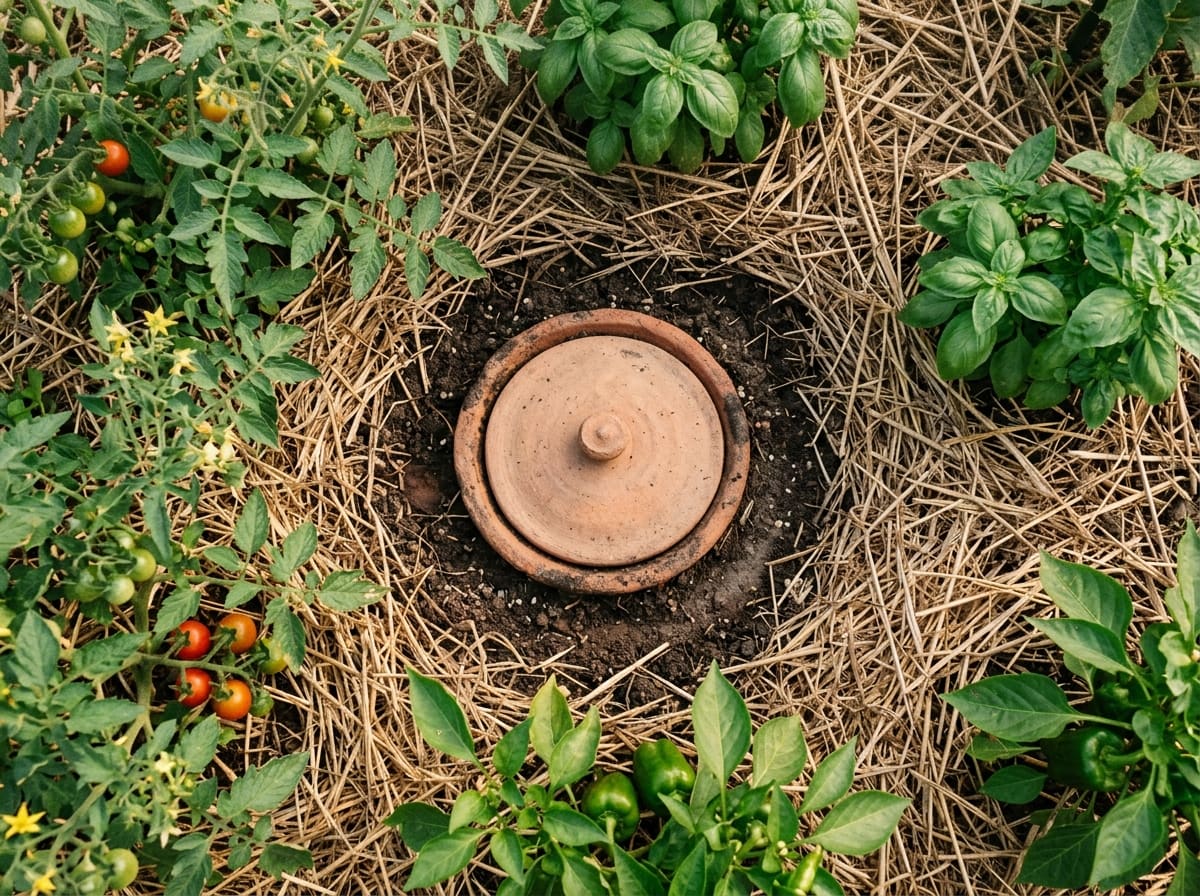
Olla IrrigationIrrigation with an unglazed clay pot buried up to its neck and filled with water, which seeps slowly through the porous wall into the soil around the roots.
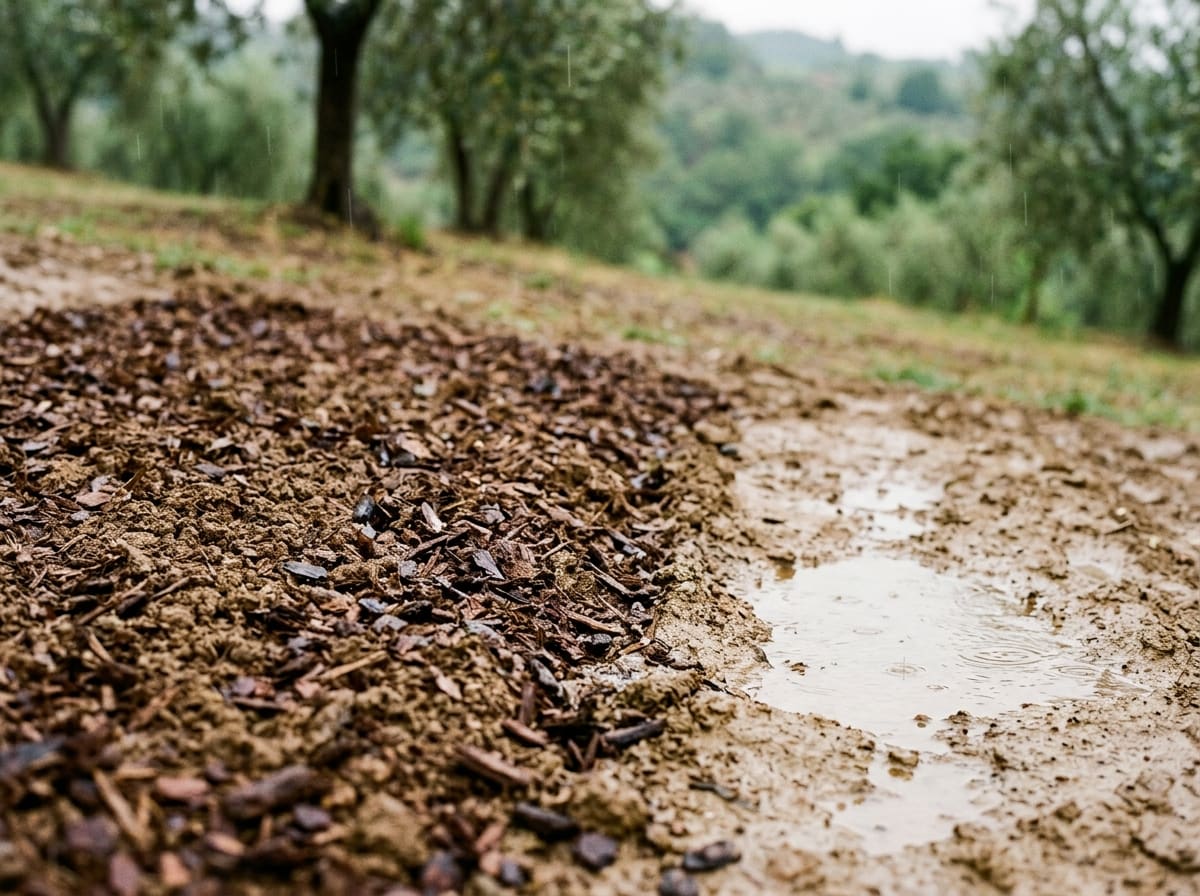
InfiltrationThe entry of rain into the soil. How fast it happens depends on soil structure, cover, prior moisture and slope, and it decides between soil water and runoff.
- 7
Chapter 7 · 14 pages
Building soil
Cover, feed and never strip it: how soil life comes back.
Open the chapter HumusThe dark, stable fraction of organic matter in soil, the part that holds water and nutrients and gives a living soil its colour, smell and structure.
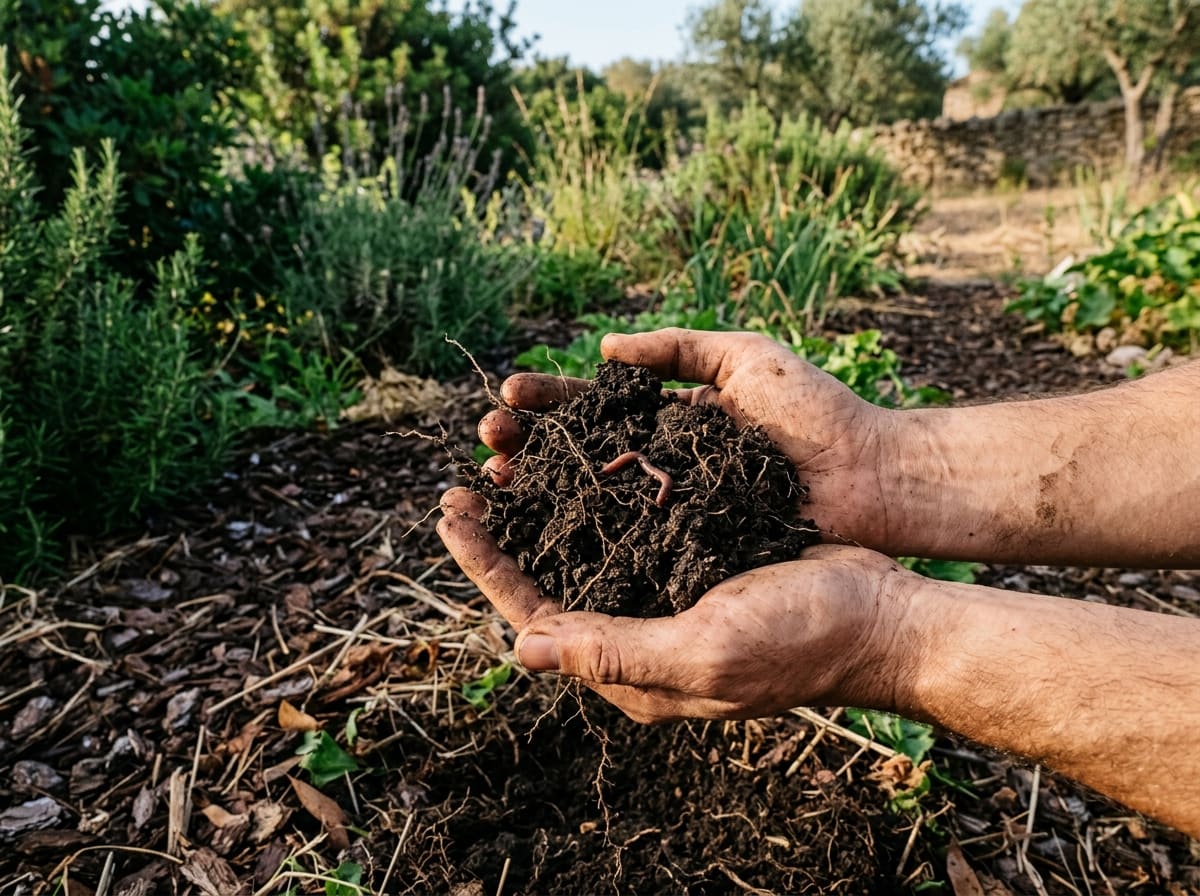
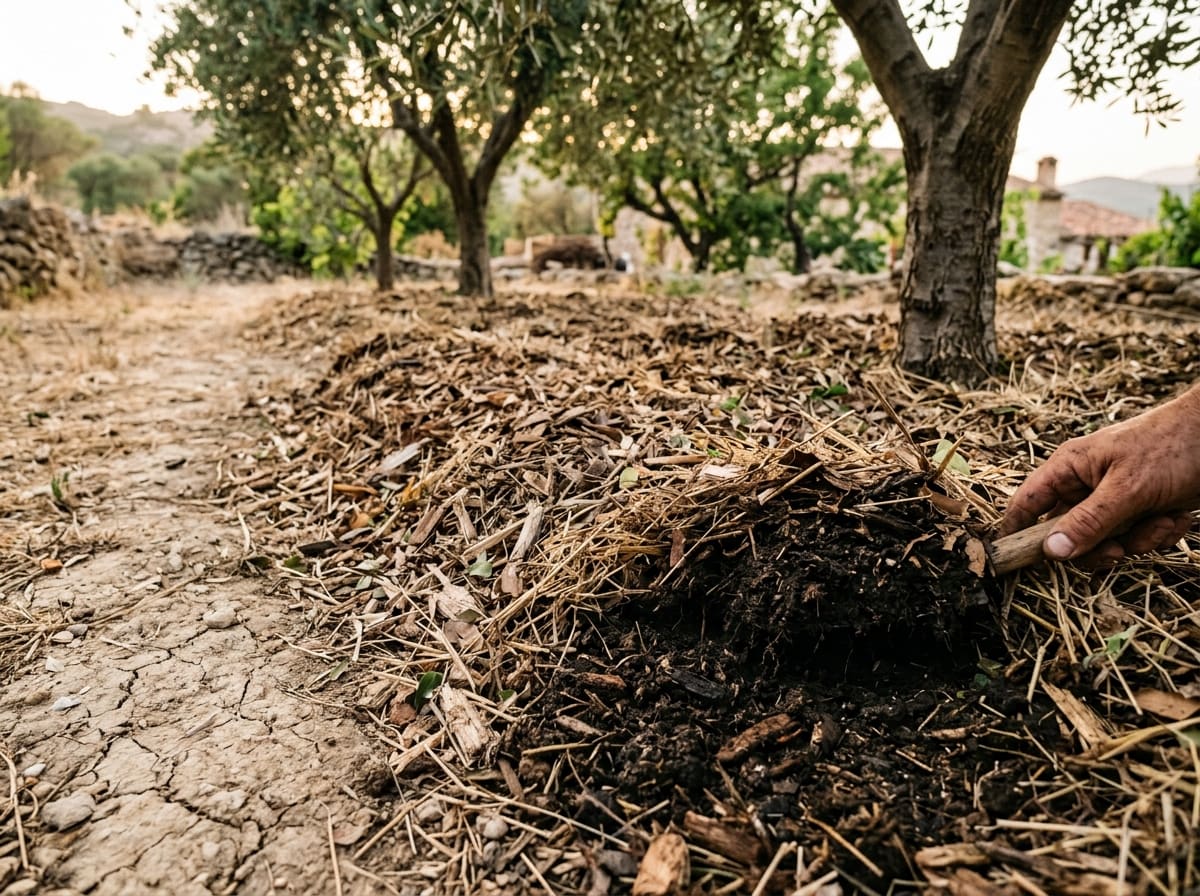
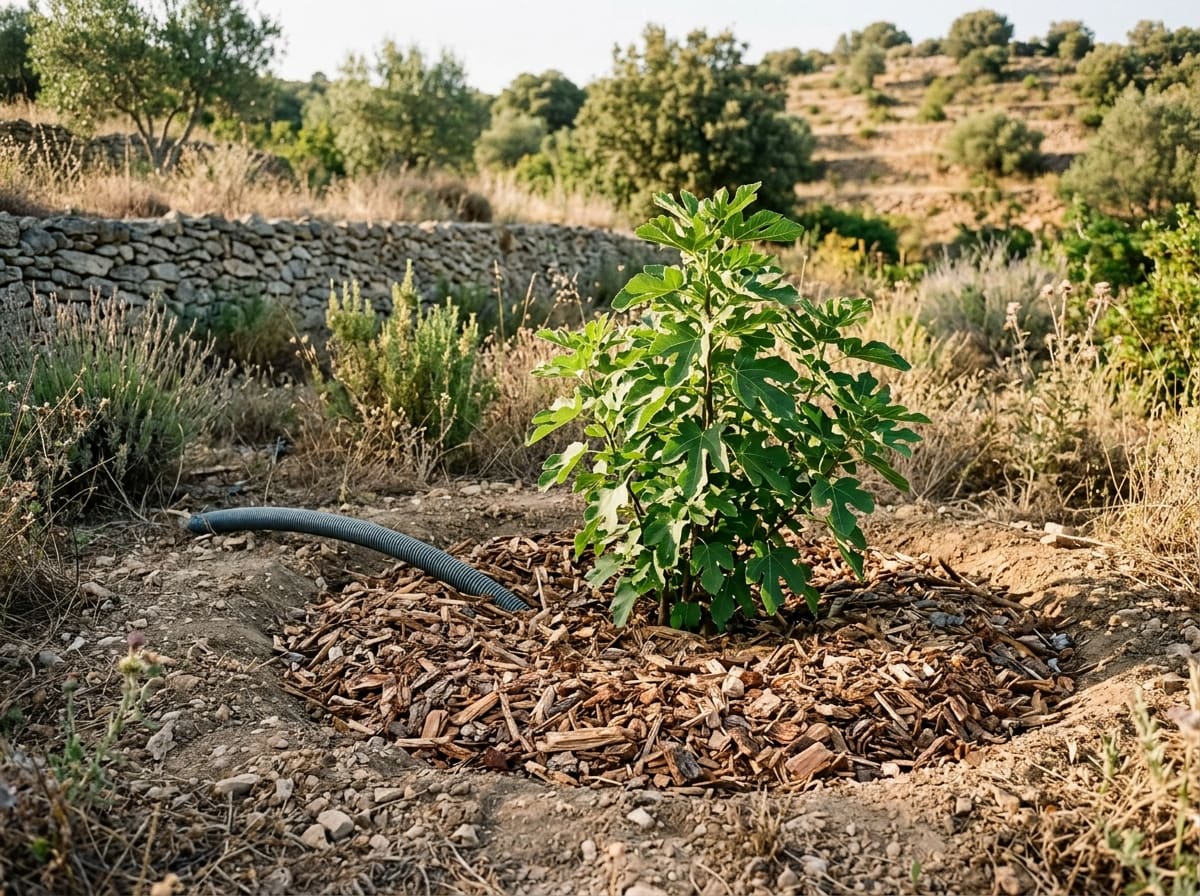
MulchA layer of organic or mineral material on the soil surface that cuts evaporation, keeps the ground cooler, stops erosion and feeds soil life.
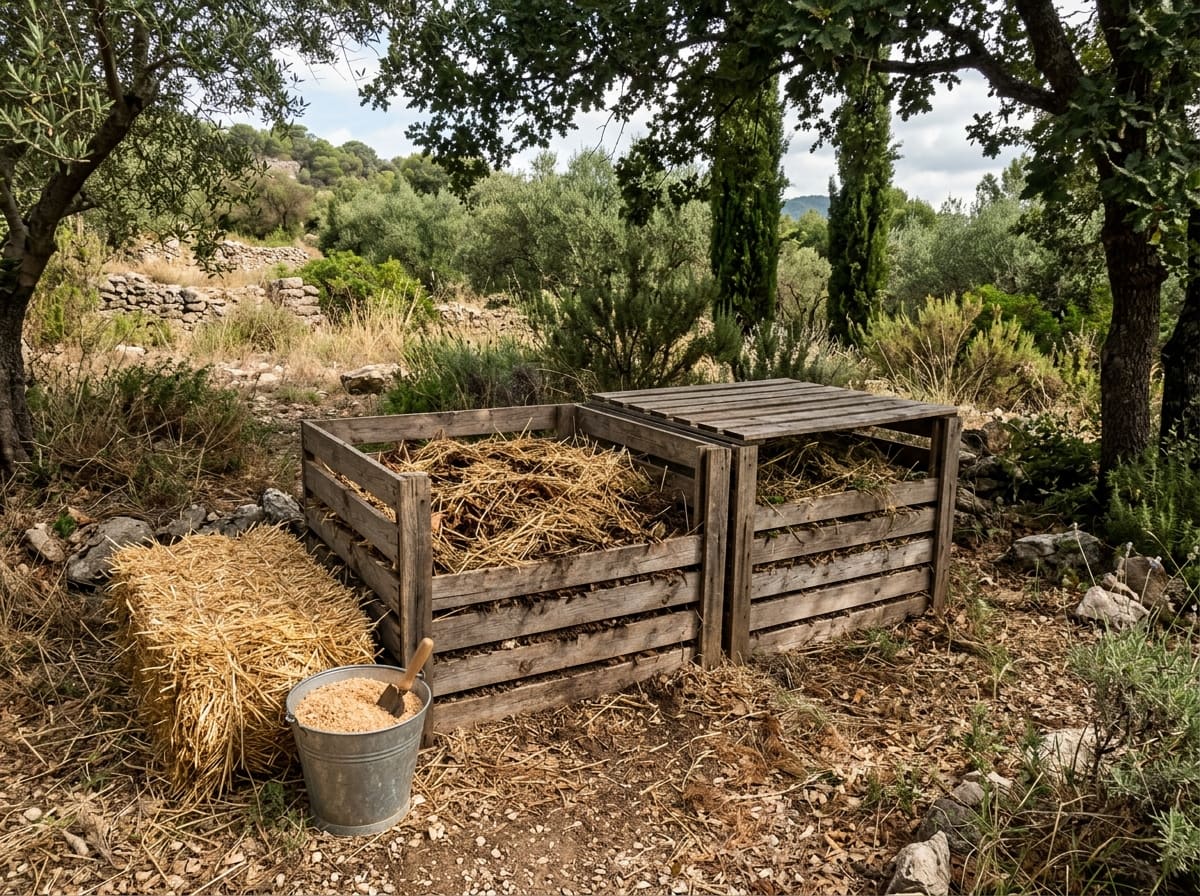
CompostOrganic residues that soil organisms have broken down, with air and moisture, into a dark, crumbly material that feeds soil life and returns nutrients.
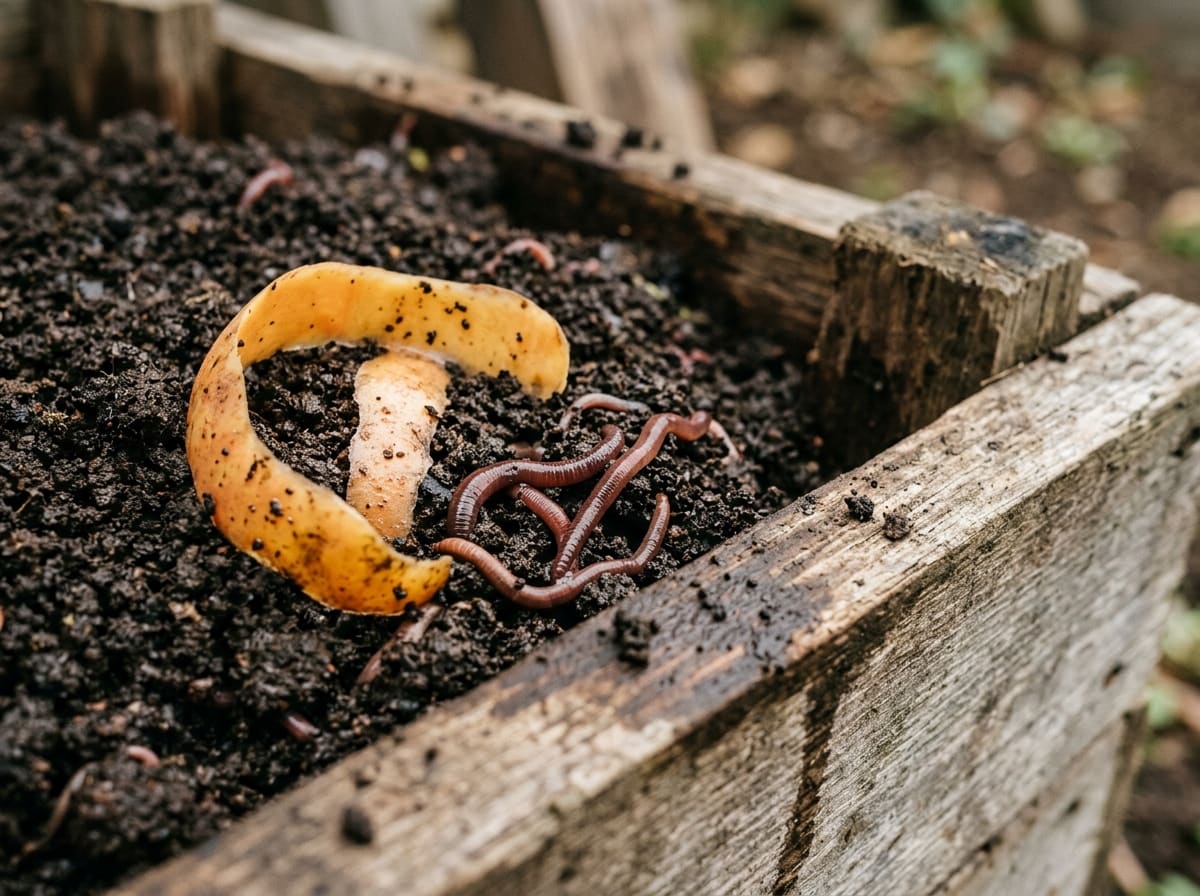
VermicompostCompost made by compost worms: they eat kitchen scraps and damp bedding without a hot phase and leave fine, dark castings for pots and beds.
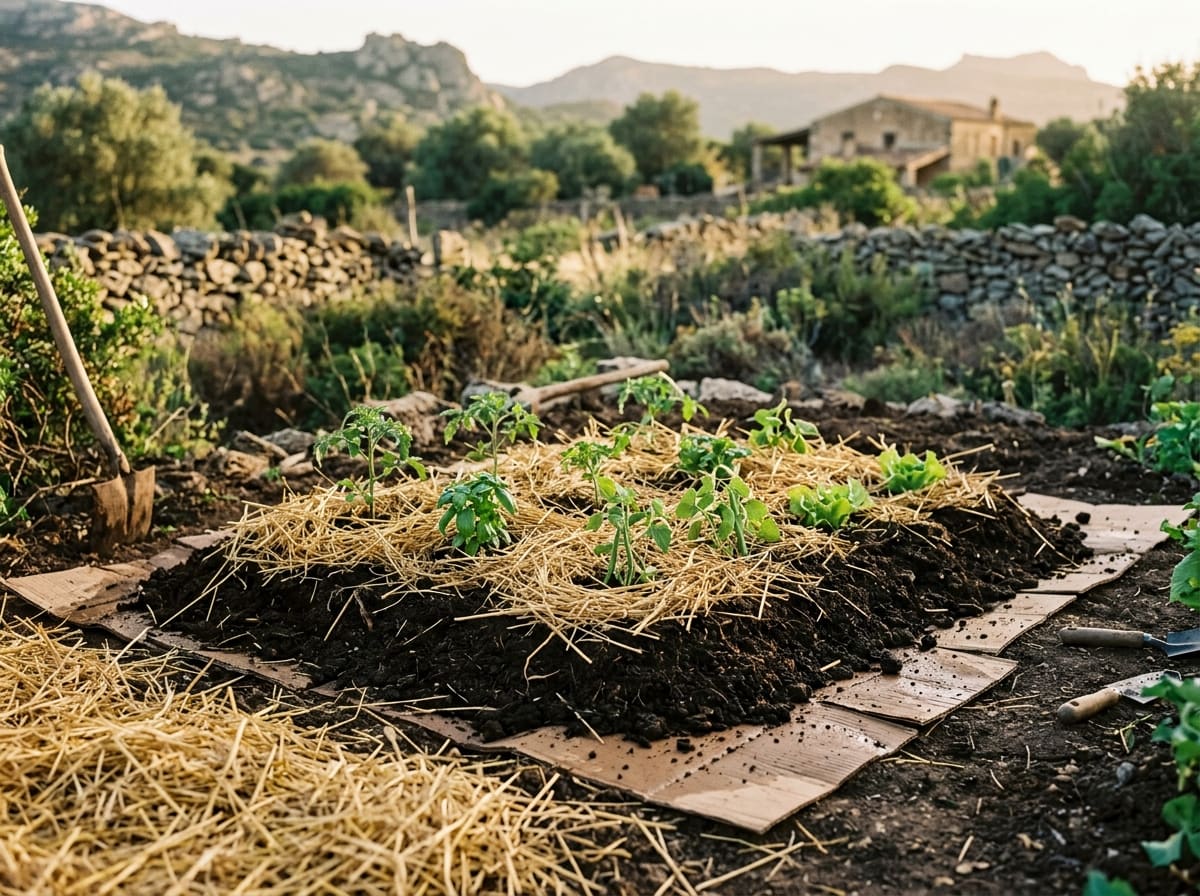
Sheet MulchingBuilding soil from the top down by laying organic material in layers on undisturbed ground, so that decay does the work a plough would otherwise do.
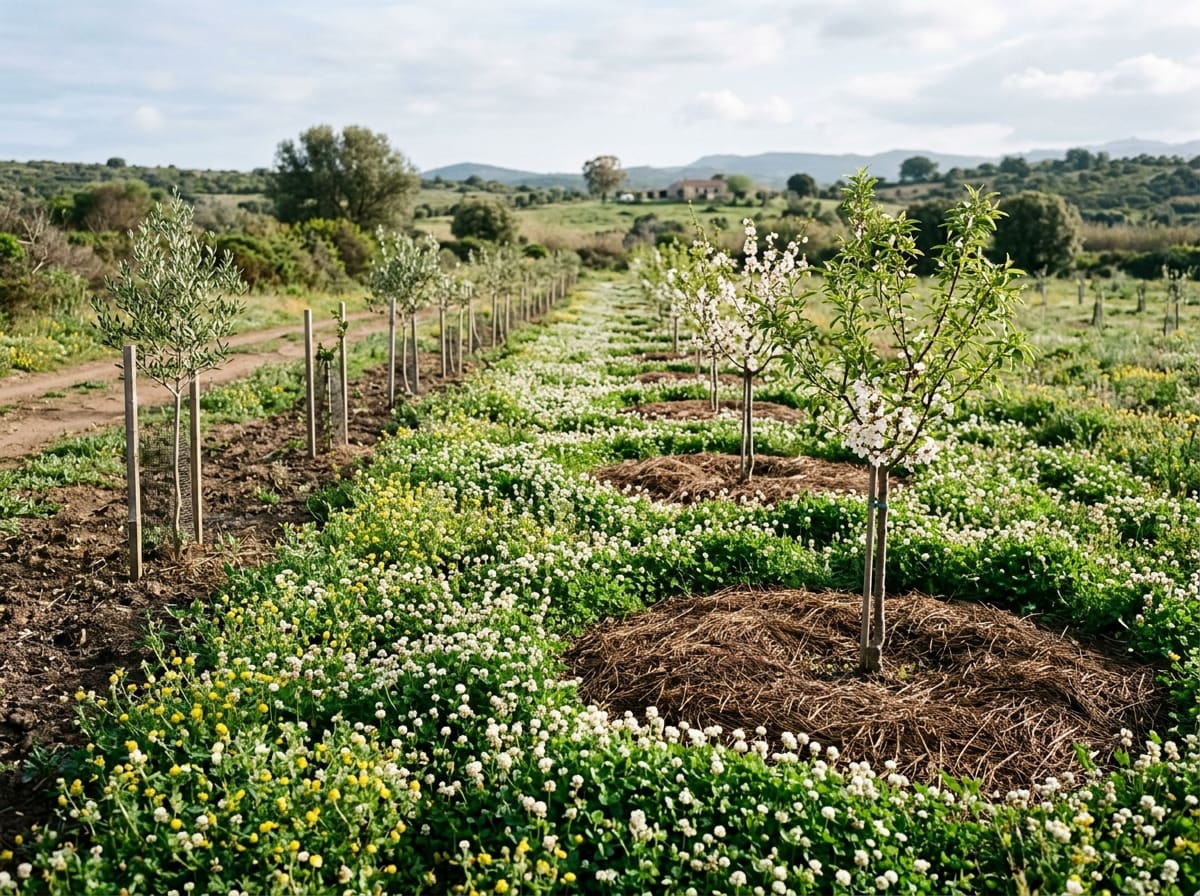
Living MulchA low, living plant cover that grows alongside the main crop and protects the soil; in the Mediterranean it greens in winter and dries to straw in summer.
Cover CropA permanent or seasonal plant cover between trees or rows instead of open soil; it slows runoff and erosion and feeds soil life and beneficial insects.
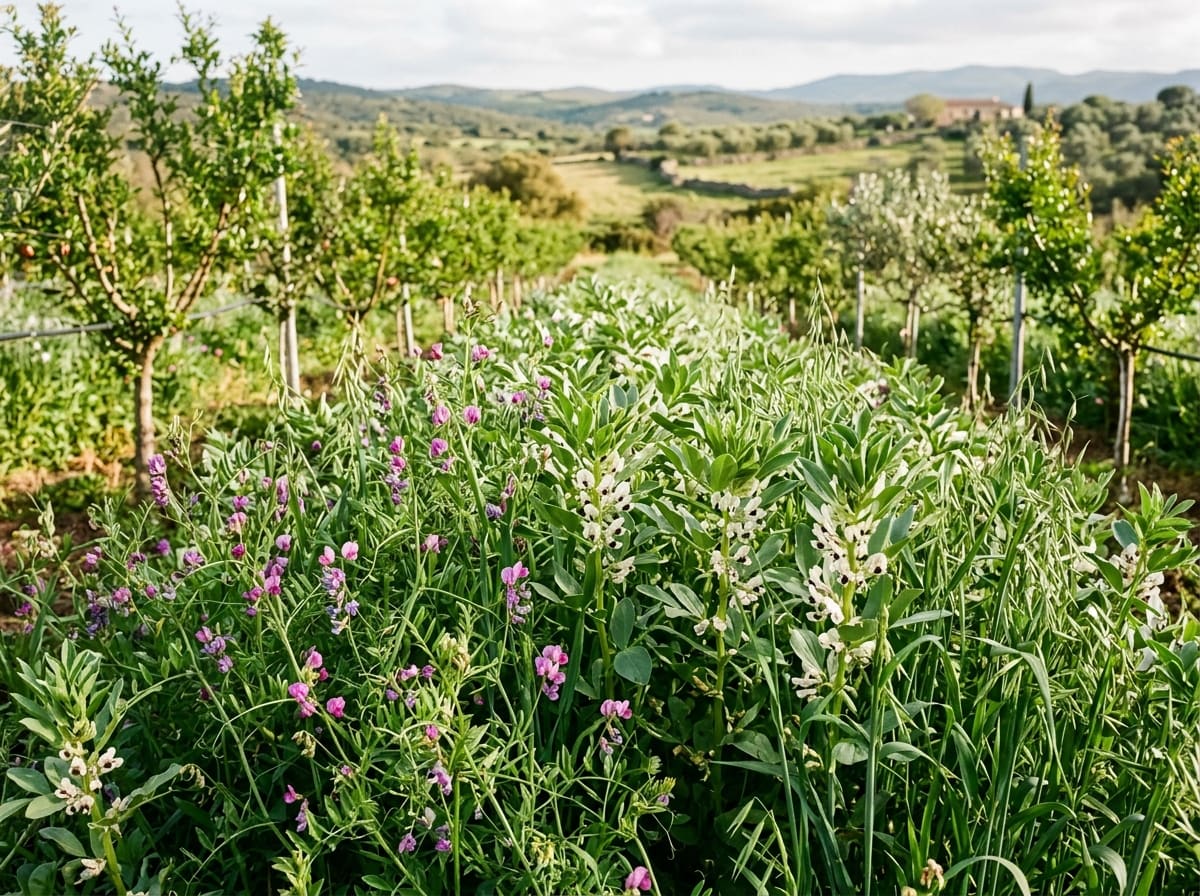
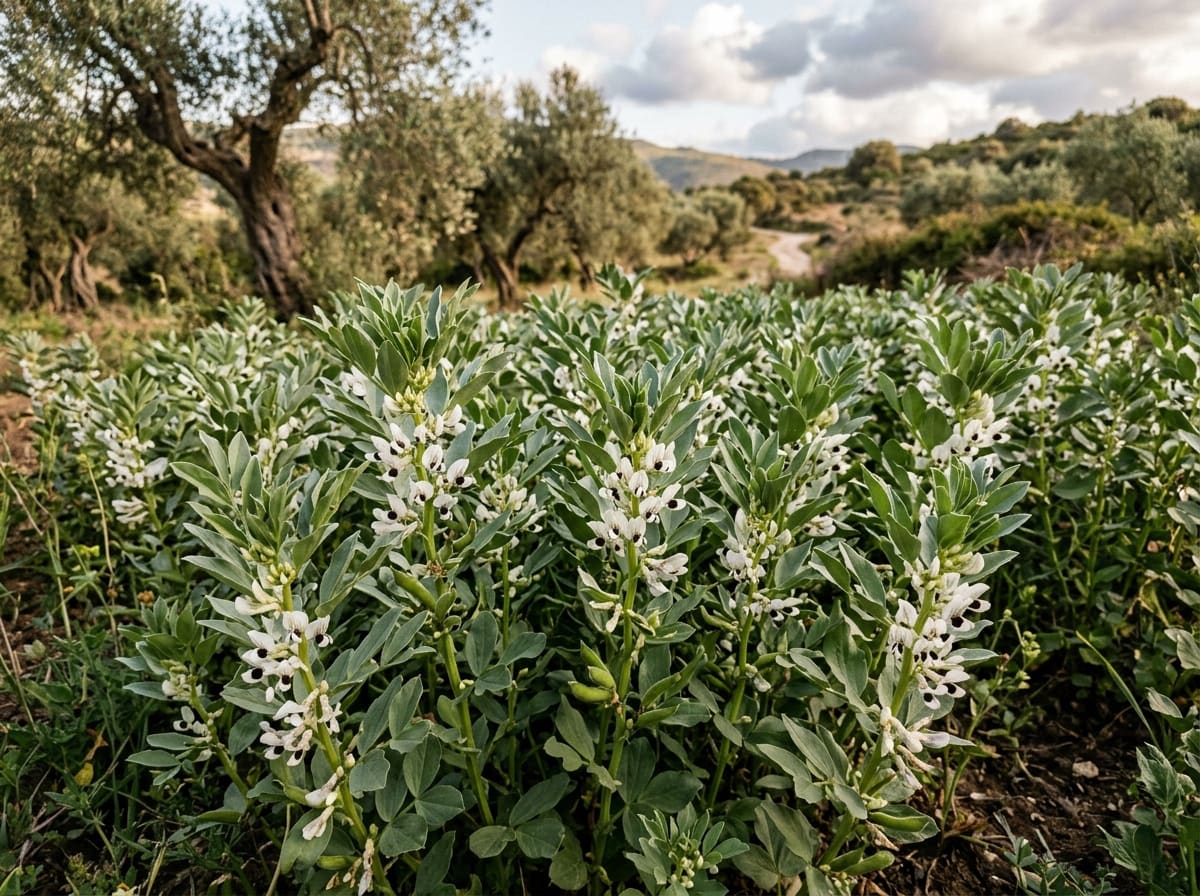
Green ManurePlants grown on purpose to feed the soil: often a mix of legumes and grasses, cut at flowering and left on the ground as biomass and nitrogen.
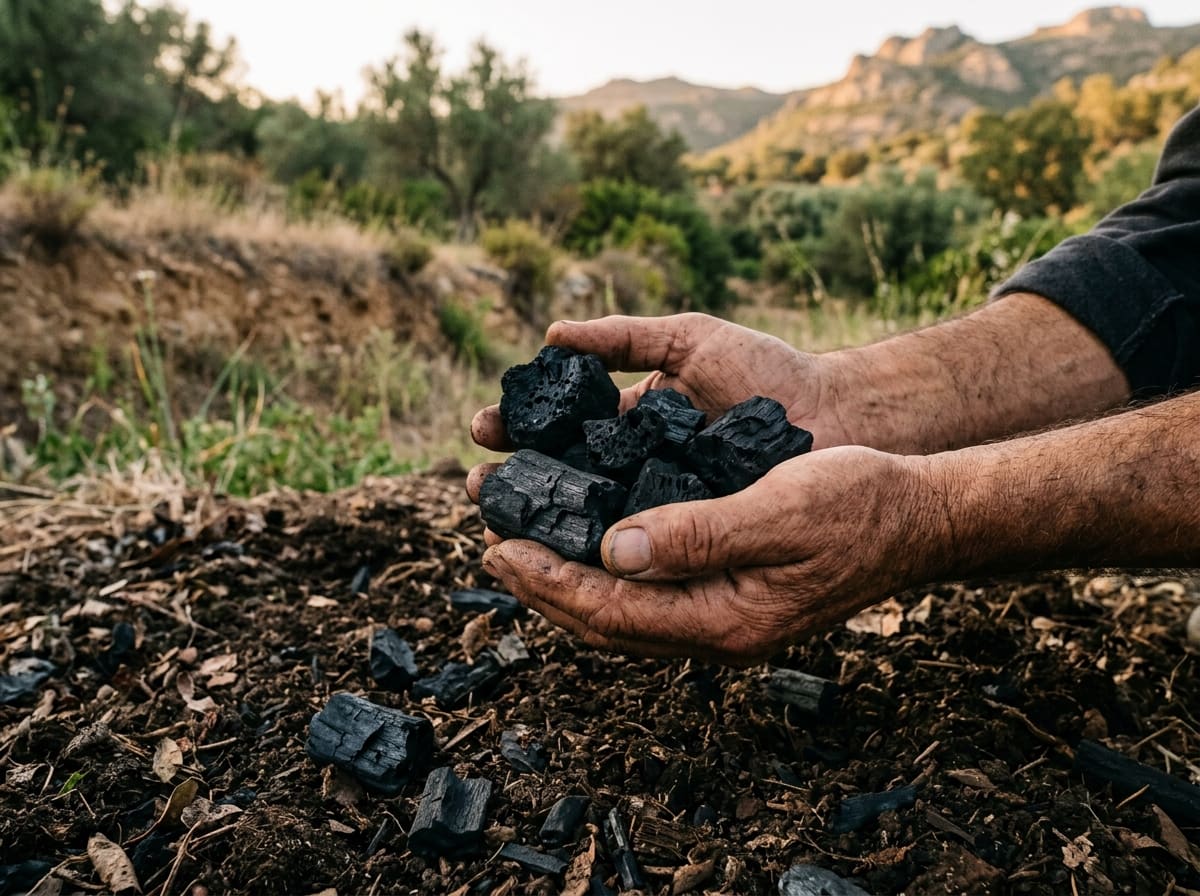
BiocharA stable, charcoal-like material made by heating plant matter with little oxygen, mixed into soil to improve its structure, water-holding and living activity.
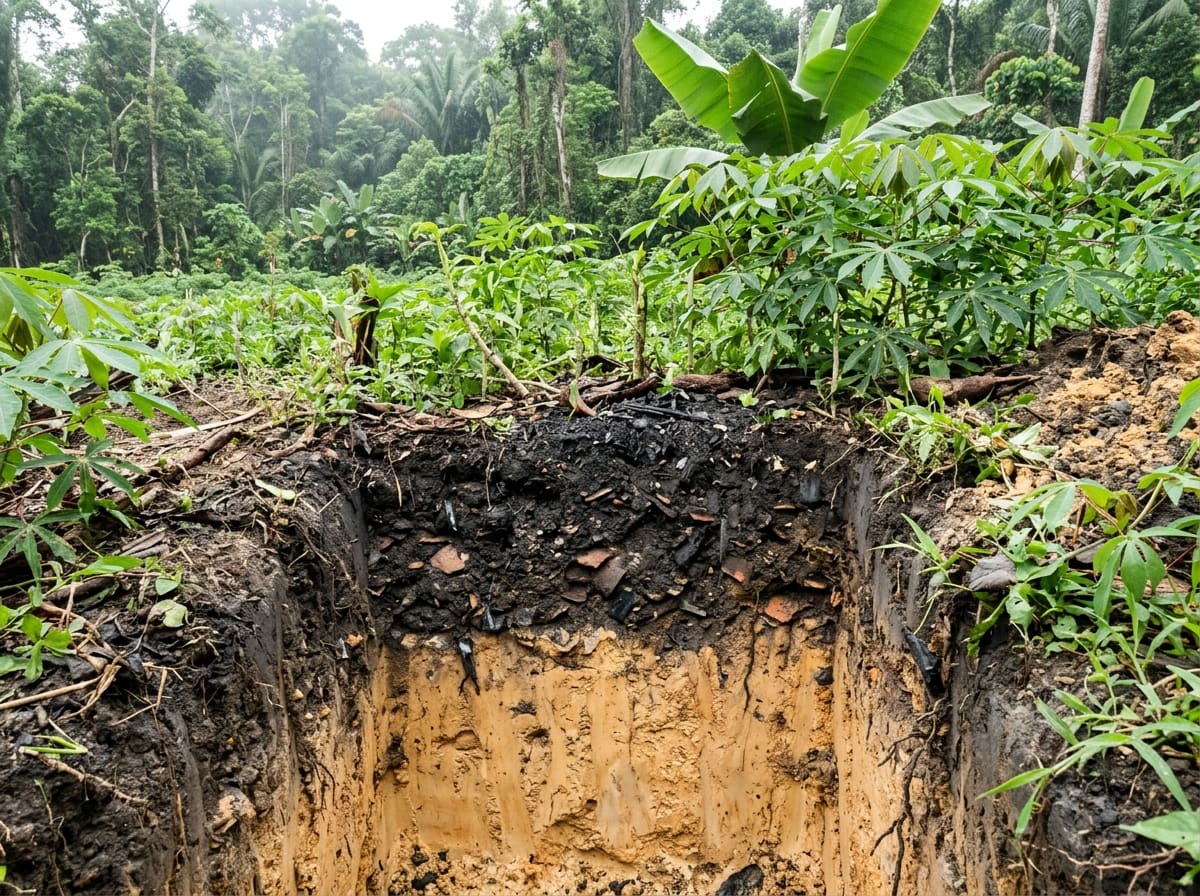
Terra Preta (Amazonian Dark Earth)Dark, human-made soil of the Amazon, built up over centuries from charcoal, ash, bones, pottery and household waste, and still fertile today.
Soil Food WebAll the organisms living in soil, from bacteria and fungi to mites and earthworms. Together they digest dead matter and turn it into food for plants.
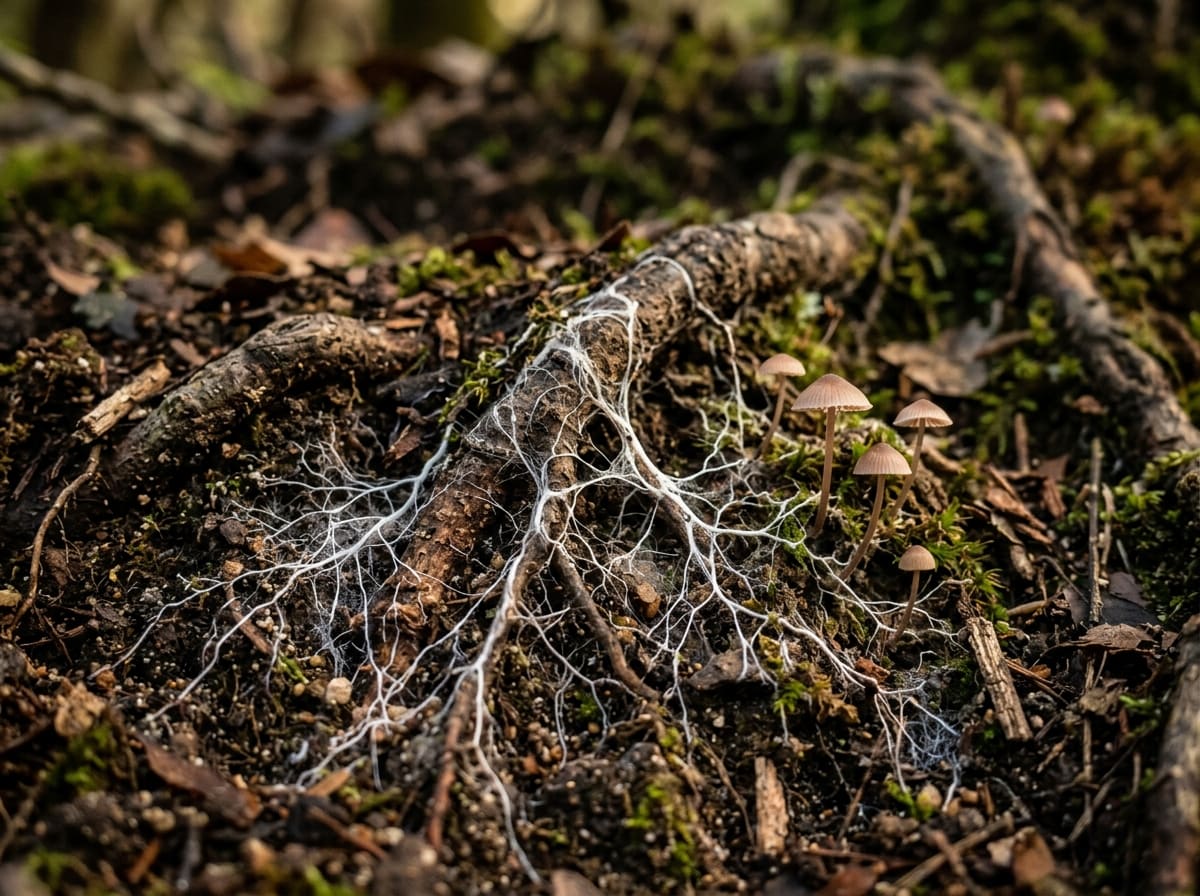
MycorrhizaThe underground partnership between roots and fungi: the fungi reach water and phosphorus, the plant returns sugars and vitamins.
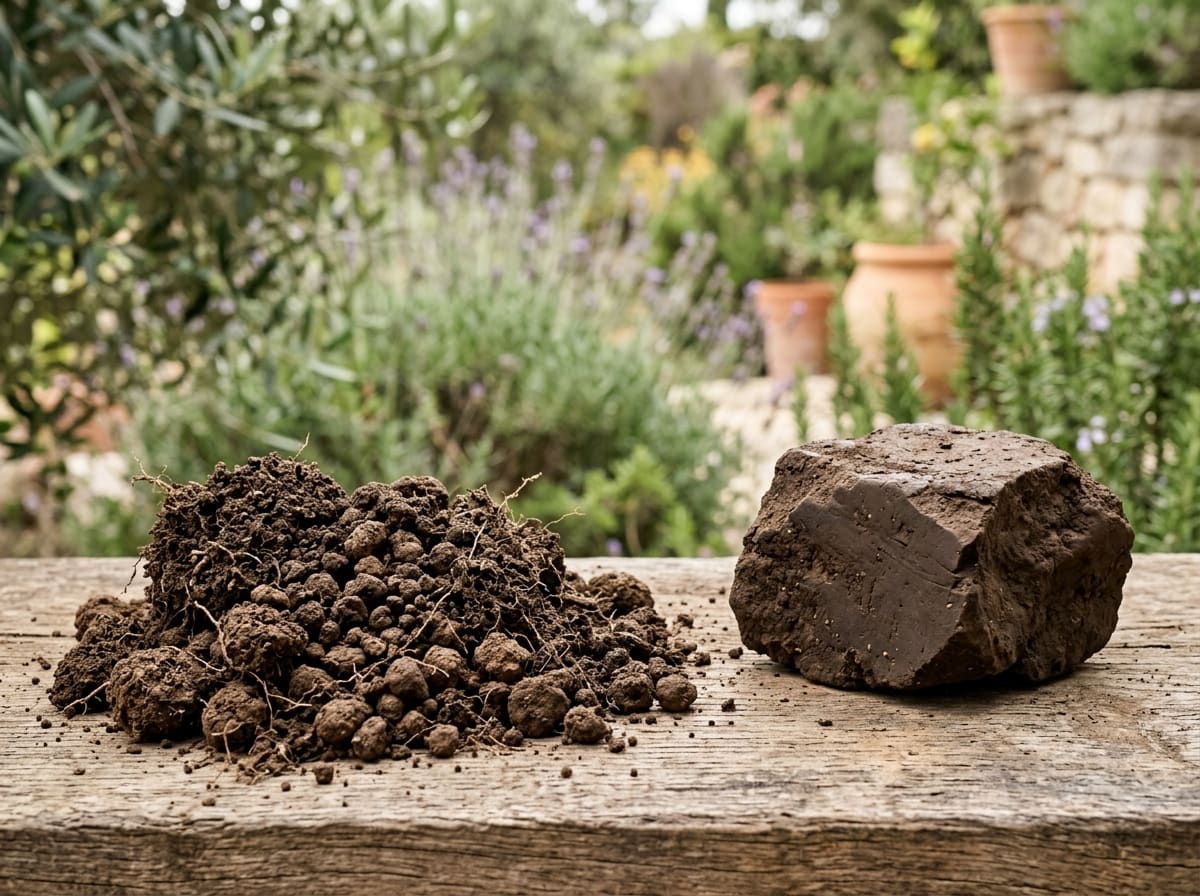
Soil StructureThe way soil particles are arranged into crumbs and the pores between them. It decides how a soil breathes, takes in water and lets roots through.
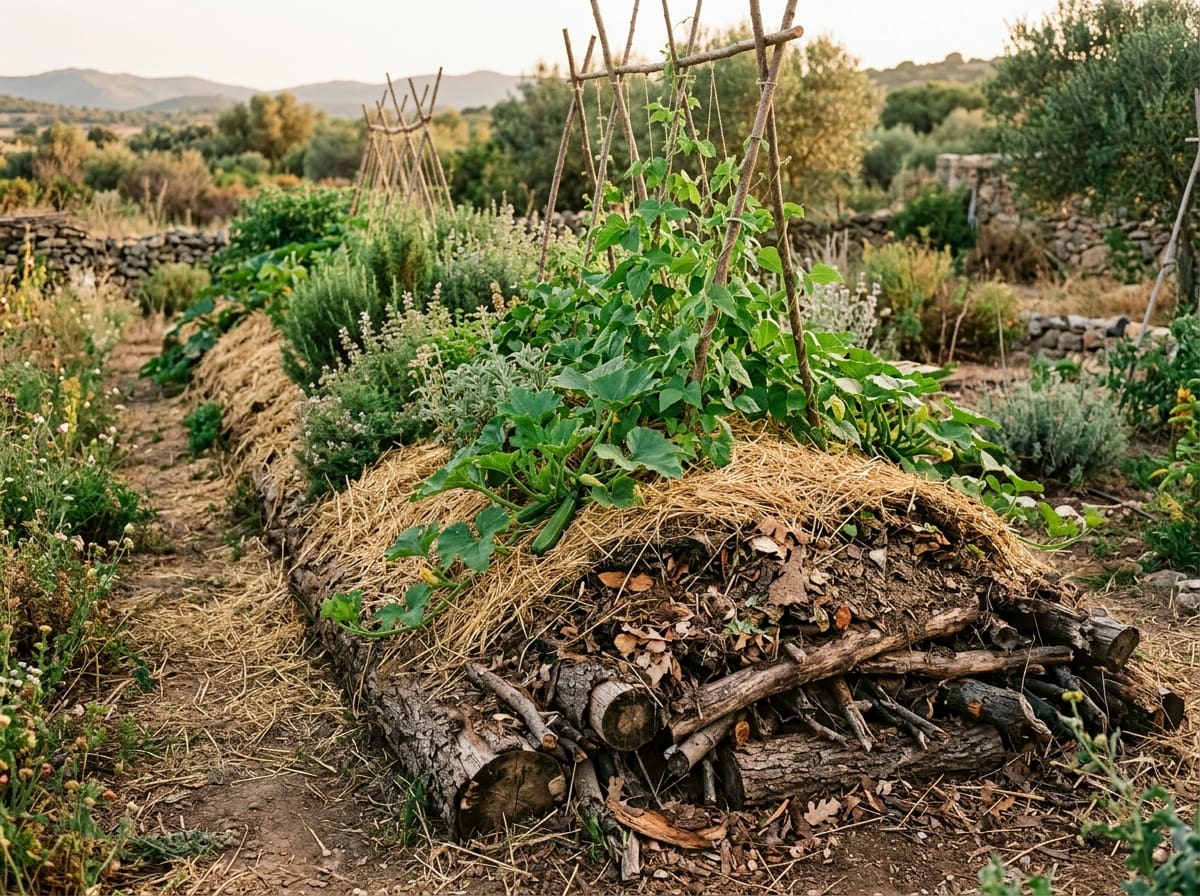
HügelkulturHügelkultur is a permaculture method: a raised bed over buried decaying wood that stores rainwater and slowly releases nutrients.
- 8
Chapter 8 · 10 pages
Plants and systems
Layers, guilds and succession: planting the way a forest grows.
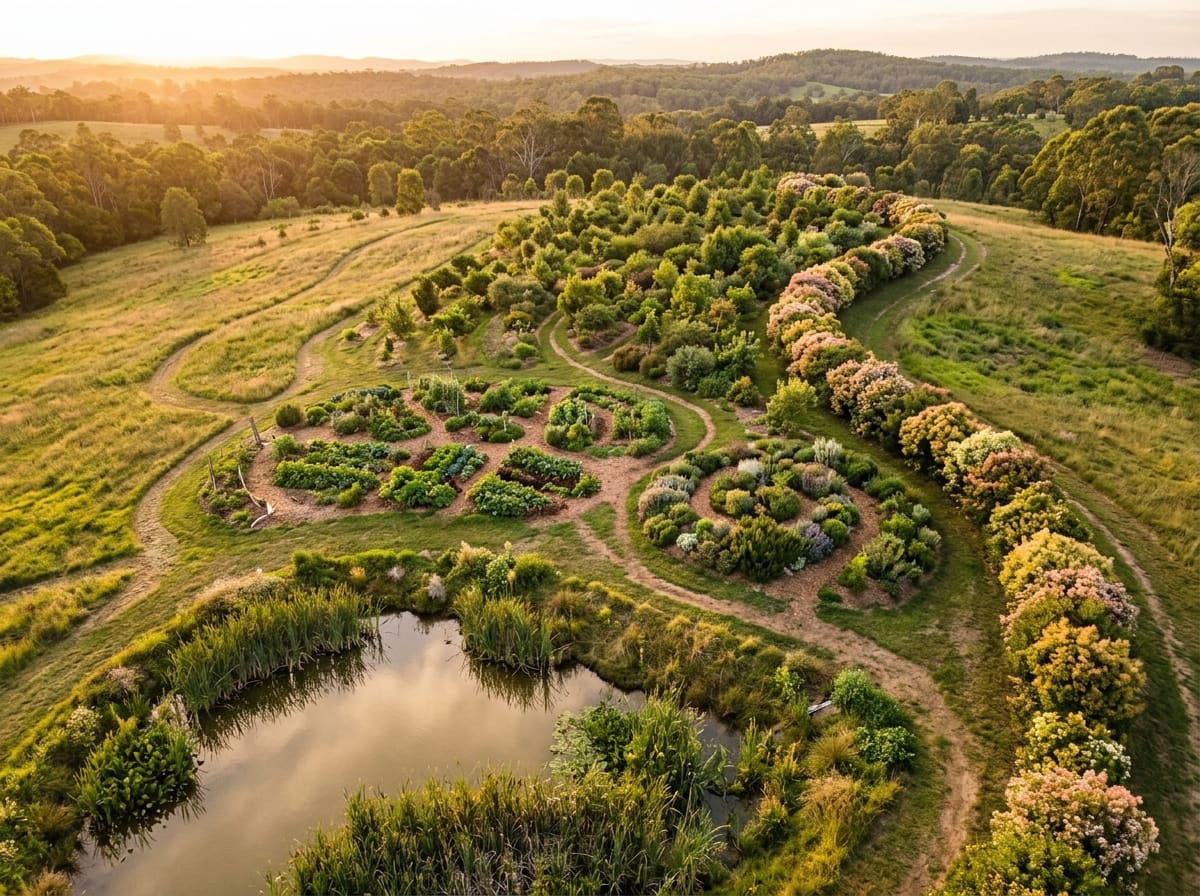
Open the chapter Food ForestA cultivated woodland of edible and useful plants arranged in layers, designed to work like a self-sustaining natural forest.
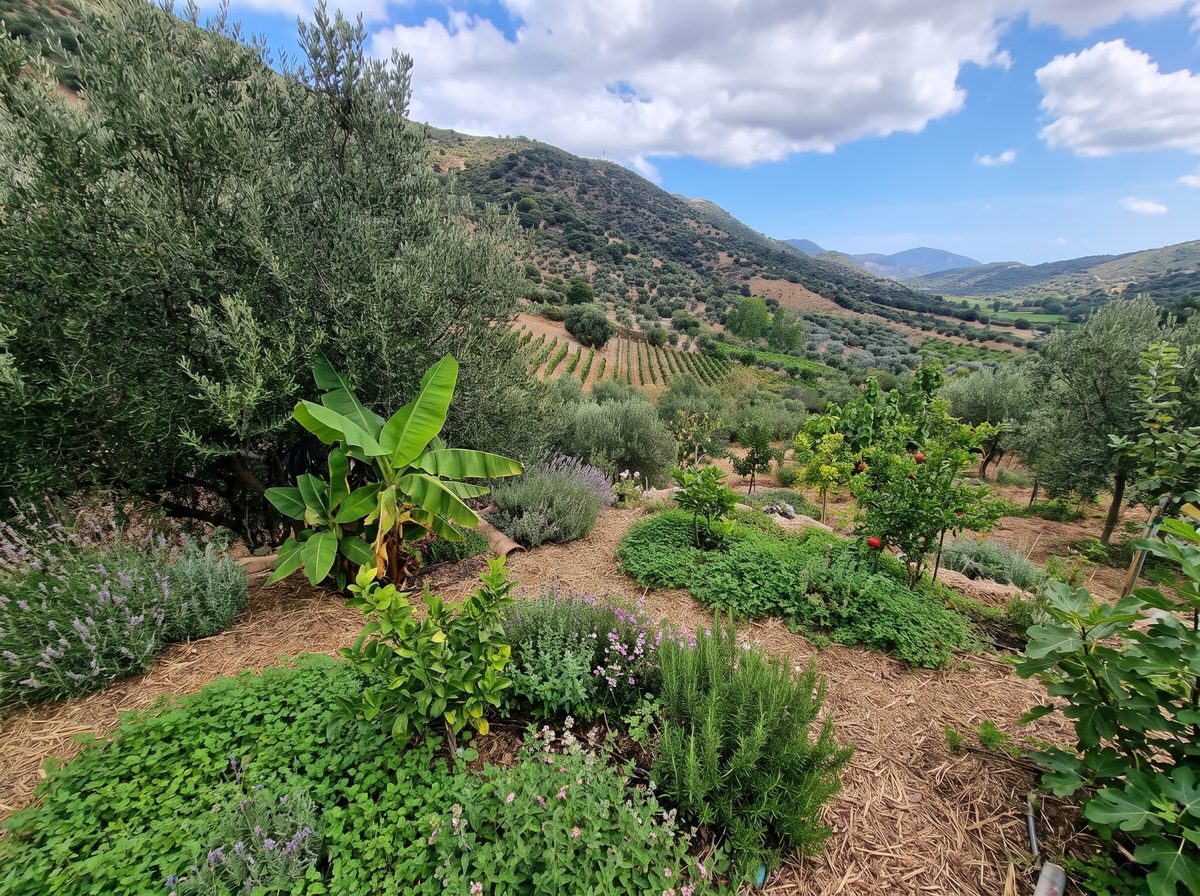
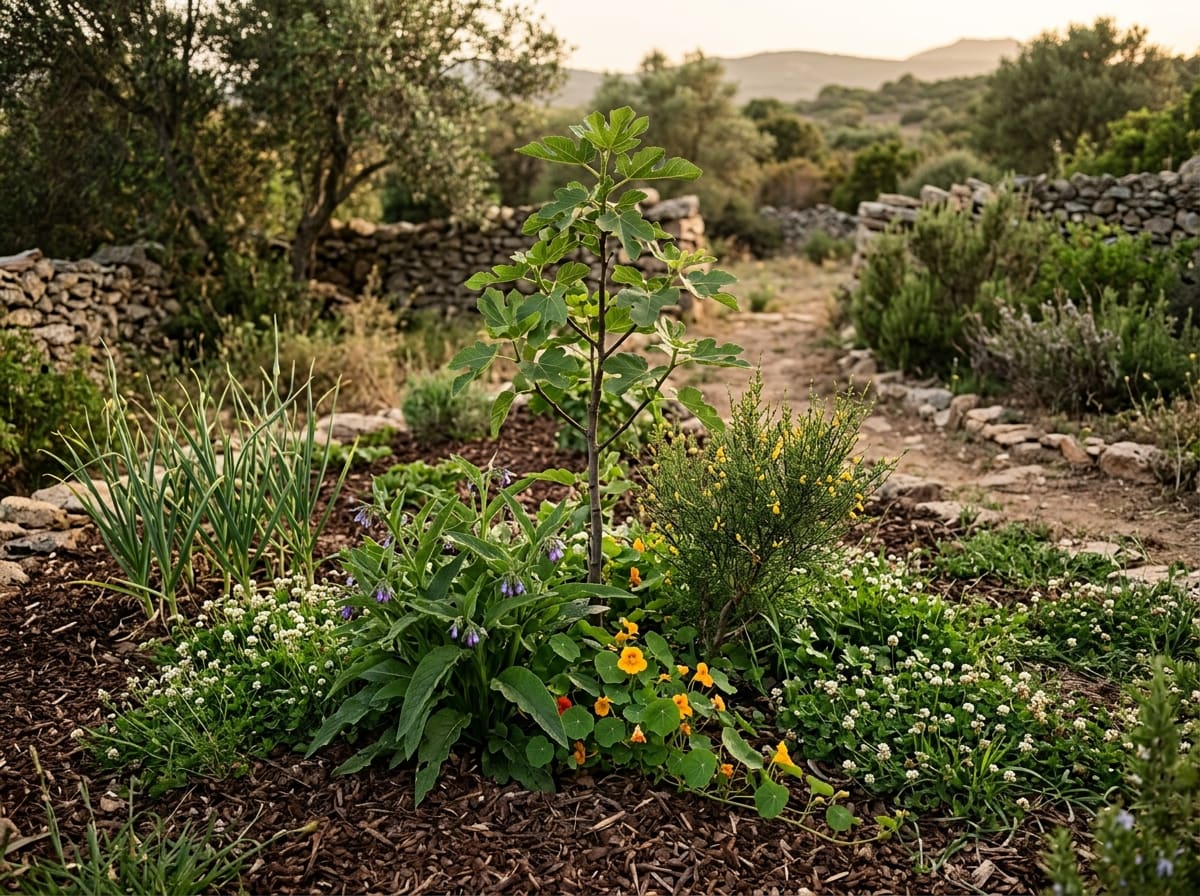
Plant GuildA mutually supportive grouping assembled around a central element, which may be a plant, an animal, or a structure such as a pond.
PolycultureGrowing several plant species together on the same ground at the same time, instead of a single crop in isolation.
AgroforestryA land-use system that deliberately combines trees and shrubs with crops or livestock on the same plot.
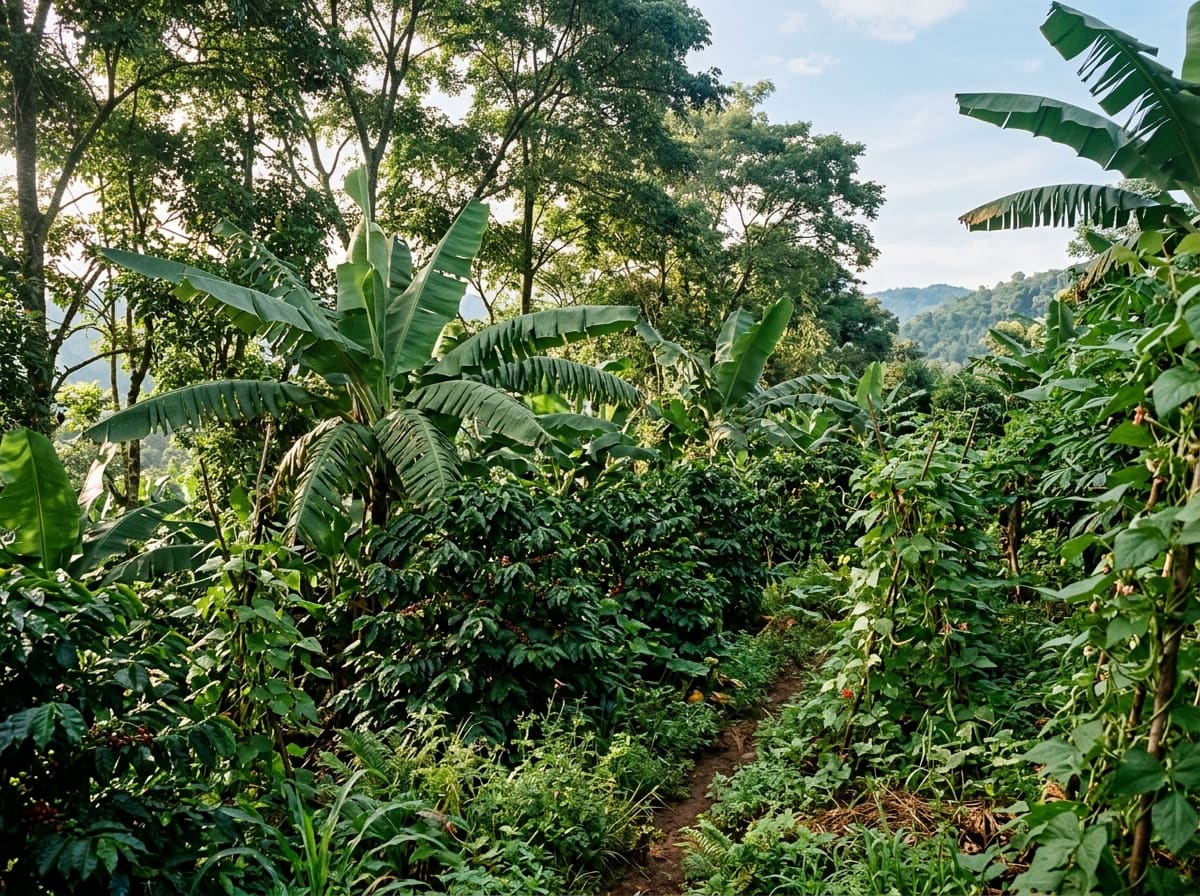
Syntropic AgricultureA regenerative farming method that grows food by accelerating natural forest succession, developed by the Swiss farmer Ernst Götsch in Brazil.
Ecological SuccessionThe gradual process by which the mix of species in an ecosystem changes over time, from pioneers toward a mature community.
Nurse TreesFast, hardy trees and shrubs that shelter young target trees through their first years, softening sun, wind and drought until the protégés stand alone.
Pioneer PlantsSpecies that colonise bare or damaged land first, making it habitable for everything that follows through their shade, roots and nutrients.
Nitrogen-Fixing PlantsPlants that host bacteria or actinobacteria able to convert atmospheric nitrogen into a form plants can use, fertilising the soil around them.
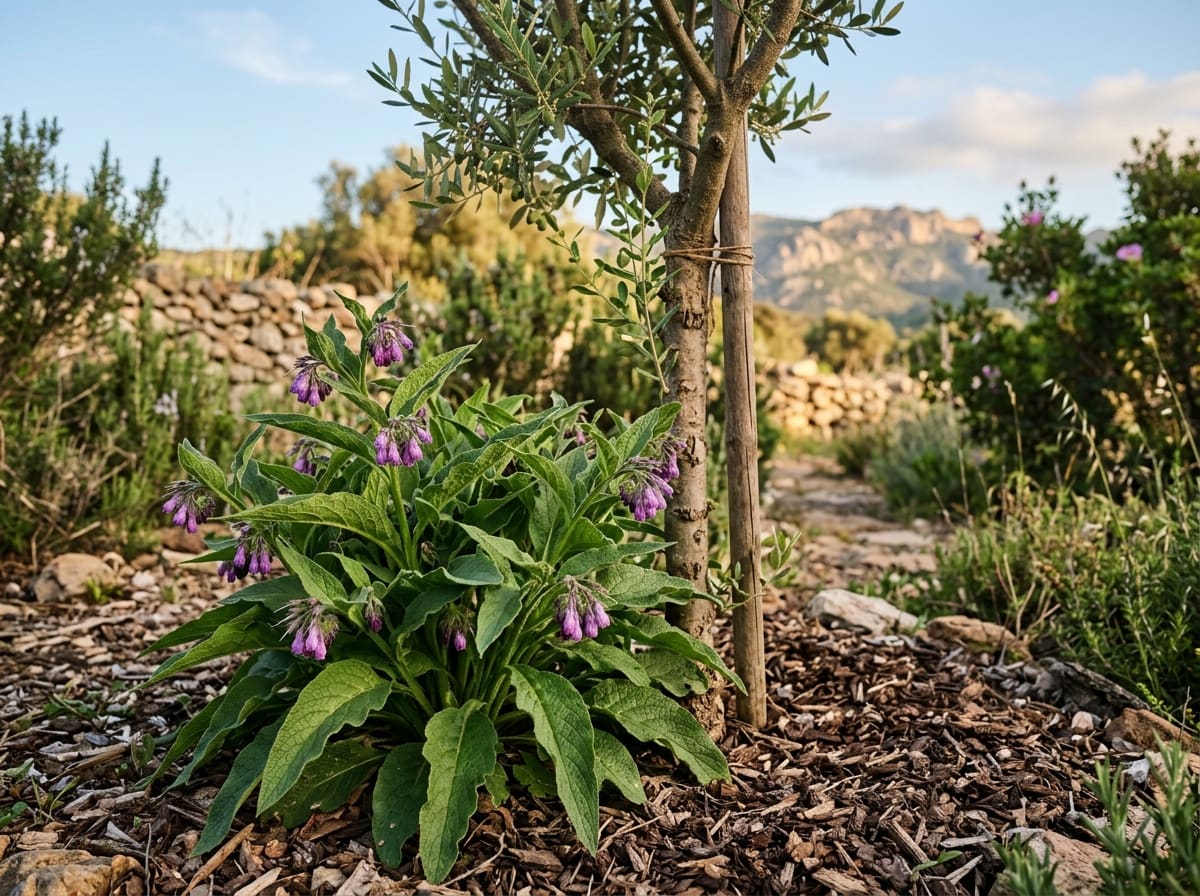
Dynamic AccumulatorA deep-rooted plant that draws minerals up from the subsoil and returns them to the surface through its leaves, feeding neighbouring plants.
- 9
Chapter 9 · 4 pages
Animals in the system
Grazing, scratching, pollinating: animals as partners of the land.
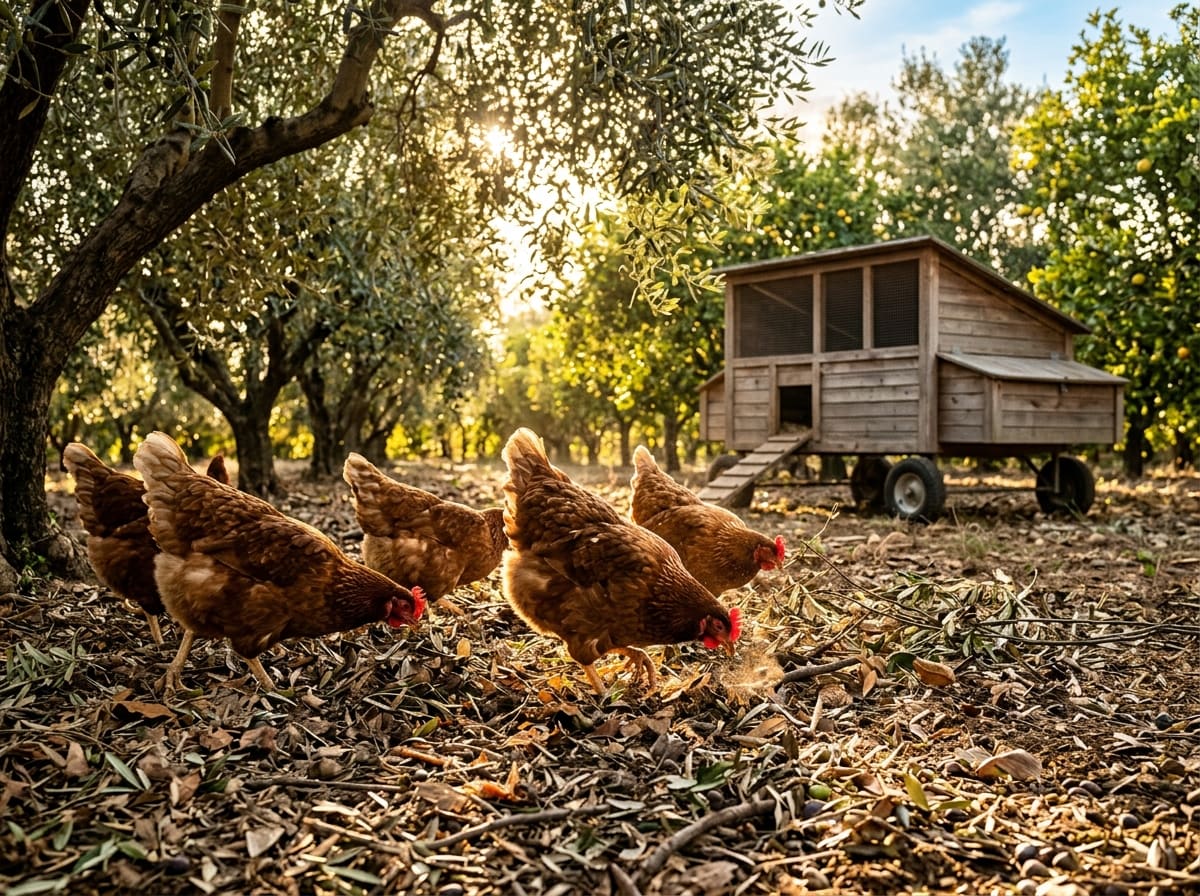
Open the chapter Chickens in the systemHens as part of a permaculture design: they scratch, eat pests and scraps, give manure and eggs, and need shelter, space and protection in return.
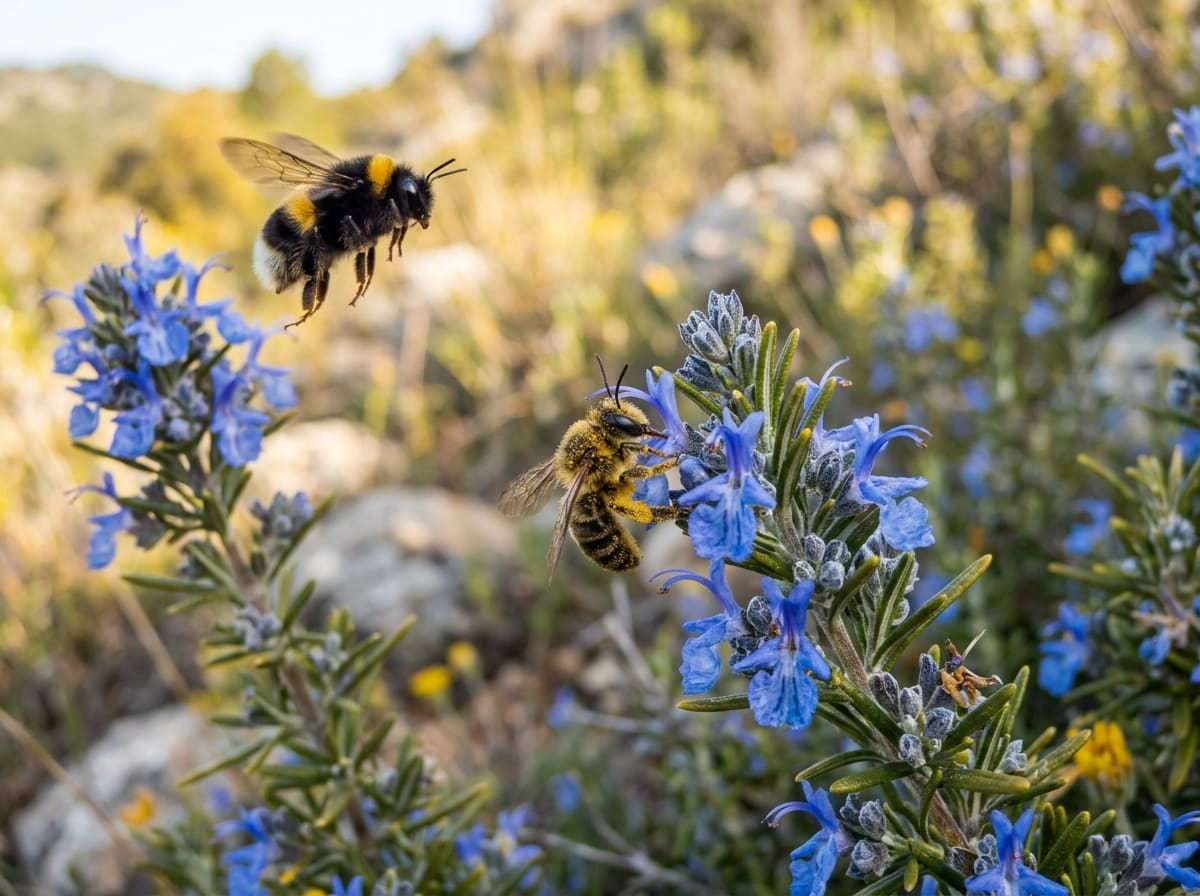
Bees and pollinatorsHoney bees, wild bees and other insects that carry pollen from flower to flower. A design gives them flowers all year, nest sites and no poisons.
Managed grazingGrazing in which animals use a small area for a short time and then move on, so that the grazed ground can rest and regrow before they return.
SilvopastureThe deliberate combination of trees, forage and grazing animals on the same ground, so that all three support one another.
- 10
Chapter 10 · 8 pages
Closing the cycles
Water, nutrients, carbon, energy, material and seed: where cycles break and how to close them.
Open the chapter Cycle thinking in permacultureThe permaculture view of land as linked loops of water, nutrients, carbon, material and seed, all of them driven by sunlight.
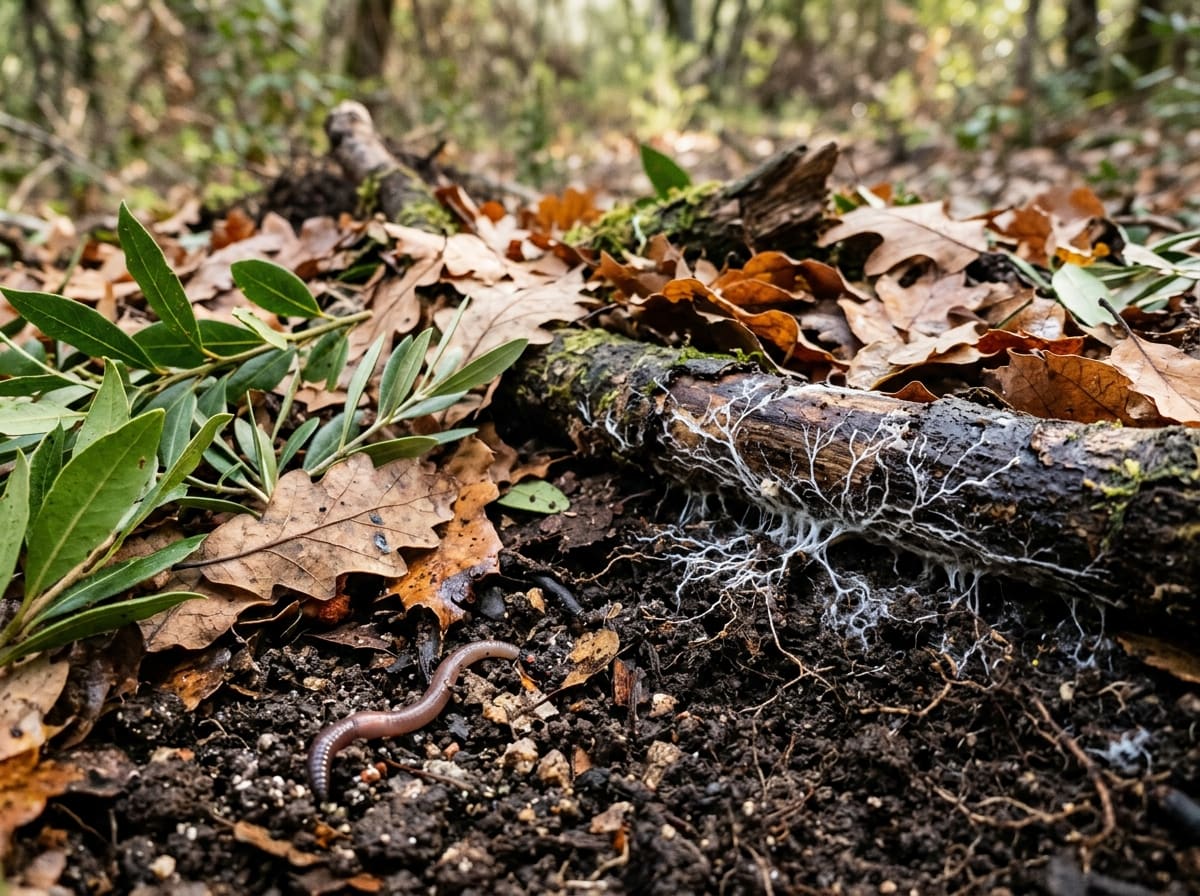
The Water CycleThe path of water from rain through soil, plants and air back to rain. On land it stays closed only where water is held, soaks in and is passed on by plants.
The Nutrient CycleThe path of nitrogen, phosphorus and other nutrients from air and rock through plants, animals and soil life back to the roots.
Carbon and humusThe path of carbon from the air through leaves, roots and soil life into humus and back, where land use breaks it, and how it can be closed again.
Energy: The Flow That Drives EverythingThe one-way path of sunlight through leaves, plants, animals and soil life until it leaves as heat. Energy does not circle; it drives every cycle that does.
Biomass and materialThe loop of plant matter from growth through pruning, harvest and soil cover to decay and humus, where it is broken by burning and removal, and how to close it.
The Seed CycleThe path from flower and pollination through ripe seed, dispersal and the soil seed bank to a young plant that flowers again, a little better adapted.
Composting toiletA toilet without flushing water in which excreta are covered with dry material and slowly turned into a hygienic soil amendment through rotting and storage.
- 11
Chapter 11 · 6 pages
People and community
Rehumanisation: the place of people inside the cycles, and what communities can do together.
Open the chapter RehumanizationRestoring the human being as a conscious, caring participant in the living world: the human counterpart to ecological restoration.
The three ethics of permacultureThe three values at the root of permaculture: care for the earth, care for people and fair share, which sets limits and passes on surplus.
Invisible structuresThe parts of a design you cannot see on the map: how land is held, how decisions are made, how work, money and goods flow and how knowledge is passed on.
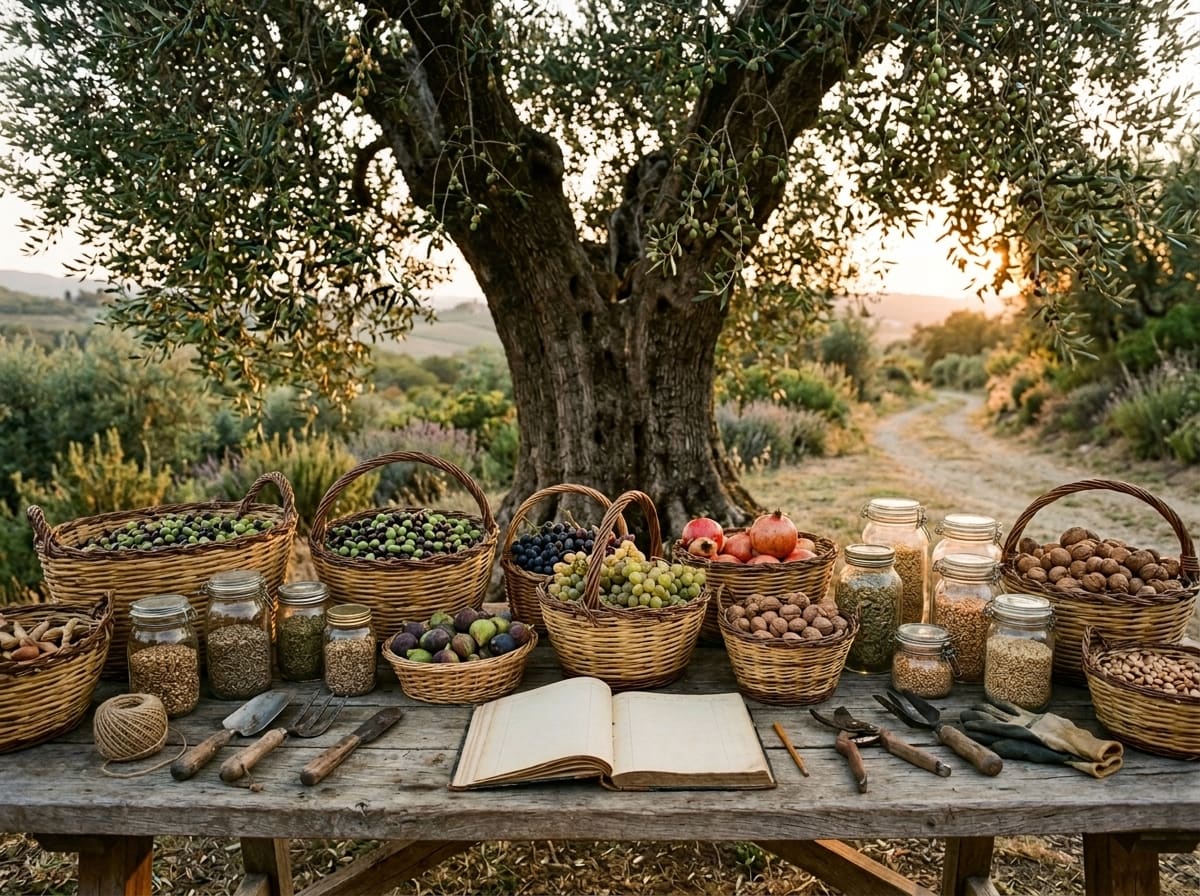
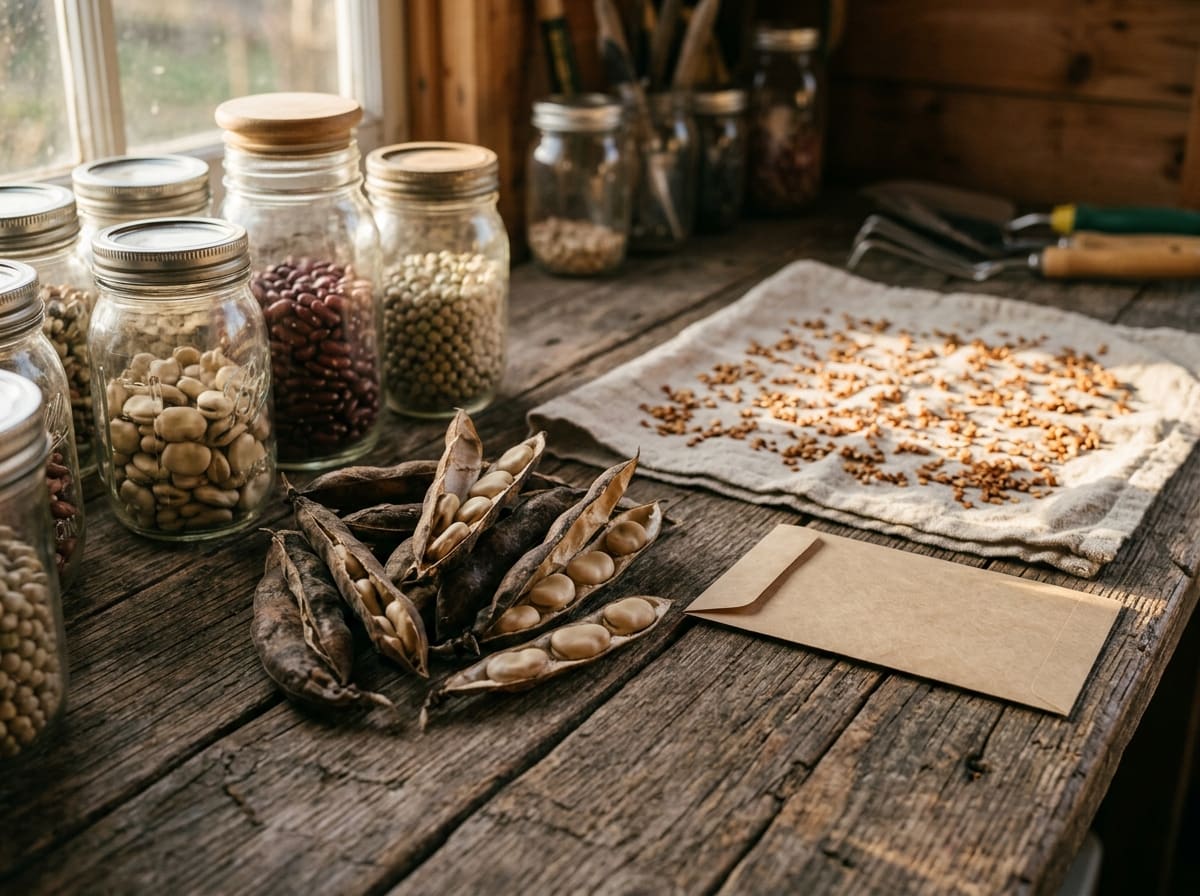
Seed saving and exchangeGrowing seed from your own plants, drying and storing it so it keeps, and passing it on, so that varieties stay alive and adapt to the place.
TameraLiving and research community in Portugal's Alentejo, best known for the water retention landscape it has built since 2007 to keep rain on the land.
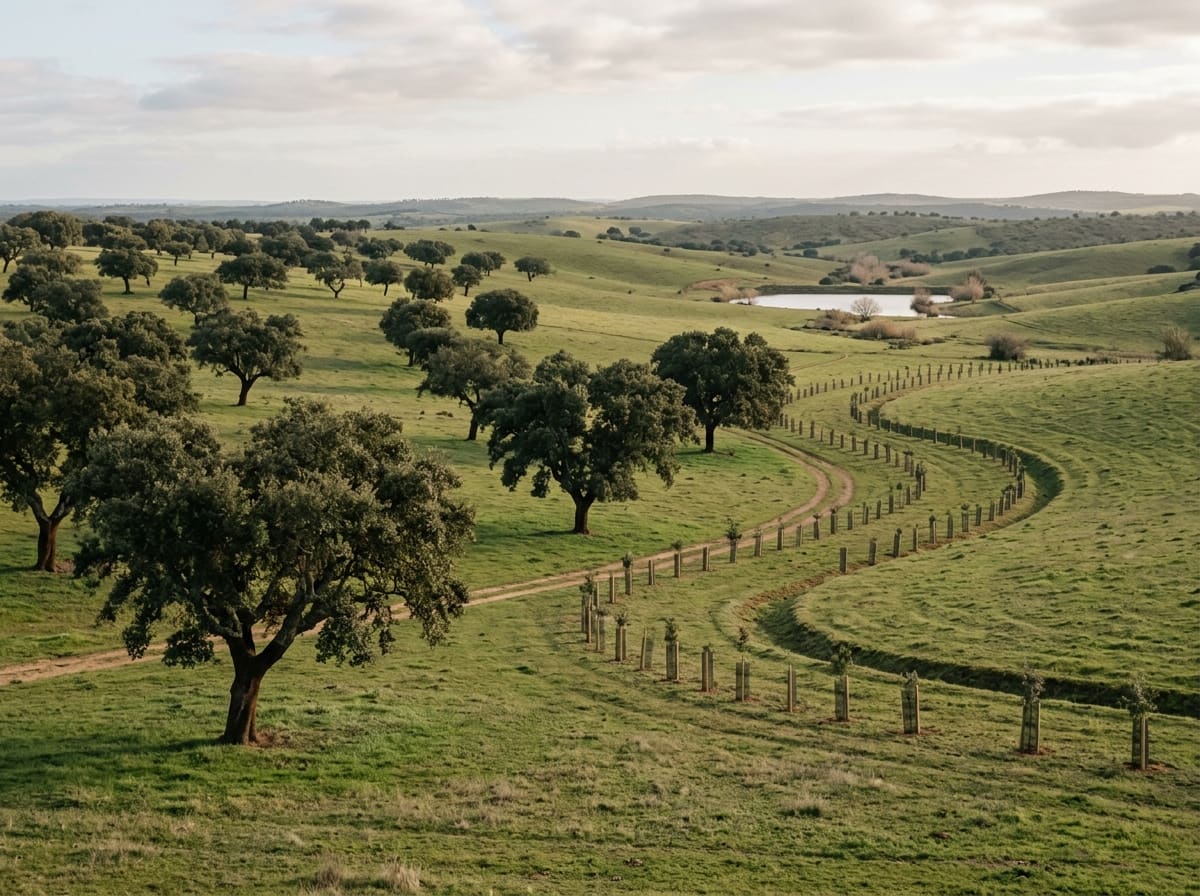
Herdade do Freixo do MeioOrganic estate of 584 hectares in Portugal's Alentejo that renews the montado oak landscape with keyline lines, small retention basins and agroforestry.
- 12
Chapter 12 · 8 pages
Healing land at large scale
From the Sahel to the Mediterranean: how whole landscapes turn green again.
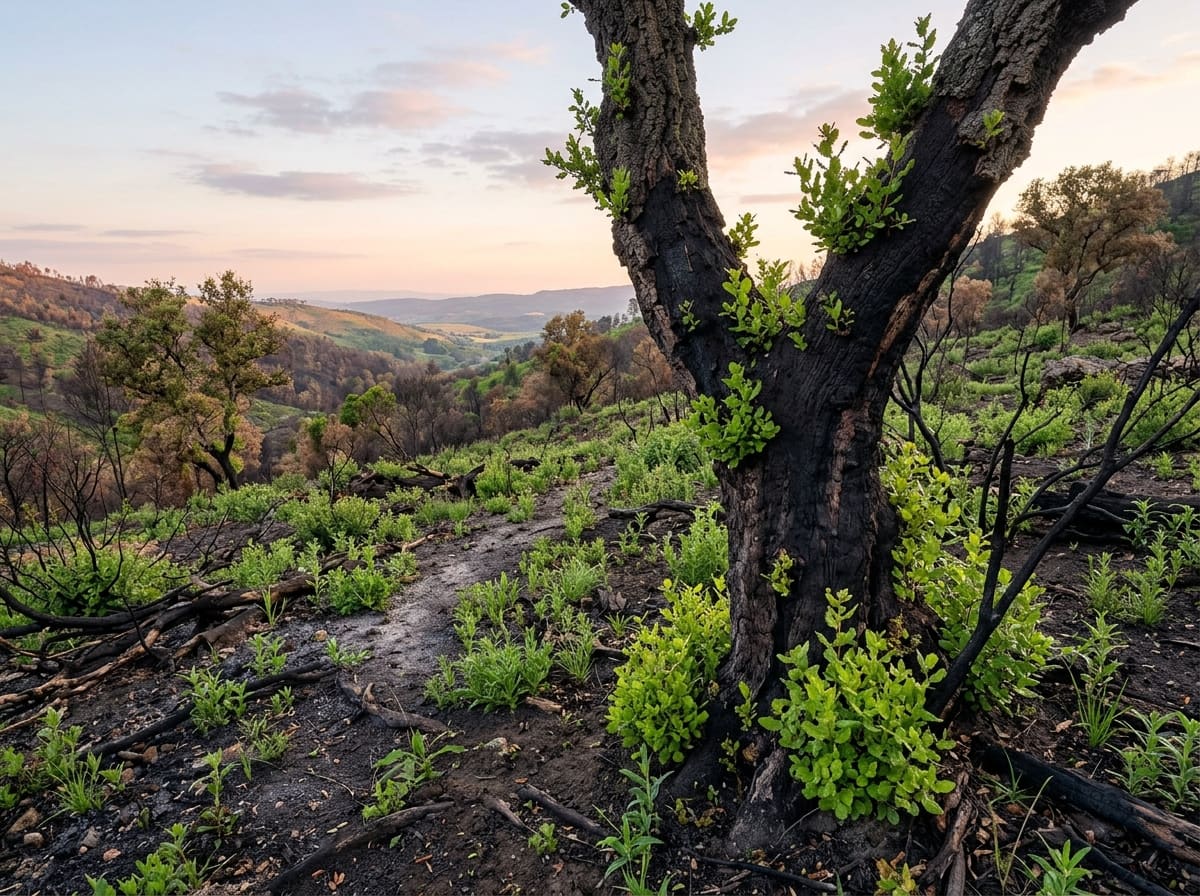
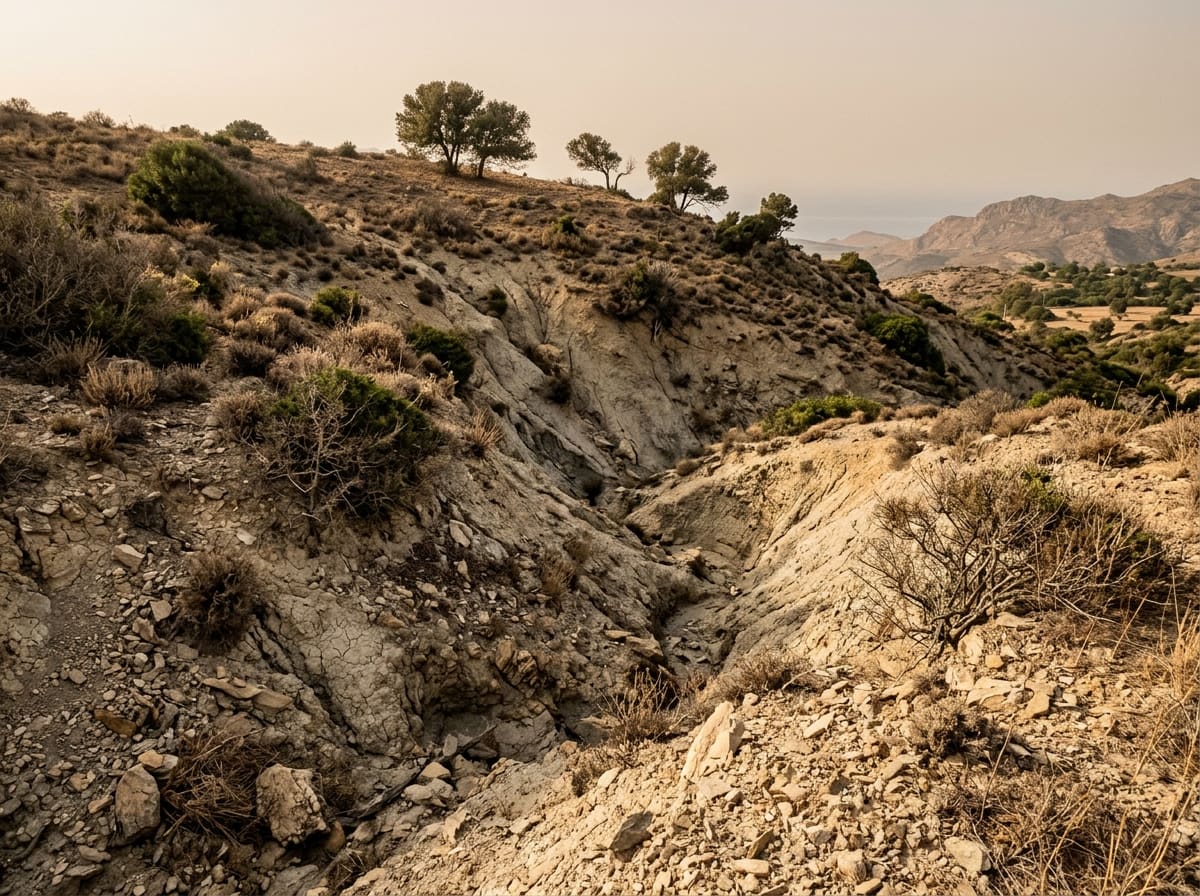
Open the chapter Regreening & Reversing DesertificationBringing living vegetation and fertility back to land that has dried out or degraded, halting and reversing the slide toward desert.
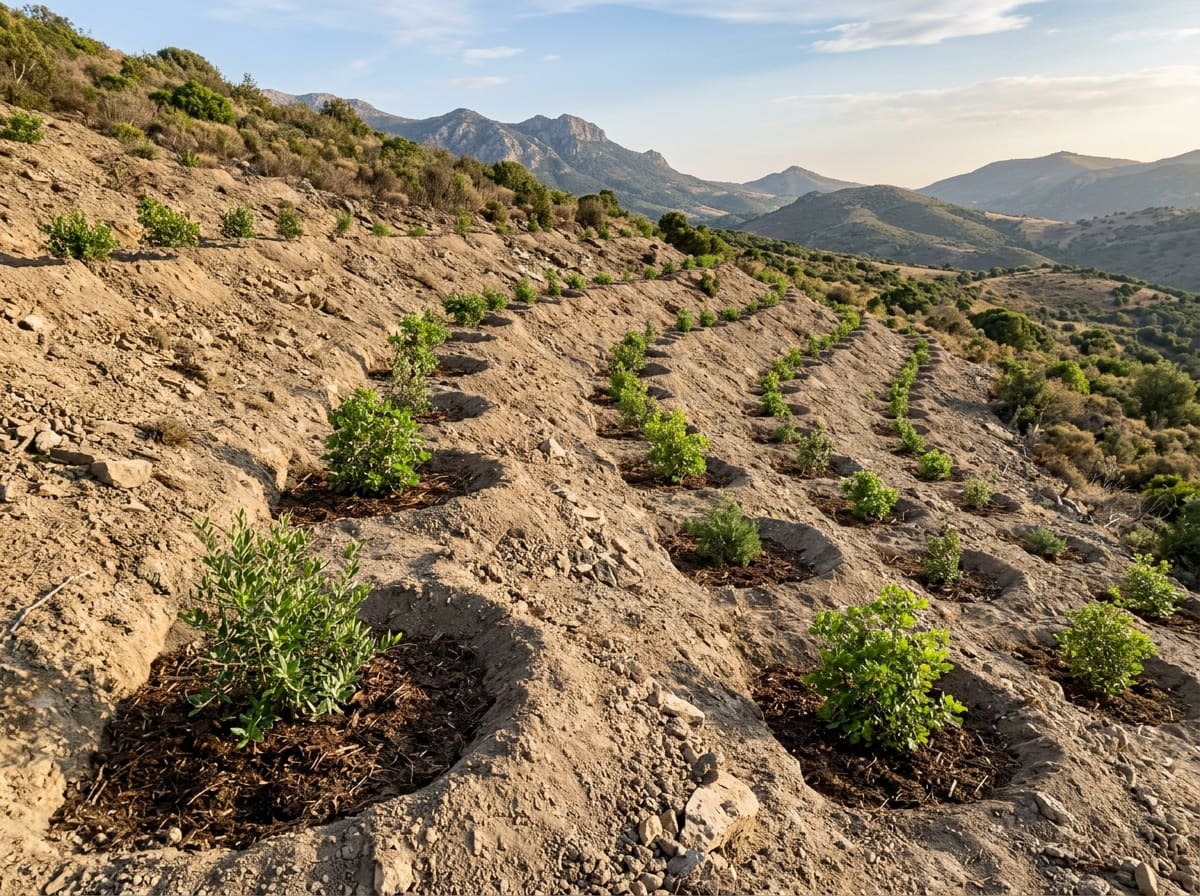
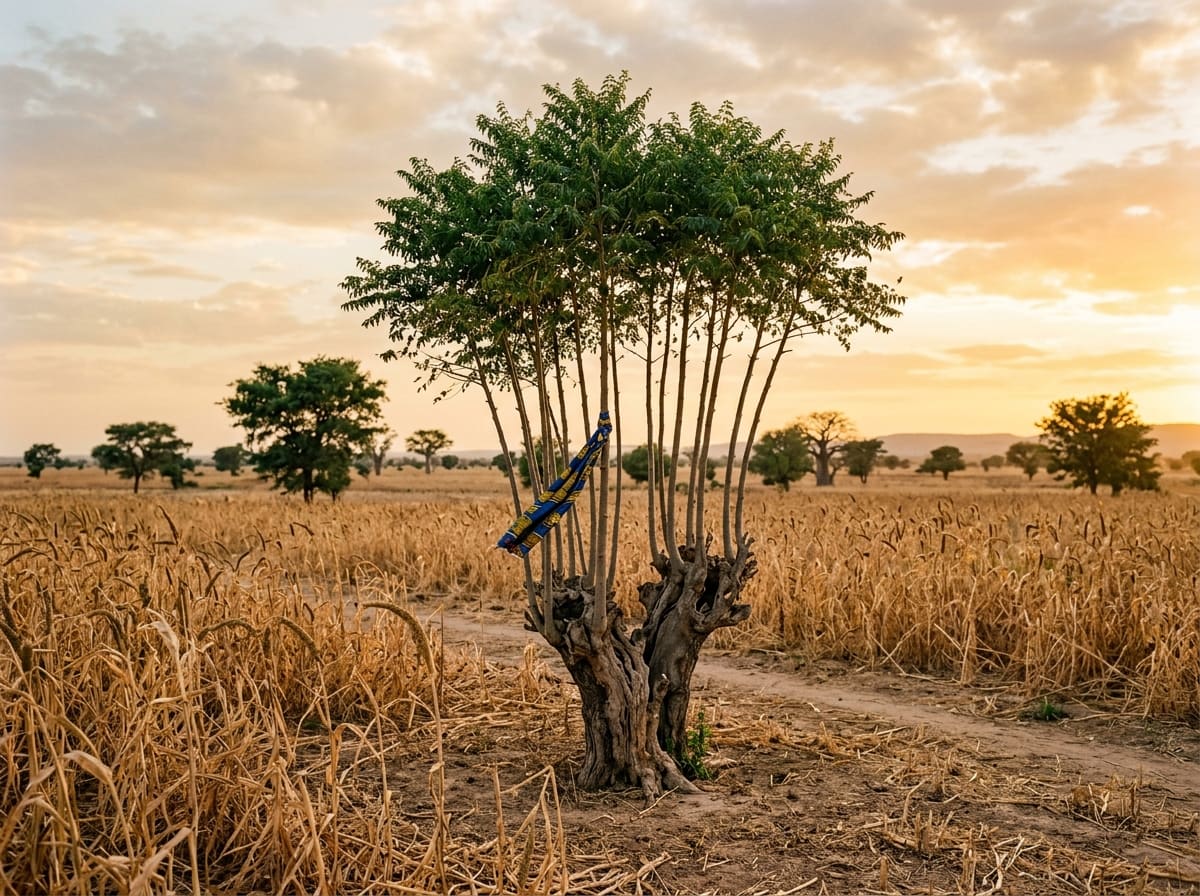
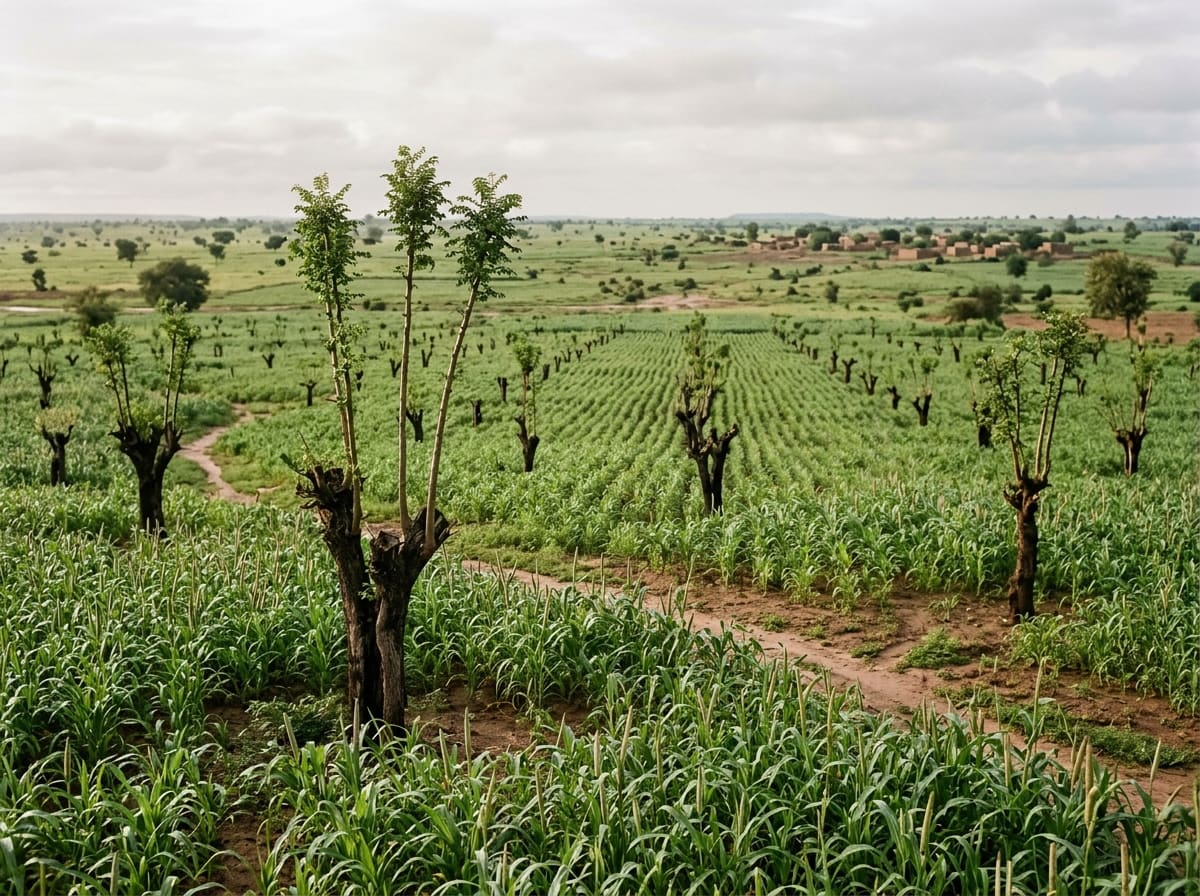
Farmer managed natural regeneration (FMNR)Letting trees grow back from the living stumps, roots and seeds already in a field: farmers choose strong shoots, prune them and protect them.
DesertificationThe creeping loss of fertile land in dry regions: soil loses its humus, water and life until it can barely carry anything at all.
Ecological RestorationThe practice of assisting the recovery of ecosystems that have been degraded, damaged or destroyed, so they regain health, function and resilience.
Yacouba SawadogoFarmer from Burkina Faso who improved the traditional zaï planting pits, grew a forest on barren land and taught the method to thousands.
Tony RinaudoAustralian agronomist who discovered the 'underground forest' of living tree stumps in Niger and spread farmer-managed natural regeneration worldwide.
Wangari MaathaiKenyan biologist who founded the Green Belt Movement, had women plant millions of trees and received the Nobel Peace Prize in 2004.
Reconciliation EcologyThe practice of fostering biodiversity inside landscapes people actively use, rather than only inside protected areas set aside from them.
Your travel passport
For every chapter whose pages you have all read, you receive a stamp. With all the stamps, the certificate “The Permaculture Journey” awaits you at the end. Your reading progress stays in your browser.
0 of 12 stamps