

Chapter 12 of 12
Healing land at large scale
From the Sahel to the Mediterranean: how whole landscapes turn green again.
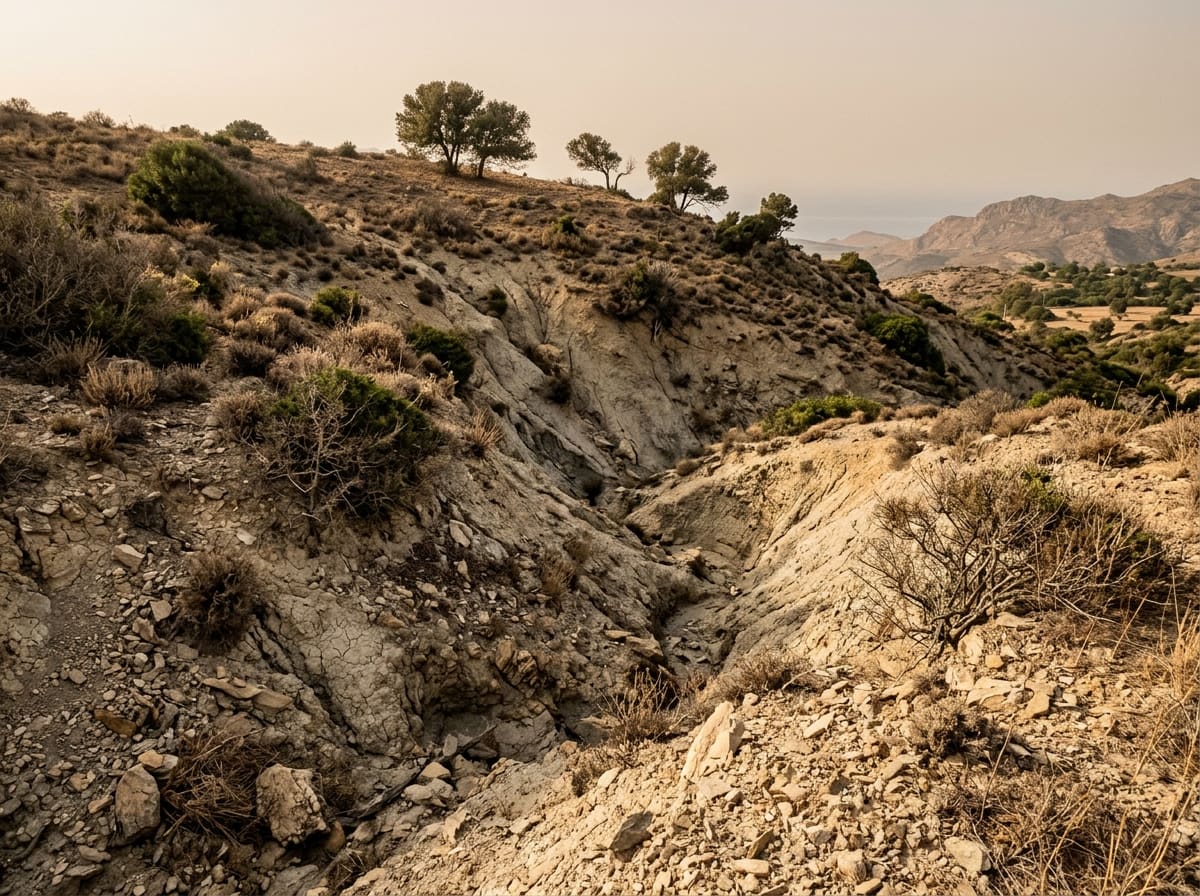
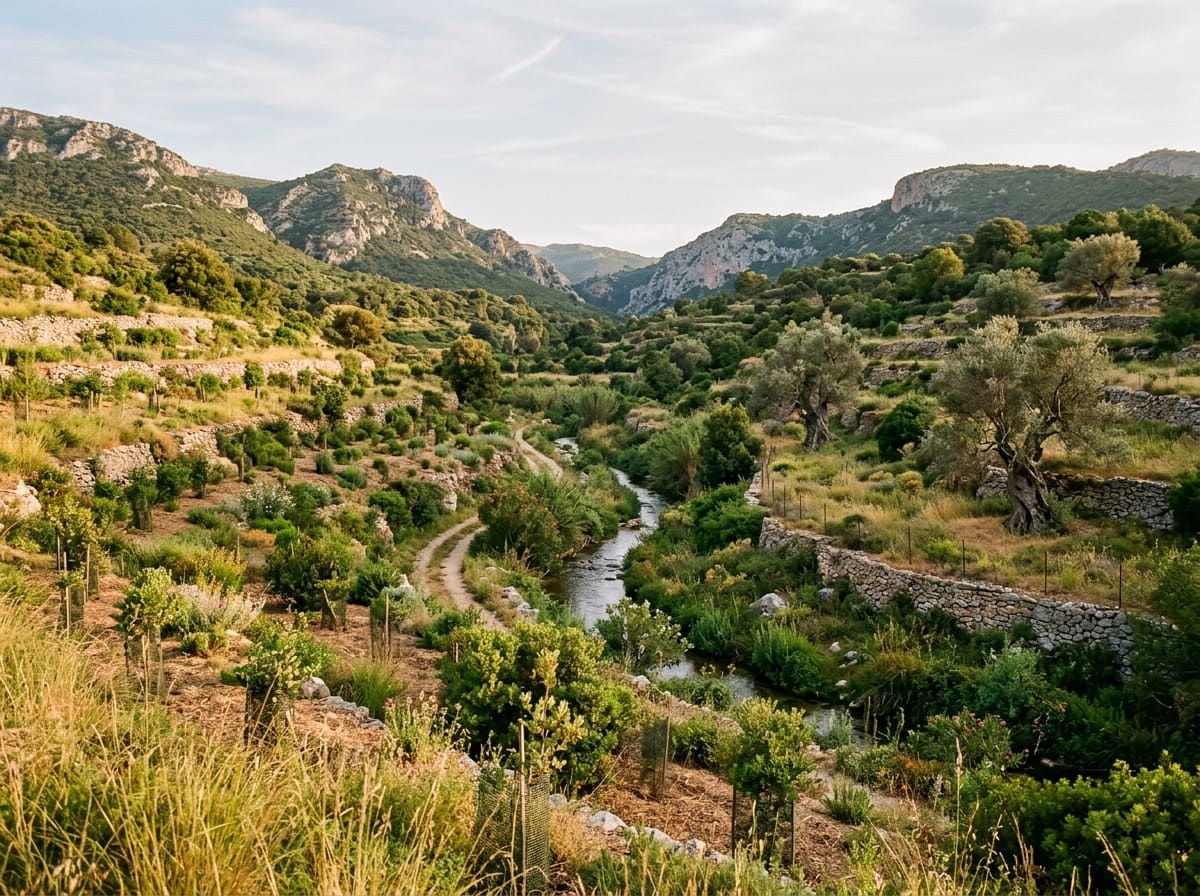
0 of 8 pages read. Read them all for the stamp in your travel passport.What works in a garden can work across a whole landscape. Desertification is the creeping loss of fertile land in dry regions, as the soil loses its humus, its water and its life. Regreening reverses that slide and brings vegetation and fertility back to land that has dried out or degraded. Ecological restoration assists damaged ecosystems until they regain health, function and resilience, and reconciliation ecology fosters biodiversity inside the landscapes people use every day, not only in protected areas.
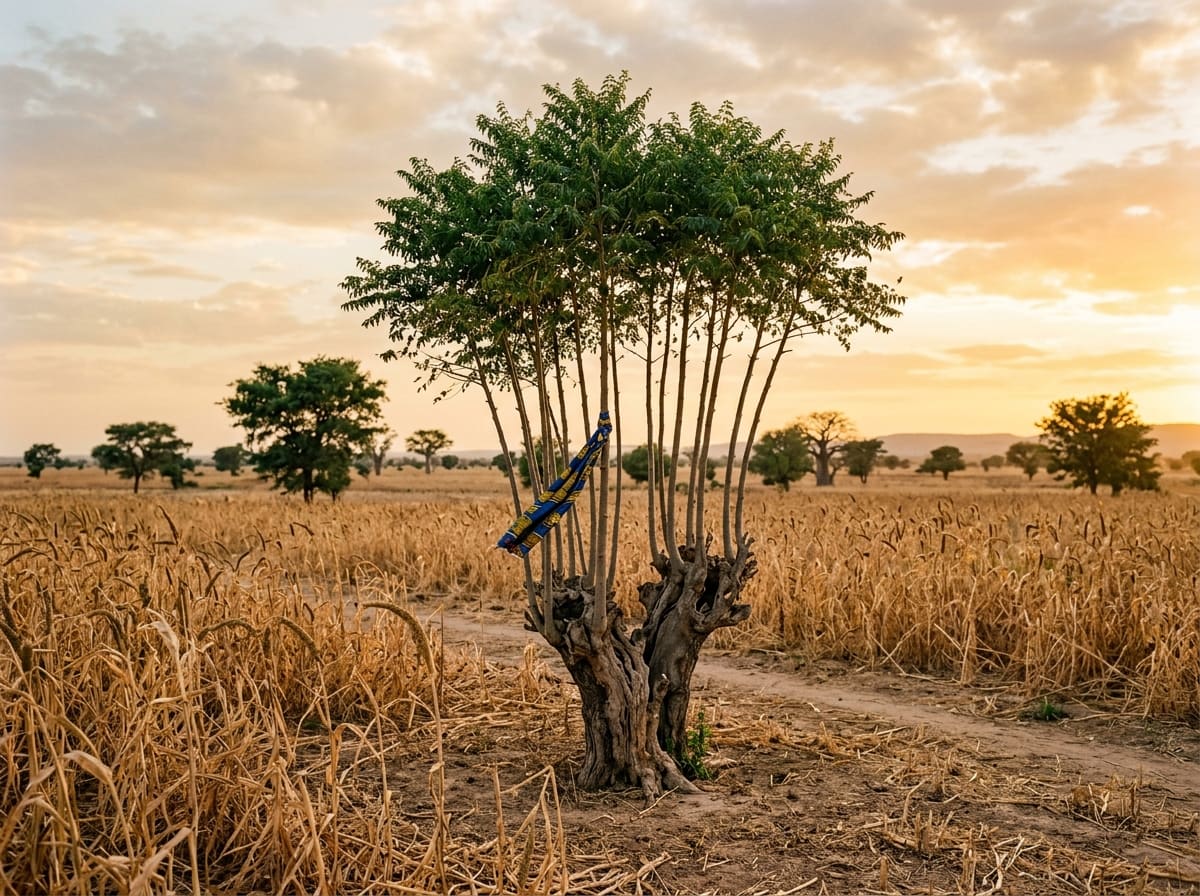
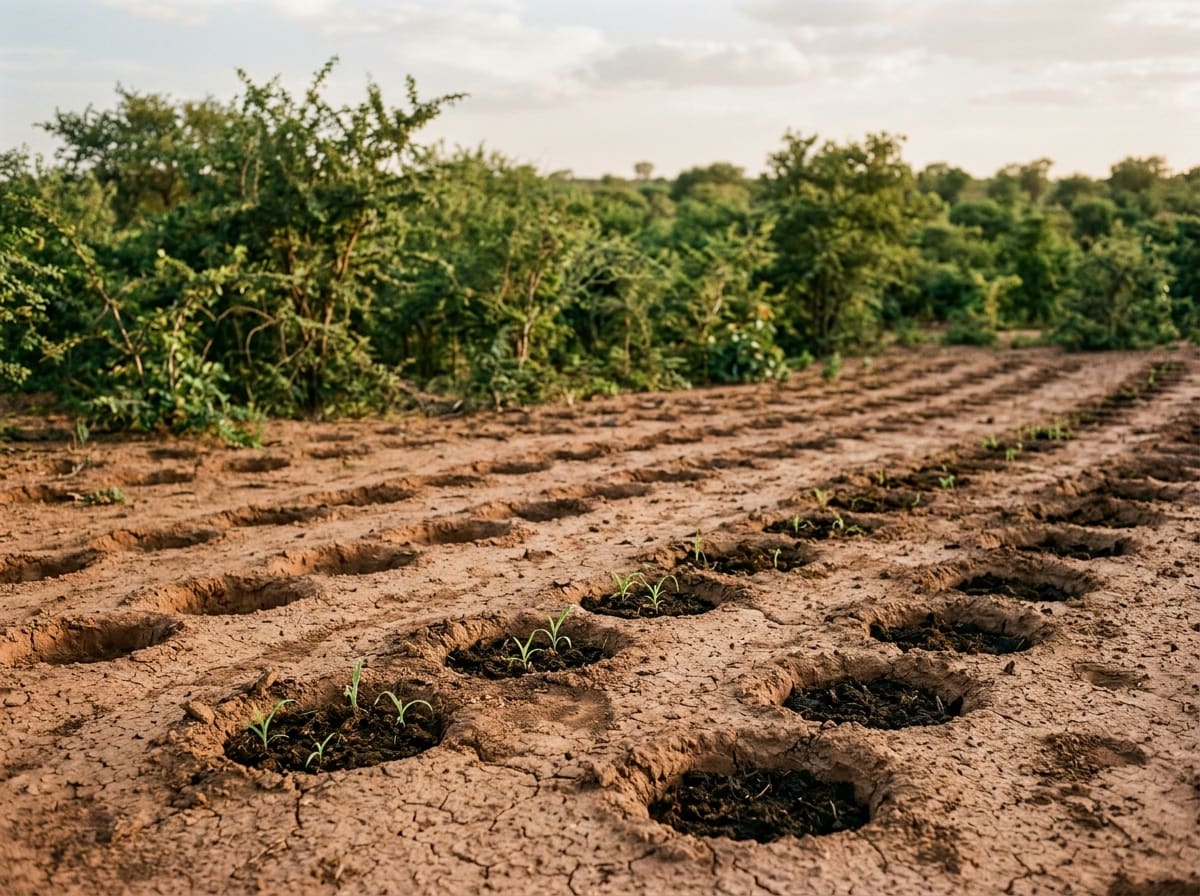
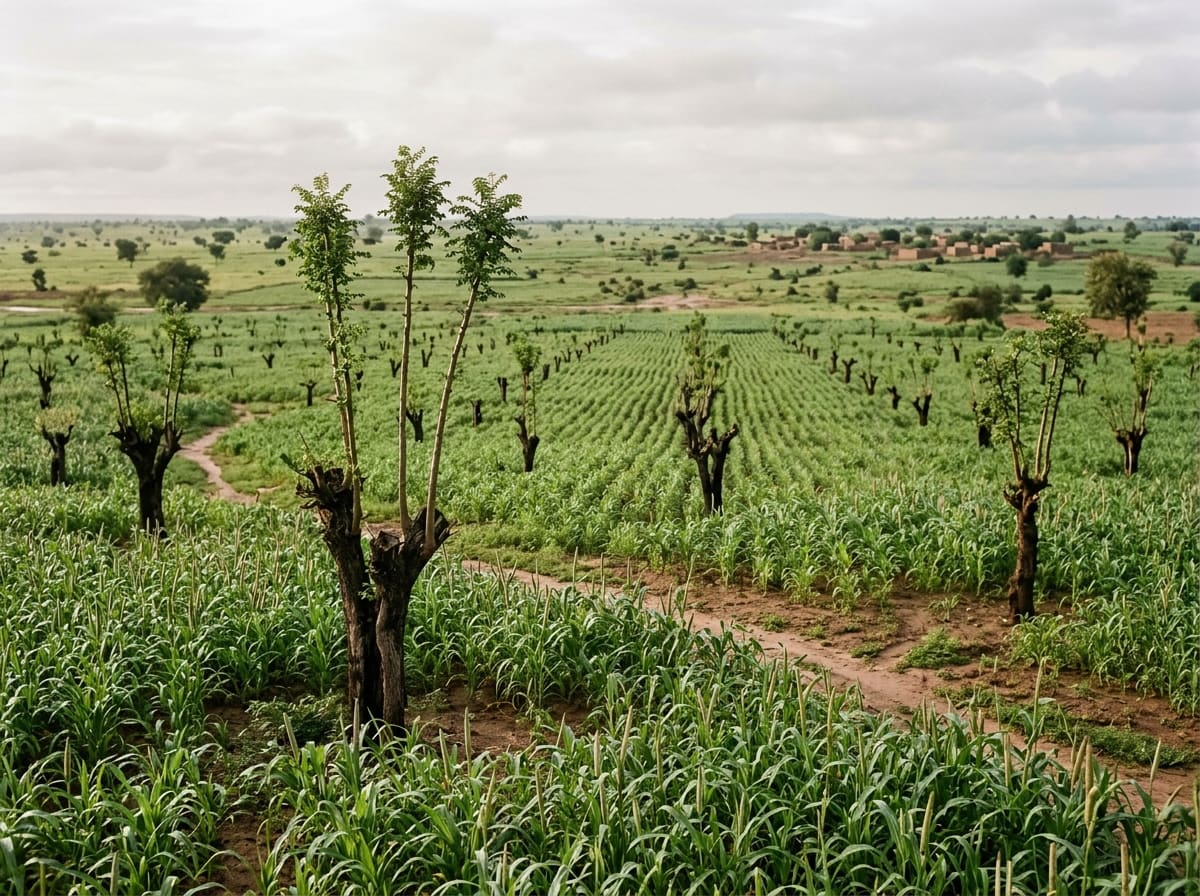
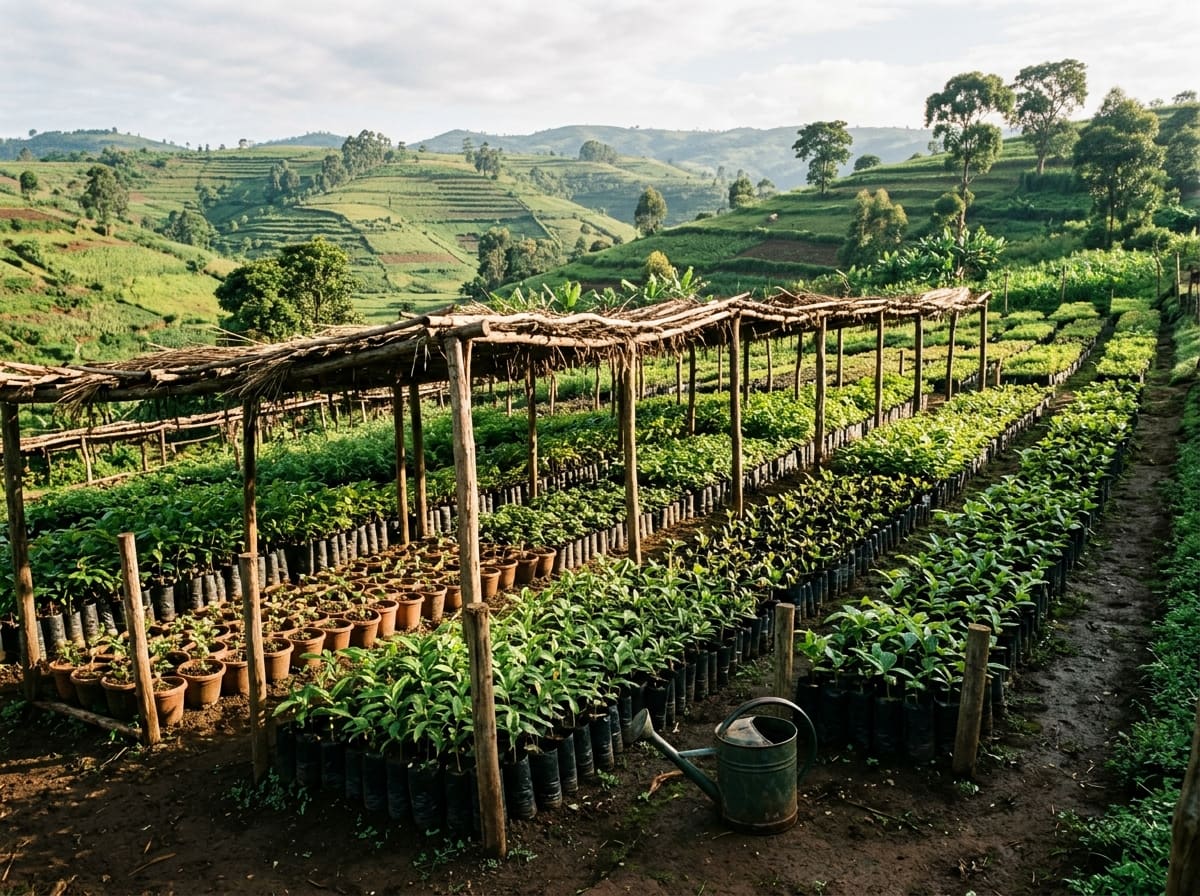
The journey ends here because this is where the small steps add up. Much of this work is tied to the names of individual people. Yacouba Sawadogo, a farmer from Burkina Faso, improved the traditional zaï planting pits, grew a forest on barren land and taught the method to thousands. Tony Rinaudo discovered an underground forest of living tree stumps in Niger and spread farmer-managed natural regeneration around the world. Wangari Maathai founded the Green Belt Movement in Kenya, through which women planted millions of trees, and received the Nobel Peace Prize in 2004.
The pages below tell their stories and explain the methods, from the single planting pit to the regreening of whole regions.
Pages in this chapter


Try it yourself
What comes back by itself
- 1On a walk, find a piece of ground that nobody tends: an unmown verge, a fallow plot or a gap in the pavement. Look at it from the path.
- 2Note which plants grow there and roughly how much of the soil they cover.
- 3Look for young woody plants: seedlings, or shoots growing from an old stump.
- 4Come back after a month or a season and note what has changed.
- 5Ask yourself what this spot would look like if it were simply left in peace for ten years.
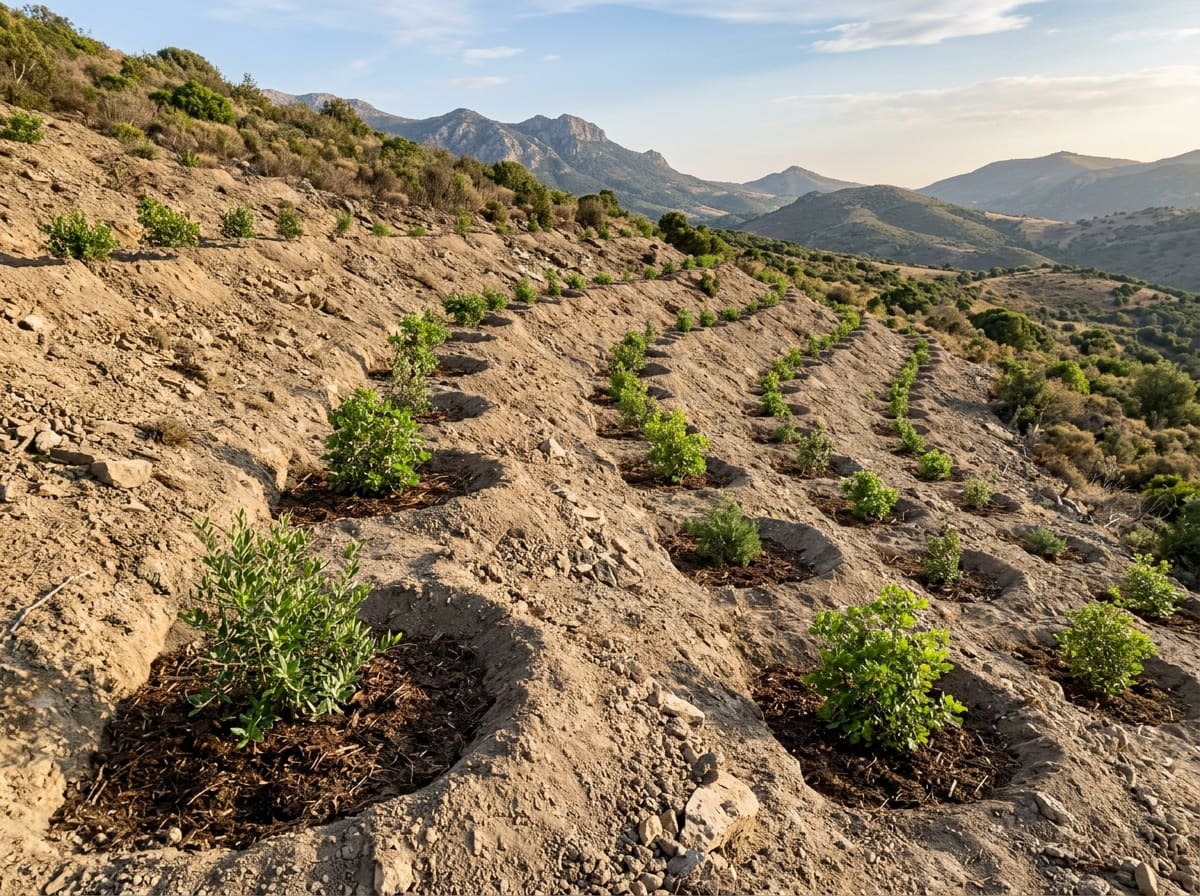
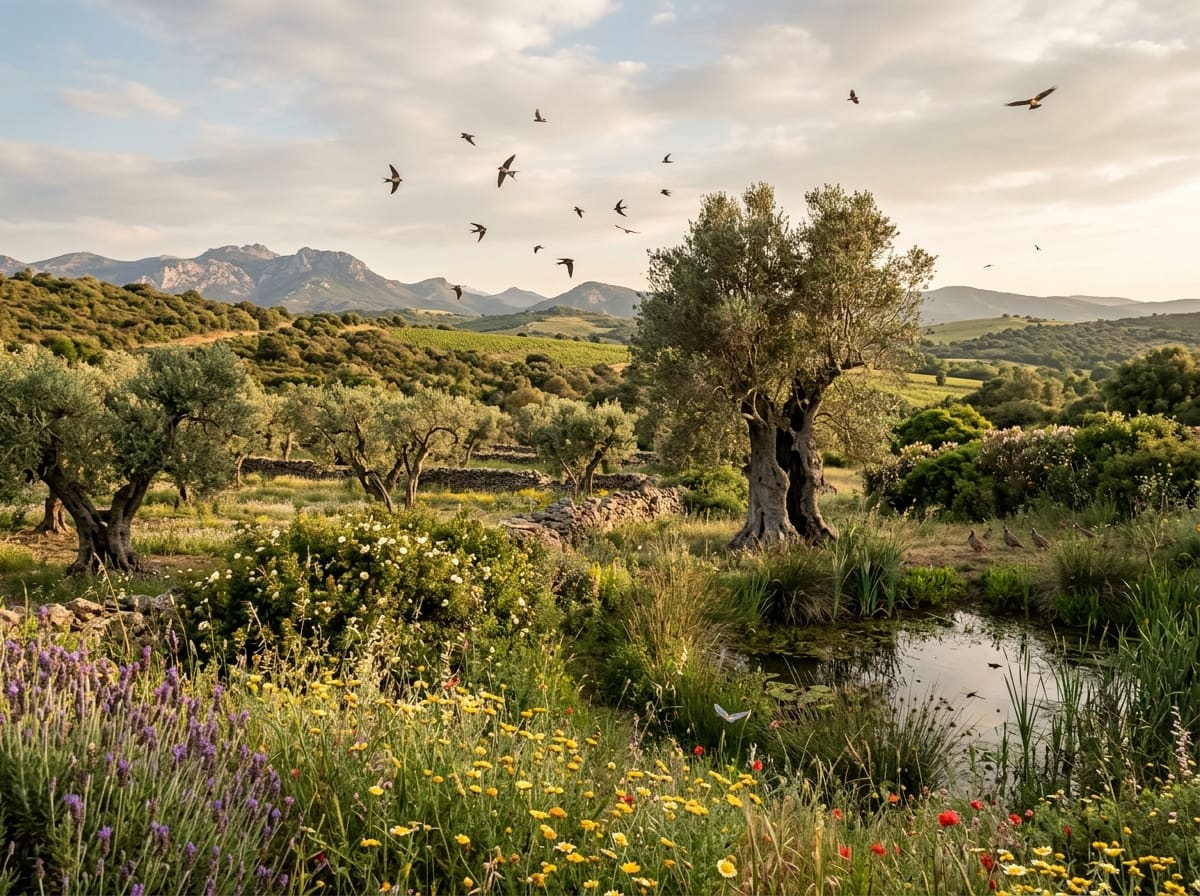
At Sa Medada
Sa Medada lies in Ogliastra on the eastern side of Sardinia, on an island where a large share of the land appears on the desertification risk maps. Regreening there starts with plants that ask little, such as Tephrosia and Leucaena, nitrogen fixers that cope with little water and a lot of sun. The service tree, the first tree planted there, has stood on a very hot south-facing slope since 2024 and is thriving.