
In brief
The path of nitrogen, phosphorus and other nutrients from air and rock through plants, animals and soil life back to the roots.
How nutrients circulate in nature
A forest is never fertilised, and yet it grows for centuries. The reason is a cycle that loses very little. Nutrients enter it from two sources. Nitrogen comes from the air, where it is abundant but useless to plants until bacteria turn it into ammonium, many of them living in the root nodules of legumes and other nitrogen fixers. Phosphorus, potassium, calcium, magnesium and the trace elements come from rock, released grain by grain as it weathers.
Roots take these nutrients up, helped by mycorrhizal fungi whose threads reach into pores far too fine for any root and trade phosphorus and water for sugar. The plant builds them into leaves, wood, fruit and seed. Then they fall: leaves to the ground, fruit to animals, whose dung and eventually bodies land on the soil as well. There the soil food web takes over. Bacteria, fungi, mites, springtails and earthworms break everything down and release the nutrients again in a form roots can use. What is not taken up at once is held in humus, which binds nutrients and gives them back slowly over years.
How tight this loop is became visible in a famous experiment at Hubbard Brook in the north-eastern United States. Researchers measured what the streams carried out of forested catchments and found only small losses. When one catchment was cleared and kept free of regrowth, the loss of nitrate in its stream rose sharply. Without living roots to catch them, the nutrients that the forest had cycled for decades simply washed away.
Tap a station to see the techniques that close the cycle there.
New nutrients come from the air and from rock. Root-nodule bacteria fix nitrogen, while deep roots and weathering rock supply minerals.
- Nitrogen-Fixing PlantsPlants that host bacteria or actinobacteria able to convert atmospheric nitrogen into a form plants can use, fertilising the soil around them.
- RhizobiaSoil bacteria that live inside root nodules and turn air nitrogen into plant food there: the smallest fertiliser factories in the world.
- Dynamic AccumulatorA deep-rooted plant that draws minerals up from the subsoil and returns them to the surface through its leaves, feeding neighbouring plants.
- Biological Soil CrustA living skin on open dry ground, made of cyanobacteria, algae, lichens and mosses. It binds the surface and protects it against wind and water.
Fungi and roots trade sugar for nutrients. The fungal network reaches phosphorus and trace elements that a root alone cannot get to.
- MycorrhizaThe underground partnership between roots and fungi: the fungi reach water and phosphorus, the plant returns sugars and vitamins.
- PolycultureGrowing several plant species together on the same ground at the same time, instead of a single crop in isolation.
- Plant GuildA mutually supportive grouping assembled around a central element, which may be a plant, an animal, or a structure such as a pond.
Growing plants build nutrients into leaves, wood and fruit. The more plant matter grows, the more can later be returned.
- Biomass PlantsFast-growing plants grown above all for their cuttings: pruned again and again, they supply mulch and organic matter for the soil on the spot.
- Green ManurePlants grown on purpose to feed the soil: often a mix of legumes and grasses, cut at flowering and left on the ground as biomass and nitrogen.
- Syntropic AgricultureA regenerative farming method that grows food by accelerating natural forest succession, developed by the Swiss farmer Ernst Götsch in Brazil.
- Food ForestA cultivated woodland of edible and useful plants arranged in layers, designed to work like a self-sustaining natural forest.
- AgroforestryA land-use system that deliberately combines trees and shrubs with crops or livestock on the same plot.
What falls or is cut carries the nutrients back to the soil. If it stays on the ground, the circle closes on the spot.
- MulchA layer of organic or mineral material on the soil surface that cuts evaporation, keeps the ground cooler, stops erosion and feeds soil life.
- CompostOrganic residues that soil organisms have broken down, with air and moisture, into a dark, crumbly material that feeds soil life and returns nutrients.
- Living MulchA low, living plant cover that grows alongside the main crop and protects the soil; in the Mediterranean it greens in winter and dries to straw in summer.
- Sheet MulchingBuilding soil from the top down by laying organic material in layers on undisturbed ground, so that decay does the work a plough would otherwise do.
- HügelkulturHügelkultur is a permaculture method: a raised bed over buried decaying wood that stores rainwater and slowly releases nutrients.
Where it breaks: Harvest leaves the land
Animals and people eat, and through manure, urine and kitchen scraps they give back a large share of the nutrients. Whether these return to the land or go down the sewer decides the cycle.
- Composting toiletA toilet without flushing water in which excreta are covered with dry material and slowly turned into a hygienic soil amendment through rotting and storage.
- CompostOrganic residues that soil organisms have broken down, with air and moisture, into a dark, crumbly material that feeds soil life and returns nutrients.
- SilvopastureThe deliberate combination of trees, forage and grazing animals on the same ground, so that all three support one another.
- Zaï PitA small planting pit dug into hard, crusted soil and filled with manure or compost, which gathers rain and nutrients for one plant; from West Africa.
Where it breaks: Excreta to the sewer
Bacteria, fungi, worms and mites break down organic matter and make the nutrients available to plants again.
- Soil Food WebAll the organisms living in soil, from bacteria and fungi to mites and earthworms. Together they digest dead matter and turn it into food for plants.
- CompostOrganic residues that soil organisms have broken down, with air and moisture, into a dark, crumbly material that feeds soil life and returns nutrients.
- Cover CropA permanent or seasonal plant cover between trees or rows instead of open soil; it slows runoff and erosion and feeds soil life and beneficial insects.
Humus holds many nutrients so that rain washes out less of them, and releases them slowly. It is the soil's larder.
- HumusThe dark, stable fraction of organic matter in soil, the part that holds water and nutrients and gives a living soil its colour, smell and structure.
- BiocharA stable, charcoal-like material made by heating plant matter with little oxygen, mixed into soil to improve its structure, water-holding and living activity.
- Terra Preta (Amazonian Dark Earth)Dark, human-made soil of the Amazon, built up over centuries from charcoal, ash, bones, pottery and household waste, and still fertile today.
- Soil StructureThe way soil particles are arranged into crumbs and the pores between them. It decides how a soil breathes, takes in water and lets roots through.
Where it breaks: Leaching and erosion (Soil Erosion, Desertification)
Where the cycle breaks in ordinary land use
The usual way of farming has turned this loop into a one-way street at almost every station.
The harvest leaves. Every load of grain, fruit or hay carries nitrogen, phosphorus and potassium off the field. In a forest these would return as litter. On the farm they travel to cities and rarely come back. Crop residues are often burned or removed, and with them the organic matter that would have fed the soil.
Excreta go to the sewer. Most of what the harvest carried away passes through people and ends up in wastewater. In the Swedish reference values of a guideline by the Stockholm Environment Institute, urine alone holds about 88 percent of the nitrogen and two thirds of the phosphorus that a person excretes. In the sewer these nutrients become a pollution problem instead of a fertiliser.
Rain washes them out. Bare soil in winter is the classic leak. Nitrate dissolves in water and is carried below the roots into groundwater and streams. A global meta-analysis by Nouri and colleagues found that cover crops reduced nitrate leaching by 69 percent compared with bare fallow.
Erosion carries them off. The topsoil that runs off a bare slope is the richest layer, full of humus and nutrients. Italy has the highest mean rate of soil loss by water among EU member states, according to the European Commission's harmonised model.
The gap is filled from outside. Synthetic nitrogen from the Haber-Bosch process has made modern harvests possible; Erisman and colleagues estimated in 2008 that nearly half of the world's population was fed thanks to it. But the efficiency is low: by an analysis of fifty years of data from 124 countries, more than half of the nitrogen added to cropland never reaches the harvest, and most of the rest is lost to the environment. Phosphorus comes from rock deposits that are finite and concentrated in a few countries. The updated planetary boundaries of 2023 count the flows of nitrogen and phosphorus among the limits humanity has already overstepped.
Techniques that close the nutrient cycle
All of them follow one rule: give back what you take, and keep the soil alive and covered so that it can hold what it gets. The graphic above shows where each technique works.
Air and rock. Nitrogen-fixing plants bring nitrogen from the air into the system, through the rhizobia in their root nodules. When they are cut or shed leaves, the nitrogen reaches their neighbours. A dynamic accumulator draws minerals up from the subsoil with deep roots and lays them on the surface with its leaves.
Roots and fungi. Mycorrhiza extends the reach of roots and is especially important for phosphorus, which moves very little in soil. Polyculture and the plant guild combine plants with different root depths and needs, so that more of the soil is used and less is lost.
Growing plants. Biomass plants are grown to be pruned again and again; their cuttings are fertiliser grown on the spot. Green manure does the same in a season. Syntropic agriculture, the food forest and agroforestry build whole systems in which pruning and leaf fall feed the soil continuously.
Harvest and litter. Mulch and living mulch return organic matter to the surface, where soil life can work it in. Sheet mulching builds soil from layers of organic material, and hügelkultur turns rotting wood into a slow source of nutrients.
Animals and people. In silvopasture animals graze among trees and leave their dung where the nutrients came from. The zaï pit concentrates manure or compost exactly where a plant will grow. Composting kitchen waste and using urine as fertiliser close the loop at the house.
Soil life. The soil food web is the engine of the cycle: without it nothing is returned. A cover crop feeds it all year and catches nitrate in winter before rain can carry it away.
Humus store. Humus holds nutrients and releases them slowly. Biochar adds a stable, porous carbon that can hold nutrients and give soil life a home. Terra preta, the dark soil of the Amazon, shows what can grow when settlements return their waste, ash and charcoal to the land over centuries. Good soil structure keeps all of it in place.
How it looks at Sa Medada
Sa Medada is a slope in Jerzu, in Ogliastra on the east side of Sardinia, with an old olive grove and macchia on the steeper slopes. A laboratory analysis of the soil does not exist yet. We therefore cannot say which nutrients are scarce or plentiful there, and we make no claims about it. That would be the first step before any targeted fertilising, read together with simple field tests and indicator plants.
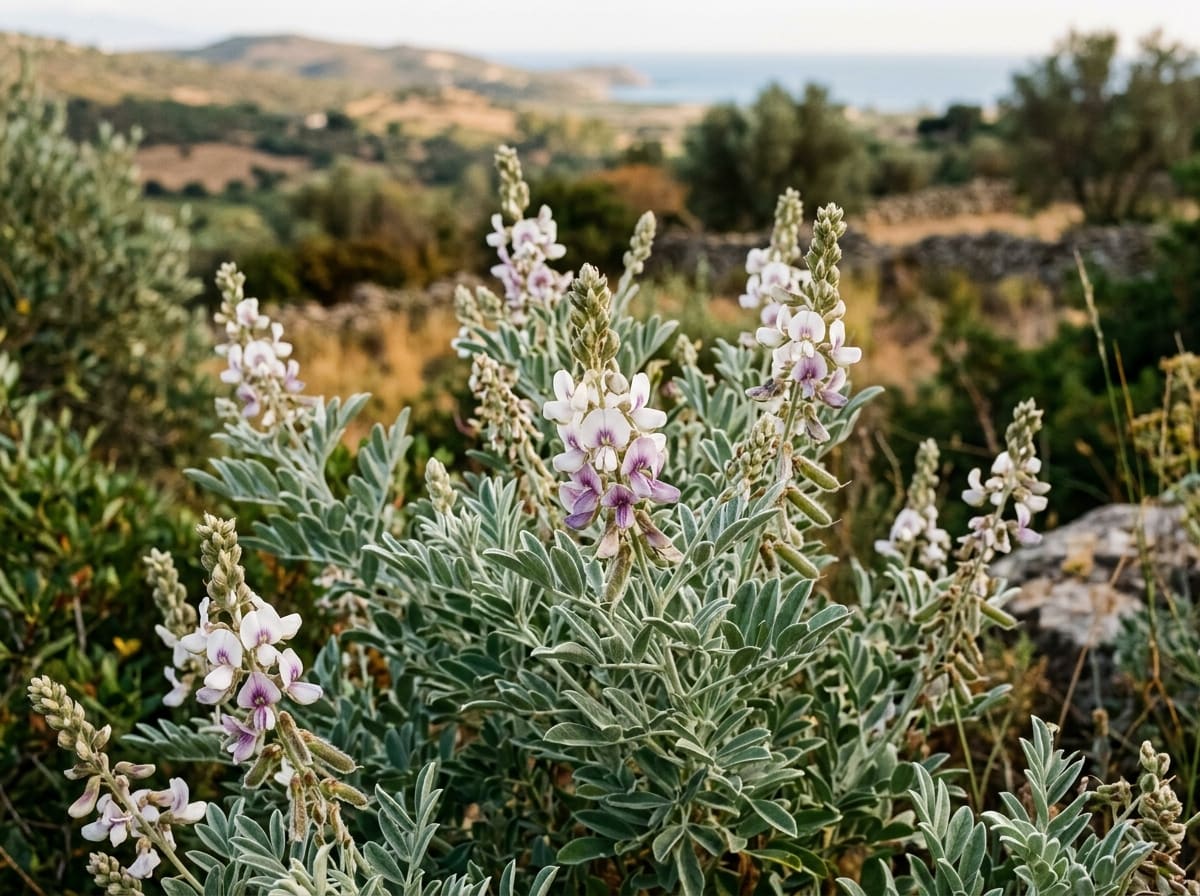
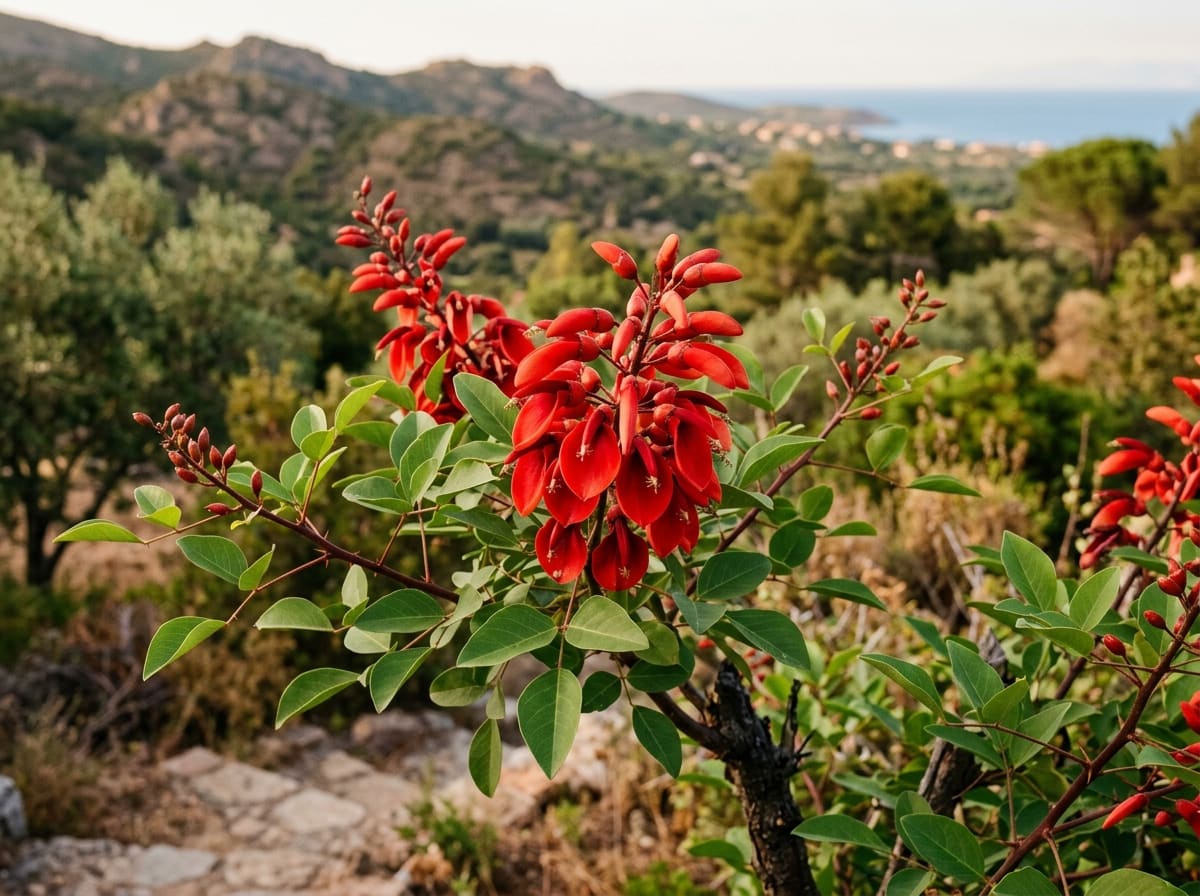
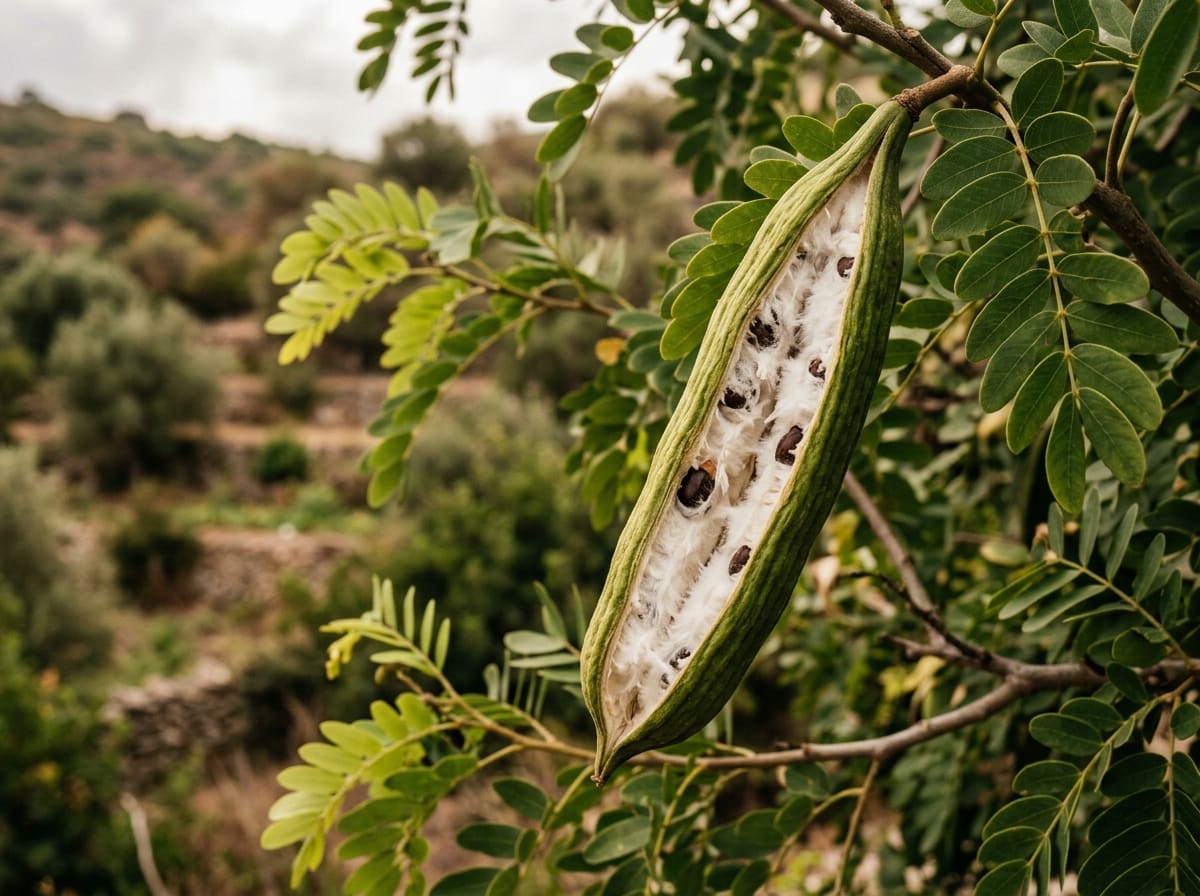
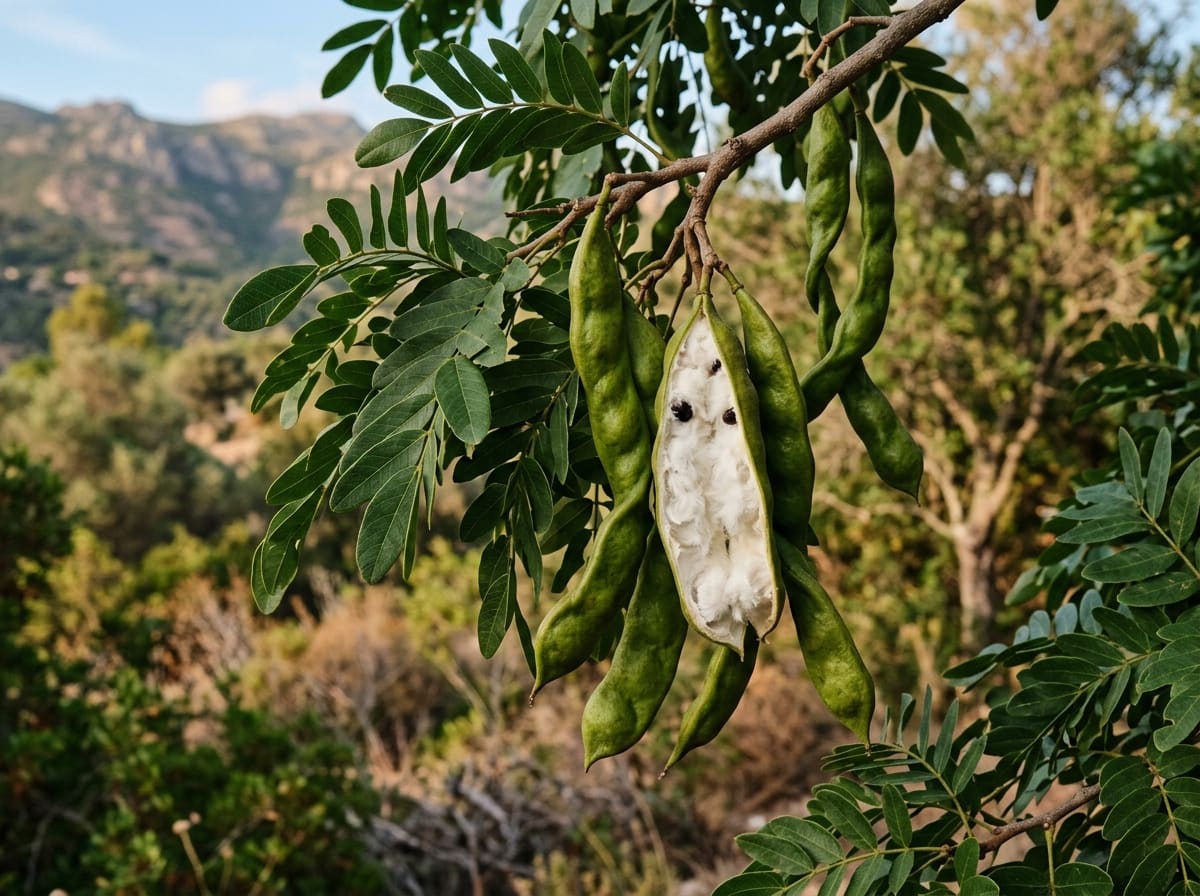
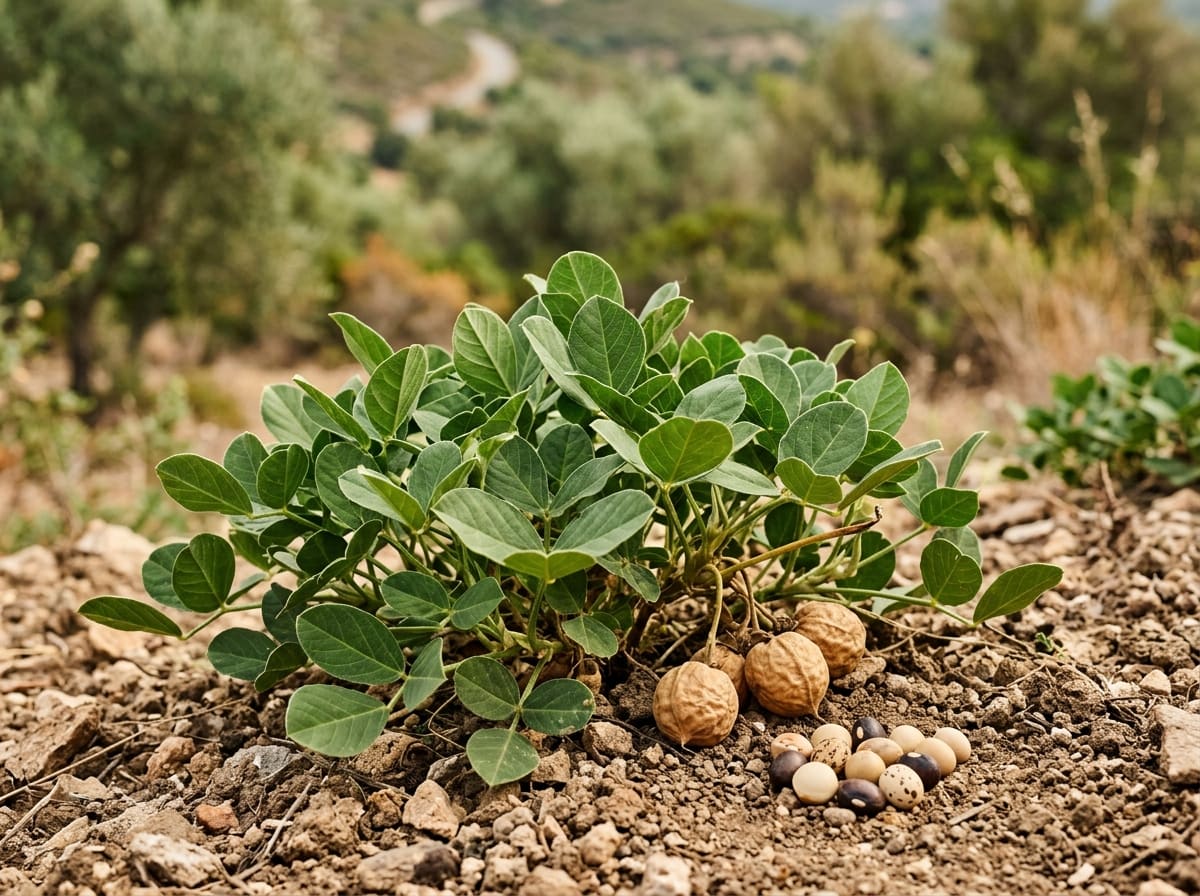
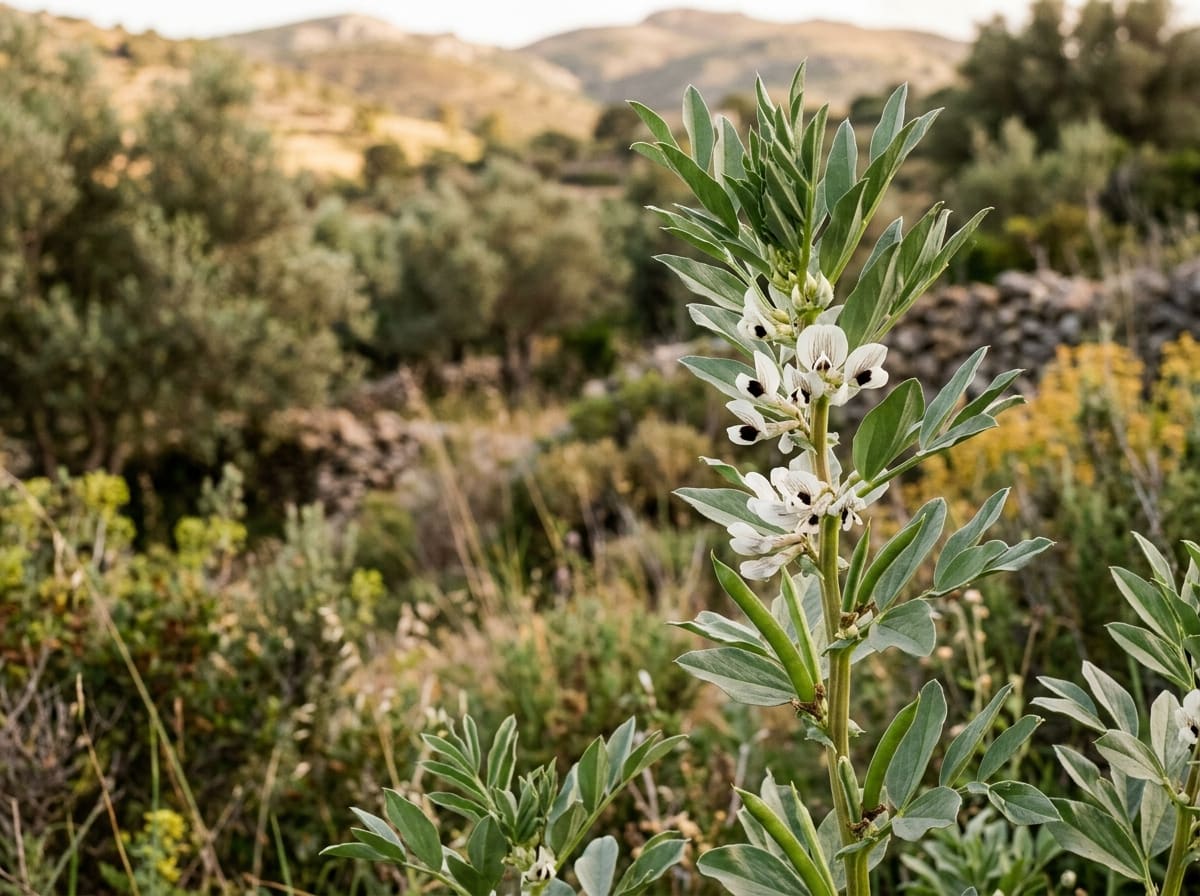
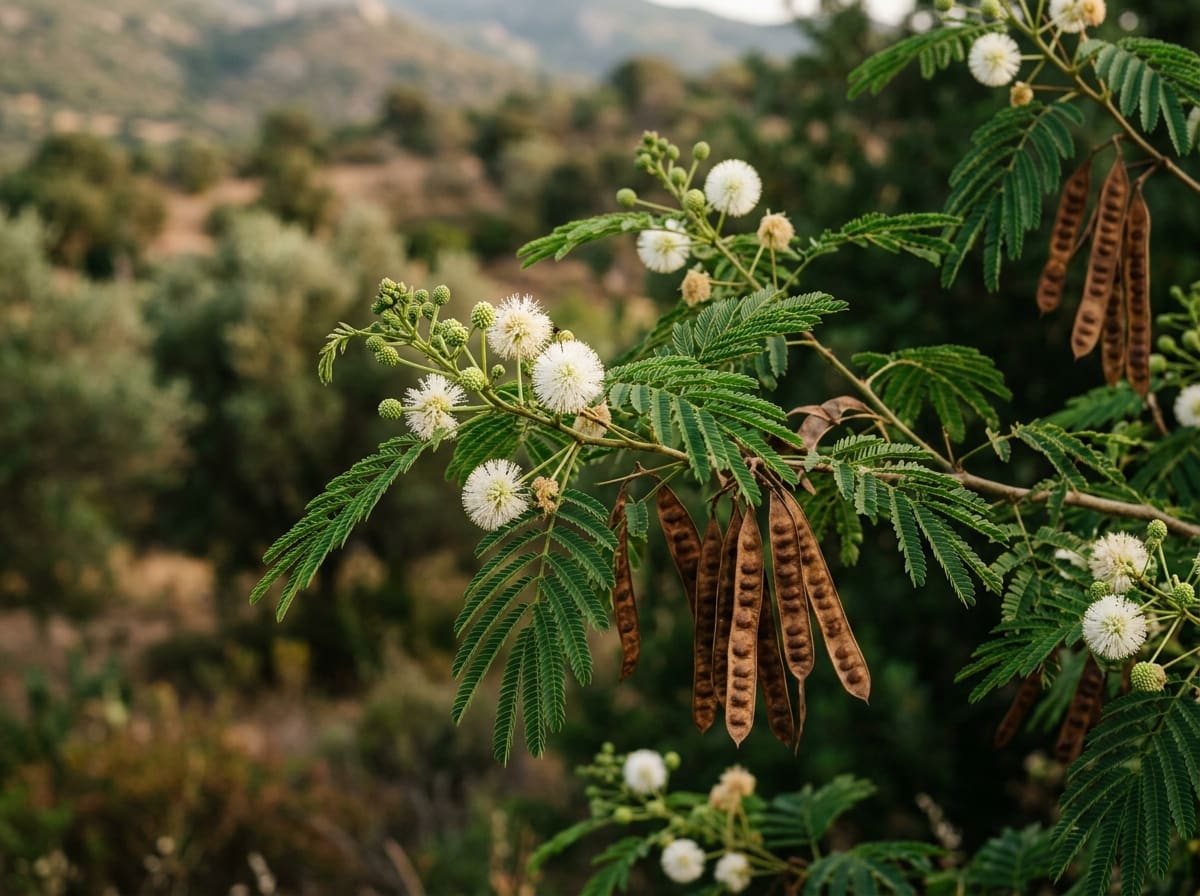
What we can say is how the cycle is meant to be started. Project Eden begins with pioneer plants and ground cover, so that the soil is never bare and what falls stays on the land. Several nitrogen fixers are already in the ground, all without inoculation with root-nodule bacteria: Tephrosia, coral tree, Inga edulis, Pacay, Bambara groundnut, fava bean and Leucaena. Whether each species finds its bacteria without help is one of the open questions. Leucaena is regarded as invasive in many tropical countries. For Terra Humana, invasive species are nature's own solution strategy and hold the greatest potential for rapid renaturation; species on the EU list of invasive alien species of Union concern are never used.
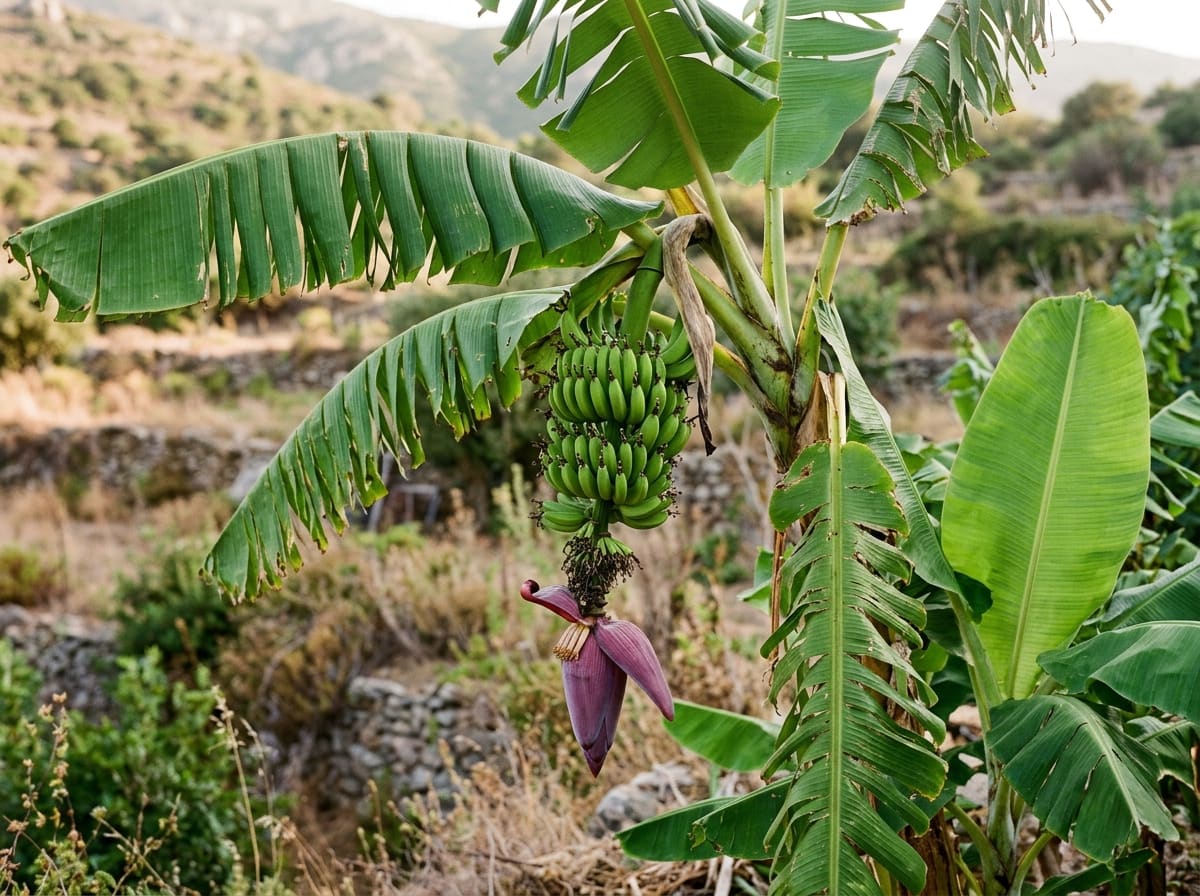
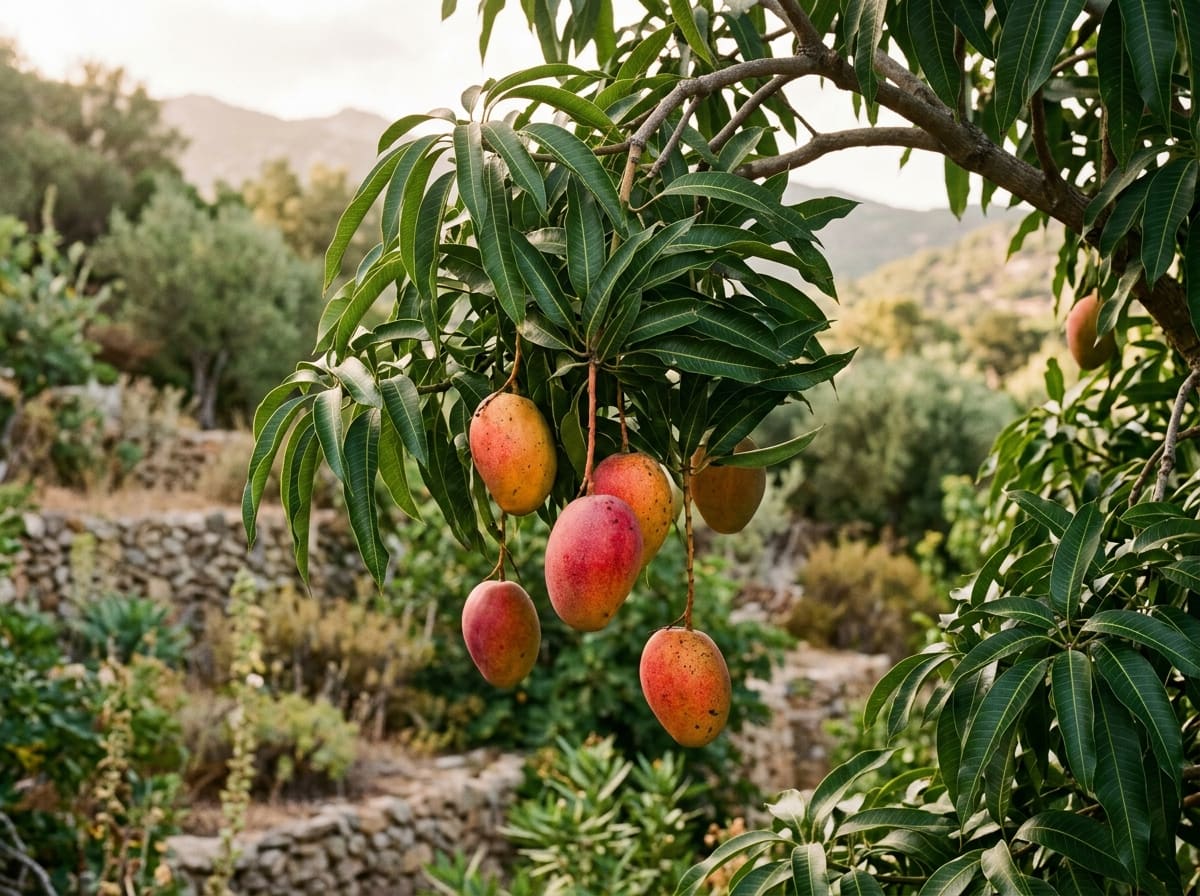
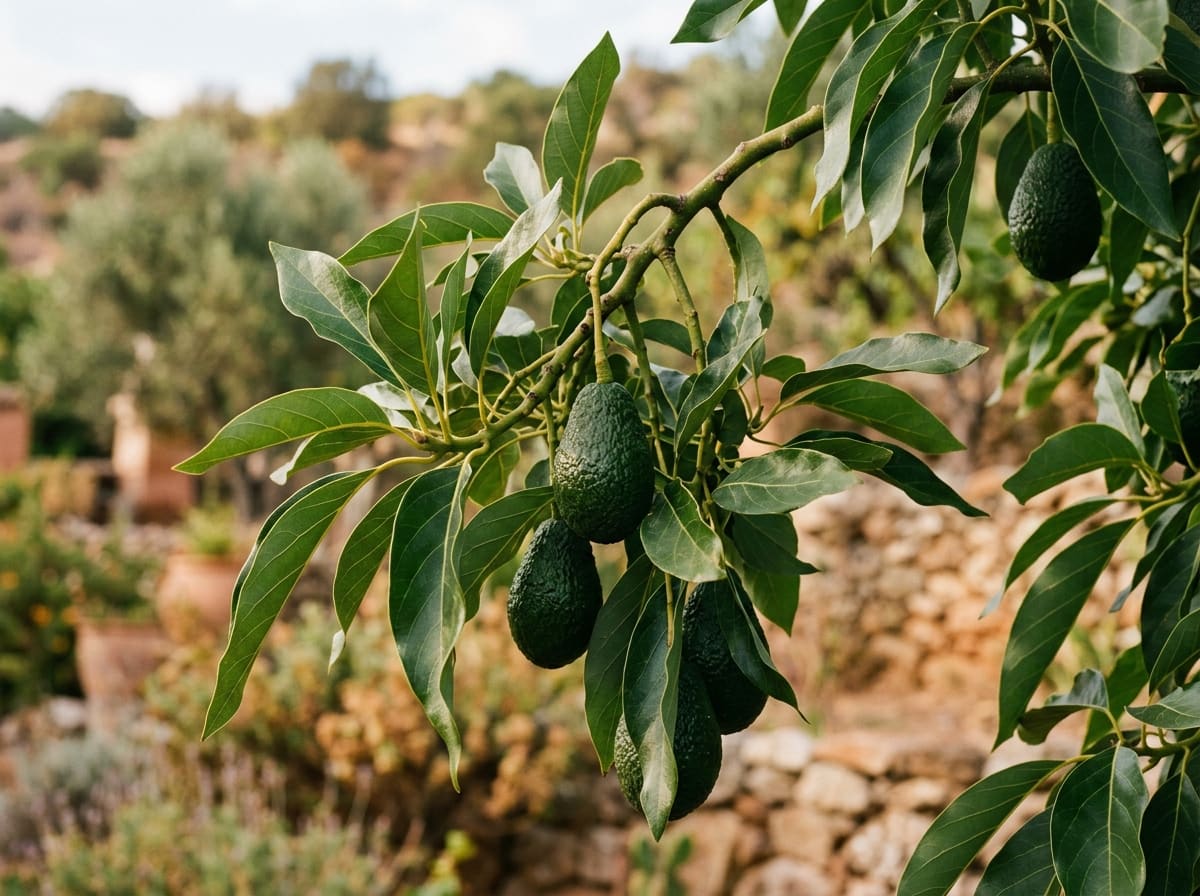
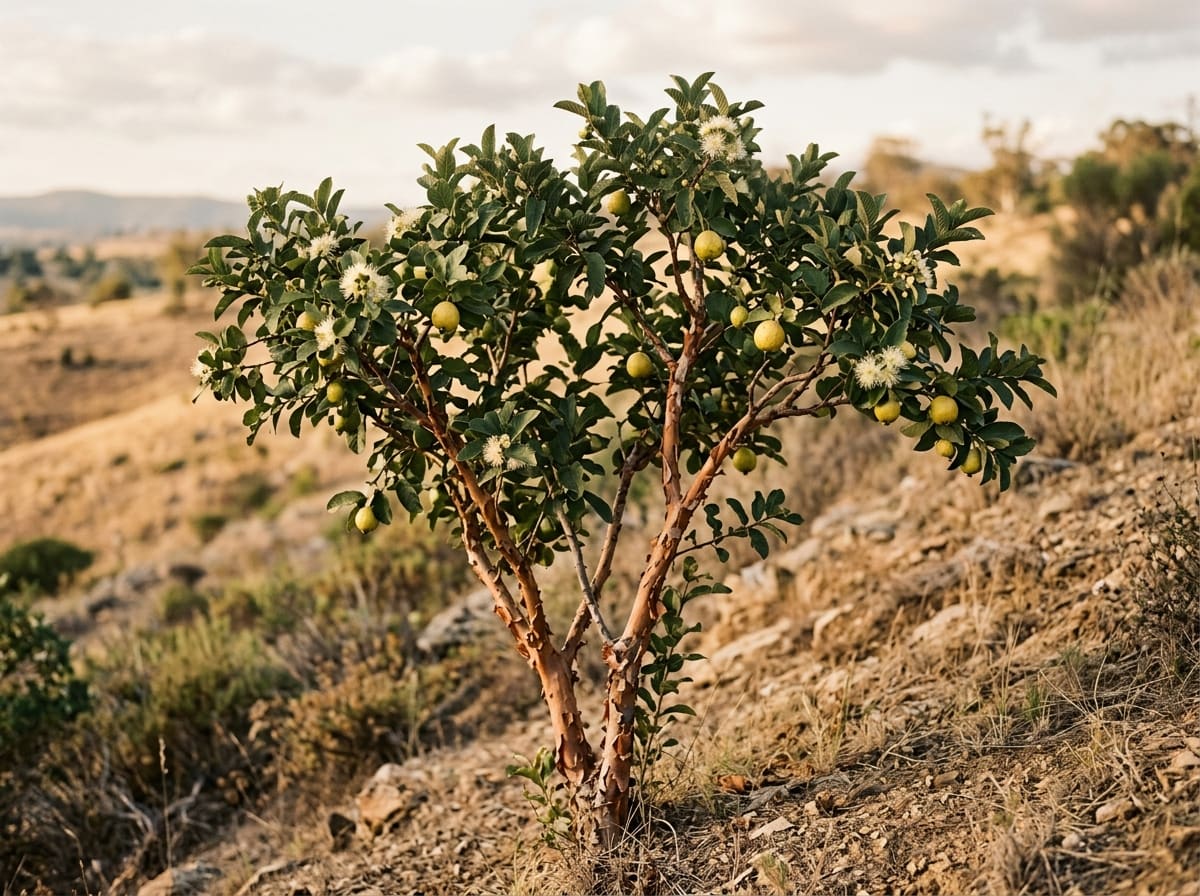
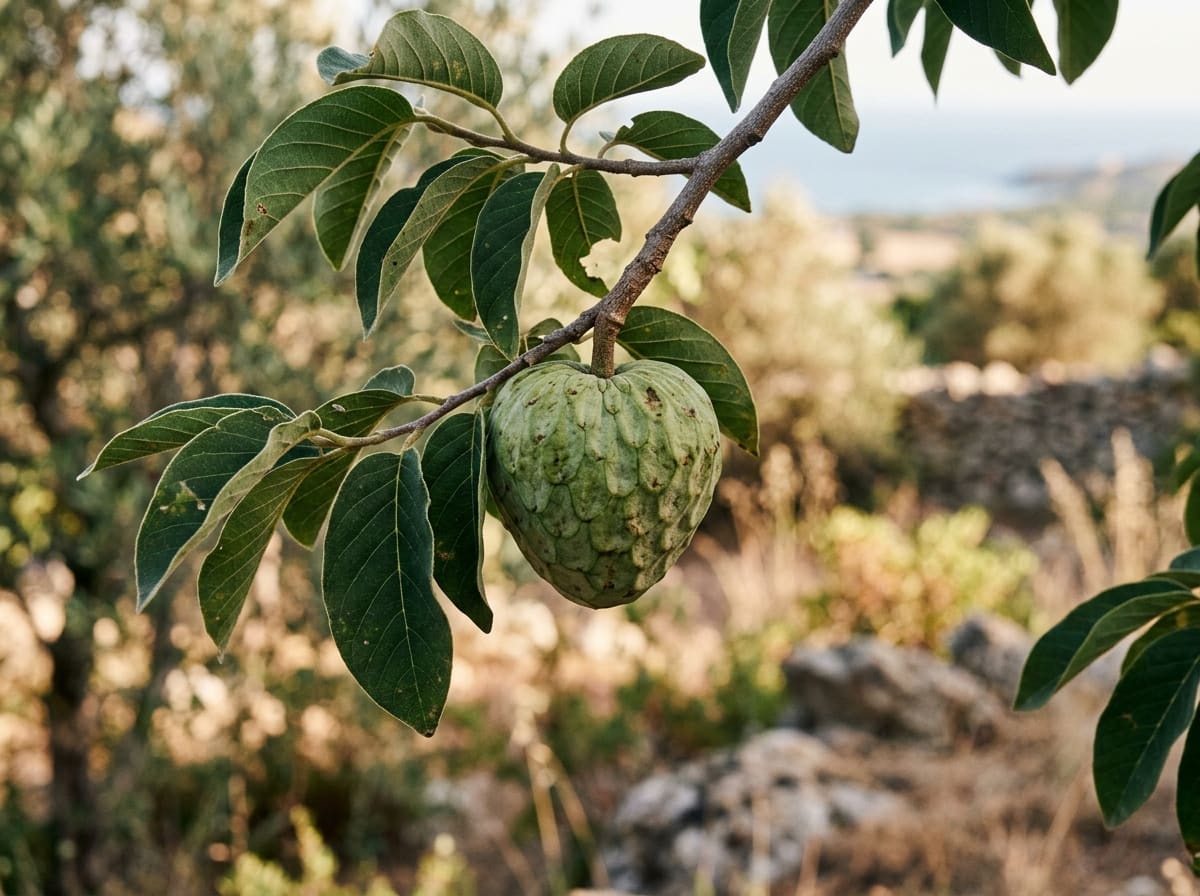
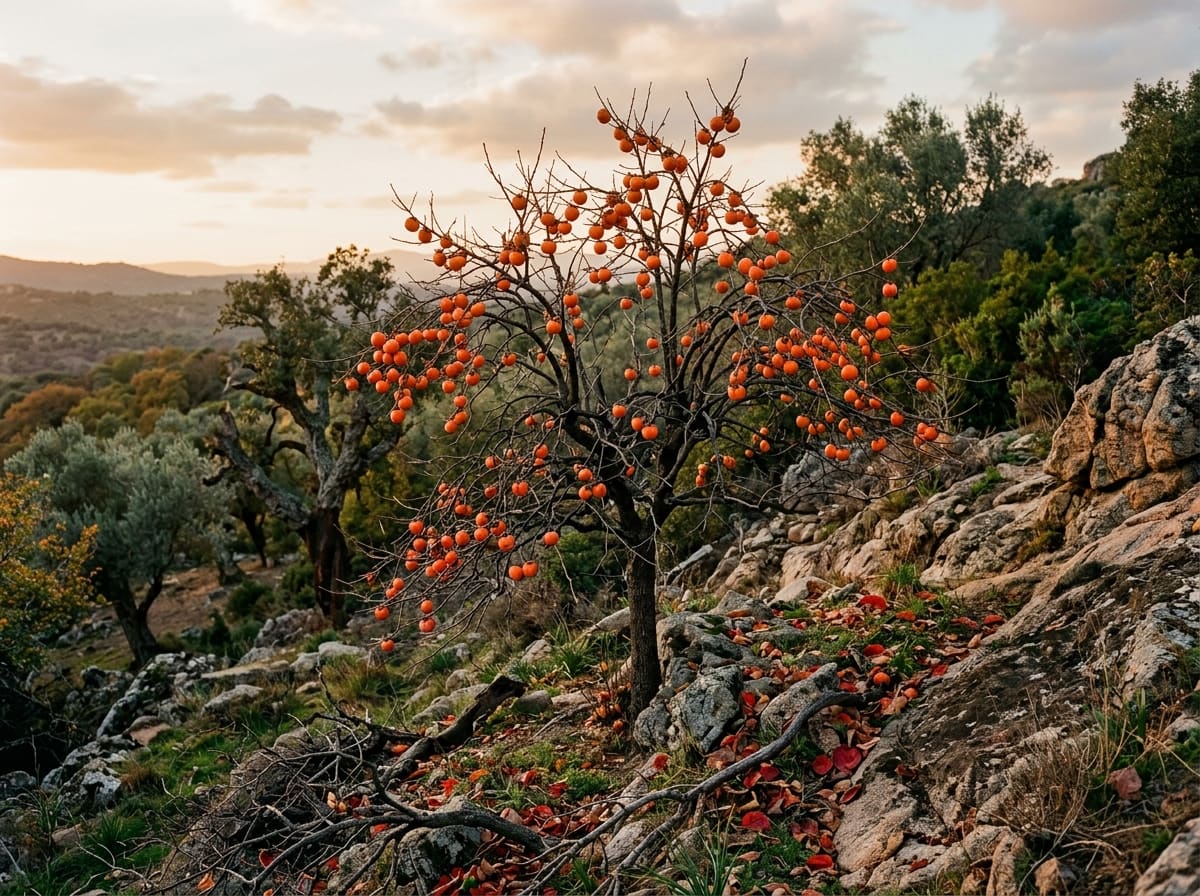
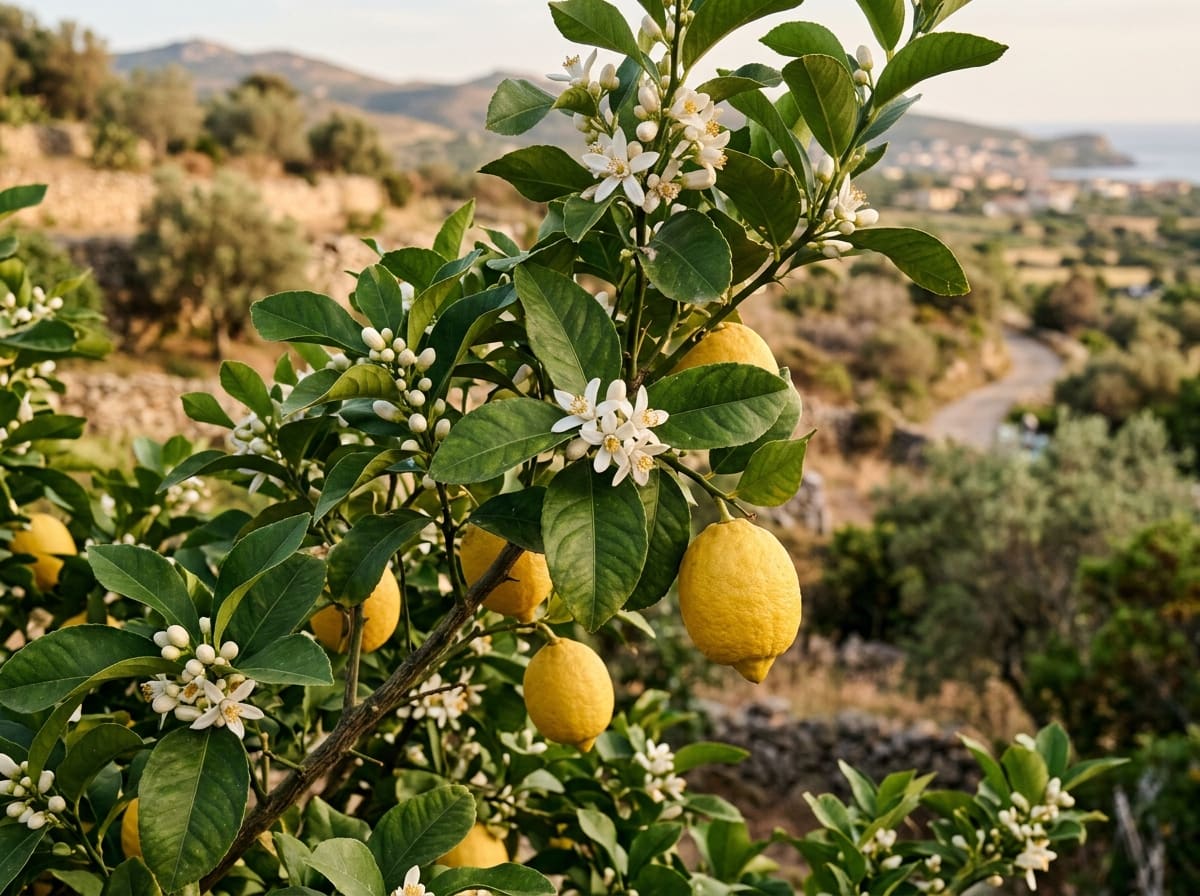
The nitrogen fixers have work to do. In the open ground grow, among others, bananas, mango, avocado, guava, cherimoya, papaya, passion fruit, lychee, moringa, persimmon and citrus. Many of them are hungry plants. Whether their demand can be met from within the land, through nitrogen fixers, ground cover and the return of everything that grows there, is the question the nutrient cycle at Sa Medada has to answer.
Plants in this entry
- TephrosiaTephrosia
- Coral treeErythrina
- IngaInga edulis
- PacayInga feuilleei
- Bambara groundnutVigna subterranea
- Fava beanVicia faba
- LeucaenaLeucaena leucocephala
- BananaMusa
- MangoMangifera indica
- AvocadoPersea americana
- GuavaPsidium guajava
- CherimoyaAnnona cherimola
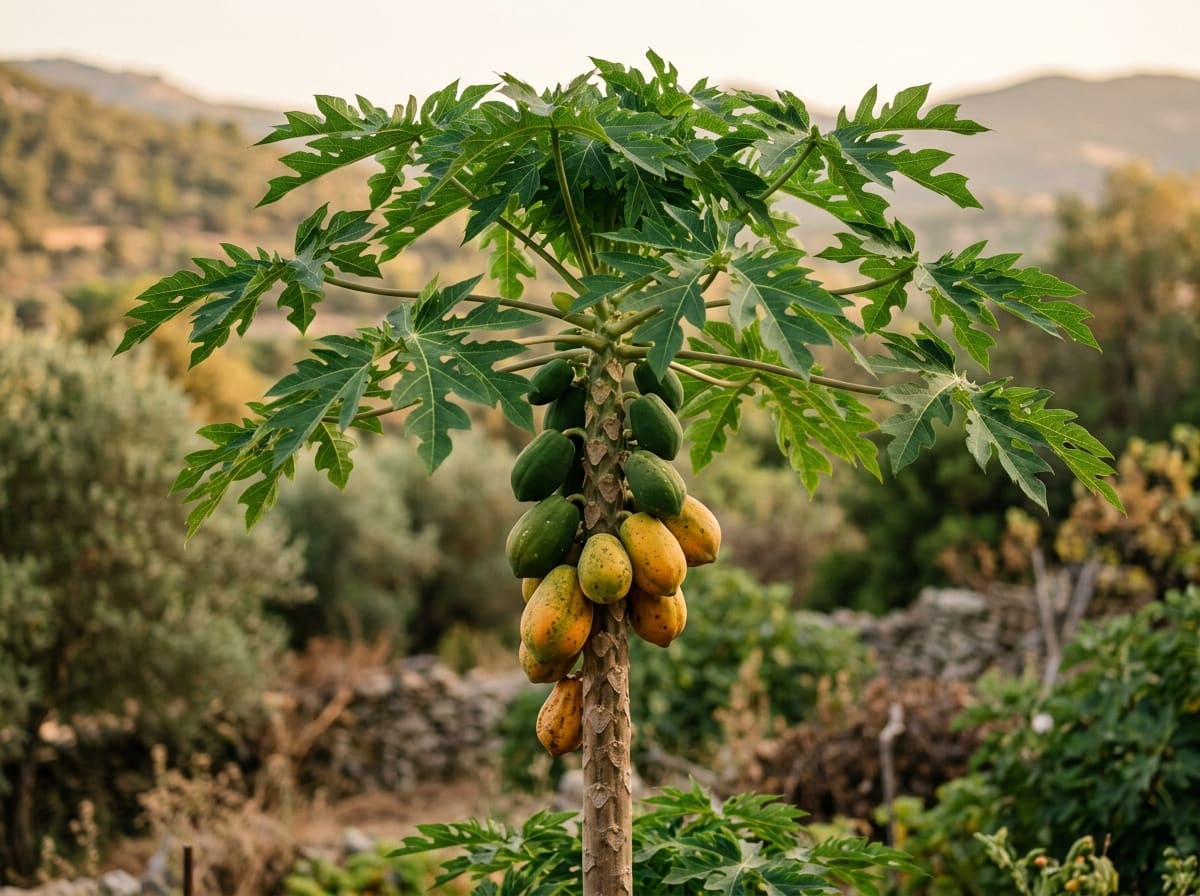
- PapayaCarica papaya
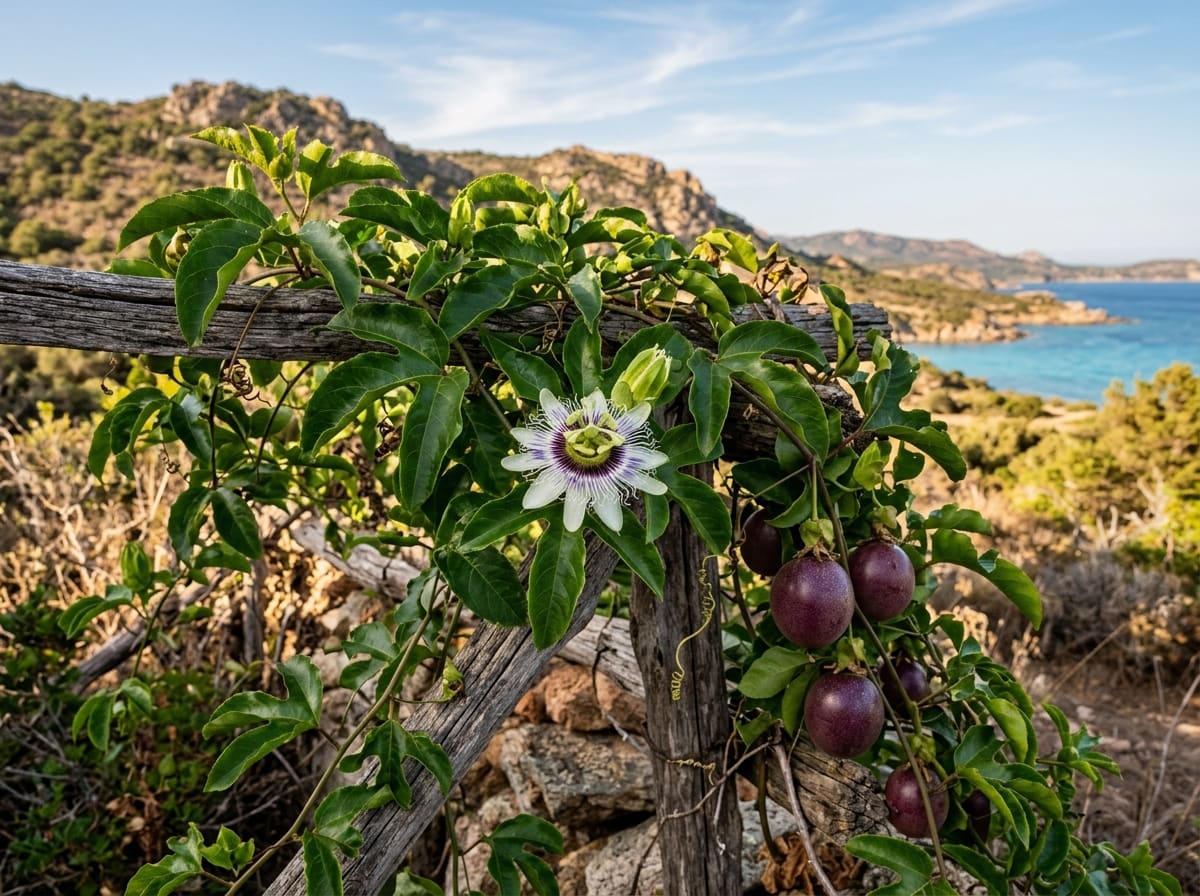
- Passion fruitPassiflora edulis
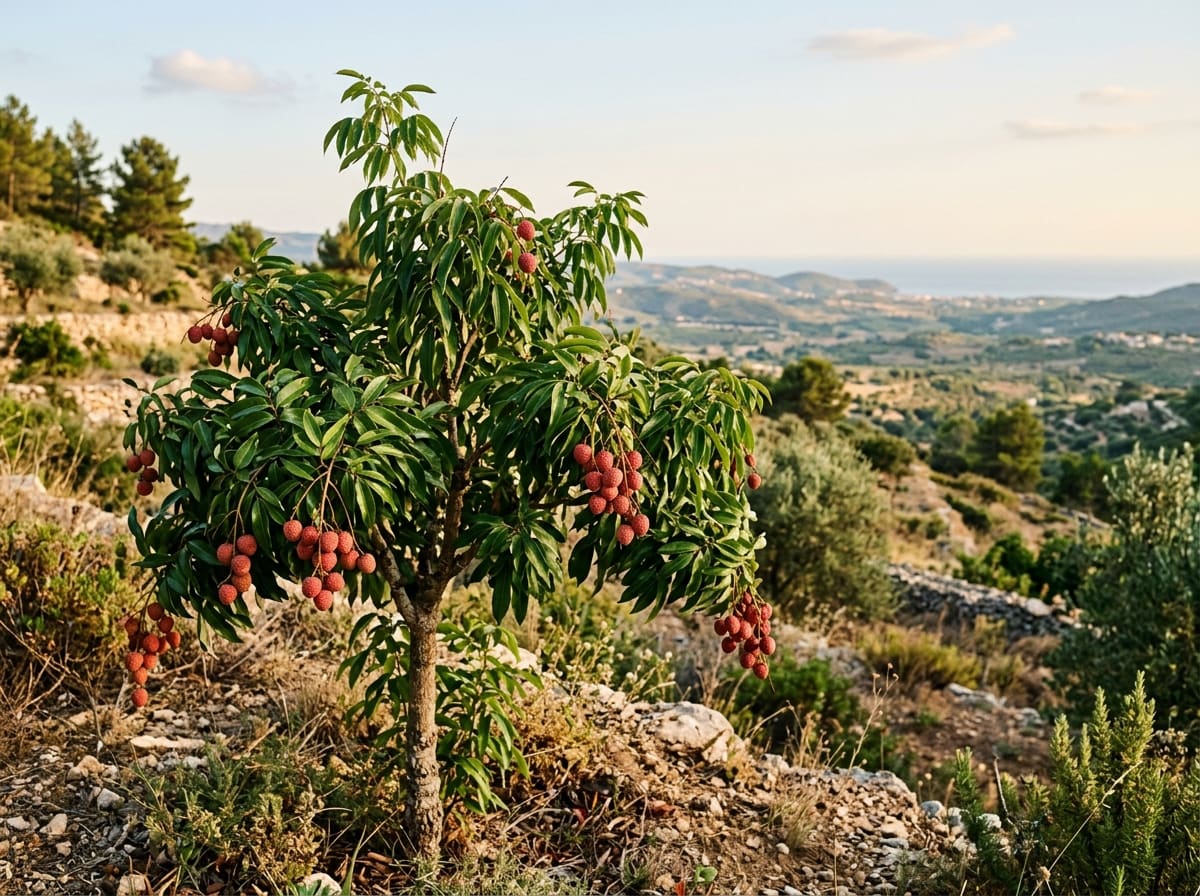
- LycheeLitchi chinensis
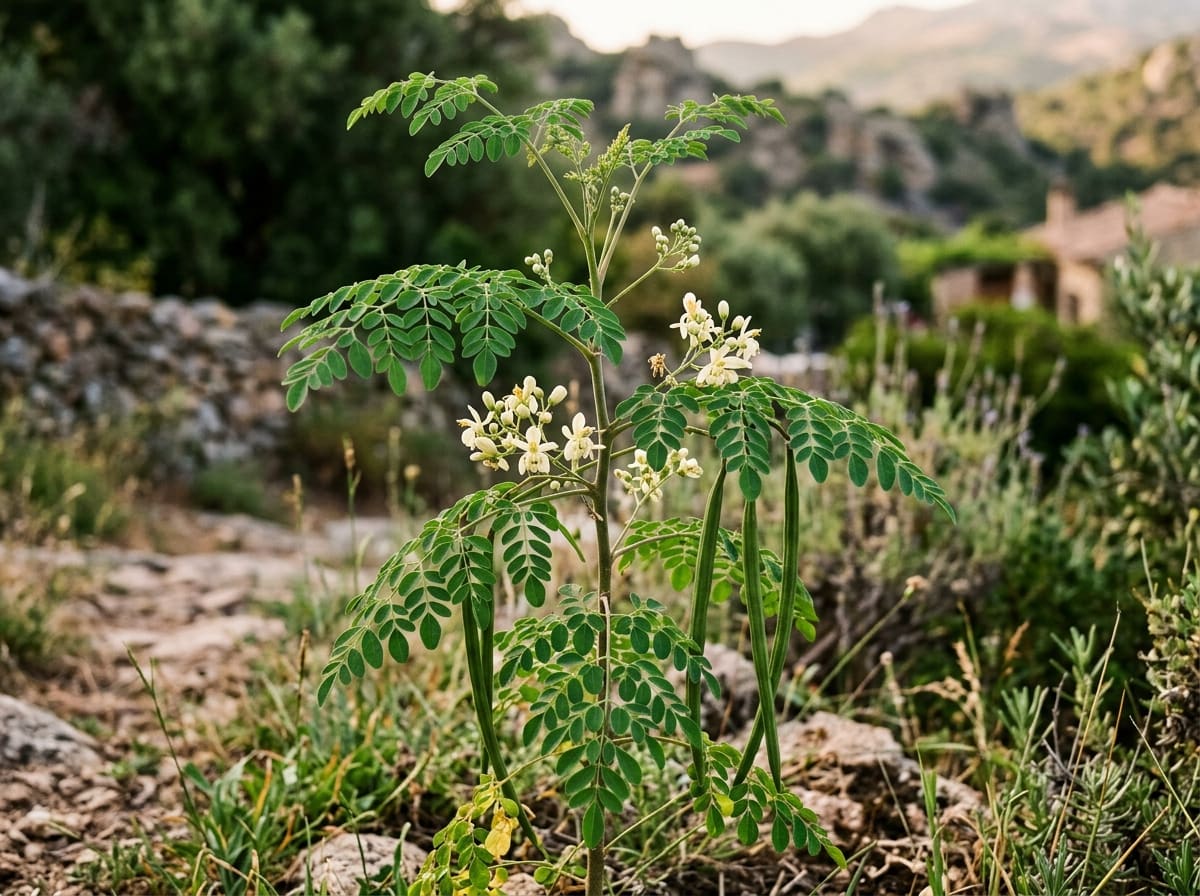
- MoringaMoringa oleifera
- PersimmonDiospyros kaki
- CitrusCitrus


Frequently asked
What is the nutrient cycle?
It is the path that the elements of plant food take through a landscape. Nitrogen comes from the air, phosphorus, potassium, calcium and magnesium from weathering rock. Plants take them up, animals eat the plants, and leaves, dung and dead bodies fall back to the ground. There the soil food web breaks everything down and returns the nutrients in a form roots can use again, part of it stored for years in humus. In an intact ecosystem most nutrients go round this loop many times before any leave it.
Where does farmed land lose its nutrients?
At four main points. The harvest carries nutrients off the field, and in conventional farming little of it comes back. Bare soil lets winter rain wash nitrate below the roots; a global meta-analysis found that cover crops reduced this leaching by 69 percent compared with fallow ground. Erosion carries away the topsoil, which is the richest layer. And the nutrients in human excreta mostly end up in the sewer instead of on the land. Mineral fertiliser fills the gap, but by a widely cited analysis more than half of the nitrogen added to cropland never reaches the harvest.
Can plants really fertilise the soil?
Some can supply nitrogen. Legumes and a number of other plants live with bacteria in root nodules that turn nitrogen from the air into a form plants can use. When their leaves, roots or cuttings decay, that nitrogen enters the soil and feeds the neighbours. Phosphorus and potassium cannot be made from air. Here plants help in other ways: deep roots bring minerals up from the subsoil, and mycorrhizal fungi extend the reach of roots into soil pores they could not enter themselves.
Why does phosphorus matter so much?
Because there is no substitute for it and no air to fix it from. Every cell needs phosphorus, and the phosphorus in farm fertiliser comes from rock deposits that are finite and concentrated in a few countries. Once it washes into rivers and lakes it feeds algal blooms instead of crops. Keeping phosphorus in the soil, through cover, humus and the return of organic residues, is therefore one of the most important tasks of any land that wants to stay fertile on its own.
What can I do on a small plot to close the nutrient cycle?
Keep everything that grows on the land on the land. Leave prunings and cut green plants as mulch, grow nitrogen-fixing plants among the crops, keep the soil covered over winter so rain cannot wash nutrients away, and return kitchen scraps and garden waste as compost. Avoid burning or carrying away residues. Before adding any fertiliser, find out what the soil actually lacks: indicator plants give a first hint, a laboratory analysis gives figures.

Related terms


Mentioned in
See this in practice
Permaculture principles at work here
The design principles after David Holmgren that this page puts into practice.
Sources
- Likens, Bormann, Johnson, Fisher and Pierce, Effects of forest cutting and herbicide treatment on nutrient budgets in the Hubbard Brook watershed-ecosystem, Ecological Monographs 40(1), pp. 23-47 (1970)
- Lassaletta, Billen, Grizzetti, Anglade and Garnier, 50 year trends in nitrogen use efficiency of world cropping systems: the relationship between yield and nitrogen input to cropland, Environmental Research Letters 9, 105011 (2014)
- Erisman, Sutton, Galloway, Klimont and Winiwarter, How a century of ammonia synthesis changed the world, Nature Geoscience 1, pp. 636-639 (2008)
- Nouri, Lukas, Singh, Singh and Machado, When do cover crops reduce nitrate leaching? A global meta-analysis, Global Change Biology 28(15), pp. 4736-4749 (2022)
- Jönsson, Richert Stintzing, Vinnerås and Salomon, Guidelines on the Use of Urine and Faeces in Crop Production, EcoSanRes Publications Series 2004-2, Stockholm Environment Institute, p. 7 (2004)
- Cordell, Drangert and White, The story of phosphorus: Global food security and food for thought, Global Environmental Change 19(2), pp. 292-305 (2009)
- Richardson et al., Earth beyond six of nine planetary boundaries, Science Advances 9(37), eadh2458 (2023)
- Herridge, Peoples and Boddey, Global inputs of biological nitrogen fixation in agricultural systems, Plant and Soil 311, pp. 1-18 (2008)
- Smith and Read, Mycorrhizal Symbiosis, 3rd edition, Academic Press (2008)
- Panagos et al., The new assessment of soil loss by water erosion in Europe, Environmental Science & Policy 54, pp. 438-447 (2015)
- Bill Mollison, Permaculture: A Designers' Manual, Tagari Publications (1988)
Last updated: 2026-10-14