

Chapter 10 of 12
Closing the cycles
Water, nutrients, carbon, energy, material and seed: where cycles break and how to close them.
0 of 8 pages read. Read them all for the stamp in your travel passport.Nature knows no waste. What one living thing leaves behind becomes food for the next: fallen leaves turn into humus, rain into soil water, a ripe seed into a new plant. Land use often breaks these loops through bare soil, burning, removal and runoff, and every break is a loss that has to be made up from outside.
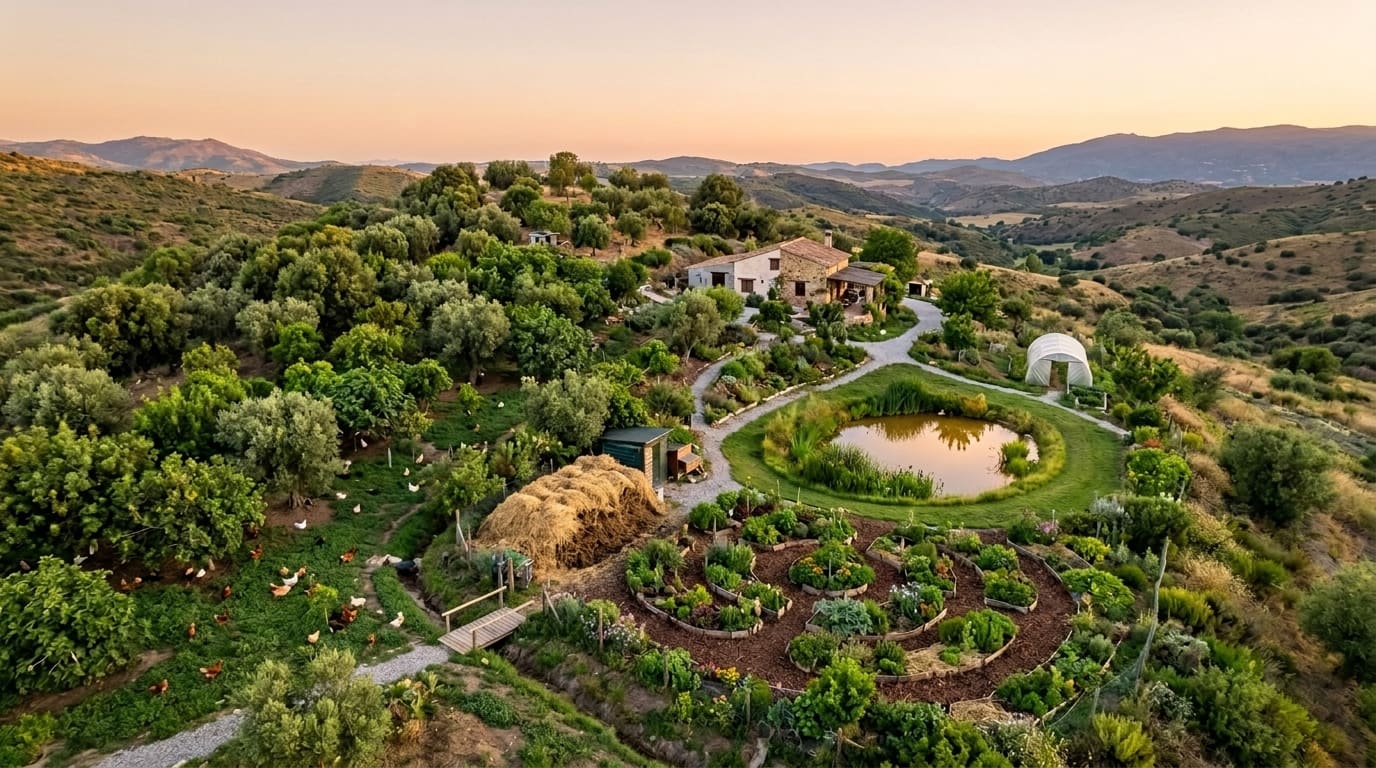
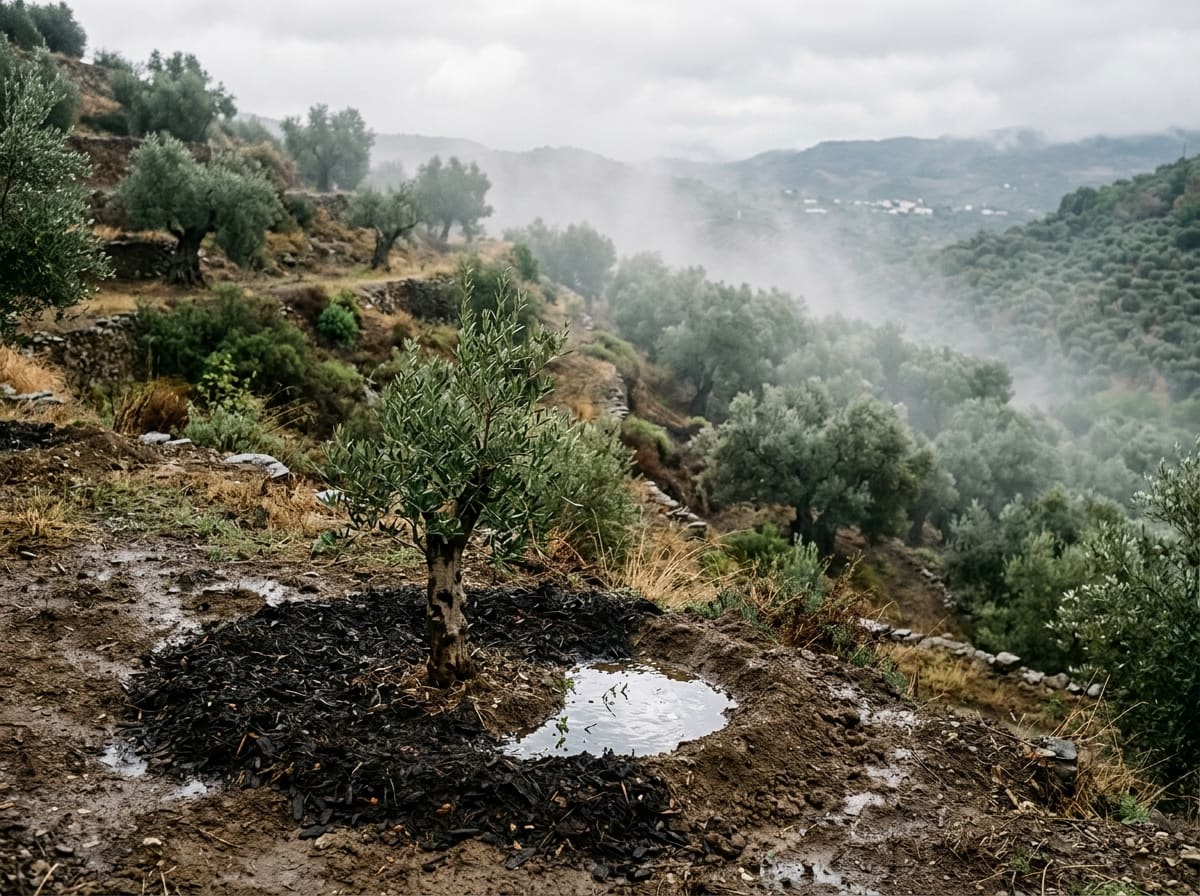
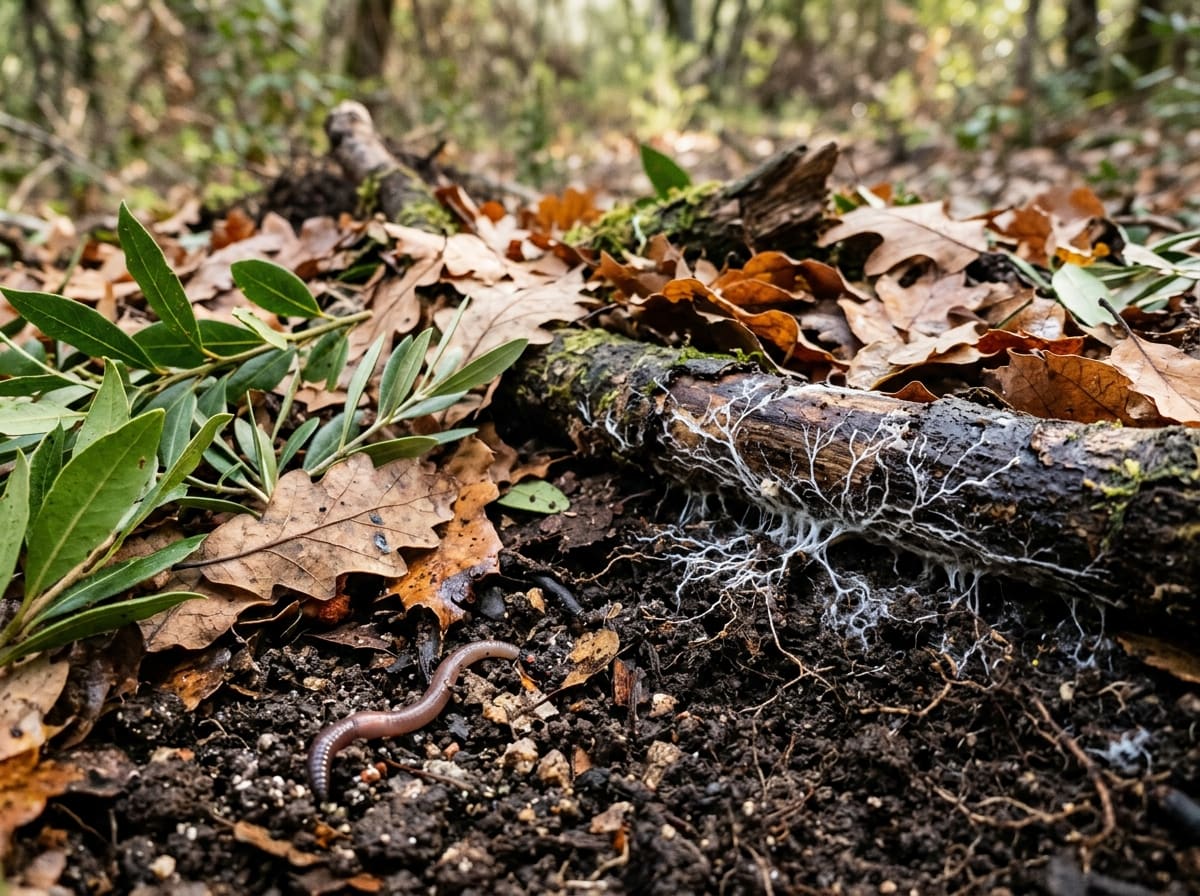
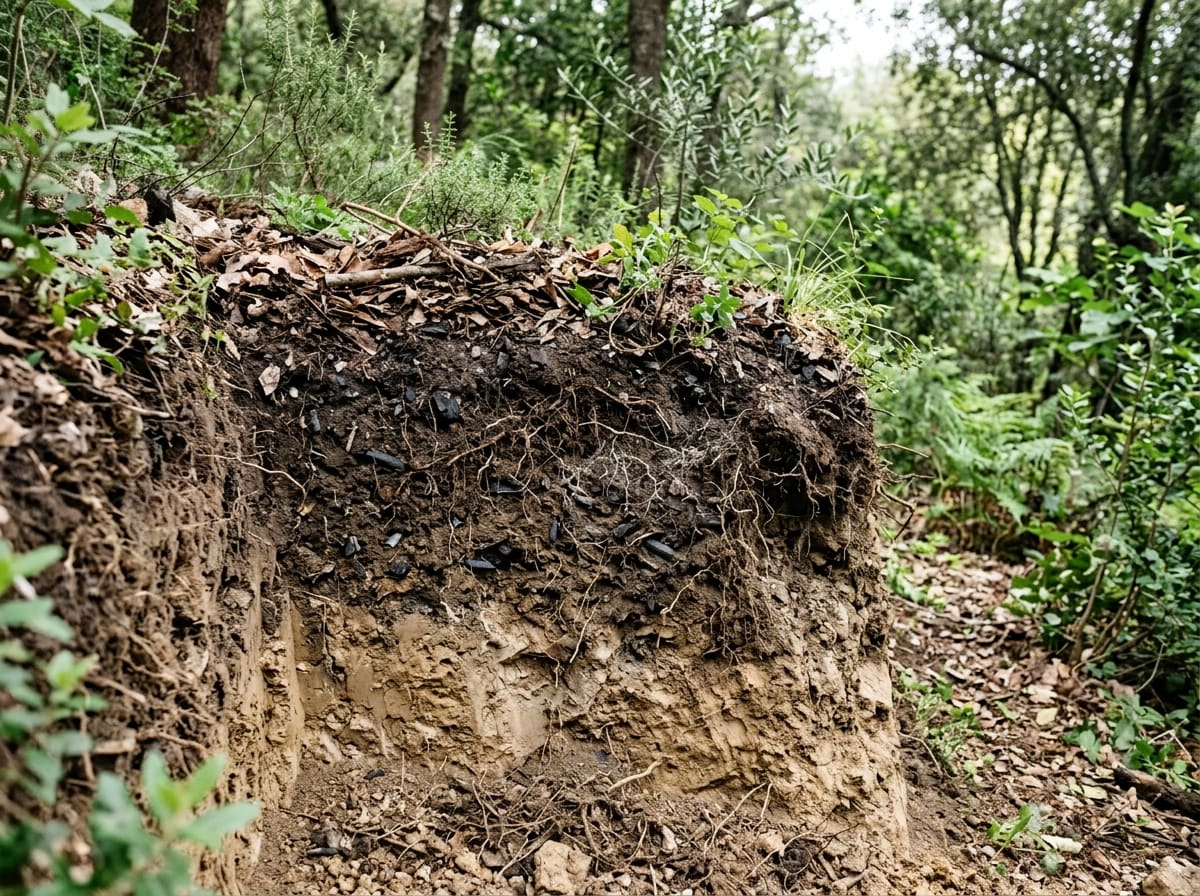
This chapter gathers what the journey has shown so far and asks one question of it: where does the loop break, and how can it be closed? Six pages follow six cycles. Water runs from rain through soil, plants and air back to rain. Nutrients travel from air and rock through plants, animals and soil life back to the roots. Carbon moves from the air into leaves, roots and humus and back again. Plant matter grows, is pruned and harvested, covers the soil and decays. Seed passes from the flower through the soil seed bank to a young plant. Energy is the exception: sunlight flows through the system only once and leaves it as heat, yet it drives every cycle that does turn.
Each page shows its loop as a ring with the places where it leaks, and links to the techniques that close it. The composting toilet shows how far the idea can reach.
Pages in this chapter
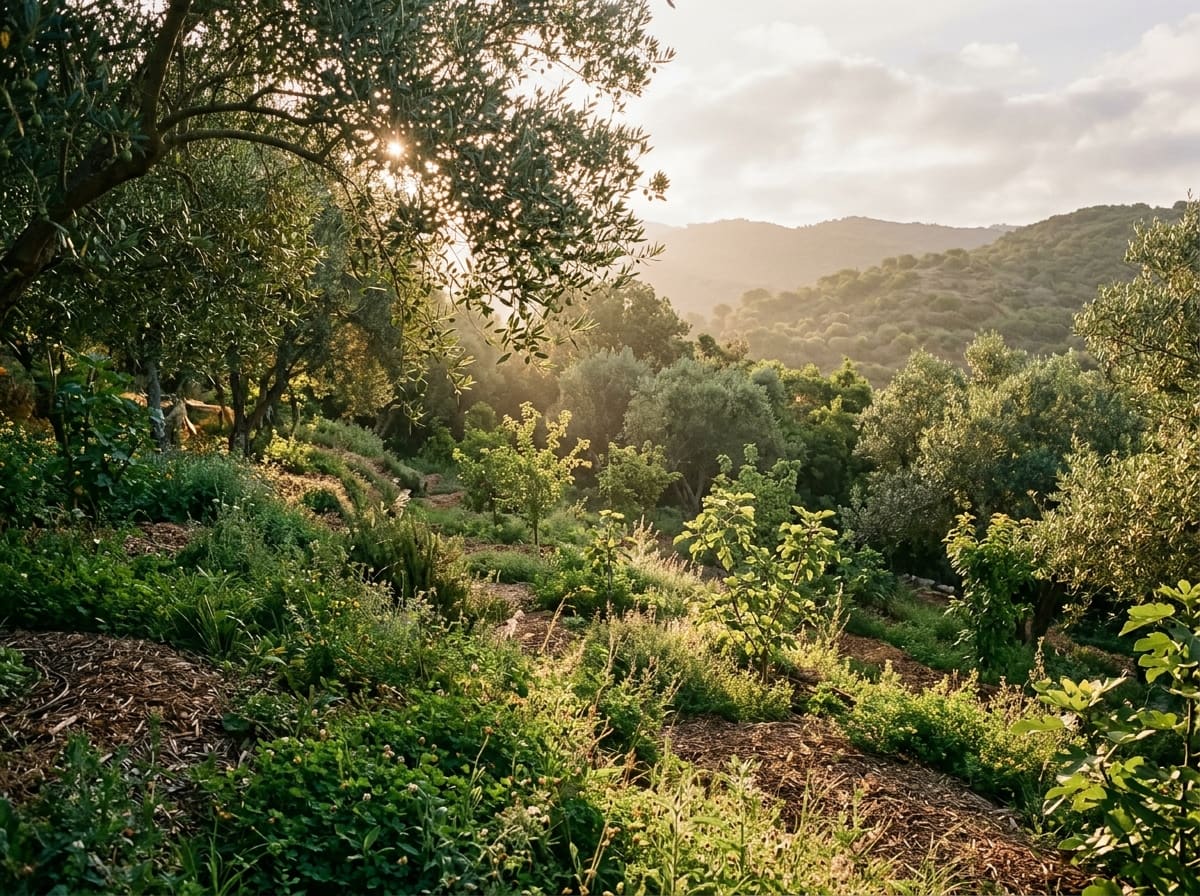
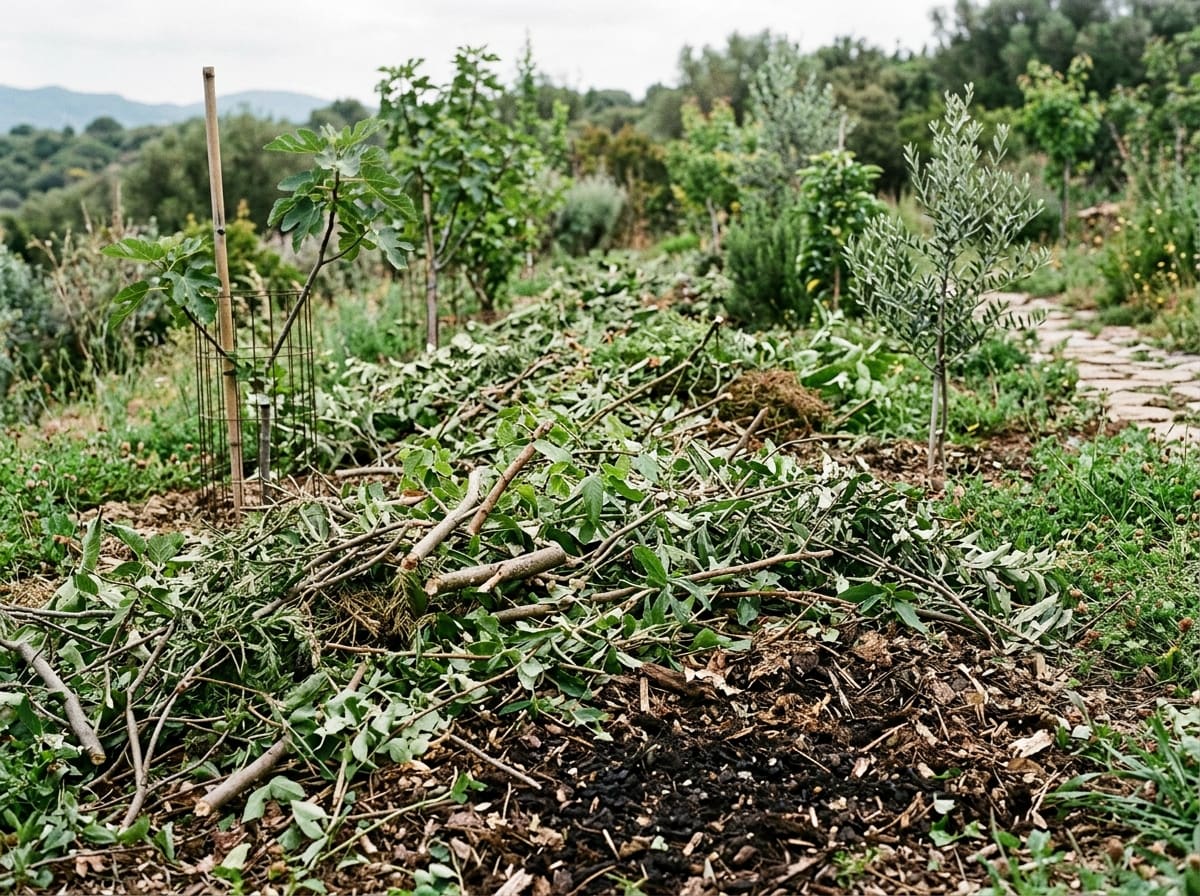
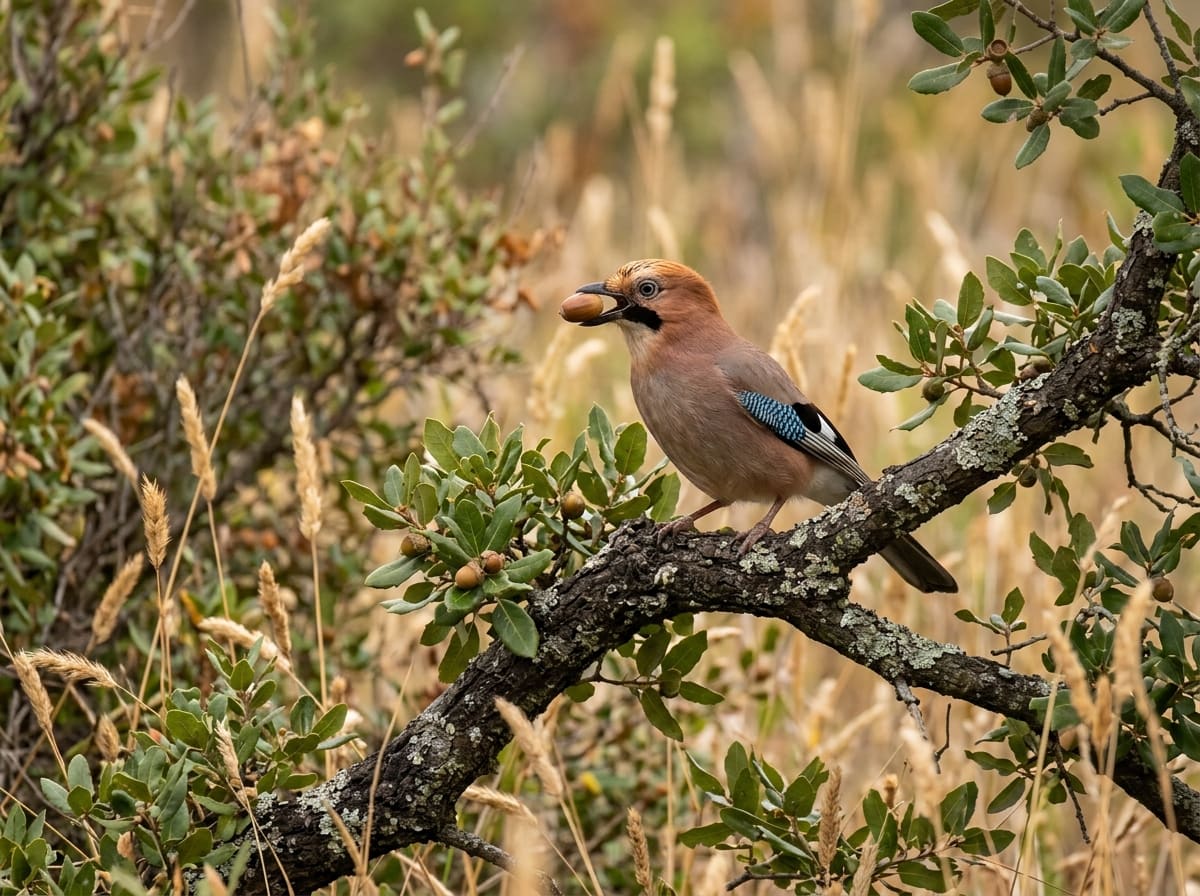
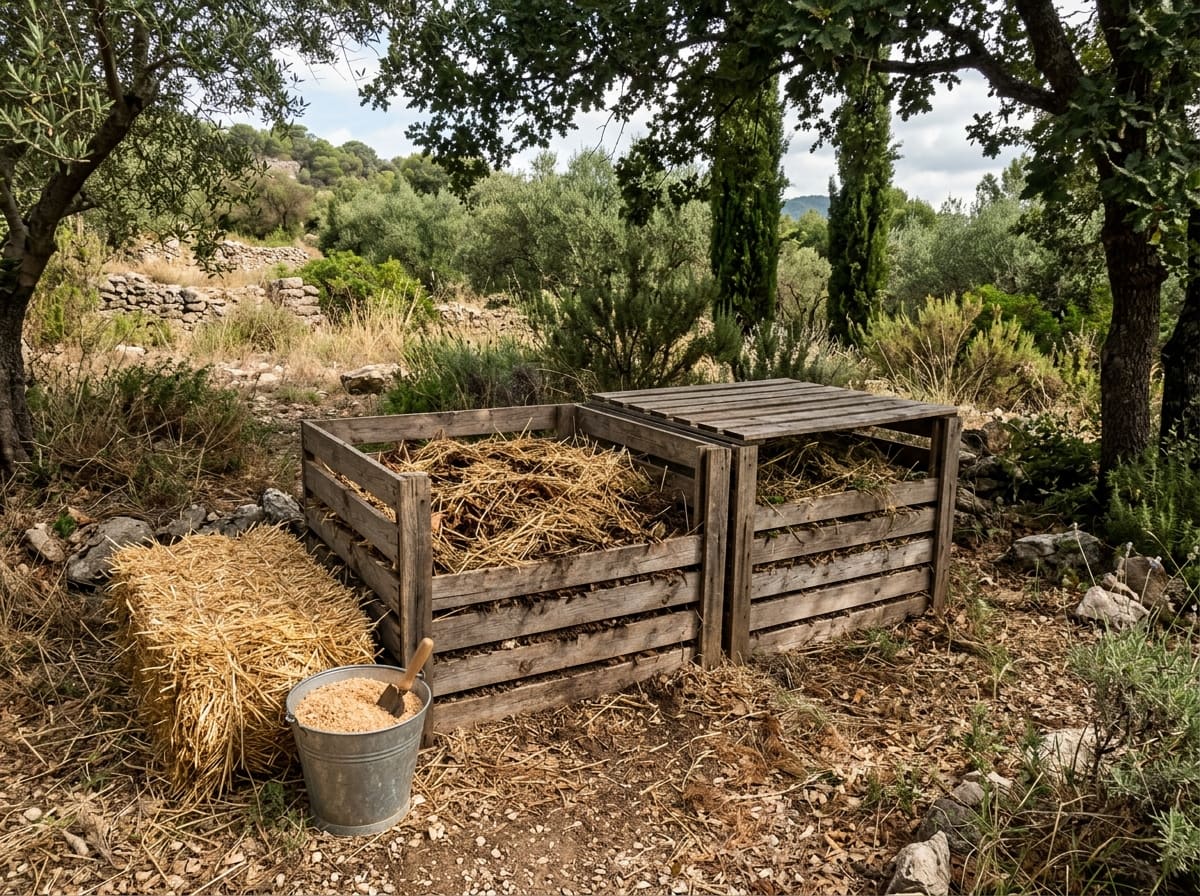


Try it yourself
One week of leftovers
- 1For one week, note everything that leaves your kitchen and garden: peelings, coffee grounds, leaves, cuttings, packaging.
- 2Mark which of these things once grew in soil somewhere.
- 3Bury a handful of raw vegetable peelings a hand's depth in a bed or a large pot, and mark the spot.
- 4After four weeks, dig carefully and look at what has become of them.
- 5Think about which other loop in your home you could close in the same way.
At Sa Medada
Sa Medada is a slope with mild winters and a dry season from about May to September, so water sets the pace there for every other loop. A laboratory analysis of the soil does not exist yet, and so we make no claims about which nutrients are scarce or plentiful. The nitrogen fixers in the ground, among them Tephrosia, Leucaena and the coral tree, were planted without inoculation; whether they find their bacteria without help is one of the questions being watched.