

Chapter 8 of 12
Plants and systems
Layers, guilds and succession: planting the way a forest grows.
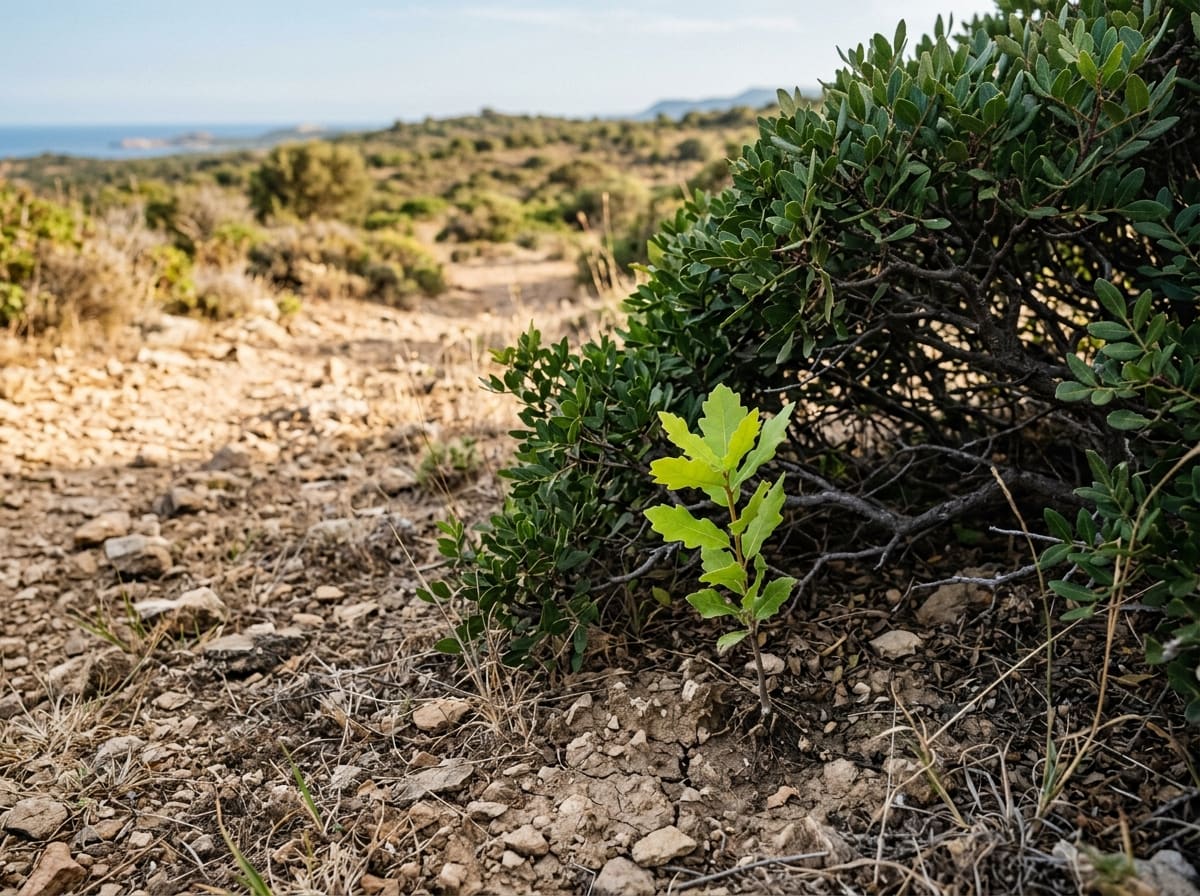
0 of 10 pages read. Read them all for the stamp in your travel passport.A forest needs no gardener. It grows in layers, from tall trees down to the ground cover, and it changes over time: pioneers settle on bare land first, make it habitable with their shade, roots and nutrients, and in time give way to a mature community. Permaculture learns from this and plants accordingly.
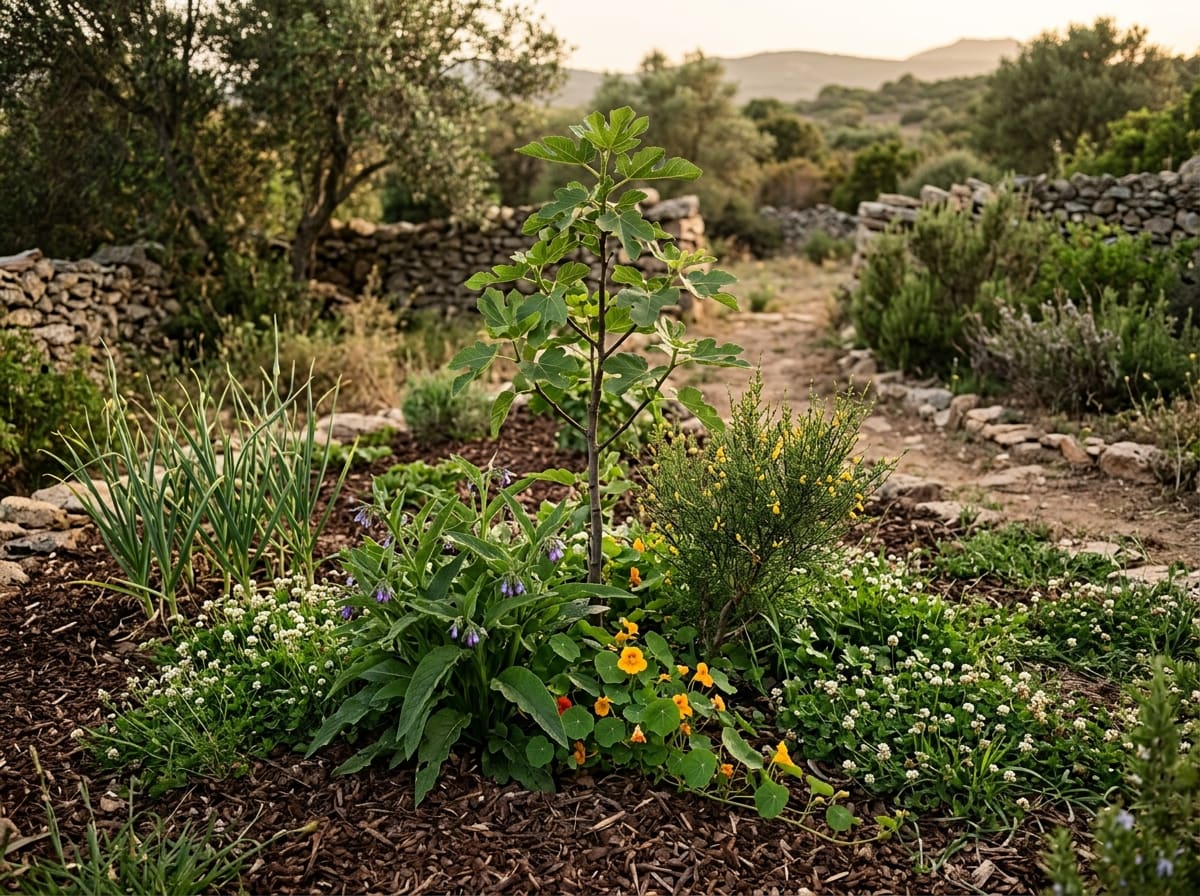
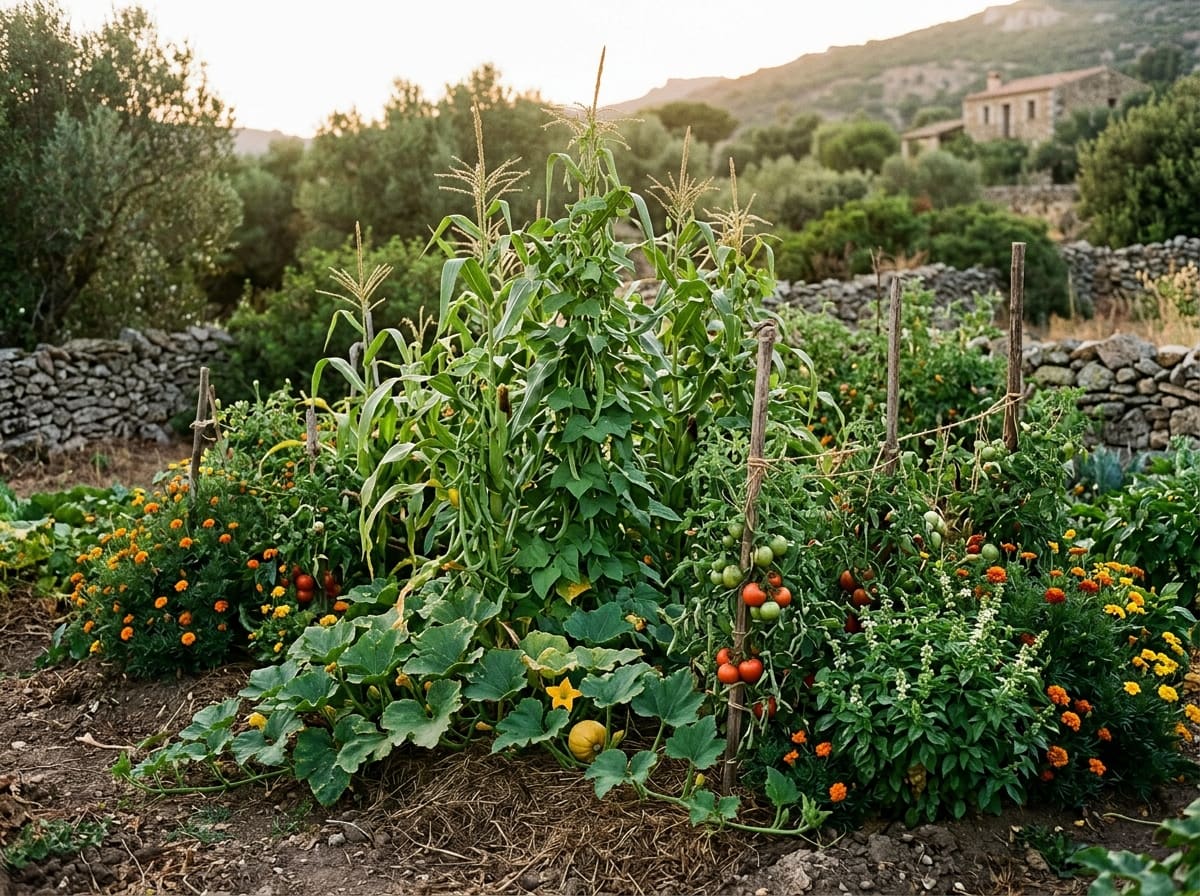
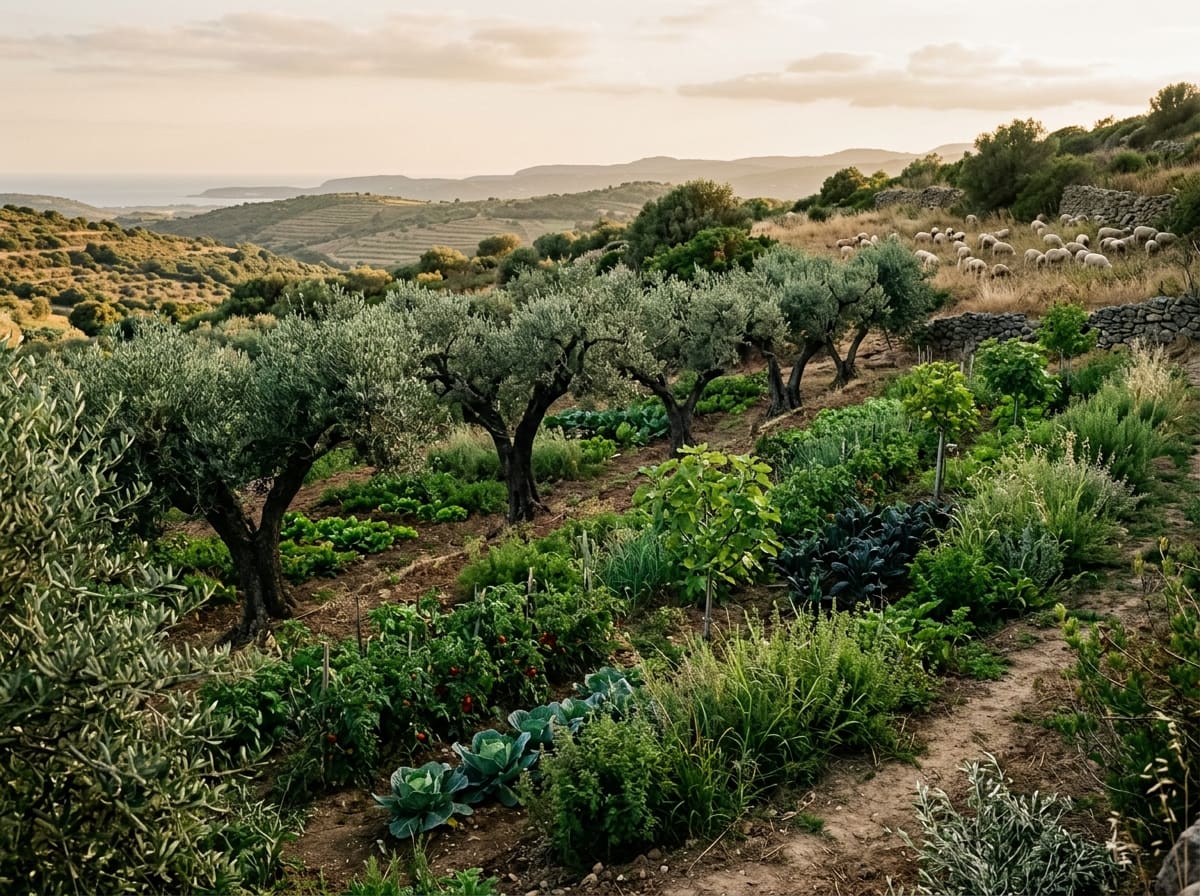
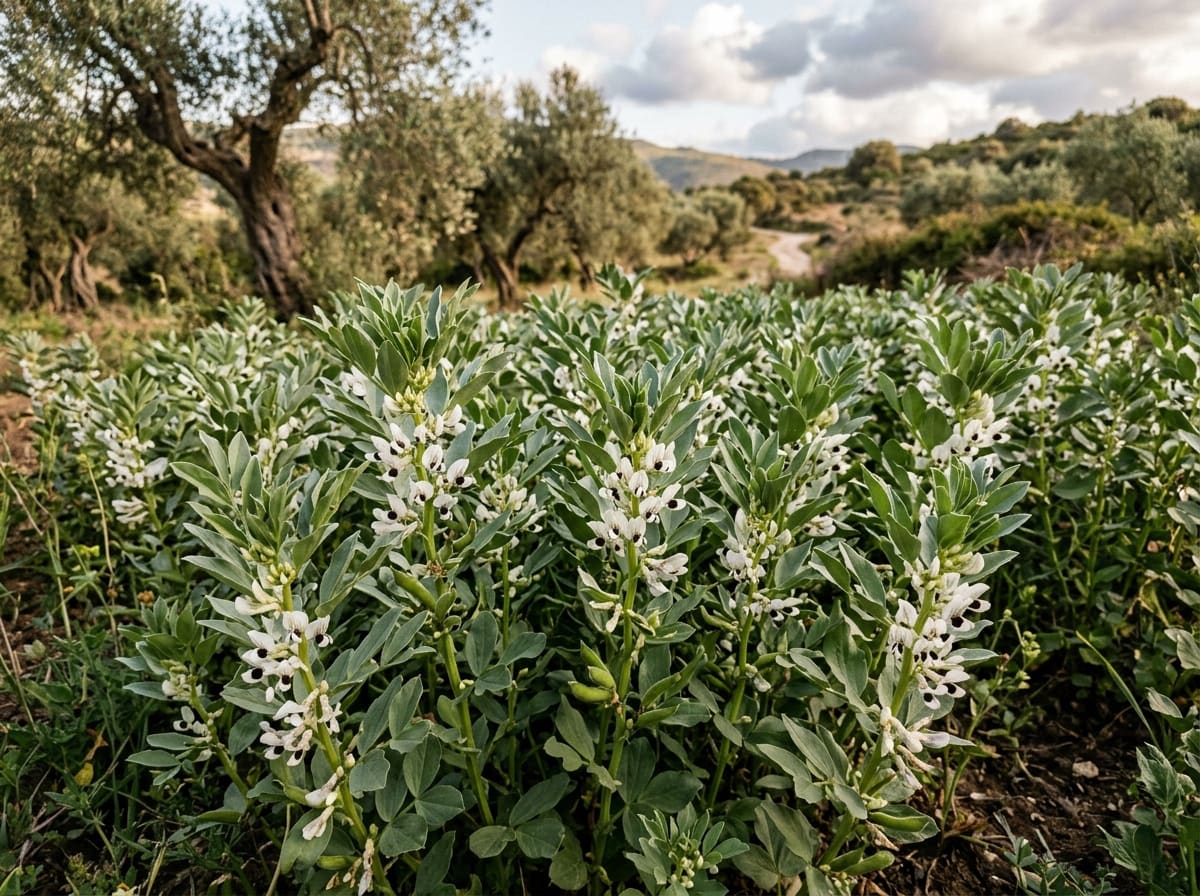
This chapter comes after soil because plants carry on the work of building it. A food forest arranges edible and useful plants in layers, so that it works like a natural woodland. A plant guild gathers mutually supportive partners around a centre. Polyculture grows several species together on the same ground, agroforestry combines trees and shrubs with crops or animals, and syntropic agriculture grows food by speeding up the succession of a forest. Nurse trees shelter young target trees through their first years. Nitrogen-fixing plants host bacteria that turn nitrogen from the air into a form plants can use, and dynamic accumulators can draw minerals up from the subsoil with their deep roots.
Below you will find the systems and the helpers that hold them together. The plant portraits of the TerraWiki then show the individual species.
Pages in this chapter


Try it yourself
Read the layers of a hedge or wood edge
- 1On a walk, stop at an old hedge, a wood edge or an overgrown corner of a park.
- 2From the path, look for each layer: tall trees, small trees, shrubs, herbs, plants that cover the ground, and climbers.
- 3Sketch the layers one above the other, without picking anything.
- 4Note which plants grow in the shade of others and which stand in full sun.
- 5Compare your sketch with a bed or a lawn near your home: how many layers does it have?
At Sa Medada
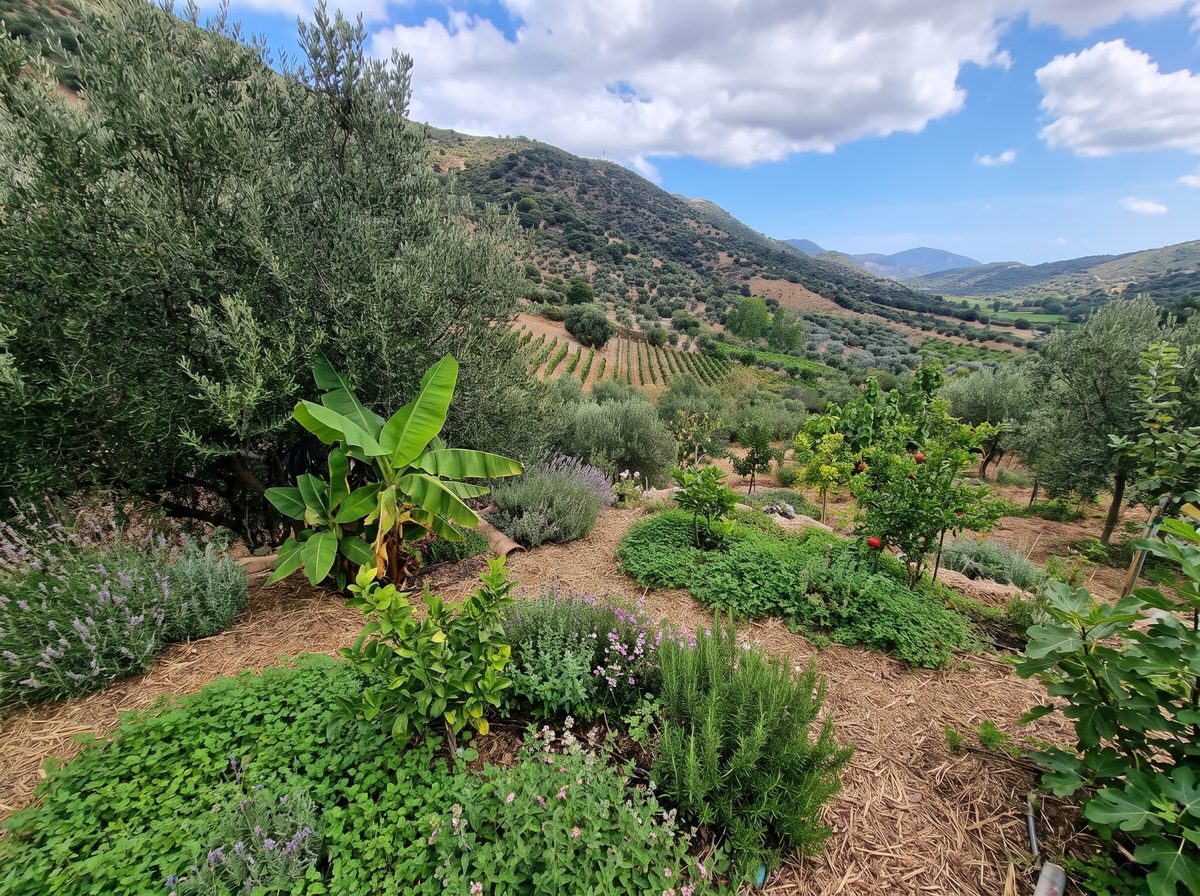
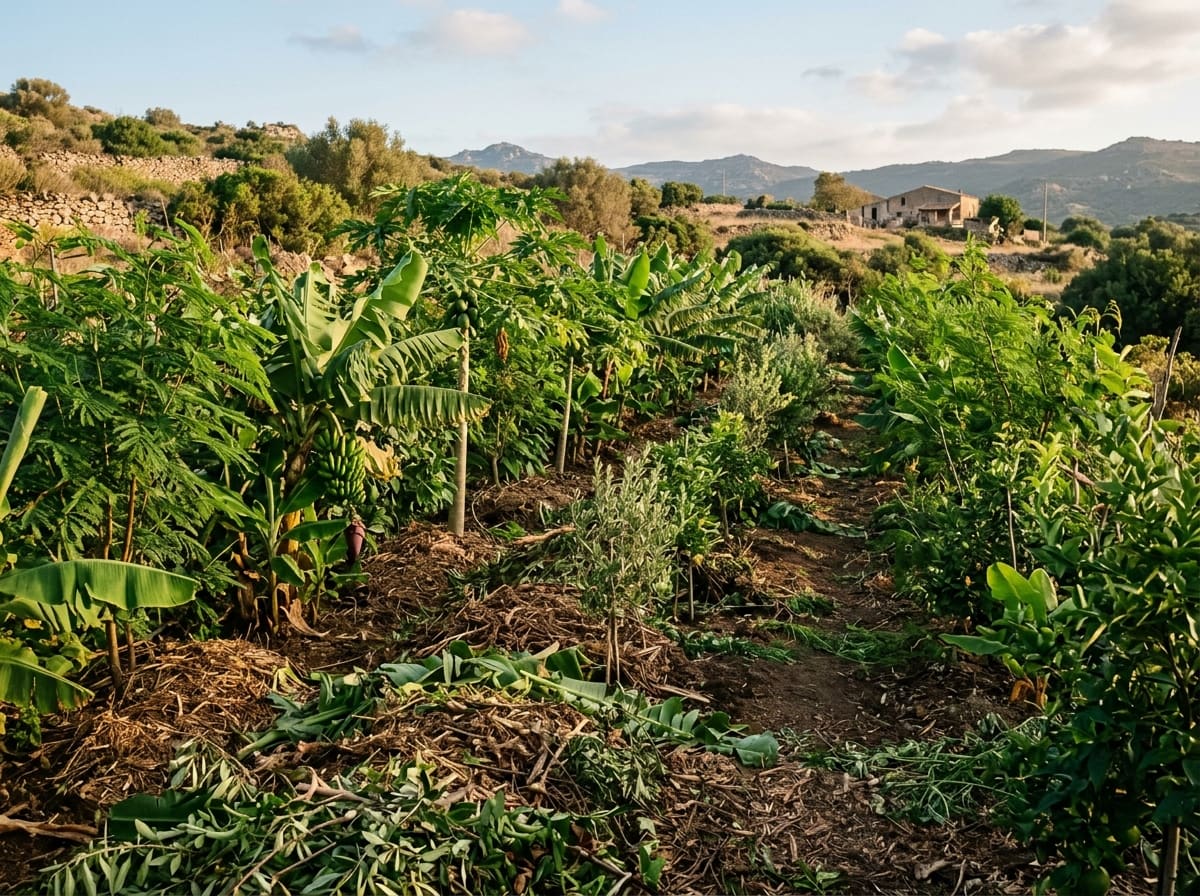
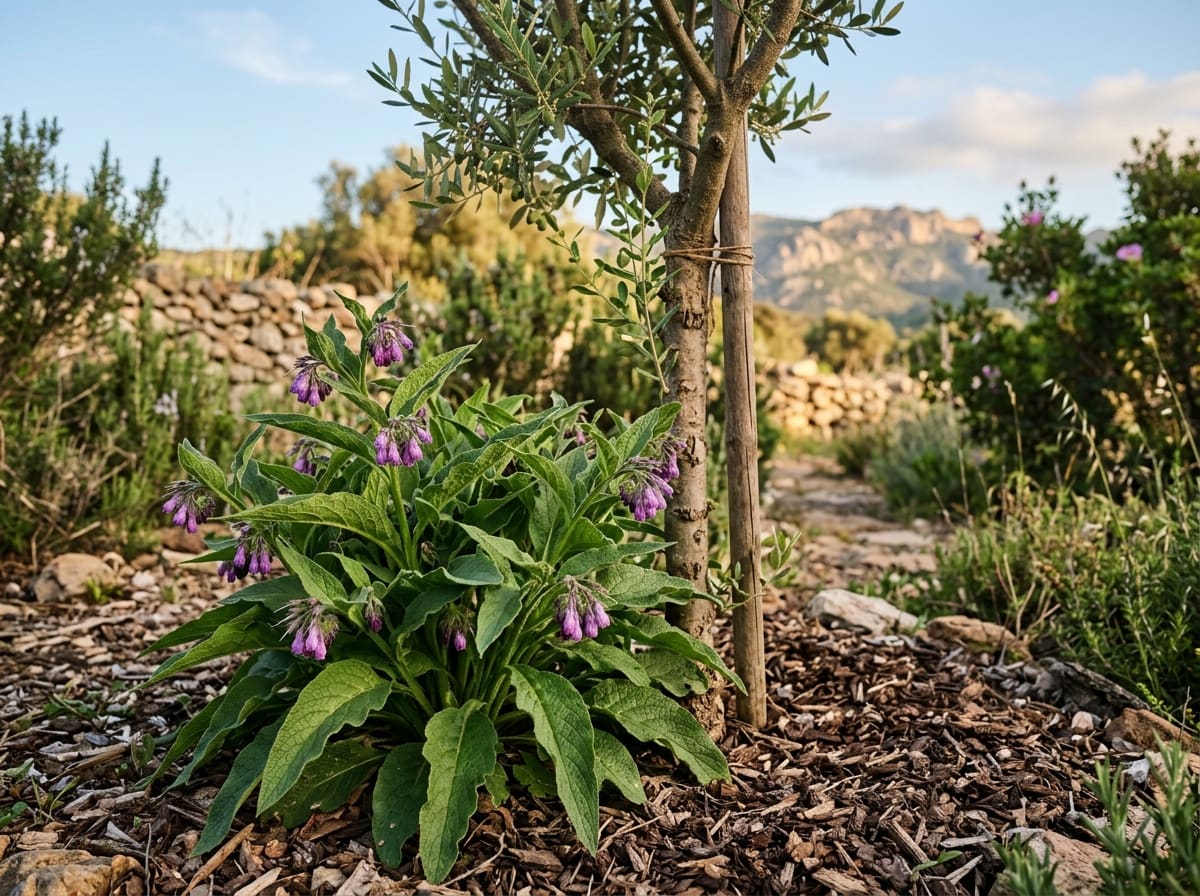
At Sa Medada the food forest begins beneath olive trees that are already there. In the open ground grow, among others, banana, mango, avocado, guava, cherimoya, papaya, passion fruit, lychee, moringa, persimmon and citrus. Tephrosia, Leucaena, coral tree, Inga edulis and Pacay are in the ground as nitrogen fixers, so far without inoculation, and a Leucaena two metres tall already shades two avocados.