

Chapter 7 of 12
Building soil
Cover, feed and never strip it: how soil life comes back.
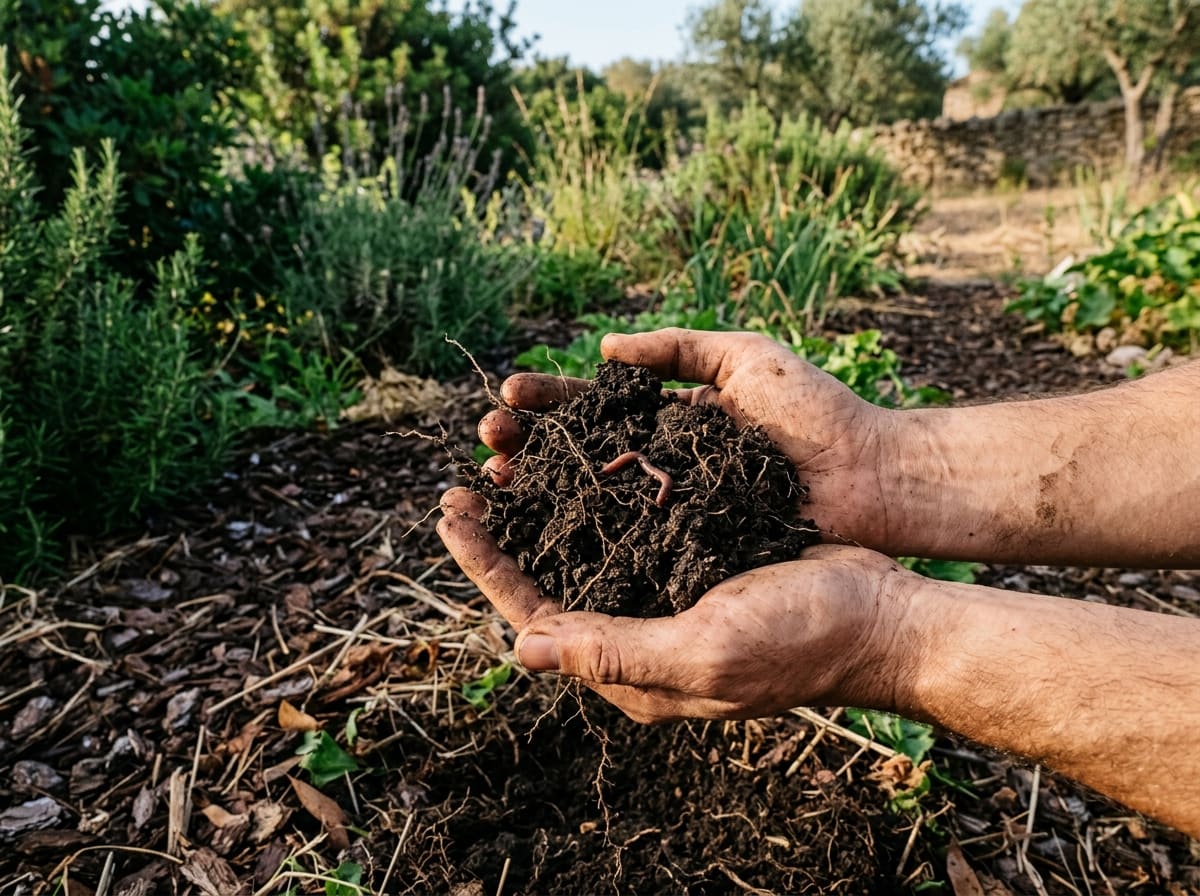
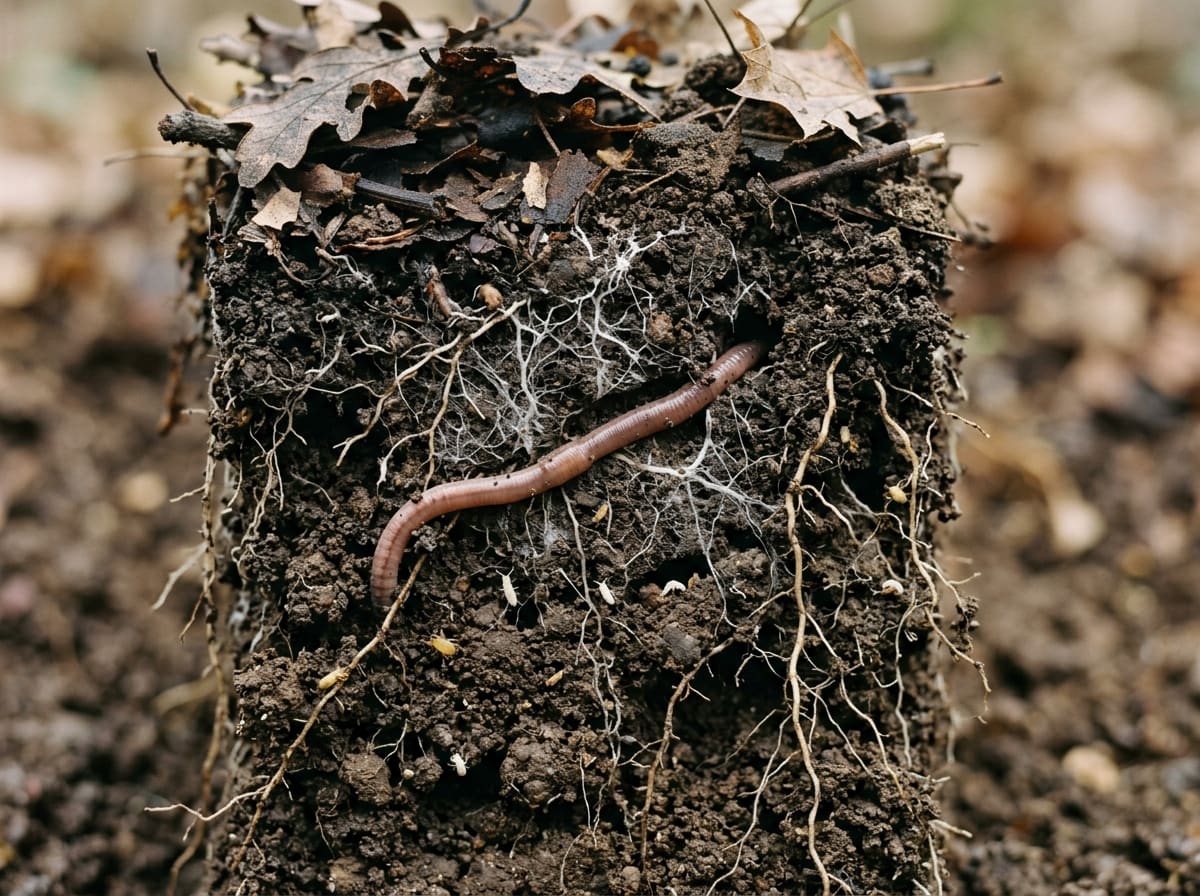
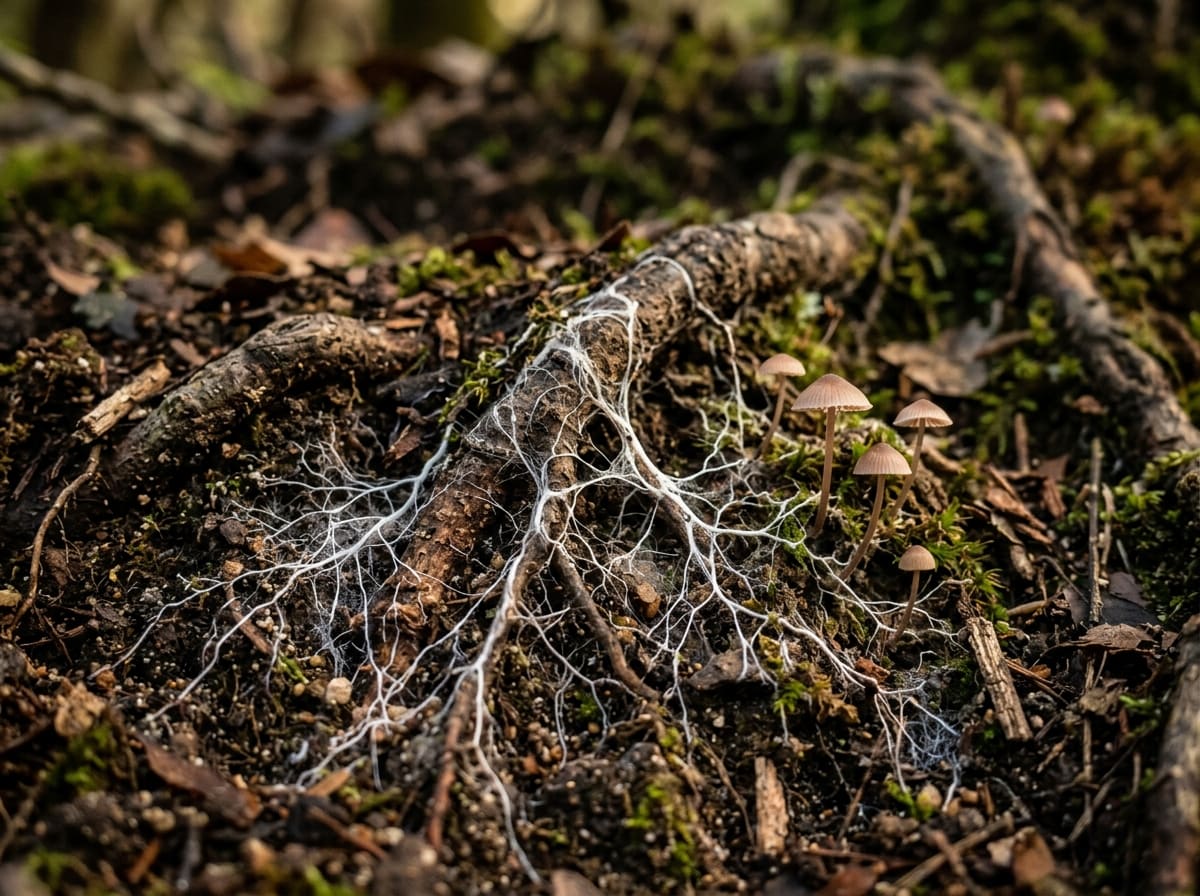
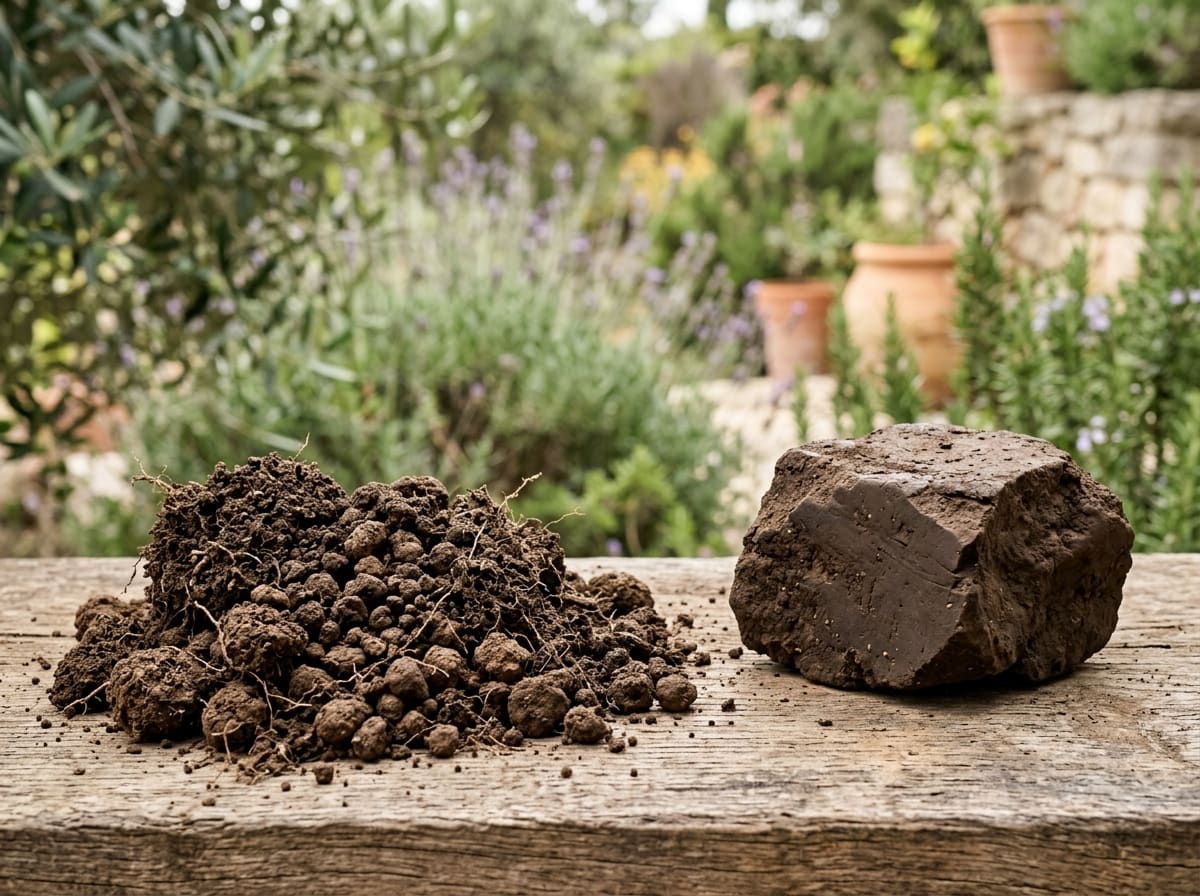
0 of 14 pages read. Read them all for the stamp in your travel passport.Living soil is the hidden half of every garden. Humus, the dark and stable part of its organic matter, holds water and nutrients and gives soil its colour, smell and structure. In it lives a whole food web, from bacteria and fungi to mites and earthworms, which digests dead matter and turns it into food for plants. Mycorrhizal fungi reach water and phosphorus for the roots and receive sugars in return.
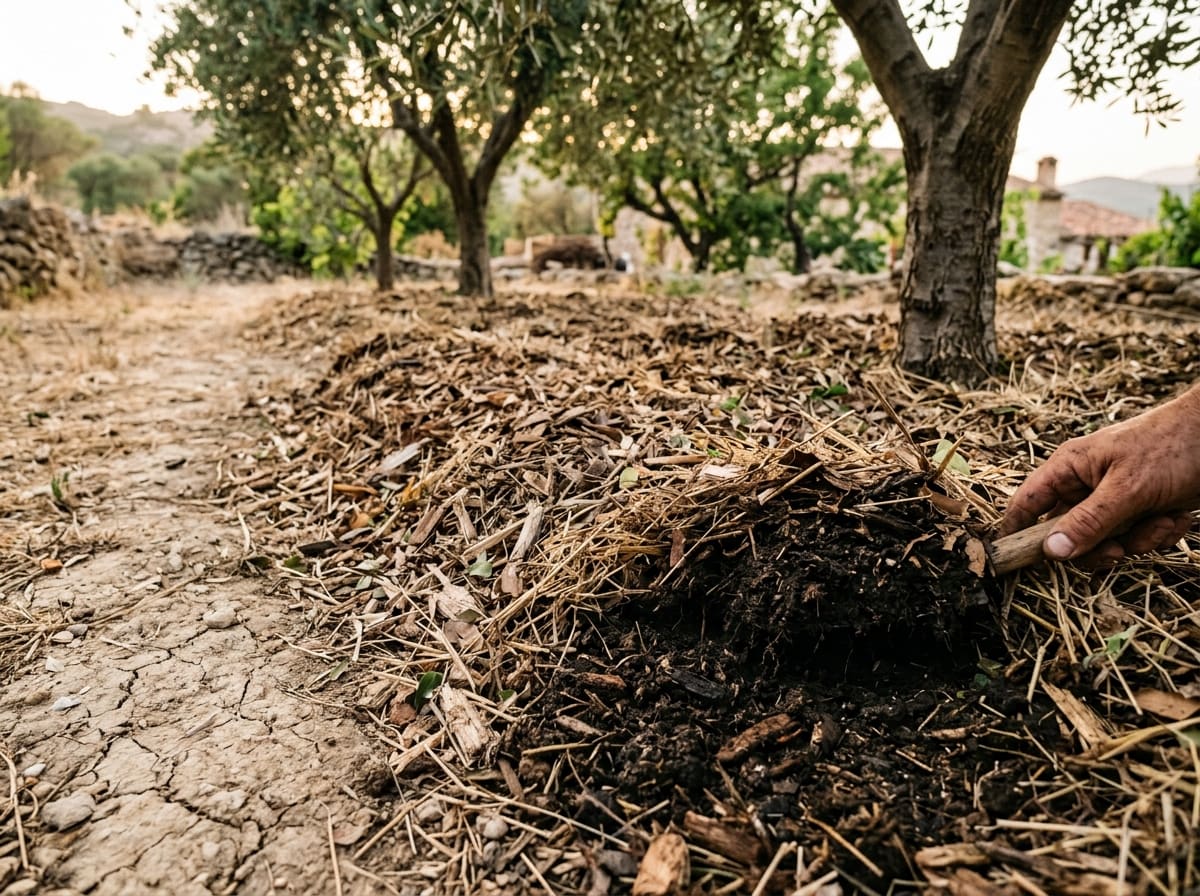
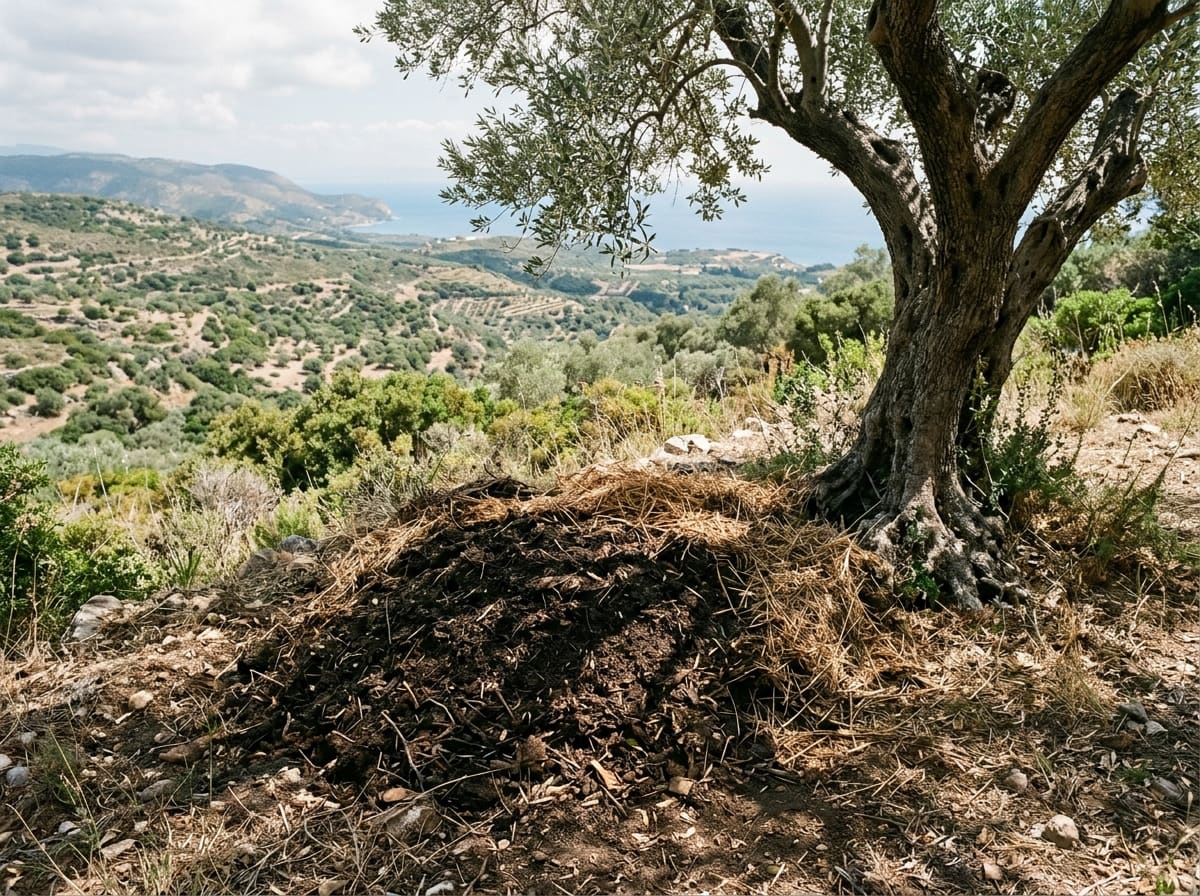
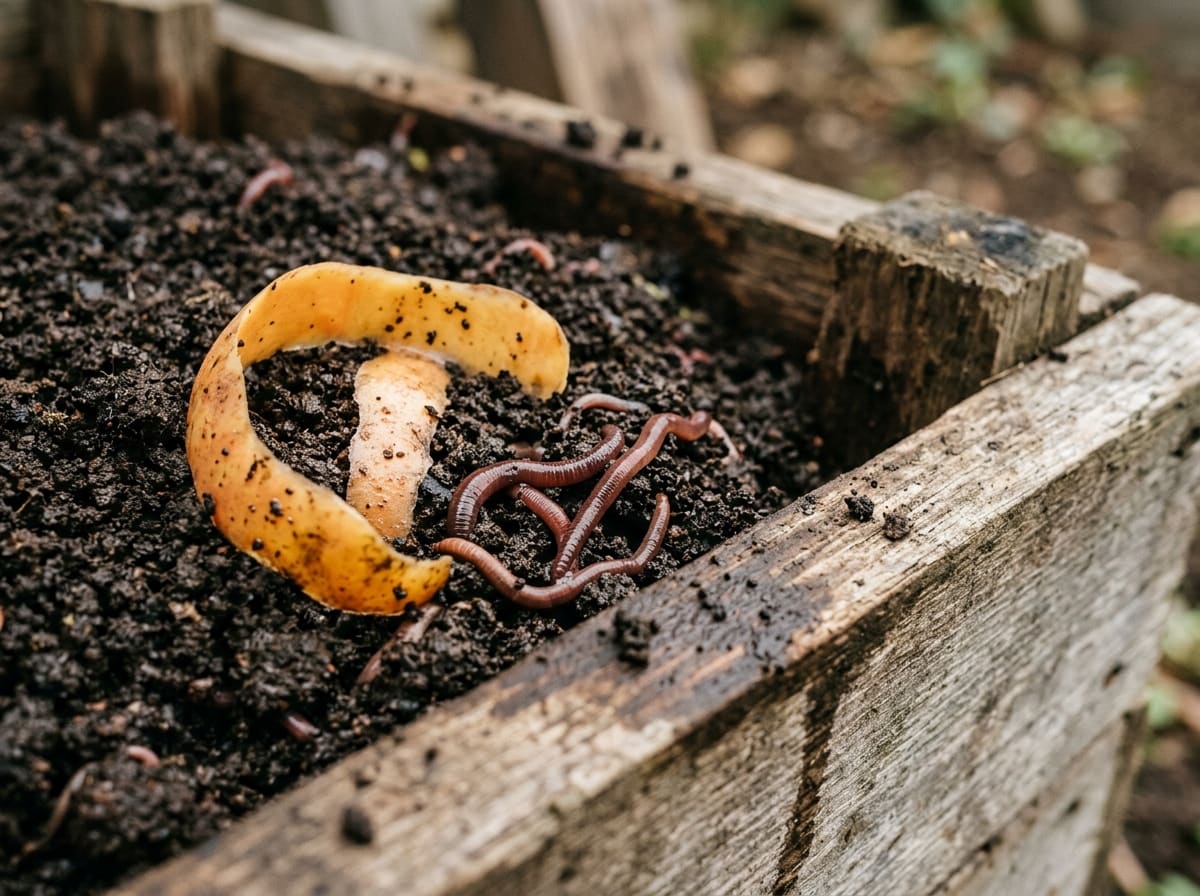
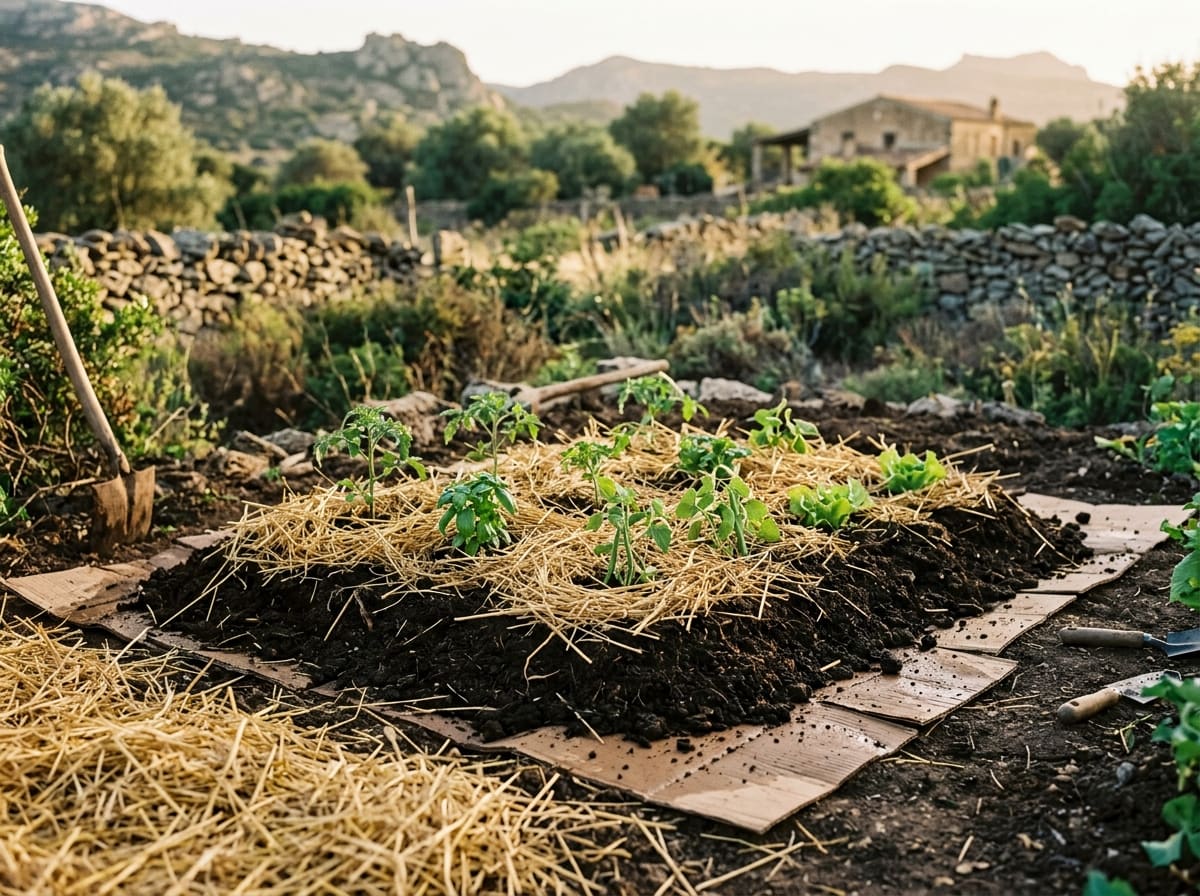
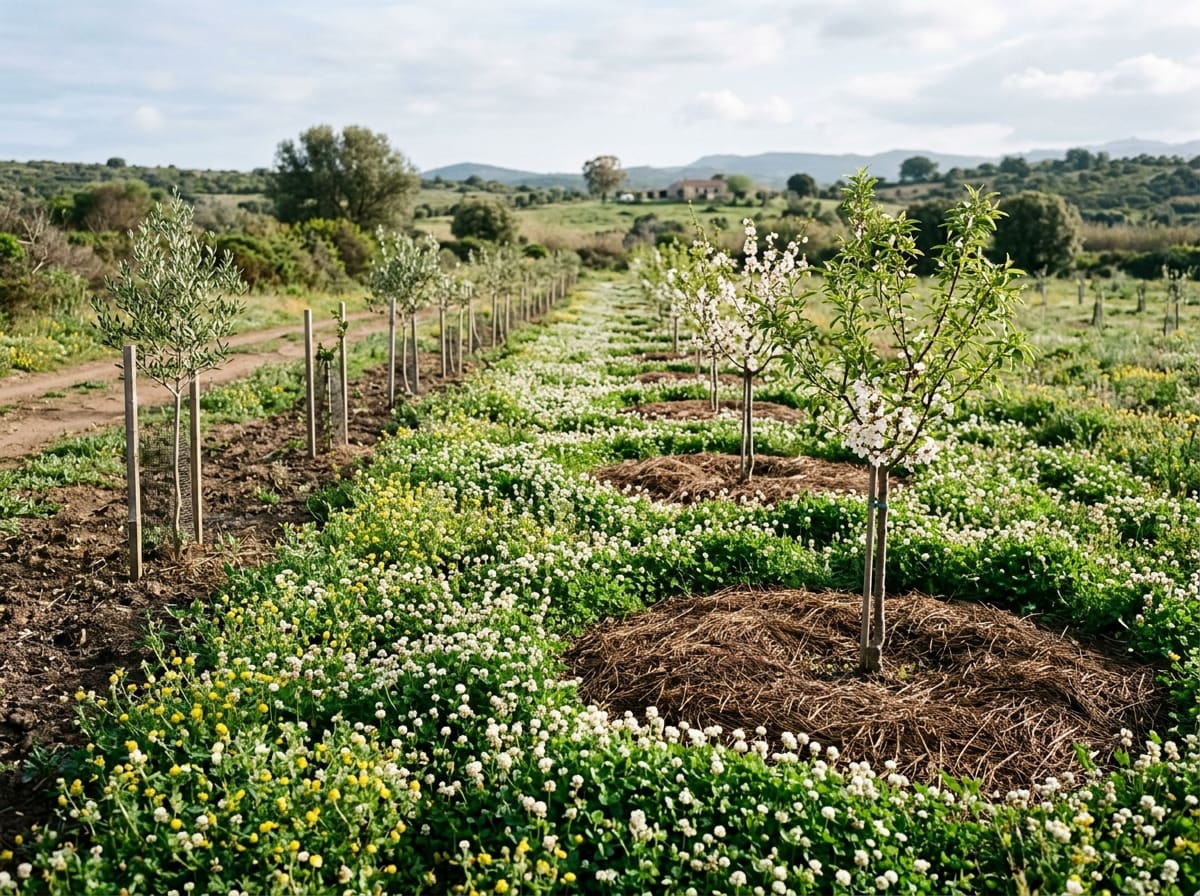
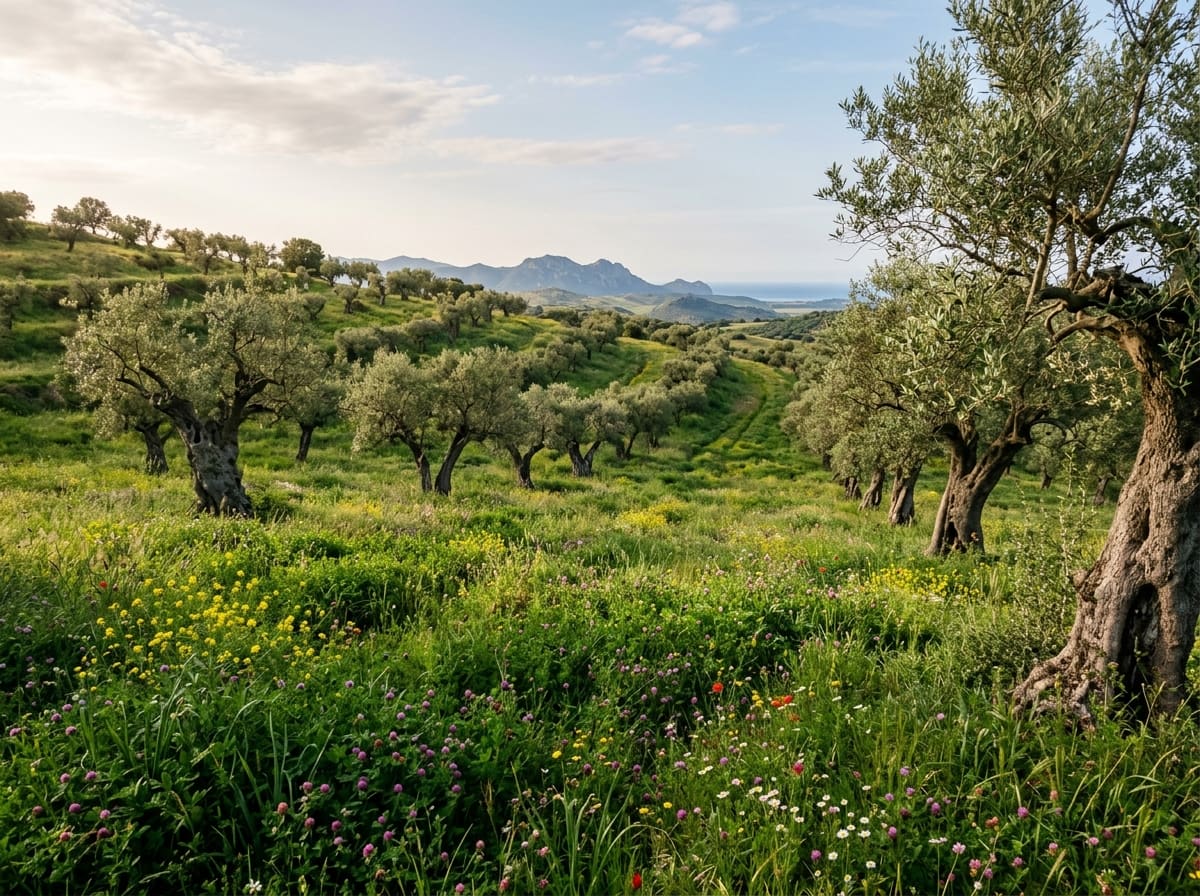
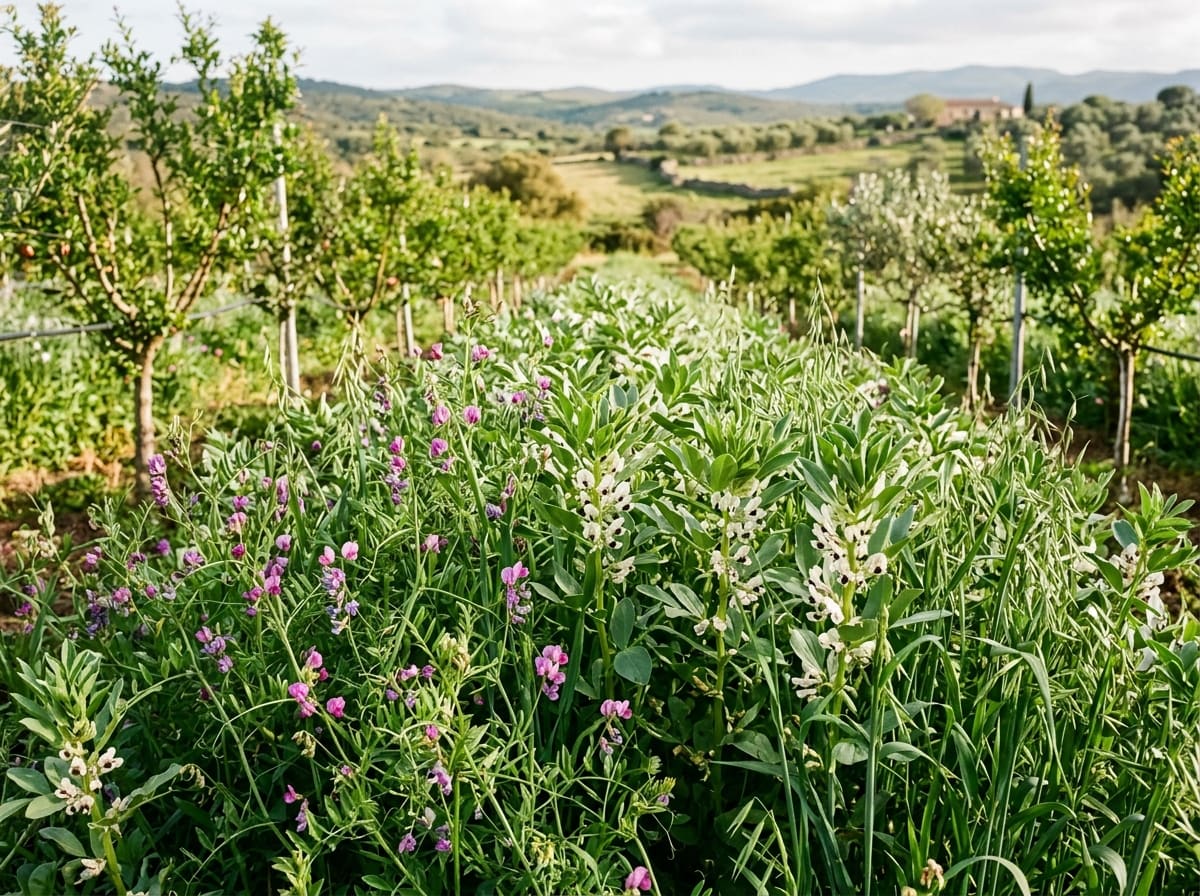
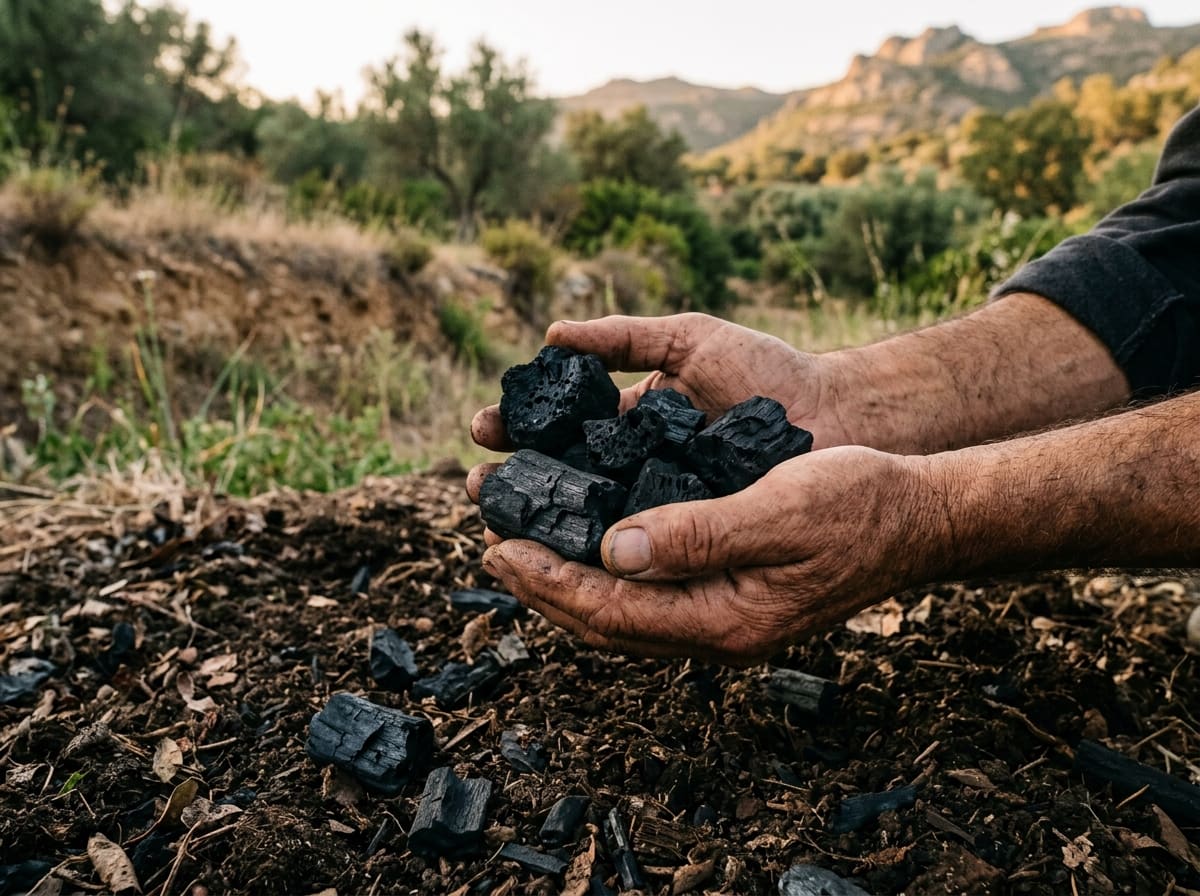
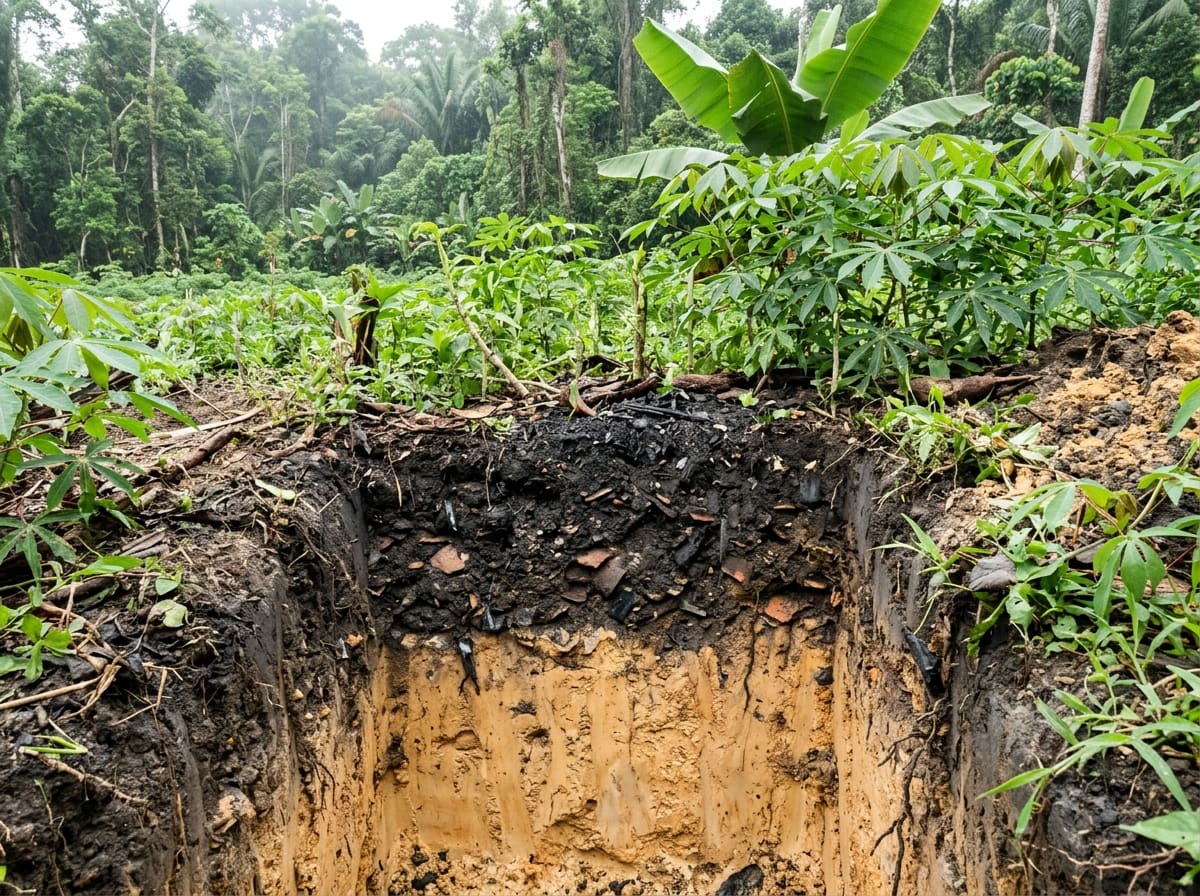
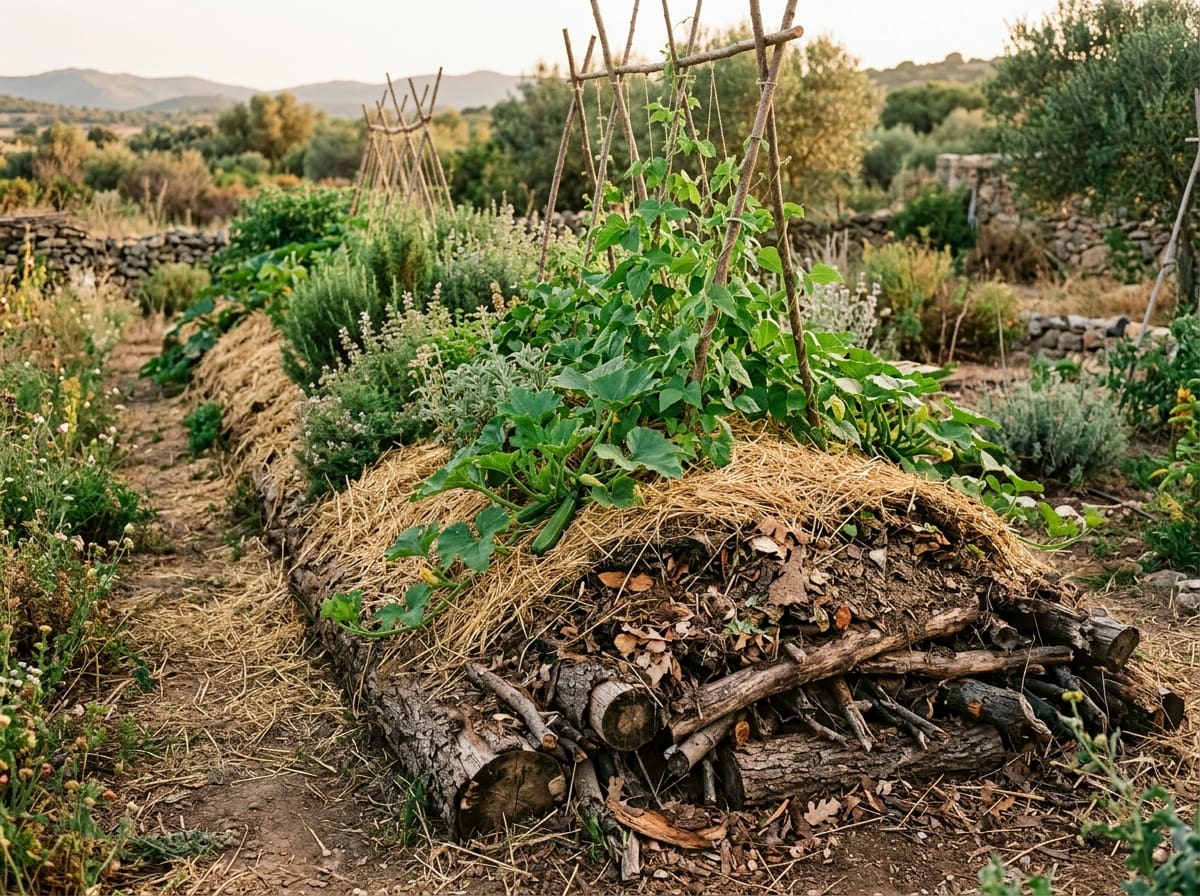
This chapter follows water because the two depend on each other. Soil with a good crumb structure takes in the rain, and only moist soil keeps its life. The basic rule is to cover it, feed it and never leave it bare. Mulch cuts evaporation and keeps the ground cooler. Sheet mulching builds soil from the top down, so that decay does the work a plough would otherwise do. Cover crops, living mulch and green manure protect the ground and feed it. Compost returns the nutrients of organic residues, hügelkultur buries decaying wood beneath a bed, and biochar improves structure and water holding. Terra preta, the dark soils of the Amazon, shows that soil made by people can stay fertile for centuries.
The pages below describe each method and what it does for the life underground.
Pages in this chapter


Try it yourself
Cover half a patch
- 1Choose a small bare patch in the garden, or a large pot with soil.
- 2Cover one half with a hand's depth of fallen leaves, straw or grass clippings you already have, and leave the other half bare.
- 3Water both halves equally if it does not rain.
- 4After two weeks, lift the cover and feel both halves with your hand: which is moister and cooler?
- 5Look closely for earthworms, fungal threads and small creatures, and note what you find on each side.
At Sa Medada
There is no laboratory analysis of the soil at Sa Medada yet, so we make no claims about its nutrients. Project Eden begins with pioneer plants, ground cover and holding water: on a slope with a dry season from May to September, covering the soil is the first step, not a refinement. Support plants are pruned back, and the cut material stays on the ground as mulch.