

In brief
Fast, hardy trees and shrubs that shelter young target trees through their first years, softening sun, wind and drought until the protégés stand alone.
What are nurse trees?
On a bare Mediterranean slope, the hardest thing a young tree will ever do is survive its first three summers. The sun is merciless, the wind steals moisture, the soil is often too poor and too hot to hold a root system that is still small. Foresters and restorers have long known a way to shorten those odds: plant a protector first, or alongside.
A nurse tree is that protector: a fast, tough, undemanding tree or shrub whose job is not to be the forest, but to make the forest possible. It rises quickly, casts a broken, gentle shade, slows the wind, and keeps the ground beneath it cooler and moister than the open slope. In its shelter, the slow and valuable trees, the oaks, the olives, the fruit and nut trees, get the mild first years they need. Ecology calls this facilitation: the measurable improvement of one plant's conditions by another. In dry lands, study after study finds that young trees survive far better under nurses than in open ground.
Many of the best nurses carry a second gift. Species like tagasaste, acacia or oleaster are nitrogen fixers, so while their crowns shelter, their roots feed. Shelter above, fertility below: the two roles braid naturally, because both belong to the same pioneer temperament that thrives on poor ground.
A nurse is not planted forever. From the first day, the plan includes its retreat: hard pruning that turns its branches into mulch, thinning as the protégé's crown widens, and finally removal or permanent coppicing once the shelter is no longer needed. A nurse that is never managed can become a competitor, which is why the best nurse species are also the easiest to cut.
How Terra Humana understands it
Nurse trees embody a conviction at the heart of Terra Humana's method: that vigorous pioneer species are tools of healing, not weeds to be feared. A degraded slope is not restored by planting the final forest straight into hostile ground, but by letting tough, generous species build the conditions in which that forest can live. The nurse tree is this principle at the scale of a single young tree, succession compressed into a planting hole.
It is also a quiet lesson in how Terra Humana thinks about care generally: strength in service of the vulnerable, protection that plans its own stepping back. What a nurse does for a sapling is what a foundation hopes to do for a landscape.

Sa Medada
What this looks like at Sa Medada
Our first nurse at Sa Medada is a Leucaena: it is now two metres tall and shades two avocados. Around seven Leucaena stand on the land in all. Tagasaste, another proven nurse, has been raised from seed since August 2026 and is to be planted out with the winter rain.
More about Project EdenPlants in this entry
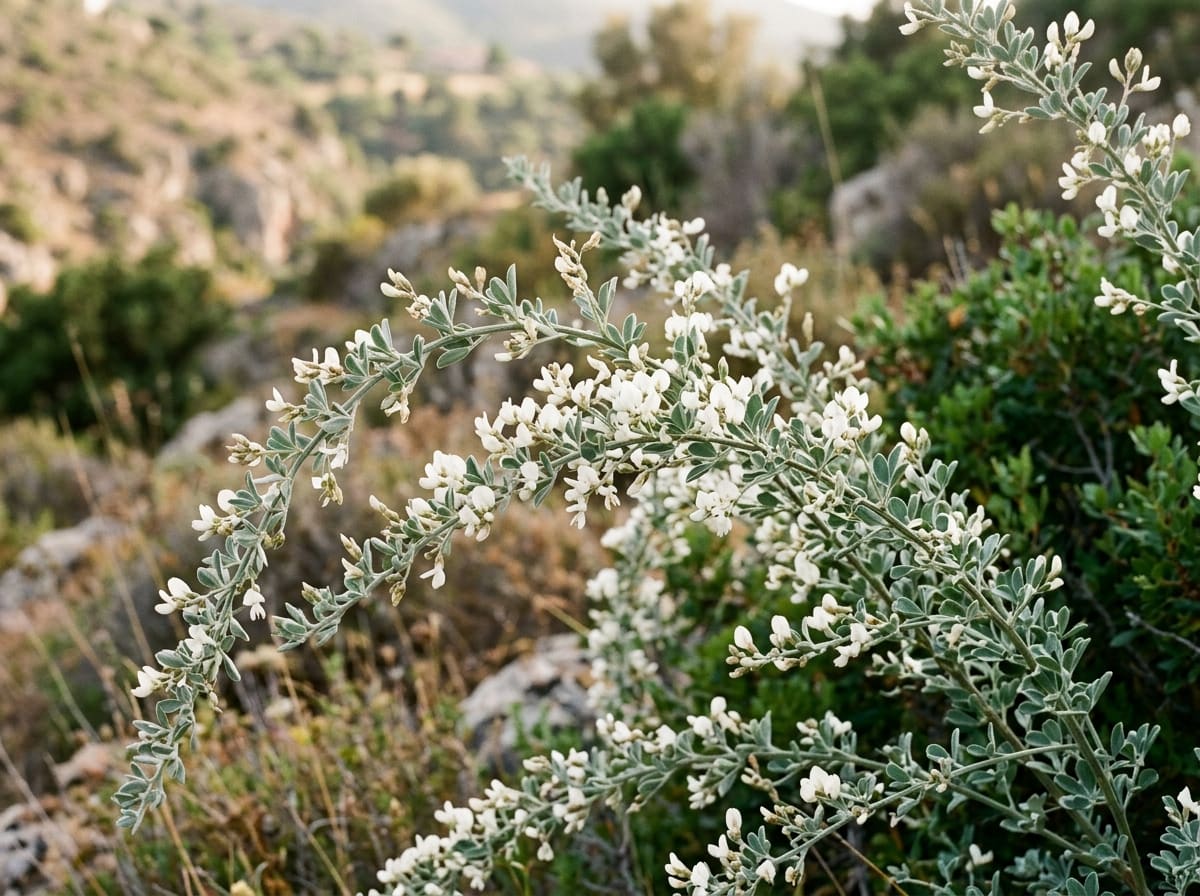
TagasasteChamaecytisus proliferus 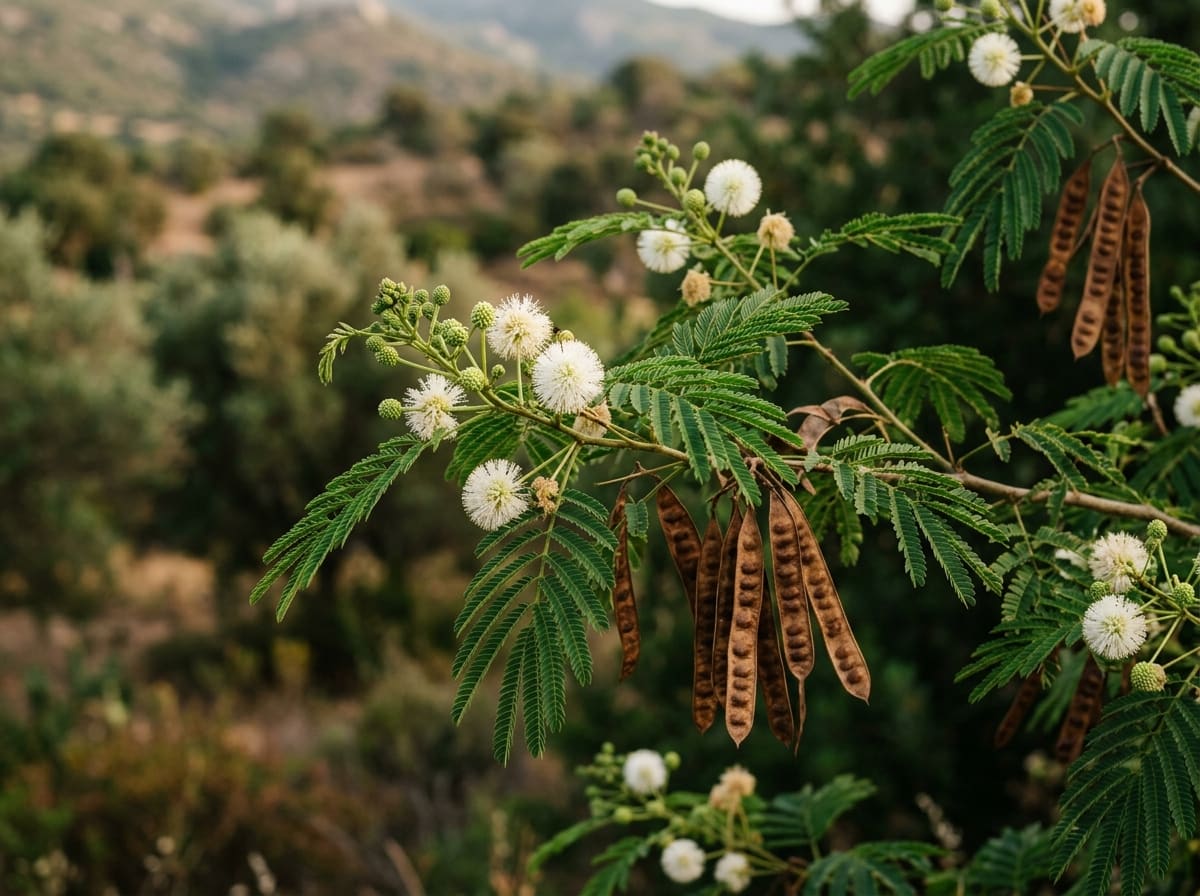
LeucaenaLeucaena leucocephala 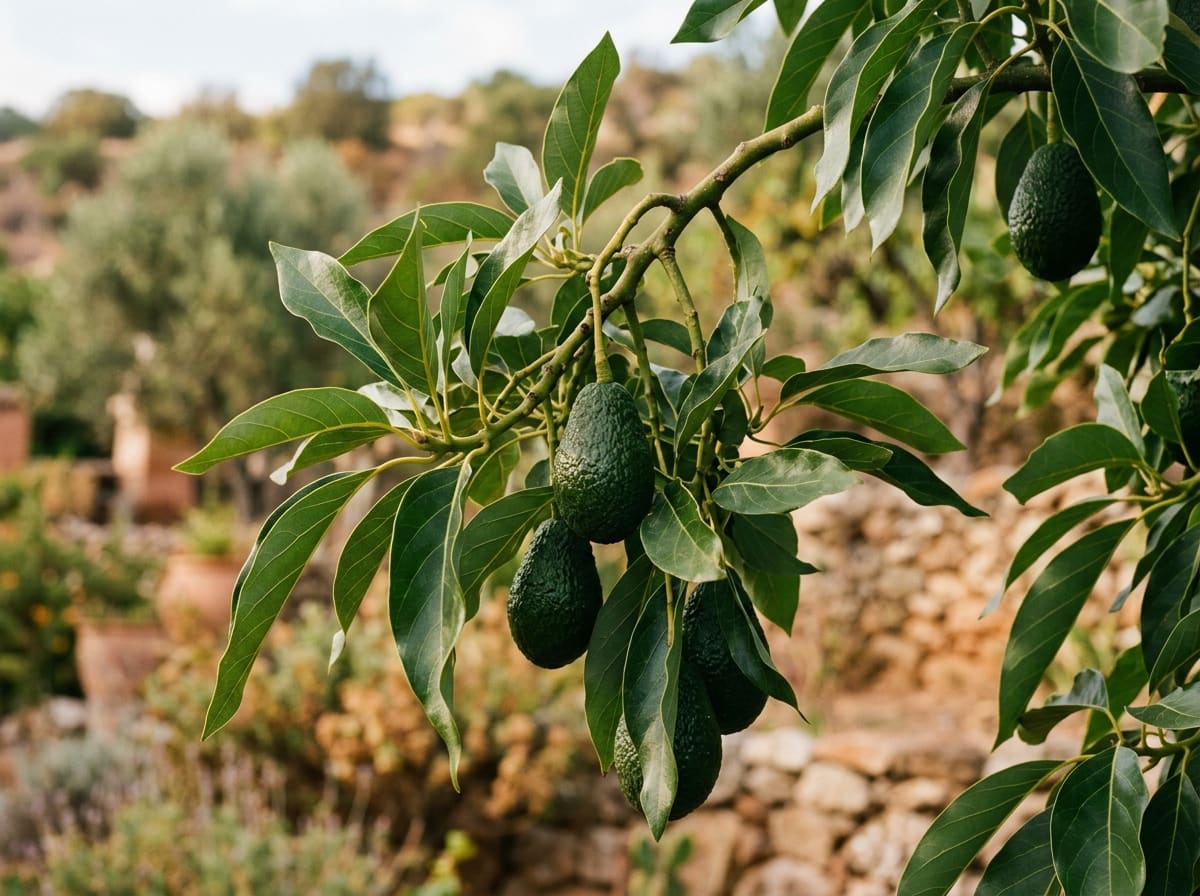
AvocadoPersea americana


Frequently asked
What is a nurse tree?
A nurse tree is a fast-growing, tough tree or shrub planted alongside a slower, more valuable target tree to protect it through its first years. It casts light shade against scorching sun, breaks the wind, keeps the soil around the young tree cooler and moister, and often, when it is a nitrogen-fixing species, feeds the soil as well. Ecologists call the underlying mechanism facilitation: one plant improving the conditions of another. Once the protégé is established, the nurse is pruned back or removed.
Which trees and shrubs work as nurses in a Mediterranean climate?
Good Mediterranean nurses combine speed, drought-hardiness and easy removal. Proven choices include tagasaste (Chamaecytisus proliferus), the acacias, oleaster (Elaeagnus), broom on poor slopes, and in cooler moist spots alder. Many of the best are nitrogen fixers, which is no accident: the same pioneer toughness that lets them grow fast on poor ground also makes them generous neighbours. Even a simple dense shrub or a planted row of sunflowers can serve as a short-lived nurse for a first summer. With acacias there is one firm line: Acacia saligna and Acacia mearnsii are on the EU list of invasive alien species of Union concern, and Terra Humana does not use them; every acacia not on that list remains a welcome nurse.
What is the difference between a nurse tree and a pioneer species?
Pioneer species is the wider term: plants that colonise bare, damaged ground first and prepare it for what follows. A nurse tree is a pioneer put to deliberate work for one specific protégé. Every nurse tree acts as a pioneer, but not every pioneer is planted as a nurse. In planting plans the two roles often overlap on purpose: the same tagasaste that nurses a young olive is also pioneering the wider slope.
Are nurse trees removed later?
Usually they are managed rather than simply left: pruned hard for mulch, thinned, coppiced or finally removed once the target tree no longer needs shelter, typically after three to ten years depending on site and species. This is planned from the start, and it is why fast, soft-wooded, easily cut species make the best nurses. Their ending is part of their job: the pruned material becomes mulch and soil, a last gift to the tree they raised.
How many nurses are needed, and how are they staggered?
Practice staggers nurses not by size but by lifespan, in four stages: a cover crop living a single season, closing the bare ground; a short-lived leguminous shrub for four to five years; a medium-term leguminous tree for ten to fifteen years; and a long-term legume that grows on into the canopy. At the outset the short-lived stages are planted at a multiple of what will remain at the end, and that is deliberate: the mass is not wasted but consumed, into mulch, shade and soil. Plant only one stage and you either lose all shelter within three years or keep one competitor too many after twenty.

Related terms


Mentioned in
See this in practice
Sources
- Ragan M. Callaway, Positive Interactions and Interdependence in Plant Communities (2007)
- Gómez-Aparicio et al., Applying plant facilitation to forest restoration, Ecological Applications (2004)
- Agroforestry Research Trust, publications on support species
- Ernst Götsch, principles of syntropic support species
Last updated: 2026-10-01