

Chapter 5 of 12
Designing: the tools
Zones, sectors and the other tools that turn observation into a design.
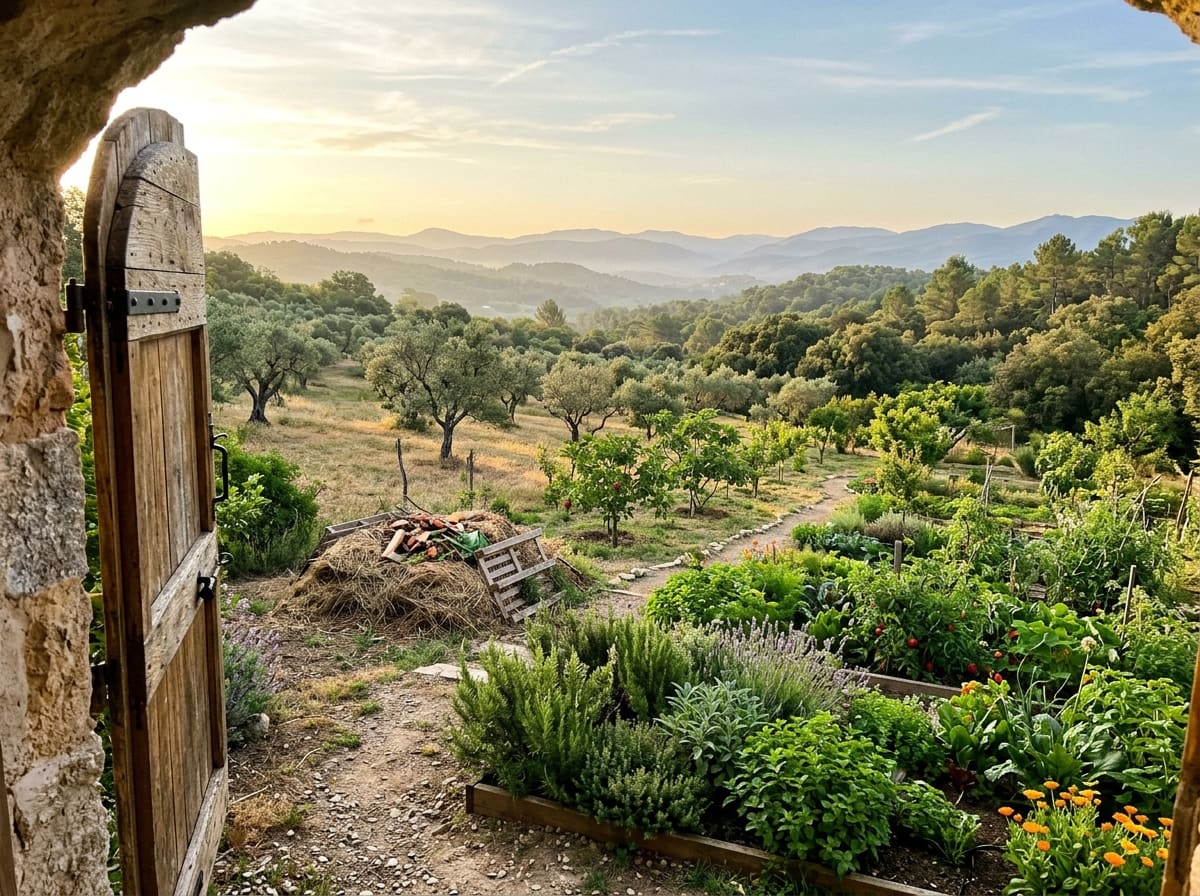
0 of 7 pages read. Read them all for the stamp in your travel passport.Observation becomes a design through a handful of tools. The best known are the zones: each element is placed by how often people tend it, from the house in zone 0 out to wild land in zone 5. What needs daily care belongs close to the door; what looks after itself can lie further out. Sectors add the energies that come from outside, such as sun, wind, fire, flowing water and cold air. Other tools ask what each element needs and gives, and how plants and uses can be stacked in space and time.
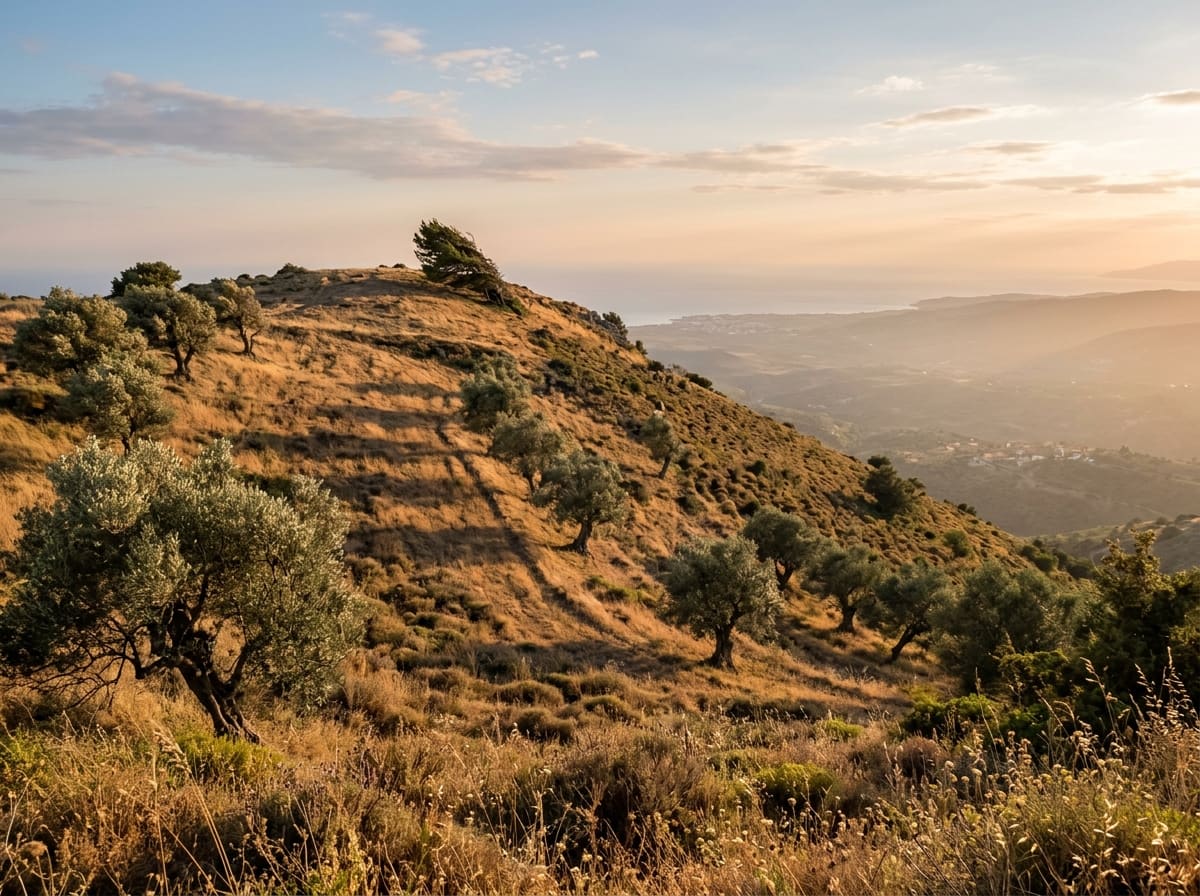
This chapter follows Reading the land because a tool is only as good as the observation behind it. Some tools grow straight out of the land itself. Keyline design reads the shape of a slope to move rainwater from moist valleys toward drier ridges and store it in the soil. The herb spiral packs several climates into a few square metres, so that herbs with opposite needs can grow side by side.
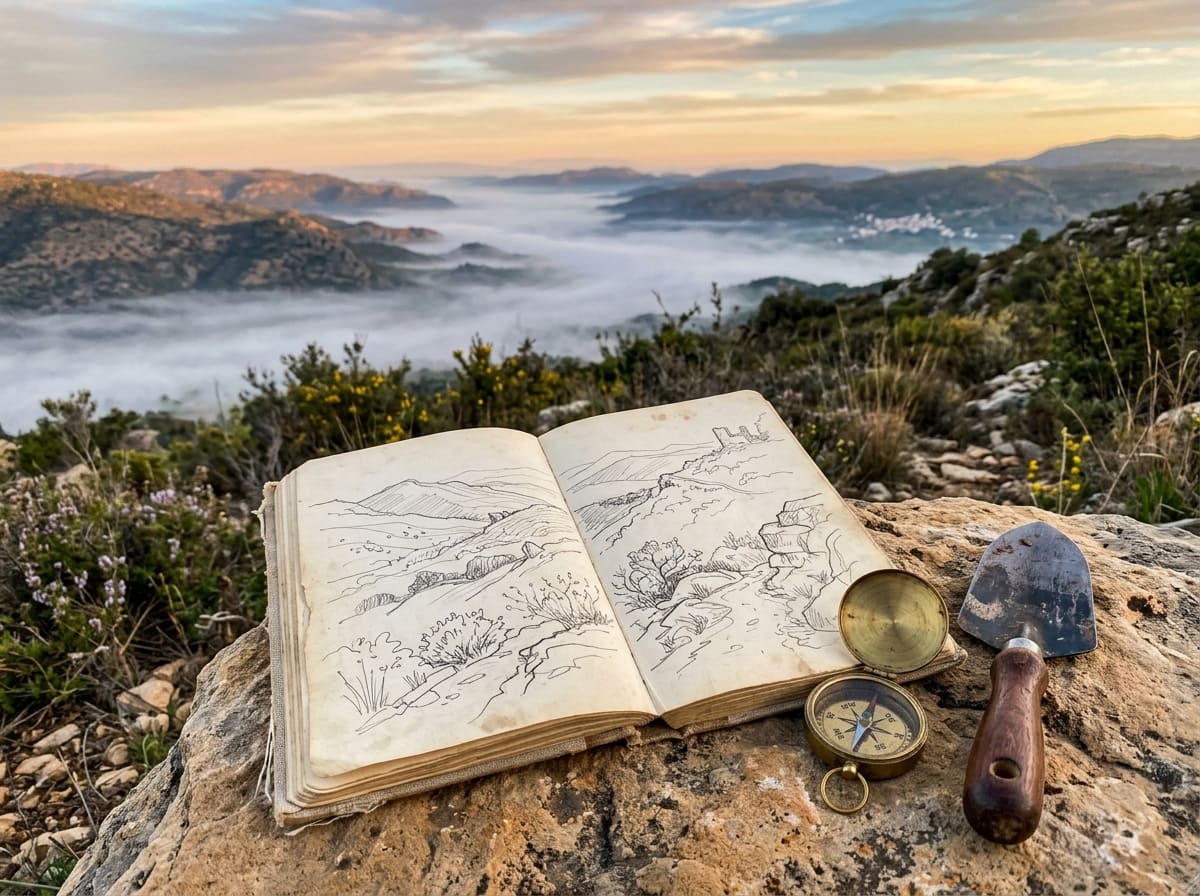
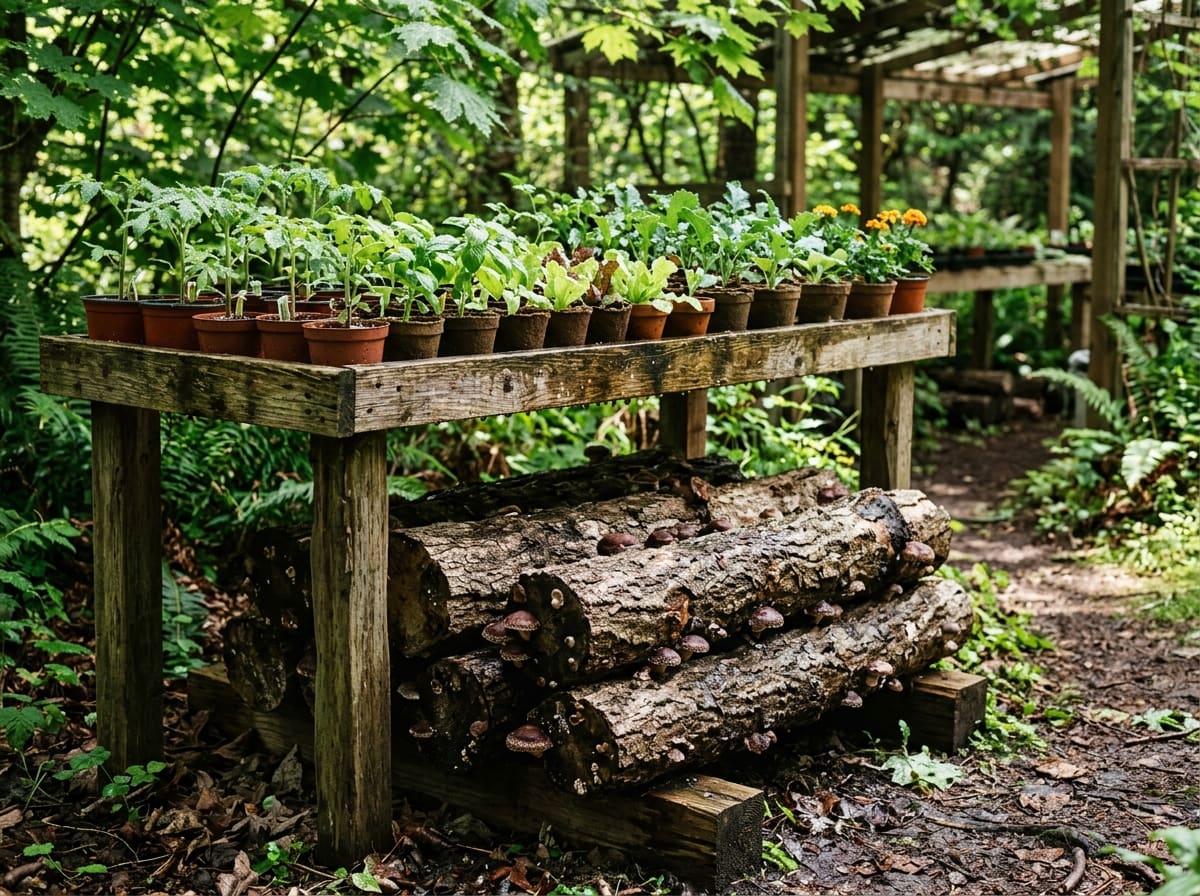
The pages below show how each tool works and how they fit together into a design process, from the first sketch to a plan you can follow.
Pages in this chapter
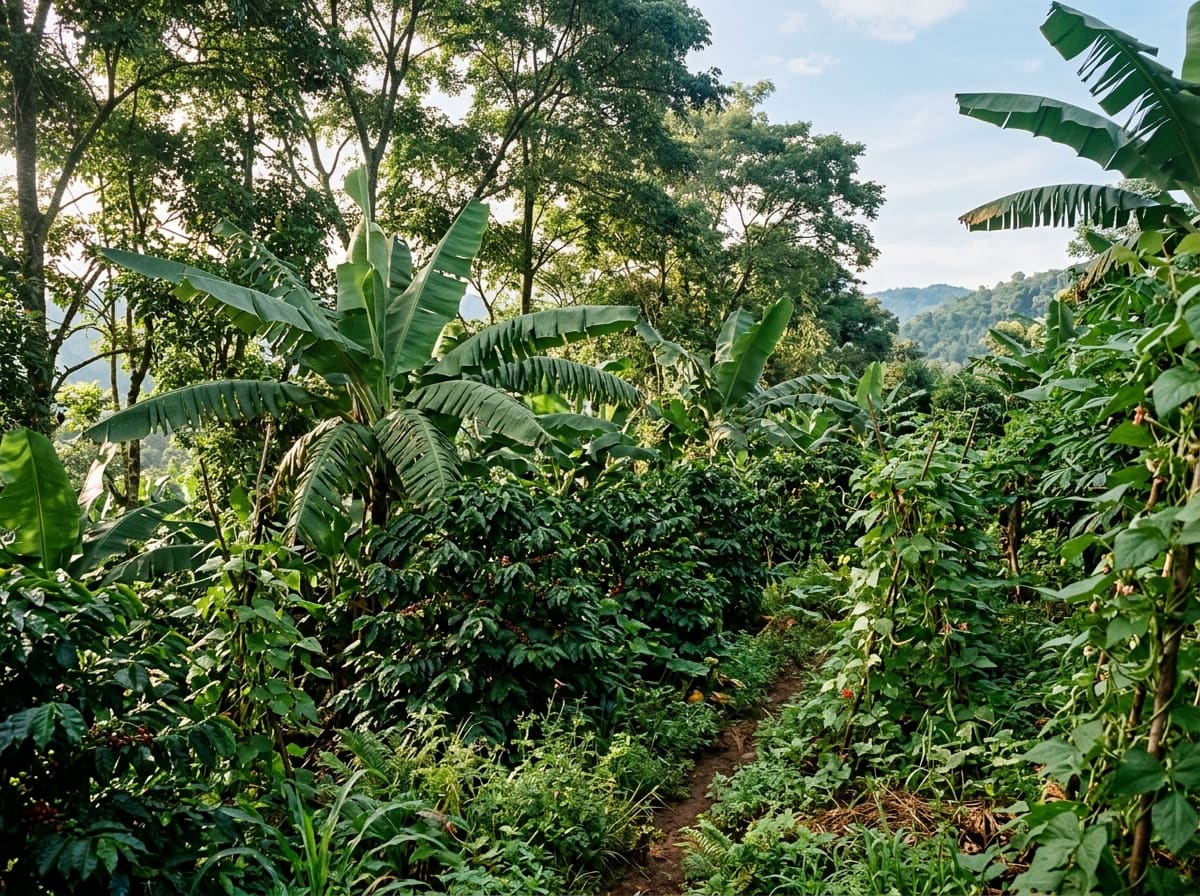
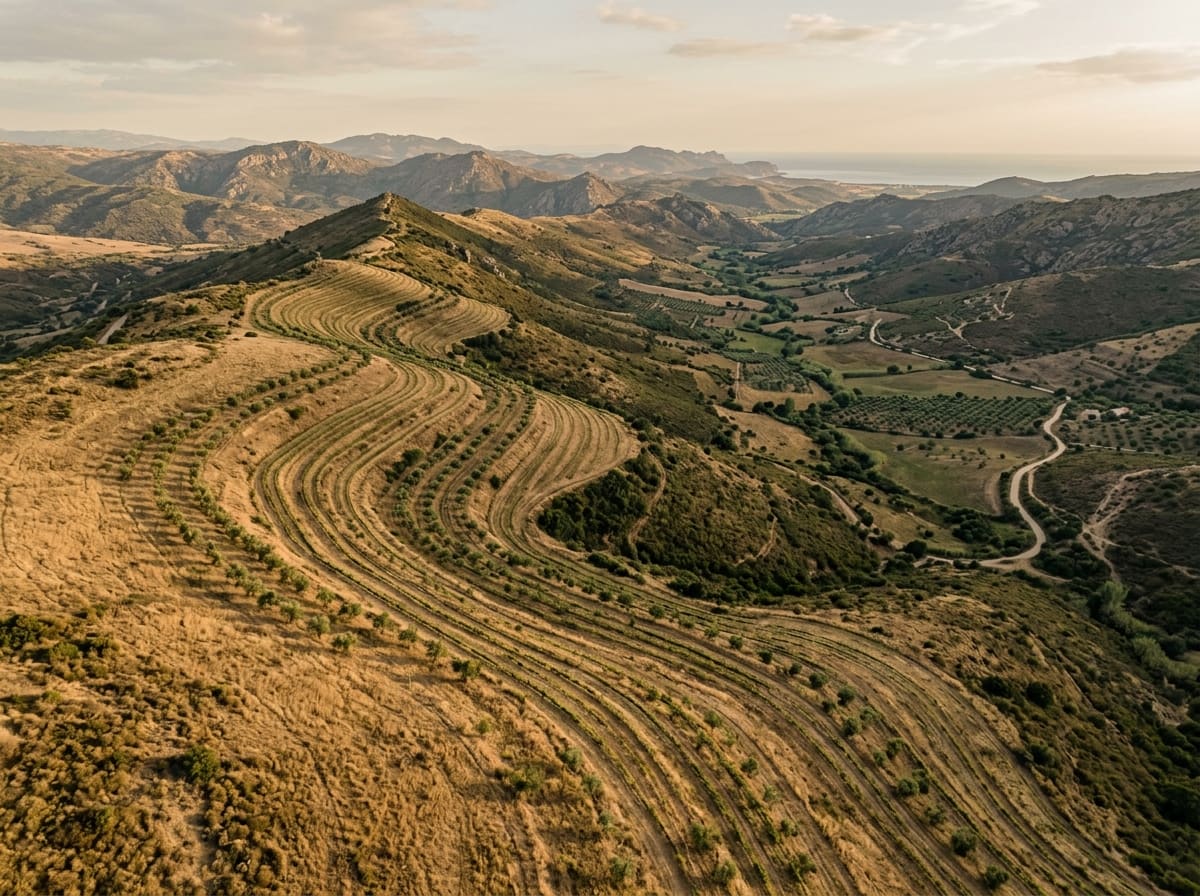
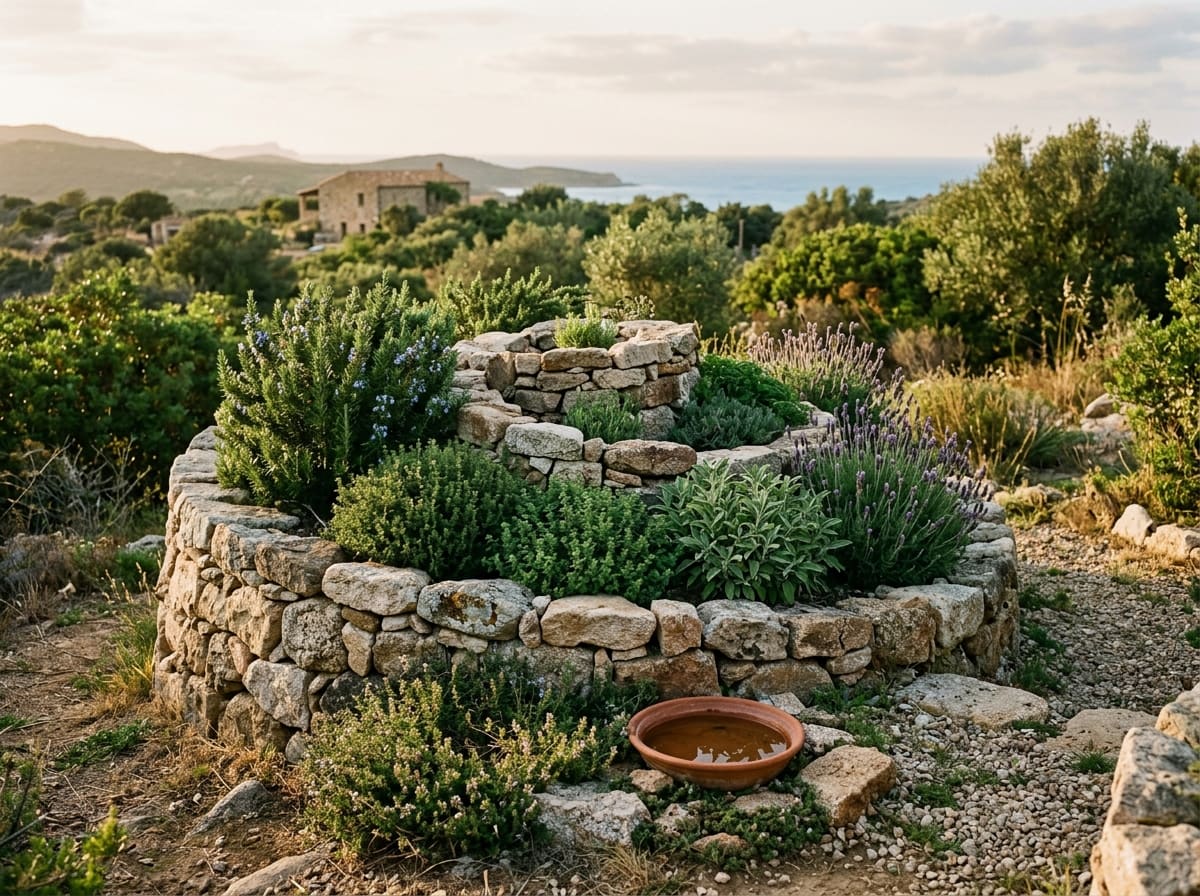


Try it yourself
Zones of your own home
- 1Draw a simple sketch of your home and what lies around it: a flat with a balcony, or a house with a garden.
- 2Mark the places you pass every day, every week, rarely and almost never.
- 3Give them zone numbers: what you pass daily is zone 1, weekly zone 2, and so on. They do not have to form neat rings.
- 4Check where your herbs, your watering can and your kitchen scraps are now. Are the things you need every day close at hand?
- 5Move one thing, such as a pot of herbs, closer to the door and see over two weeks whether you use it more.
At Sa Medada
Read with the zone tool in mind, the land at Sa Medada already suggests some outlines: the macchia on the steeper slopes would be the natural candidate for zone 5. A solar aspect map from LiDAR data shows the warmest and most sheltered parts of the south-facing slope. The altitude and wetness maps are the basis for laying out swales and keyline lines, which are meant to hold the winter rain in the slope.
Design check for your garden
Twelve questions, one for each principle. Balcony, back garden or smallholding: answer honestly, and at the end you will see where your place already holds and where the next step pays off. Your answers stay in your browser.
0 of 12 answered
Principle 1 · Observe and interact
Do you know where water runs across your place in heavy rain, and where it collects?
Principle 2 · Catch and store energy
Do you catch rain from the roof or in the soil instead of letting it run off?
Principle 3 · Obtain a yield
Does every larger element of your garden give something back: food, material, shade or joy?
Principle 4 · Apply self-regulation and accept feedback
Do you notice early when something gets out of balance, and then change your plan?
Principle 5 · Use and value renewable resources and services
Do plants and animals work for you, such as nitrogen fixers, mulch from your own prunings or beneficial insects, instead of bought inputs?
Principle 6 · Produce no waste
Do kitchen scraps, leaves and prunings stay on your ground as compost or mulch?
Principle 7 · Design from patterns to details
Did you first sketch the big picture, meaning water paths, sun, wind and access, before laying out single beds?
Principle 8 · Integrate rather than segregate
Does every element serve several functions, and is every important function supported by more than one element?
Principle 9 · Use small and slow solutions
Do you start small and expand only once the first part holds?
Principle 10 · Use and value diversity
Do many species and varieties grow side by side instead of one plot with a single crop?
Principle 11 · Use edges and value the marginal
Do you use edges such as hedges, path margins or banks as places of particular abundance?
Principle 12 · Creatively use and respond to change
Do you have a second plan for drought, heat or heavy rain?