

Chapter 1 of 12
Setting out: what permaculture is
Where the idea comes from and the people who shaped it.
0 of 9 pages read. Read them all for the stamp in your travel passport.Permaculture began in Australia in the 1970s. Bill Mollison and David Holmgren were looking for a way to design human habitats that work the way natural ecosystems do. The word is a contraction of "permanent agriculture", later widened to "permanent culture": food, housing and life together belong to the same design.
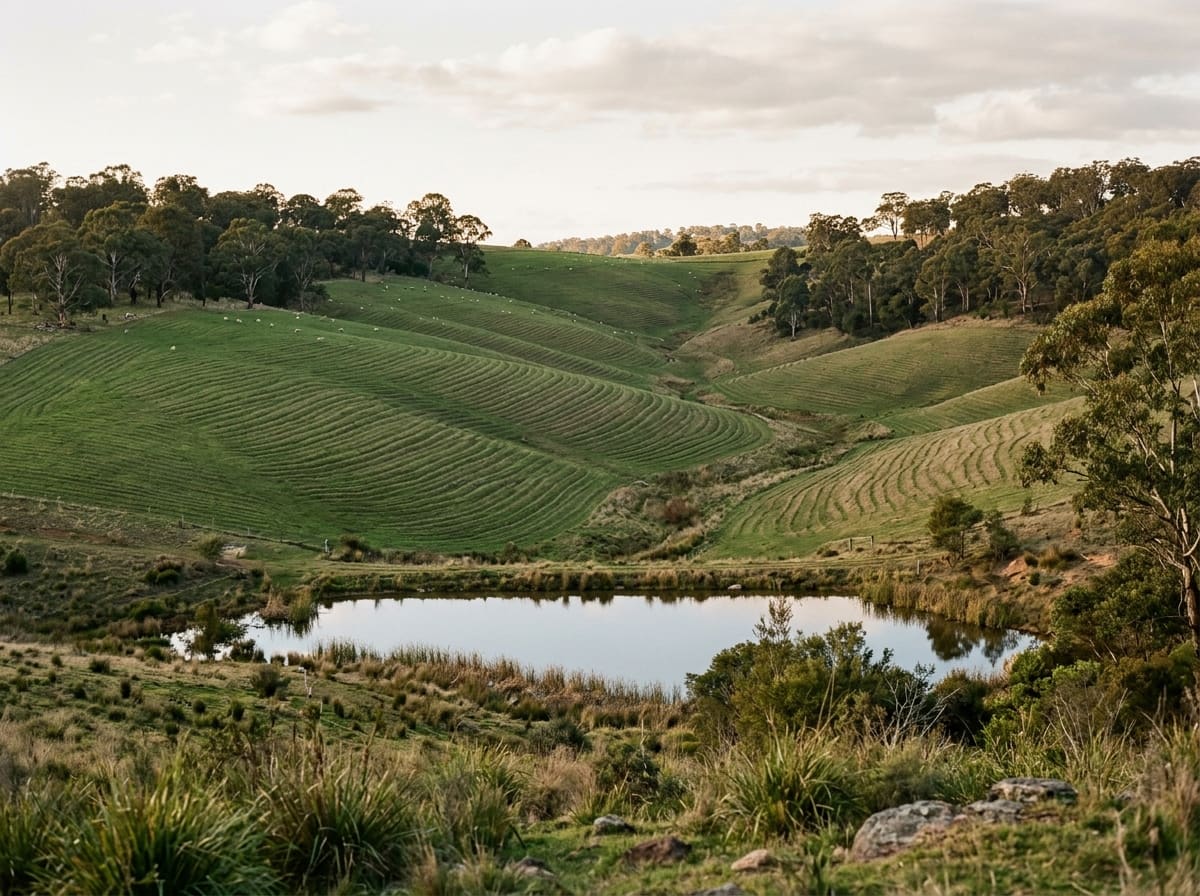
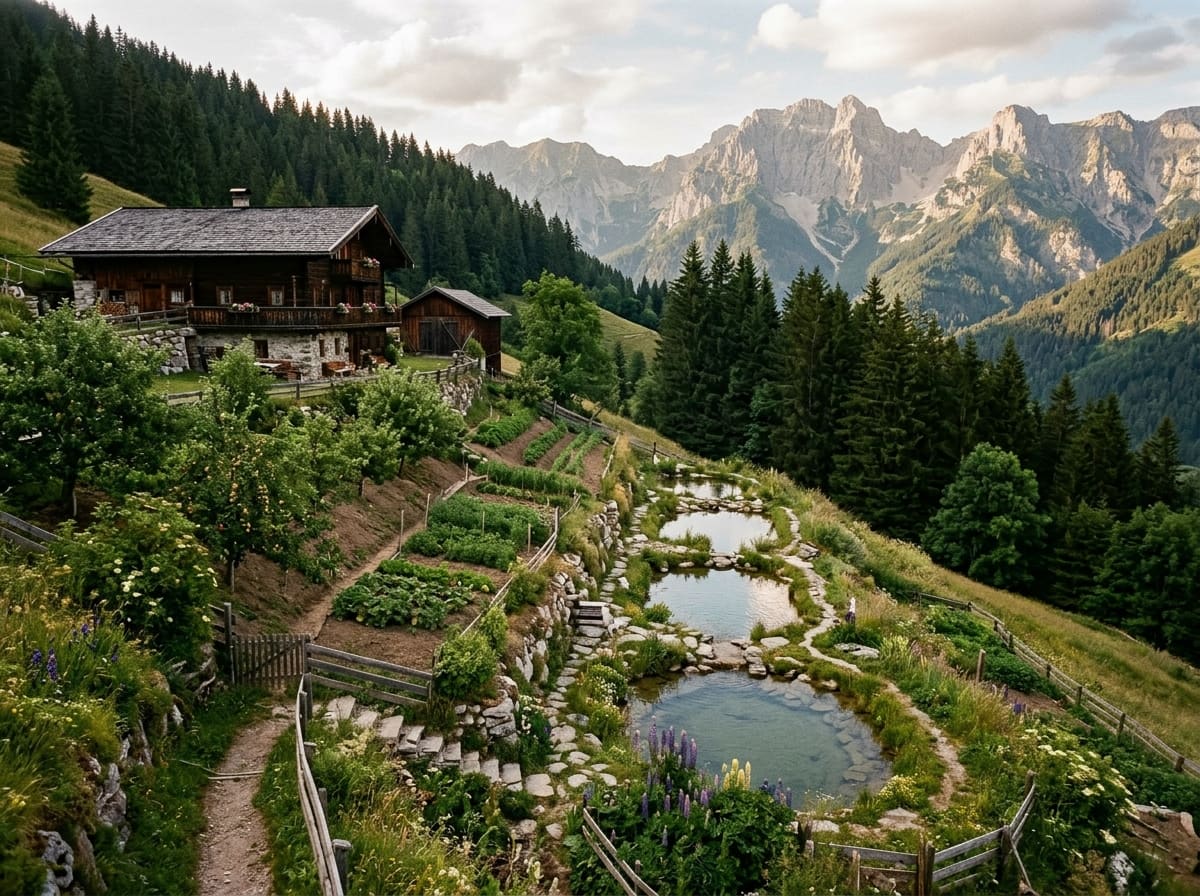
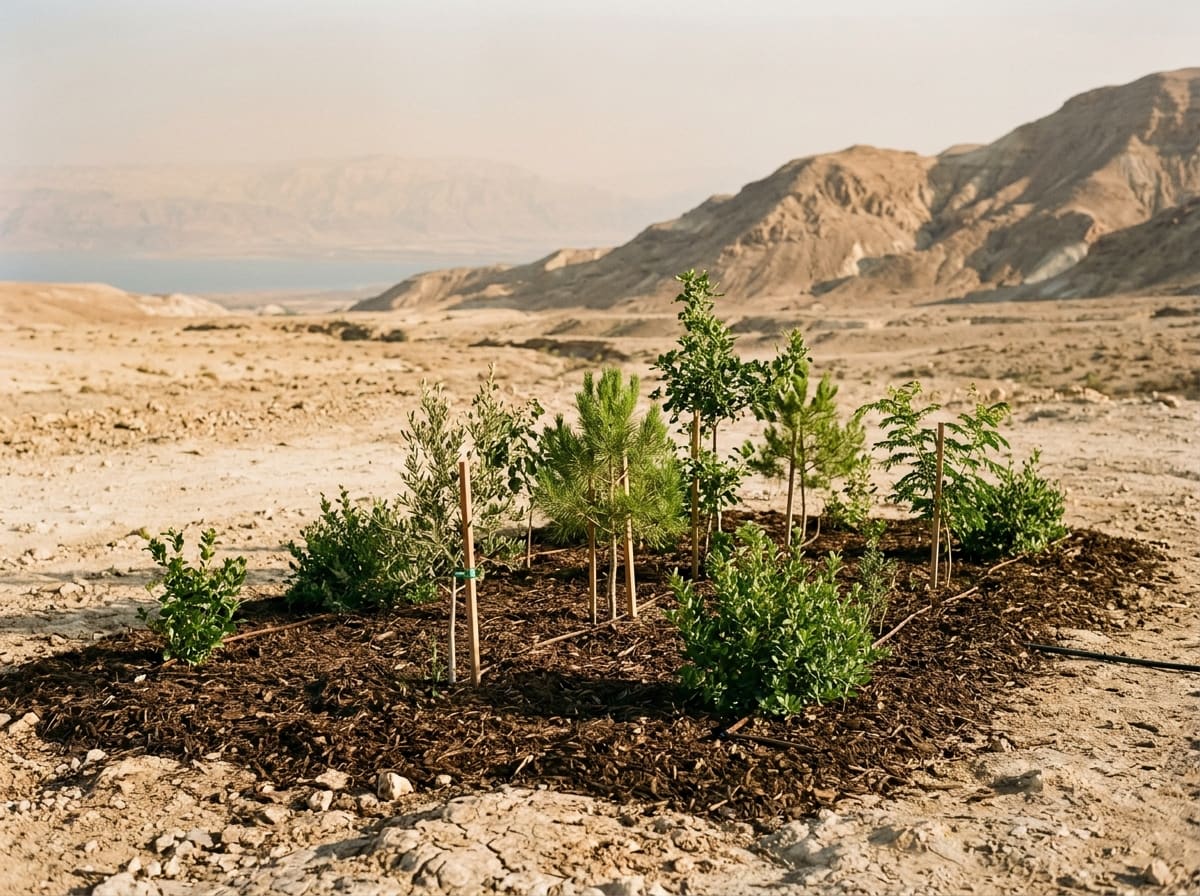
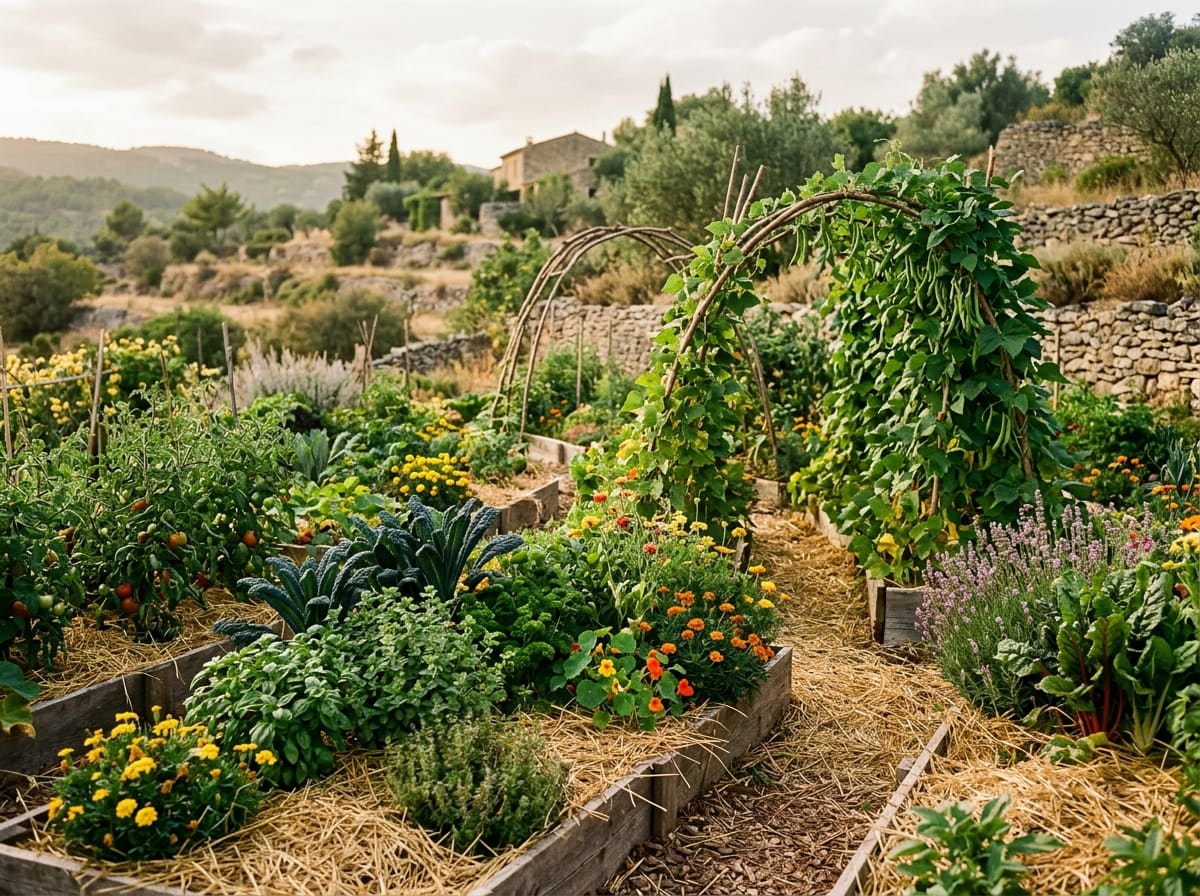
This chapter opens the journey because the idea has a history and a family. Mollison carried it around the world through his courses, and Holmgren set out its twelve design principles. Others walked related paths. Masanobu Fukuoka farmed without ploughing, fertiliser or sprays. P. A. Yeomans learned to read the shape of the land and called his method Keyline. Sepp Holzer built ponds and mixed plantings on a mountain farm at up to 1,500 metres. Emilia Hazelip brought natural farming to the Mediterranean, Ernst Götsch grows food in Brazil by speeding up the succession of a forest, and Geoff Lawton became known for Greening the Desert in Jordan.
The portraits below tell what each of them found and left behind. Taken together, they are the map for the rest of the journey.
Pages in this chapter


Try it yourself
A first look at your own place
- 1Choose a small place you know well: a balcony, a corner of the garden or a stretch of your daily walk.
- 2Sit there for ten minutes without doing anything and note what comes in from outside: sun, wind, rain, animals, people.
- 3Then note what leaves: water running off, leaves blowing away, waste you carry out.
- 4For each item on your list, ask where it could be caught or used instead of lost.
- 5Keep the note. You will come back to it in the later chapters.
At Sa Medada
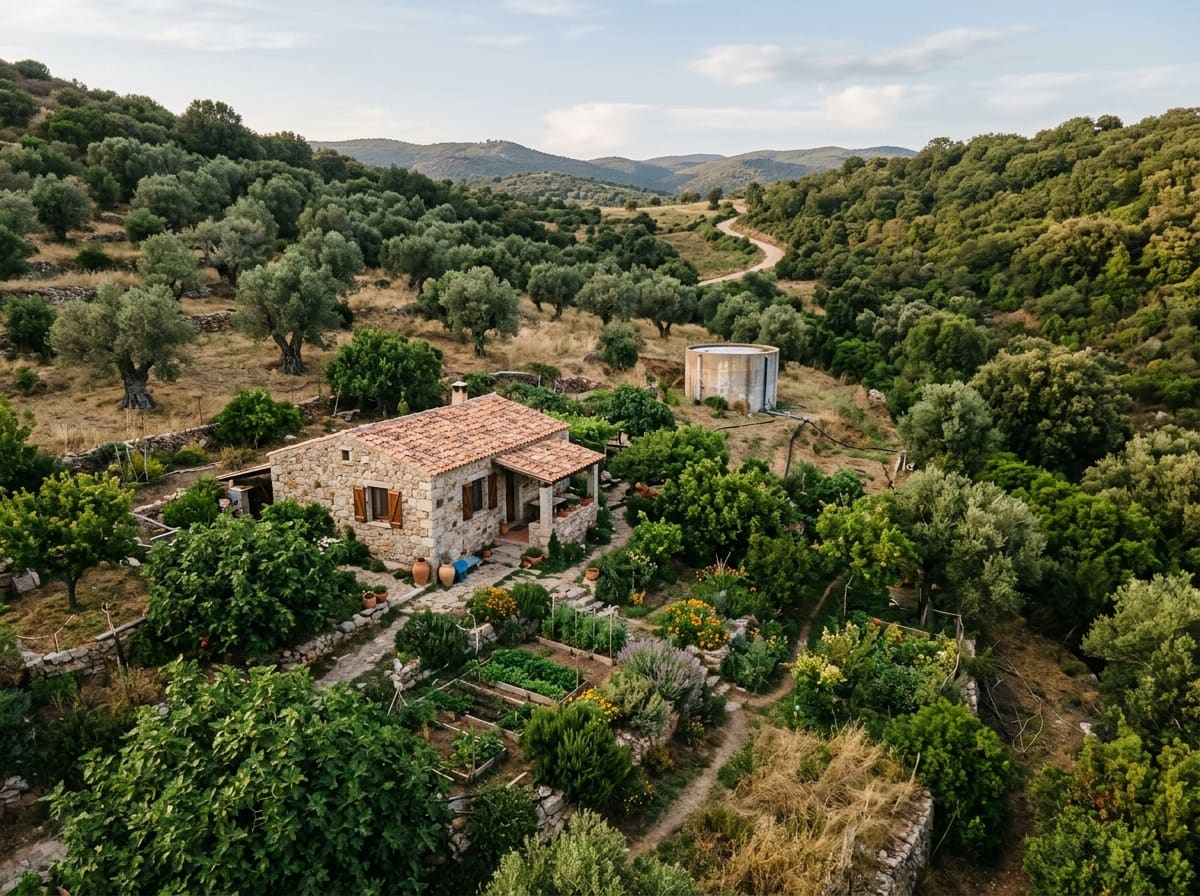
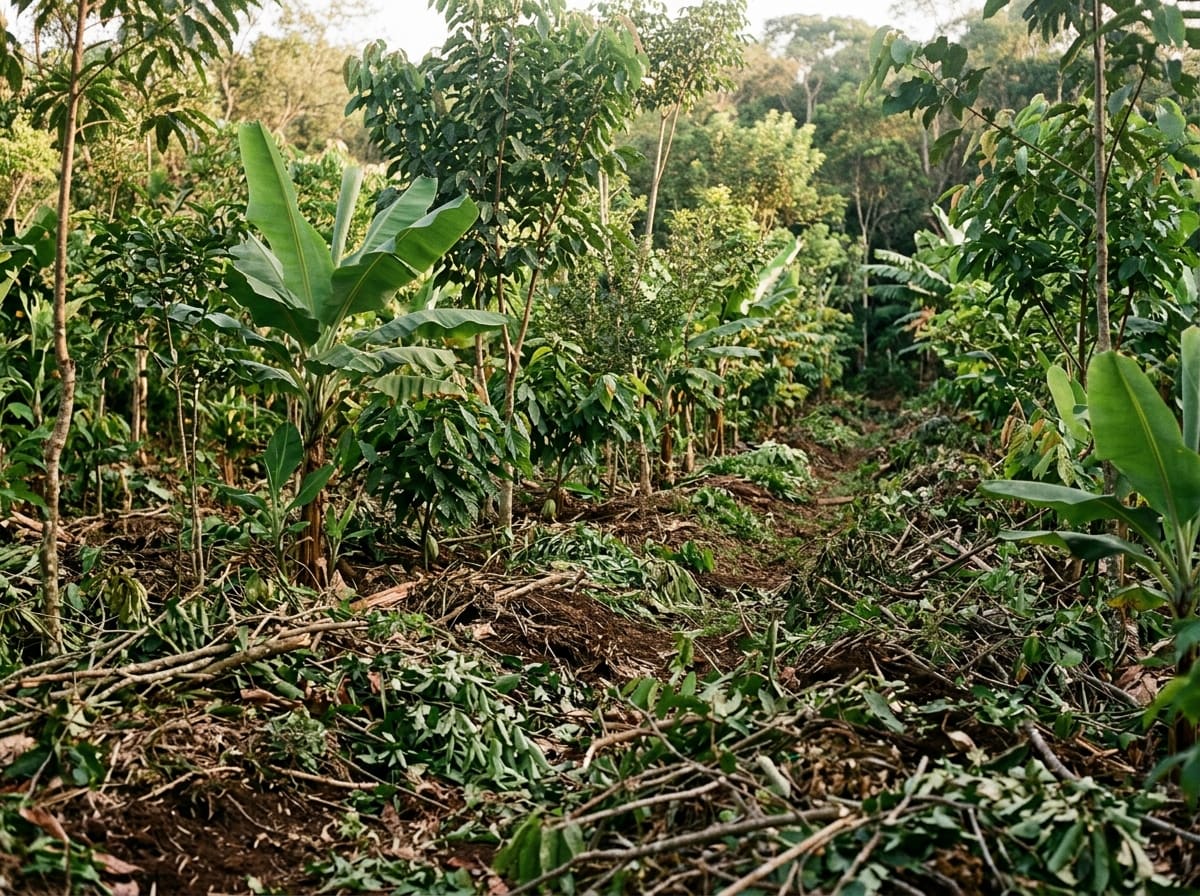
Sa Medada is a slope in Jerzu, in Ogliastra on the east side of Sardinia, with mild winters and a dry season from about May to September. There Project Eden combines permaculture design with syntropic agroforestry, the method developed by Ernst Götsch. Planning starts from maps built on LiDAR data, drone and satellite images, which show the paths of water, the course of the sun and the slope.