
In brief
The tenth of Holmgren's twelve permaculture principles: many species, varieties and connections spread risk and make the most of each place.
What the principle says
Use and value diversity is the tenth of the twelve design principles of David Holmgren. Its core is simple: diversity makes a system less vulnerable to the many things that can go wrong, and it lets the system make use of everything particular about the place it stands in. A field of one crop answers one question well. A diverse system has many answers ready, including for questions nobody thought to ask.
Diversity has several layers. There is the diversity of species, the most visible one. There is the diversity within a species: the many varieties of beans, wheat or olives that farmers have selected over centuries, each suited to a different soil, altitude or taste. There is diversity in space, when plants of different heights and rooting depths share the same ground, and diversity in time, when crops follow one another through the year or when a planting moves through the stages of ecological succession. And there is cultural diversity: many food traditions, skills and ways of thinking, which are a store of answers in their own right.
The principle also says value, and that word matters. Much of the world's diversity already exists and is disappearing quietly. According to the FAO, some 6,000 plant species are cultivated for food, yet fewer than 200 make a major contribution to food production, and only nine account for 66 percent of all crop production. To value diversity means to protect what is still there, the old varieties, the hedges, the wild corners, before adding anything new.
Diversity in the permaculture sense is not a long list of names. Bill Mollison stressed that what counts is the number of useful connections between the parts, and the page on Mollison's design rules shows how closely the two founders agree on this point.
The old saying: don't put all your eggs in one basket
Holmgren pairs this principle with the proverb don't put all your eggs in one basket. Whoever carries everything in one basket loses everything when that basket falls. History knows the farming version of this. In the Irish famine of the 1840s, many of the rural poor lived largely on the potato, and much of the crop was a single variety, the Lumper. When late blight arrived, there was little to fall back on. The famine had social and economic causes as well, but the lack of diversity in the fields was one reason why the blow fell so hard.
Ecologists have given the proverb a scientific name. The insurance hypothesis, set out by Shigeo Yachi and Michel Loreau in 1999, describes how a community of many species keeps working in a fluctuating environment, because when conditions harm some species, others are favoured and take over their role. Diversity does not prevent bad years. It keeps a bad year from becoming a collapse.
How it looks in nature
A long experiment at Cedar Creek in Minnesota gave one of the clearest pictures. David Tilman and John Downing followed grassland plots with different numbers of plant species through a severe drought in the late 1980s. The more species a plot held, the less of its plant mass it lost in the drought, and the more fully it recovered afterwards. The species-poor plots were not simply smaller versions of the rich ones; they were more fragile.
Nature also shows that diversity lives from difference. In a classic study of North American spruce forests, Robert MacArthur found several warbler species living in the same trees, each feeding in a different part of the crown. They share a habitat because they use it differently. A mixed planting works the same way: deep and shallow roots draw water from different layers, tall and low plants catch light at different heights, early and late flowers feed pollinators across the season.
Fast-growing newcomers are part of this picture. Where people have disturbed land, robust pioneer species often arrive first, covering bare soil and building biomass. Terra Humana sees in them a solution strategy of nature and one of the greatest potentials for rapid renaturation, provided they are guided and later replaced step by step by the target species. Species on the EU list of invasive alien species of Union concern are never used by Terra Humana.
Where the principle works in the TerraWiki
These pages show diversity at work, each in its own way:
- Polyculture: many crops in the same space share light, water and soil and spread both yield and risk.
- Plant guild: a small community around a central tree, built from members that do different jobs for each other.
- Food forest: diversity in layers, from tall trees to ground cover, with harvests spread over the year.
- Syntropic agriculture: species of different life spans planted together, diversity arranged in time.
- Seed cycle: saving and sharing seed keeps local varieties alive and lets them adapt to a place.
- Climate-adapted trees: planting a mix instead of betting on one species is insurance against an uncertain climate.
- Soil food web and mycorrhiza: the diversity below ground that keeps the visible diversity fed.
- Pioneer plants and nitrogen-fixing plants: the first members of a diverse system, preparing soil for the ones that follow.
- Reconciliation ecology: diversity built into the land people use, not only into reserves.
At Sa Medada
Sa Medada is a slope in Jerzu, in Ogliastra on the east side of Sardinia, with mild winters and a dry season lasting roughly from May to September. Diversity was there before Project Eden: the old olive grove, and the macchia on the steeper slopes with its many hard-leaved shrubs.
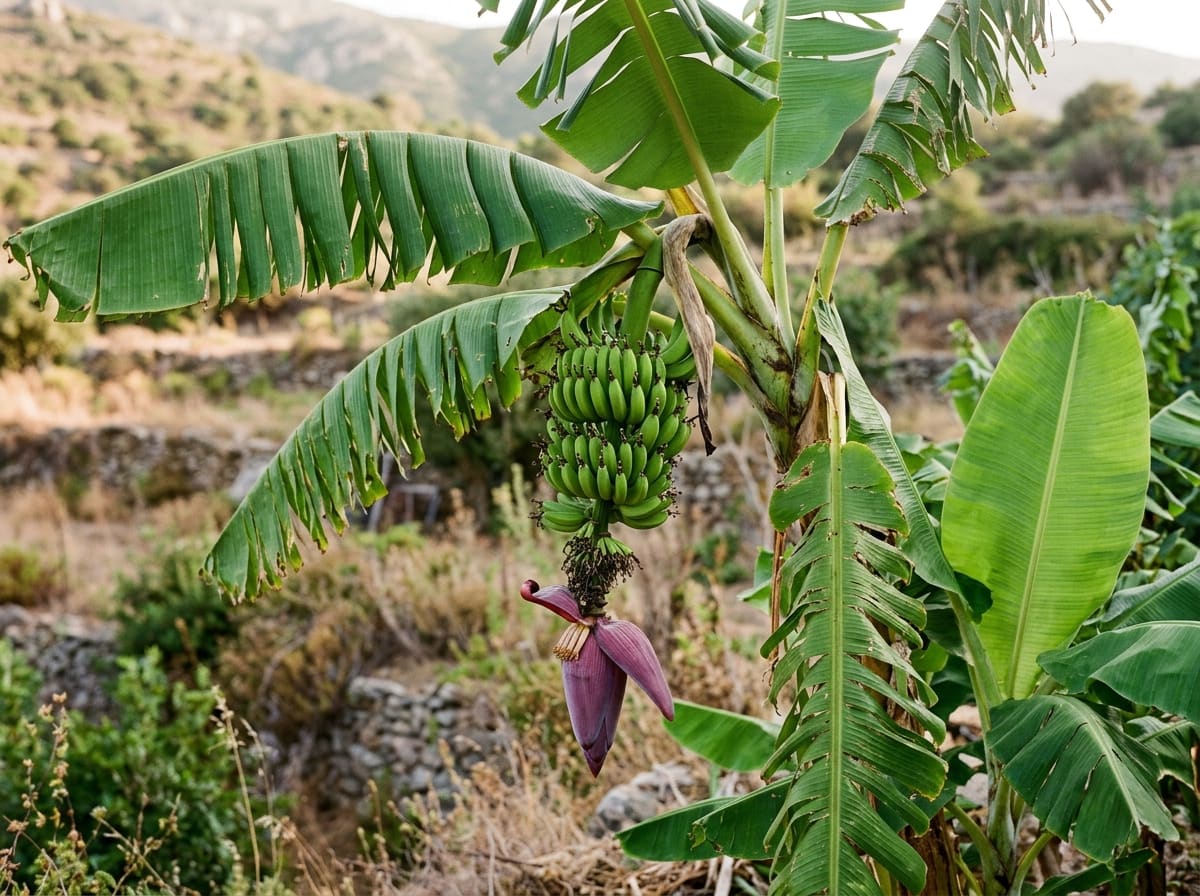
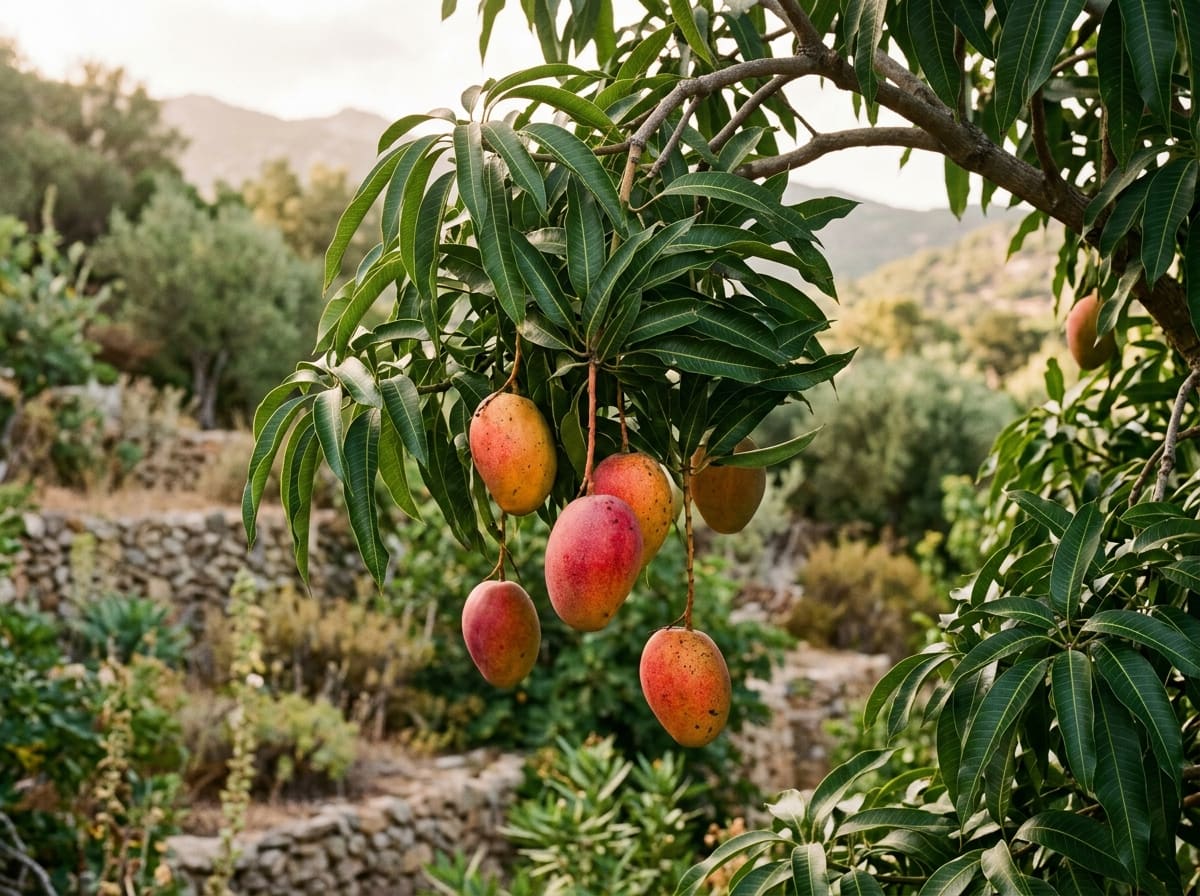
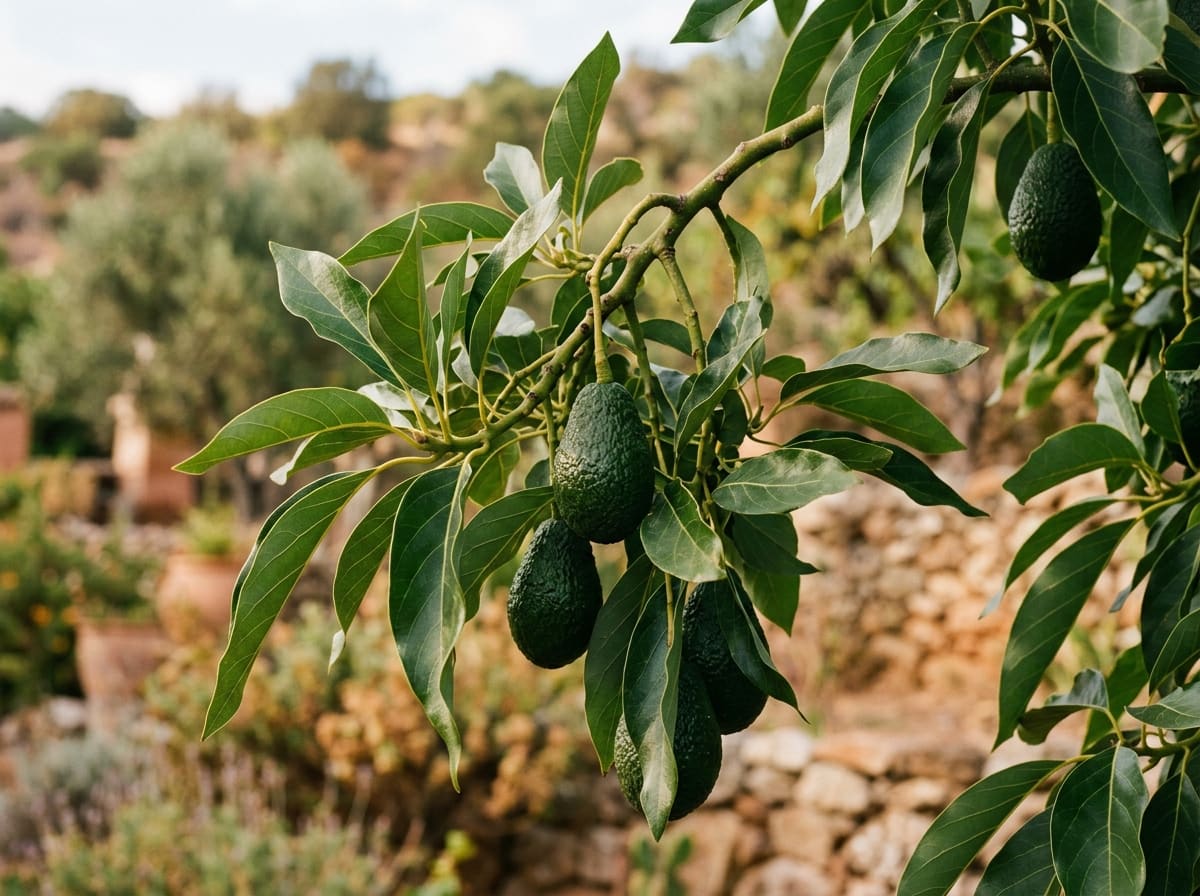
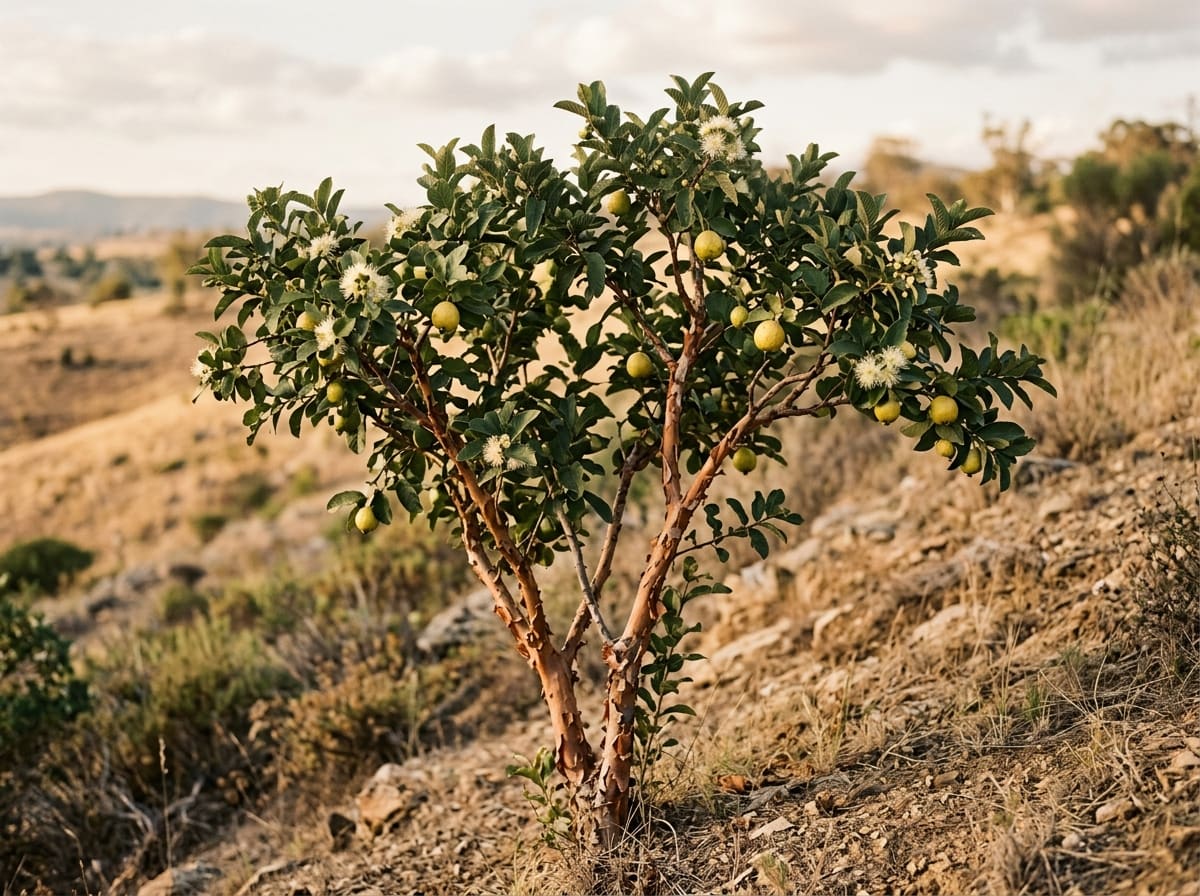
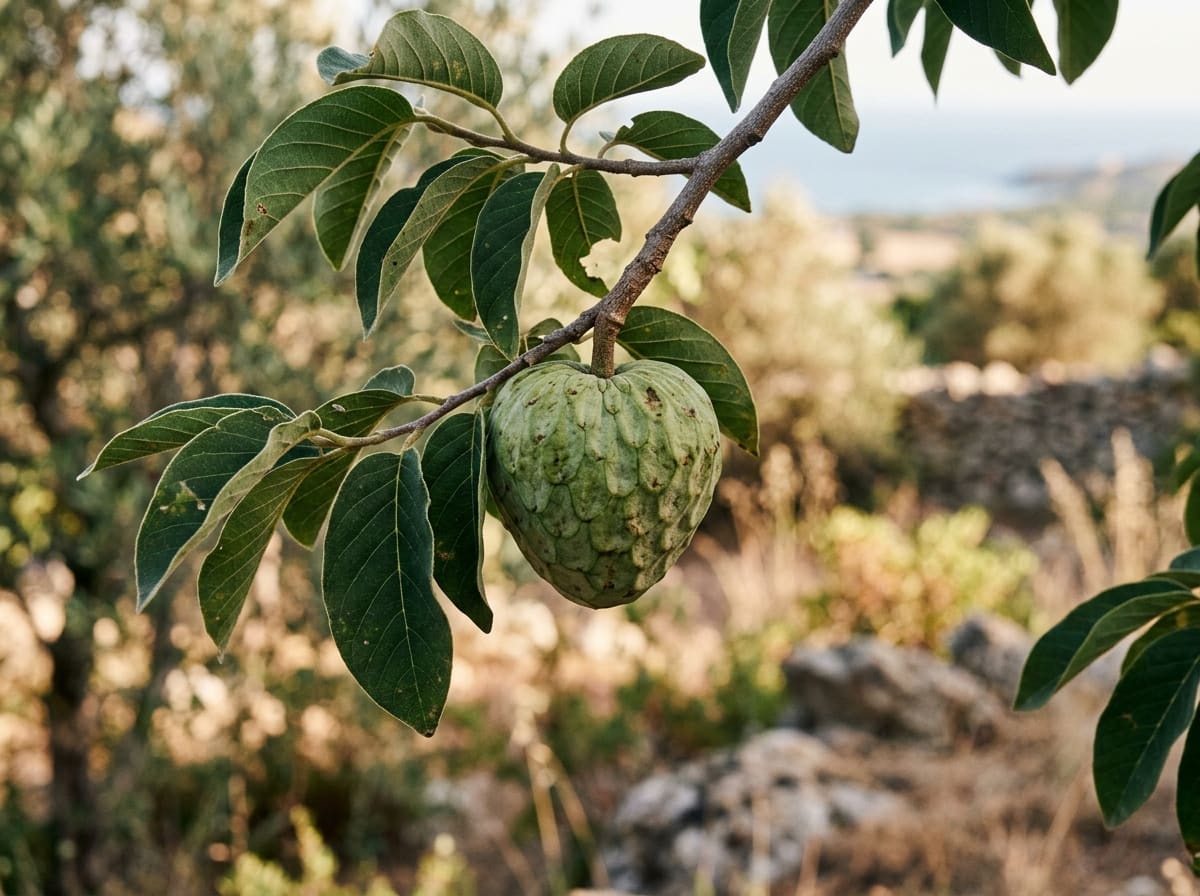
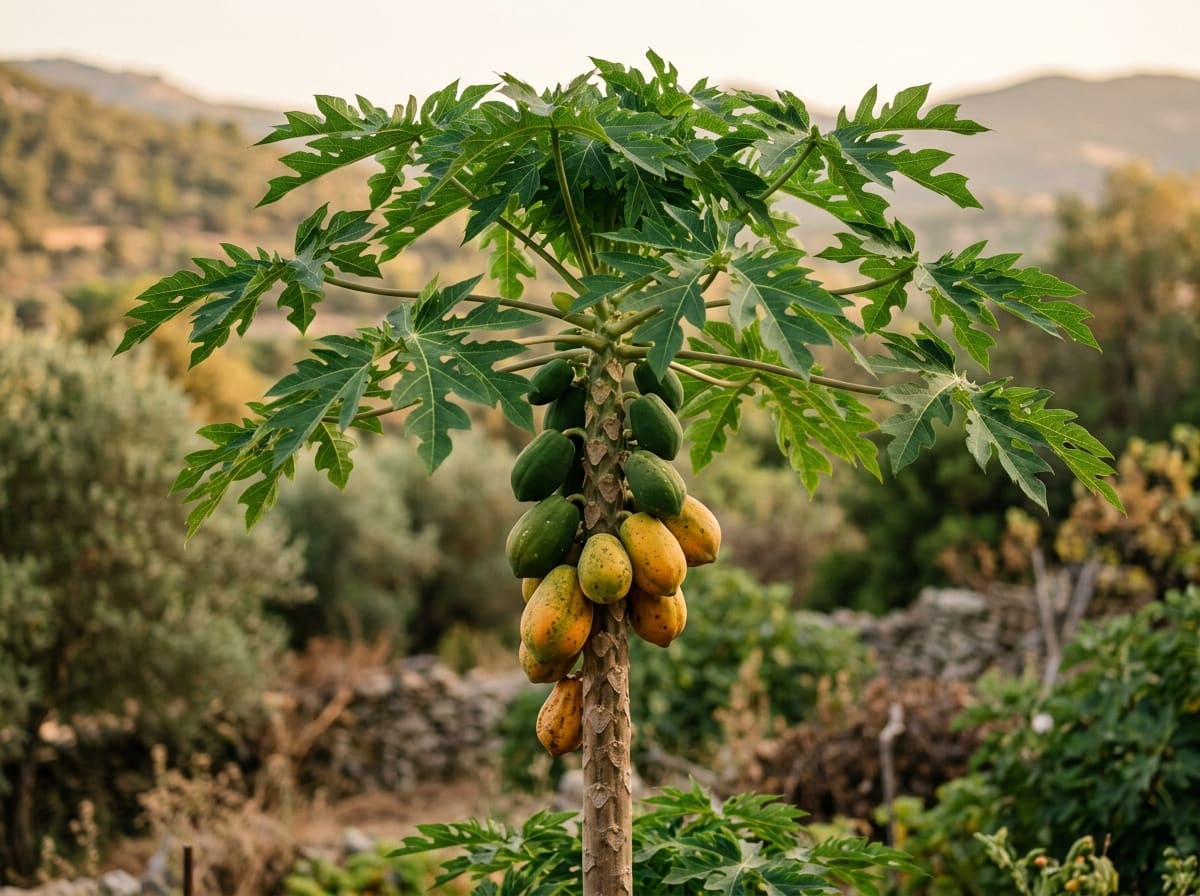
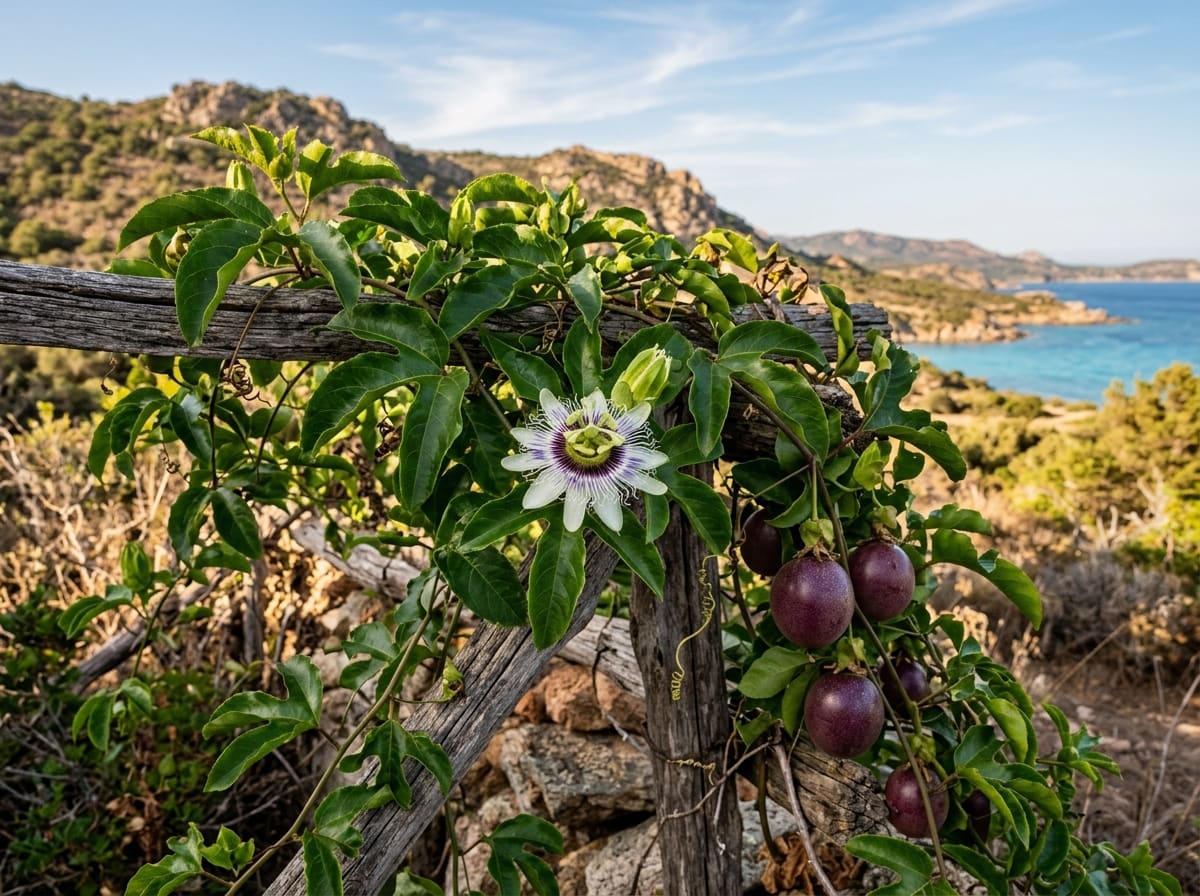
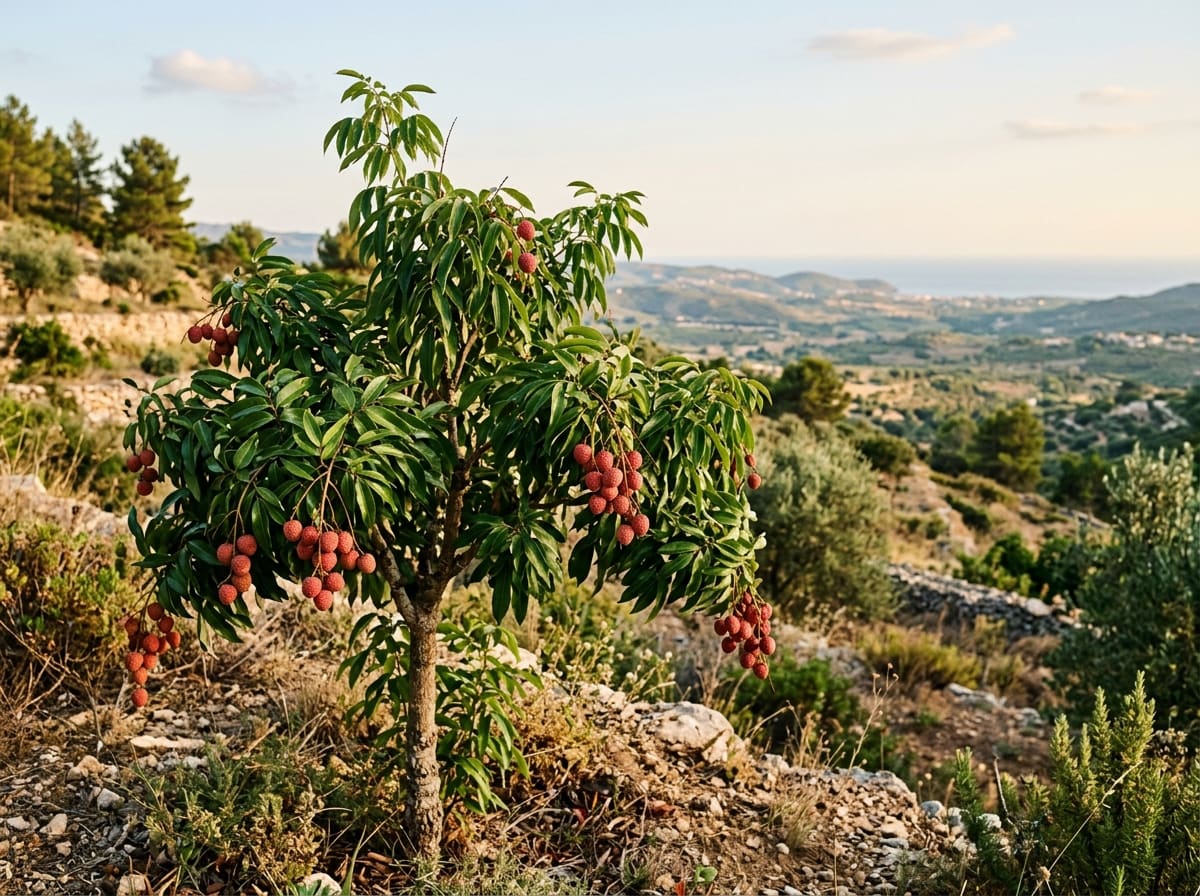
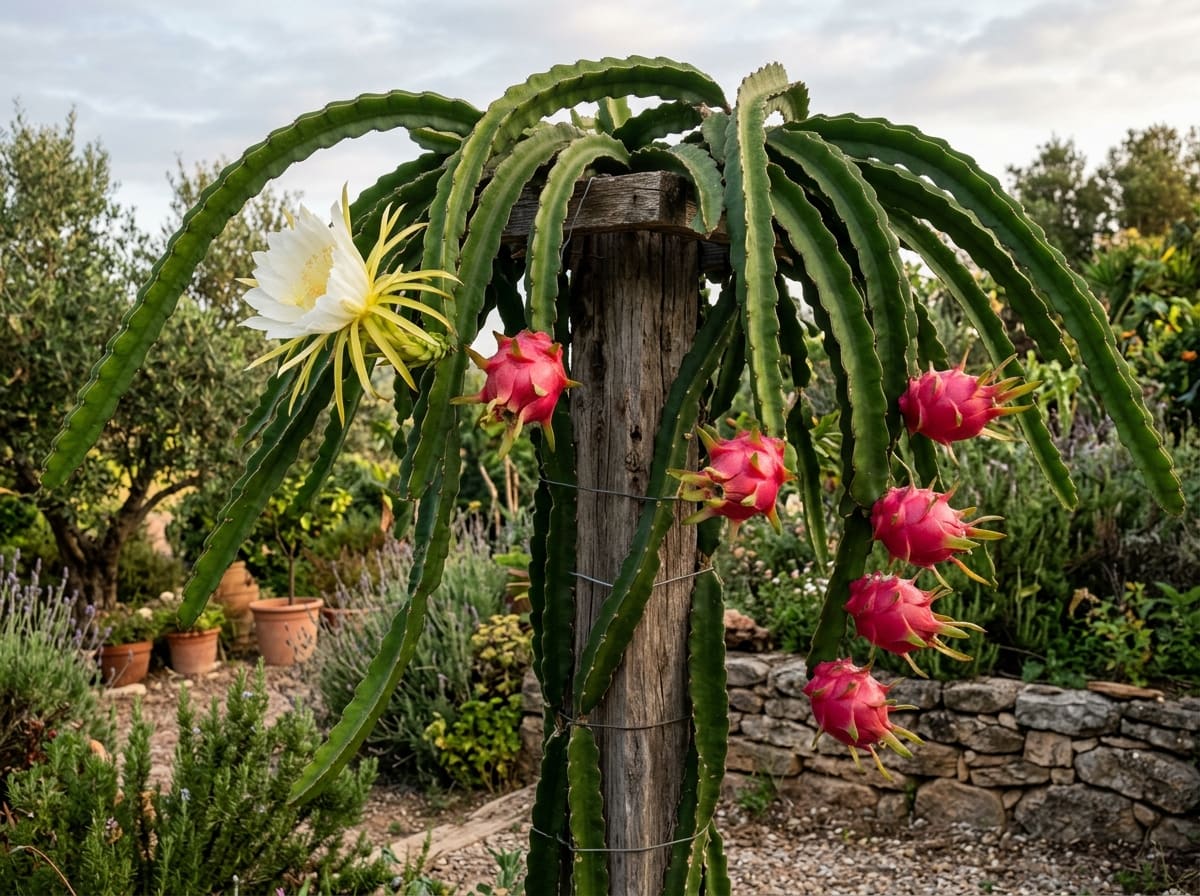
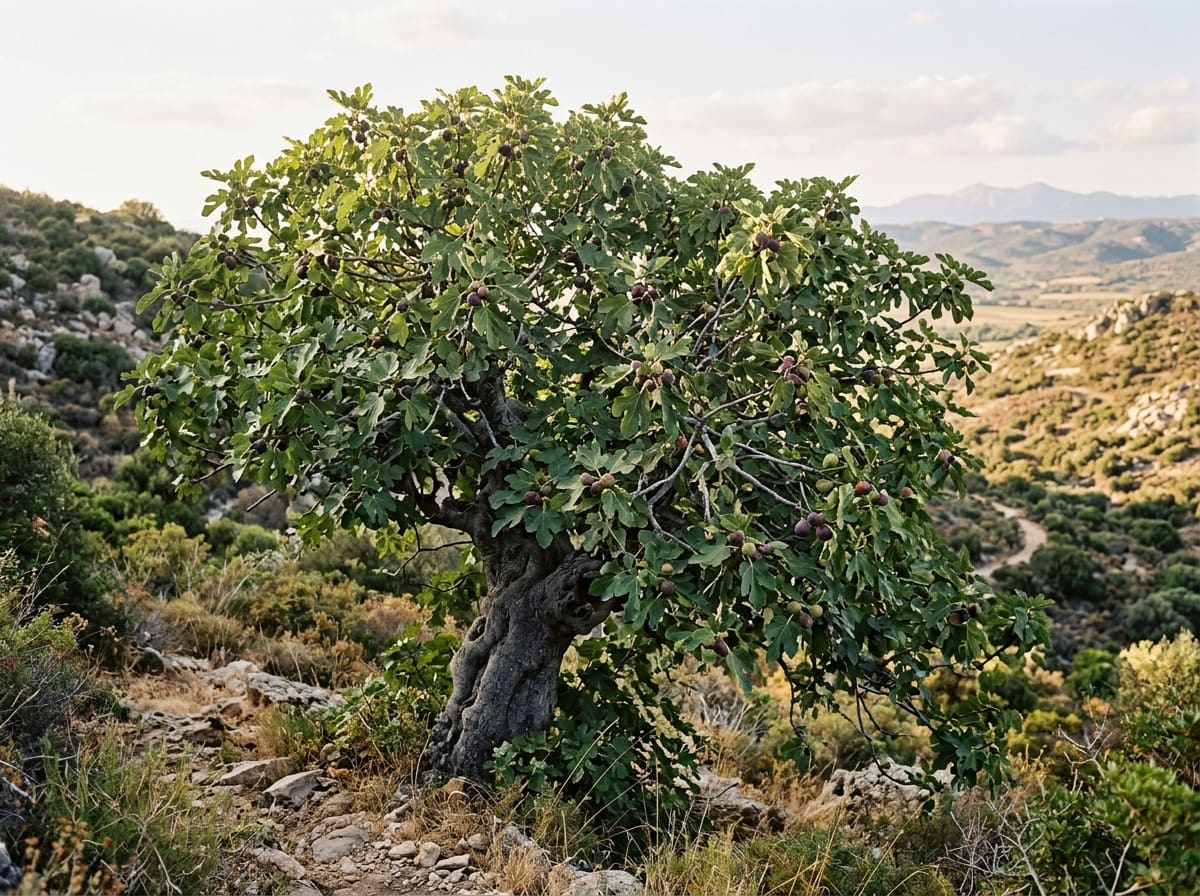
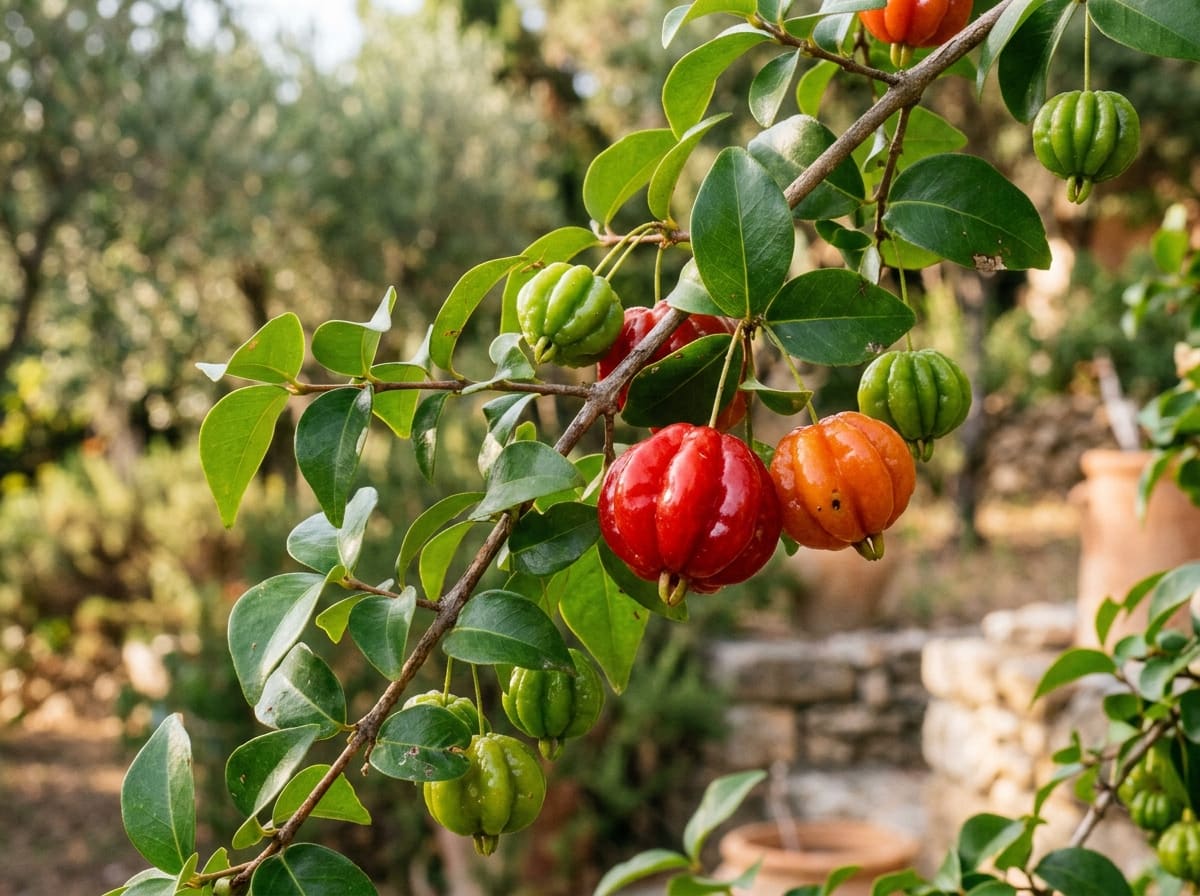
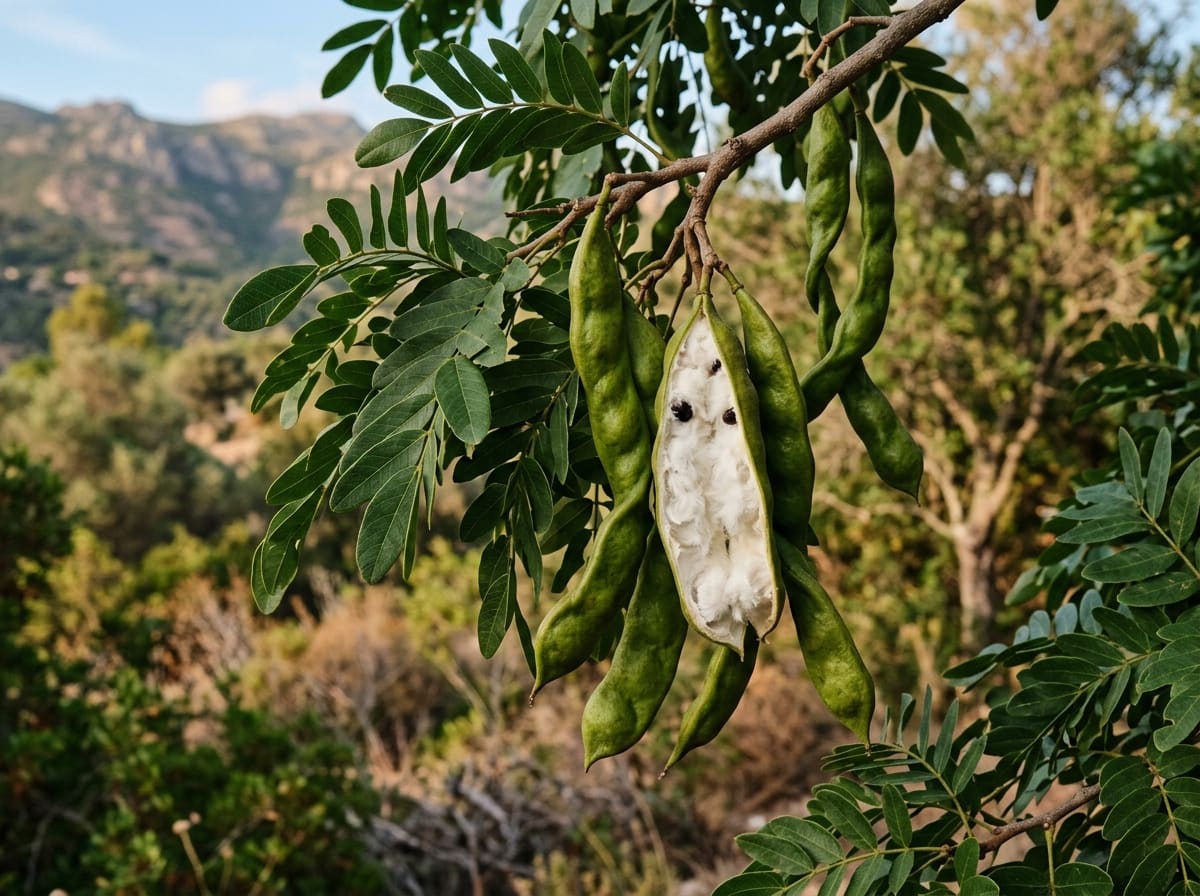
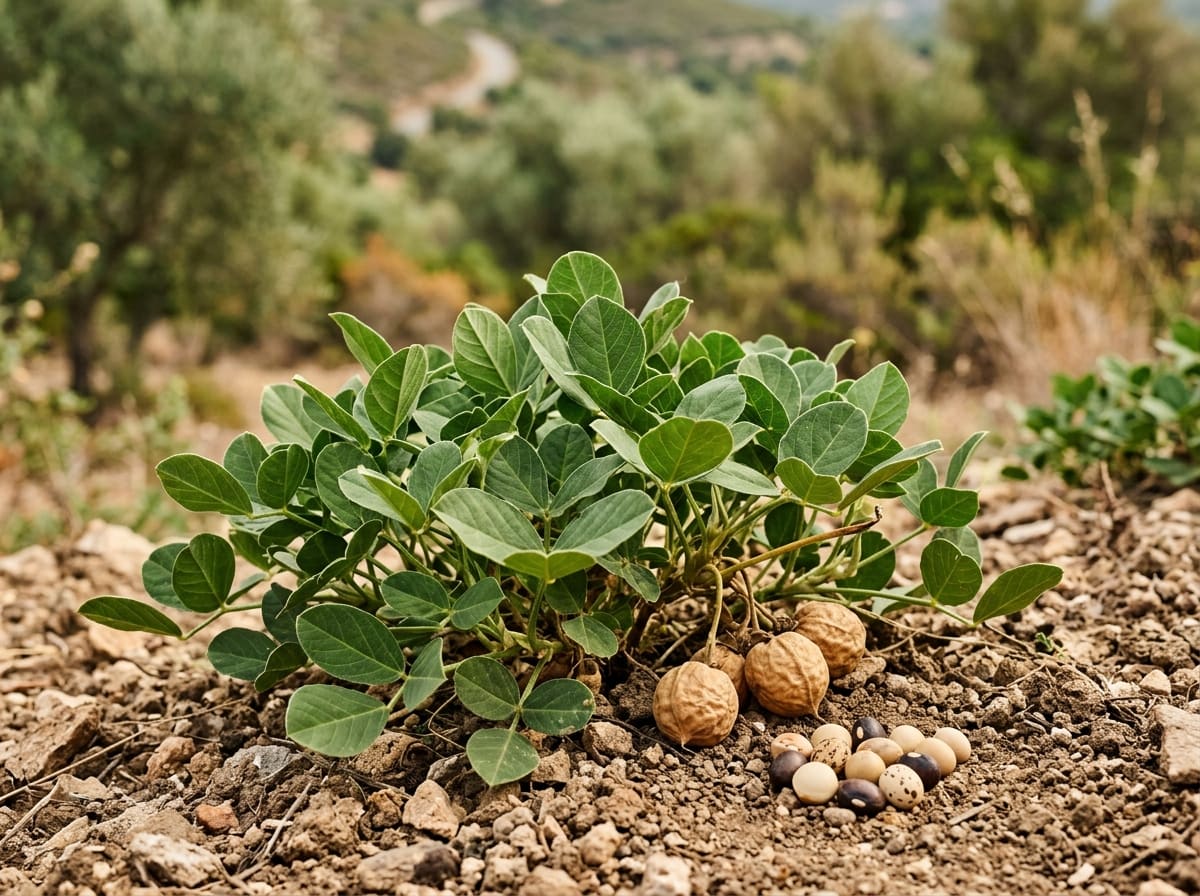
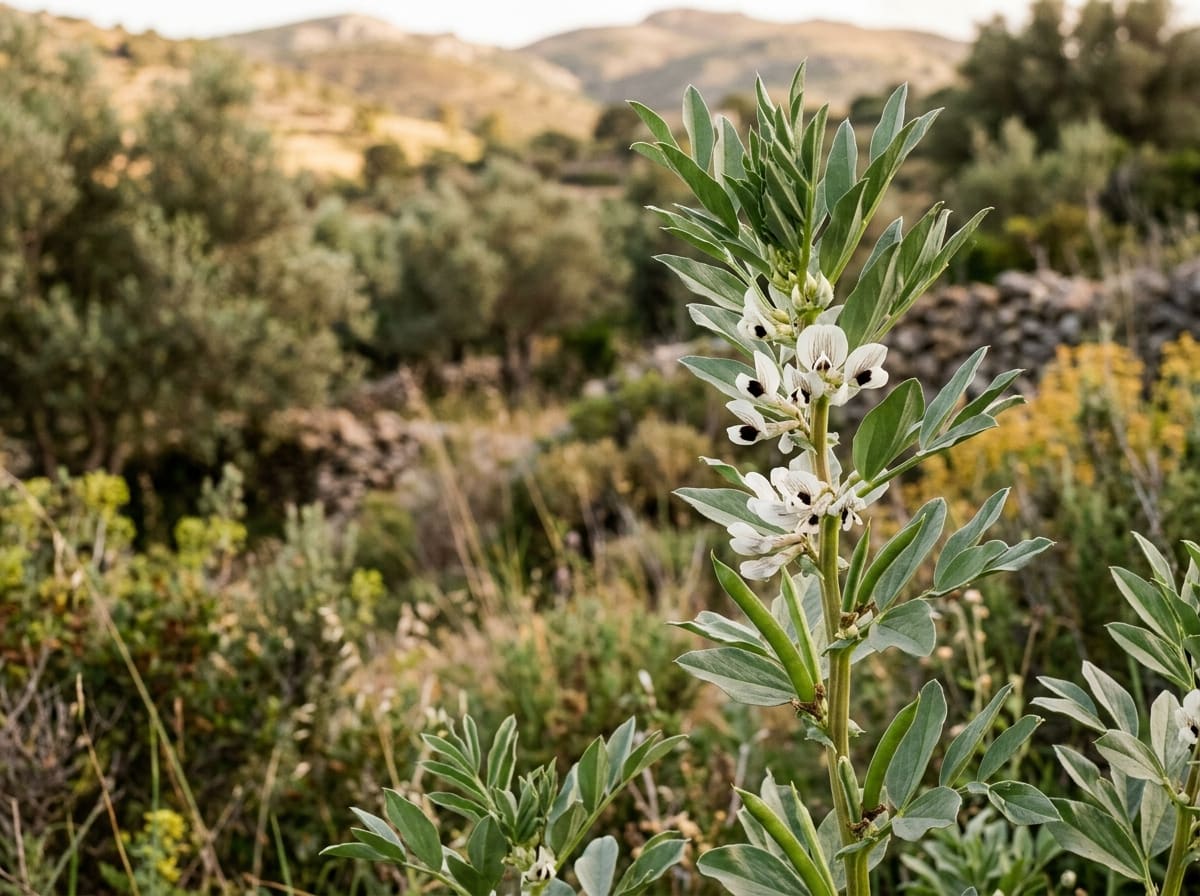
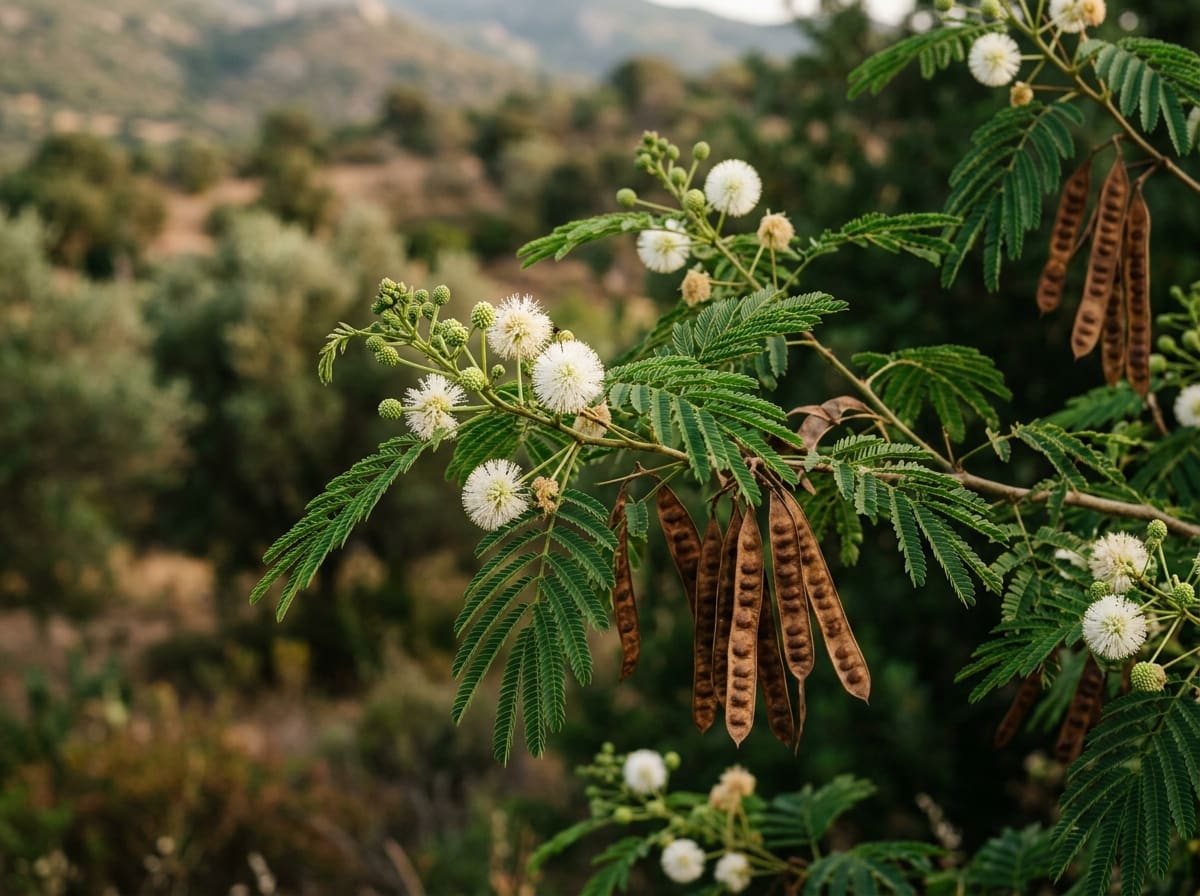
Project Eden adds to it without betting on a single crop. Banana, mango, avocado, guava, cherimoya, papaya, passion fruit, lychee, monstera, moringa, tulsi, persimmon and citrus grow in the open ground. Black and white sapote, tree tomato, pawpaw, dragon fruit, fig, cherry, apple, apricot, Surinam cherry and feijoa are in pots or partly planted out, and the first tree, a service tree, was planted in 2024 on the very hot southern flank. Among the nitrogen fixers in the soil are Tephrosia, the coral tree, Inga edulis, pacay, Bambara groundnut, fava bean and Leucaena. We give no yield figures.
The previous principle, use small and slow solutions, keeps change at a scale people can follow. The next one, use edges and value the marginal, looks at the places where diversity is richest: the edges between one world and another.
Plants in this entry
- BananaMusa
- MangoMangifera indica
- AvocadoPersea americana
- GuavaPsidium guajava
- CherimoyaAnnona cherimola
- PapayaCarica papaya
- Passion fruitPassiflora edulis
- LycheeLitchi chinensis
- MonsteraMonstera deliciosa
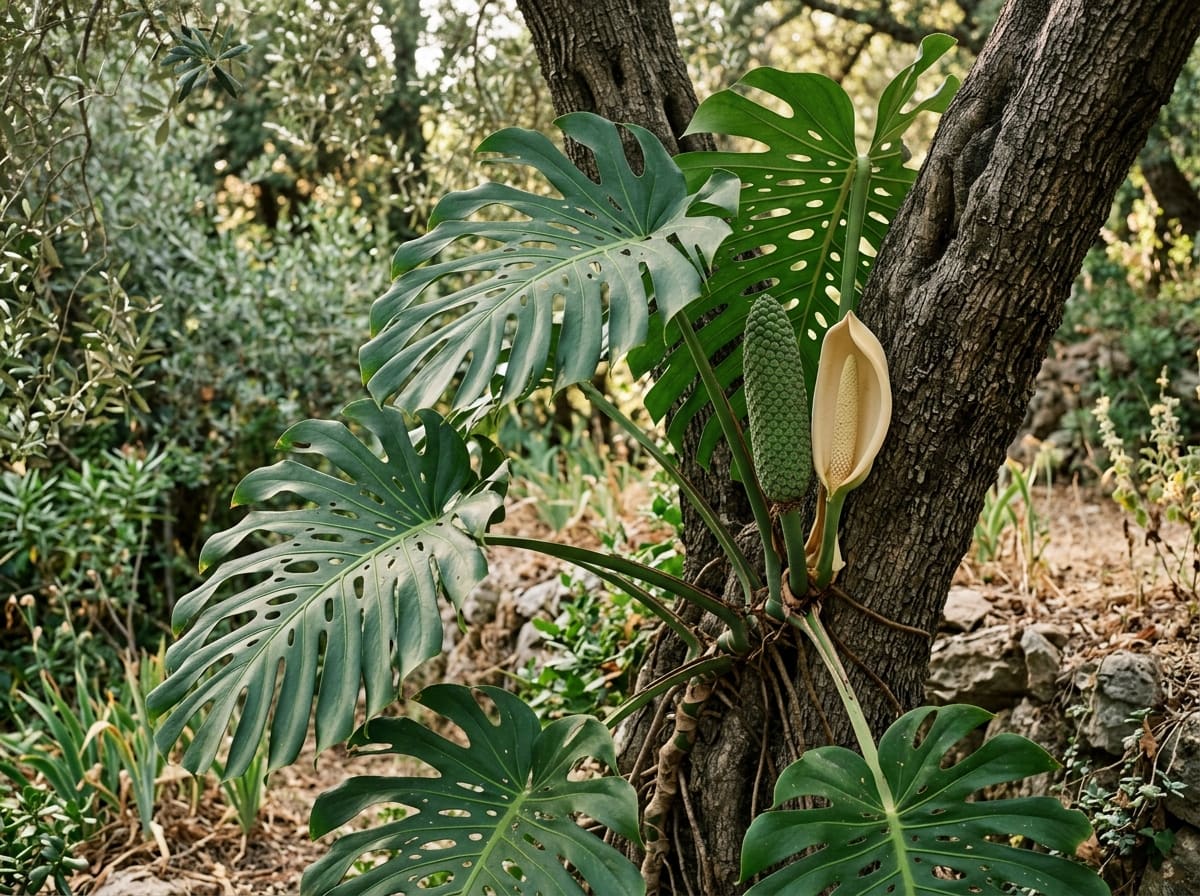
- MoringaMoringa oleifera
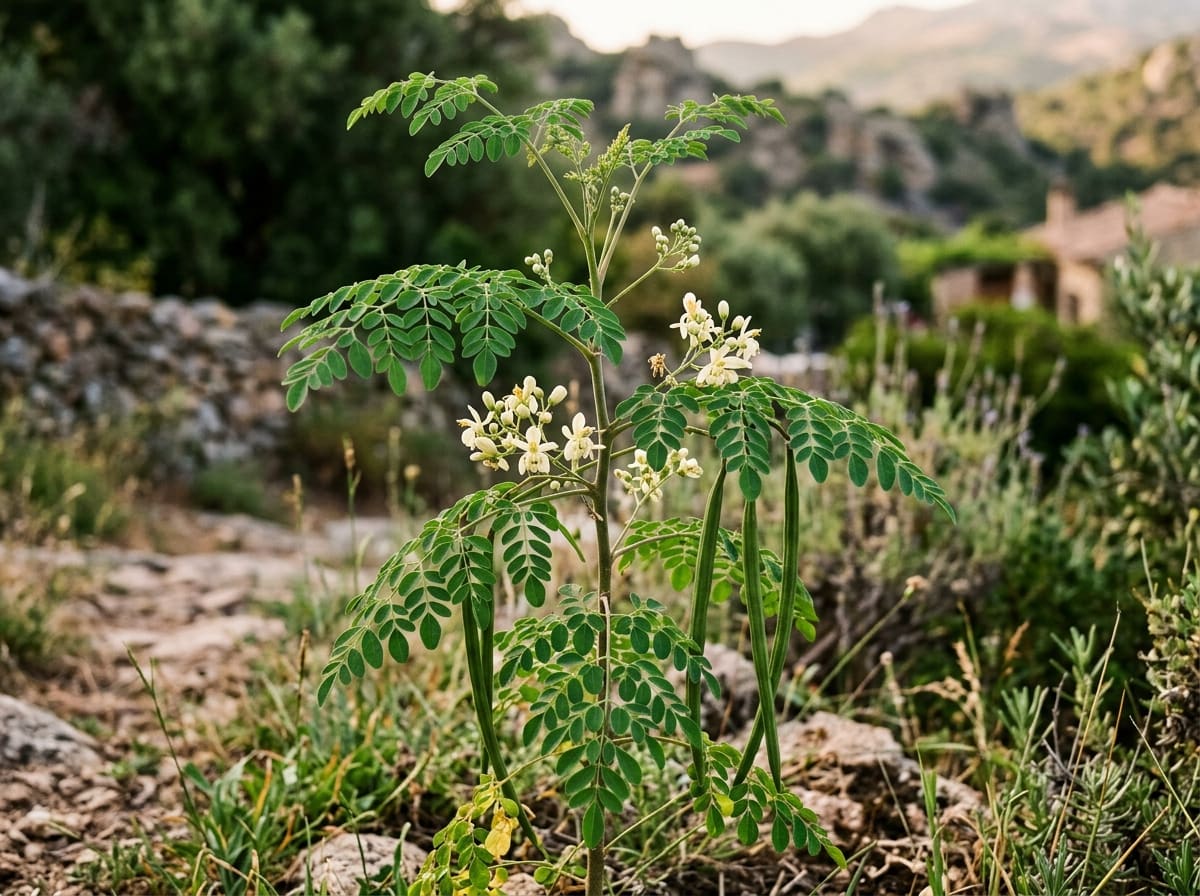
- TulsiOcimum tenuiflorum
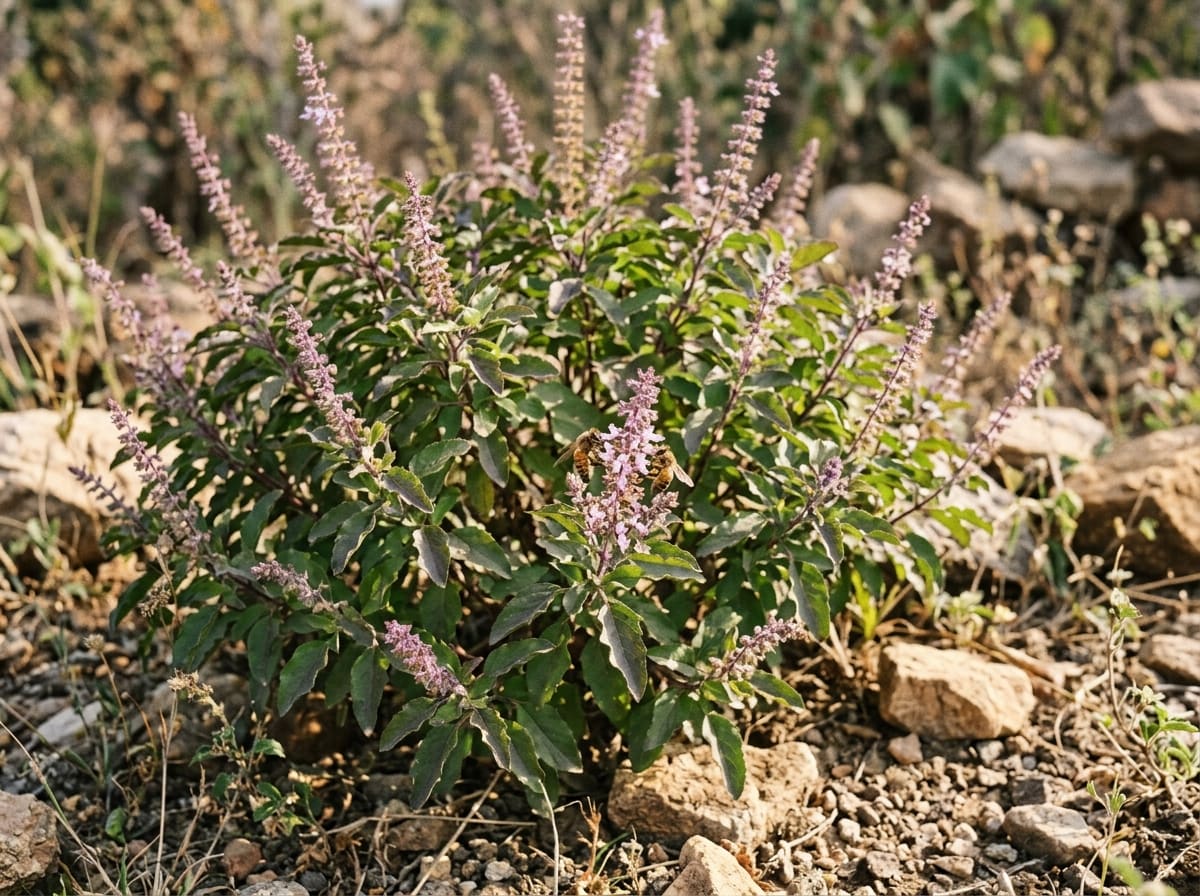
- PersimmonDiospyros kaki
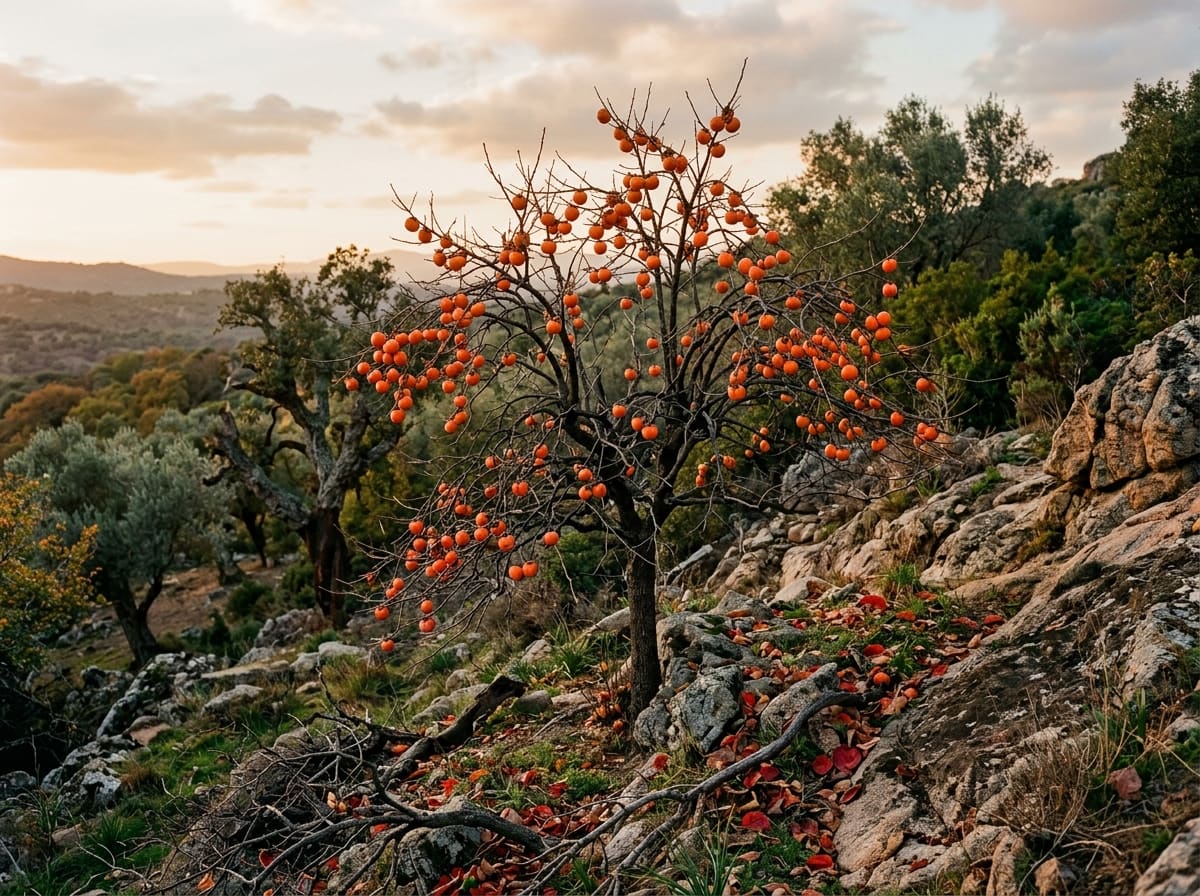
- CitrusCitrus
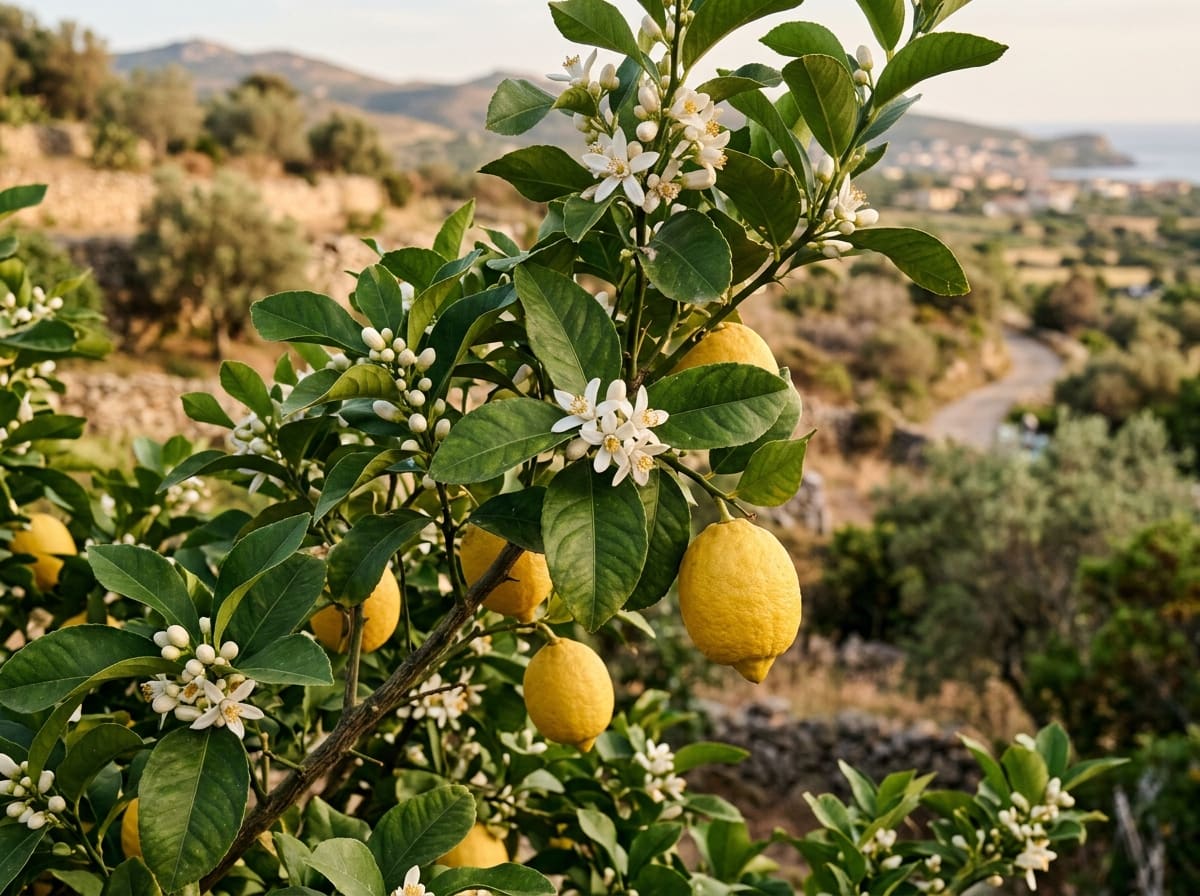
- White sapoteCasimiroa edulis
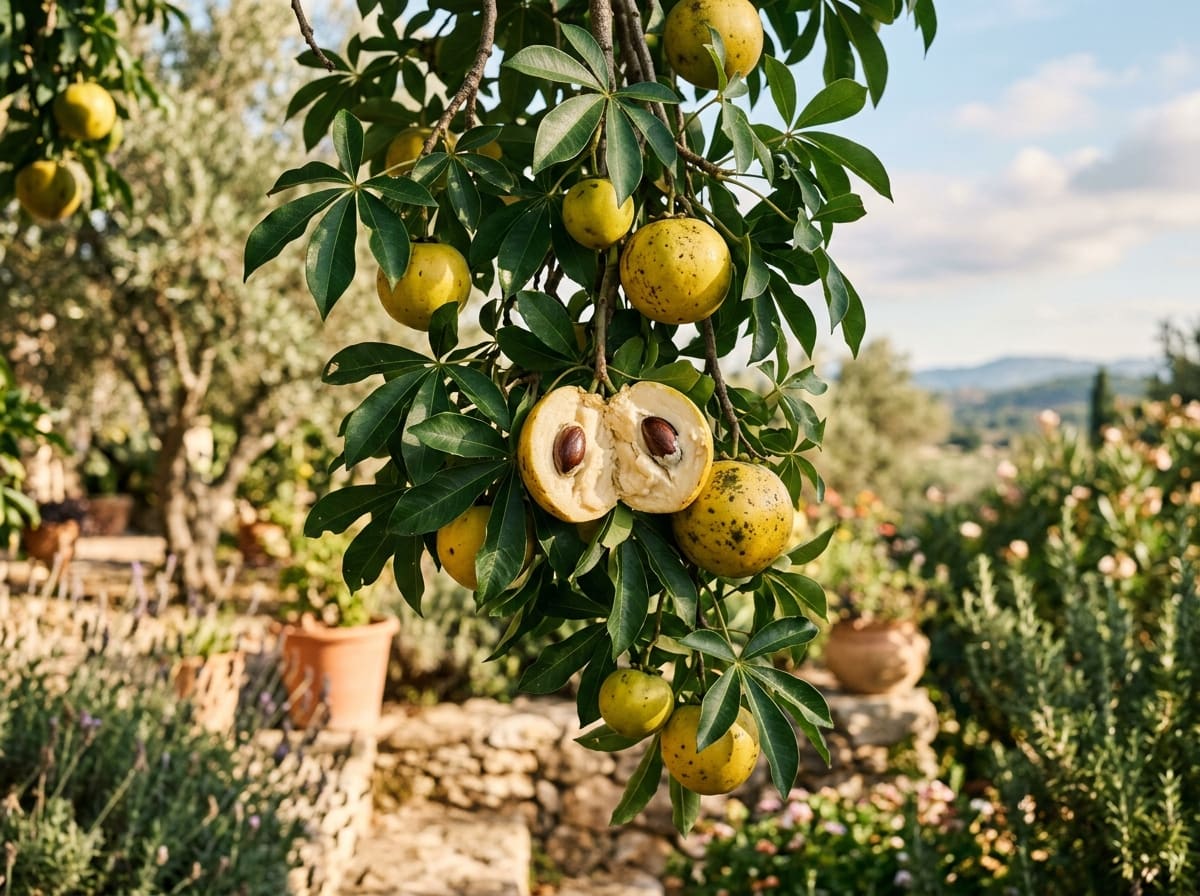
- TamarilloSolanum betaceum
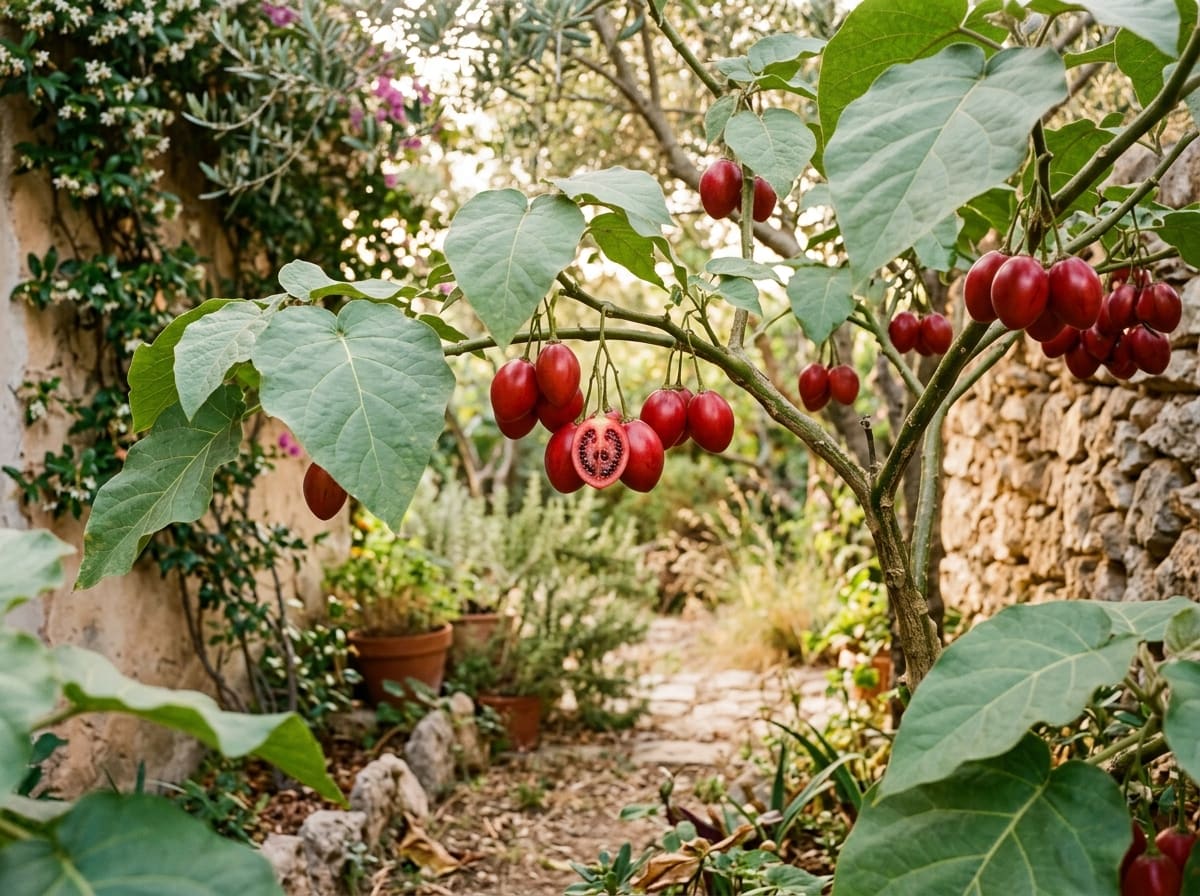
- PawpawAsimina triloba
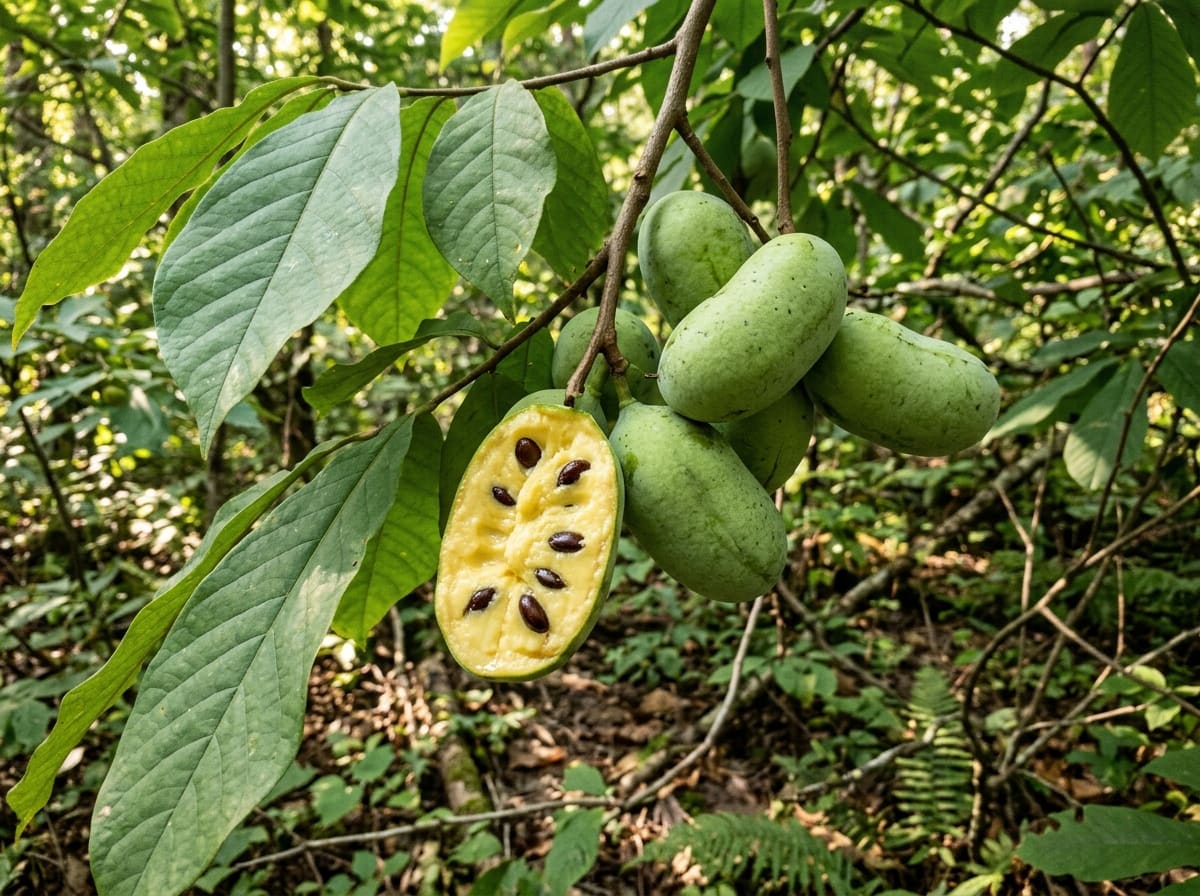
- Dragon fruitSelenicereus undatus
- FigFicus carica
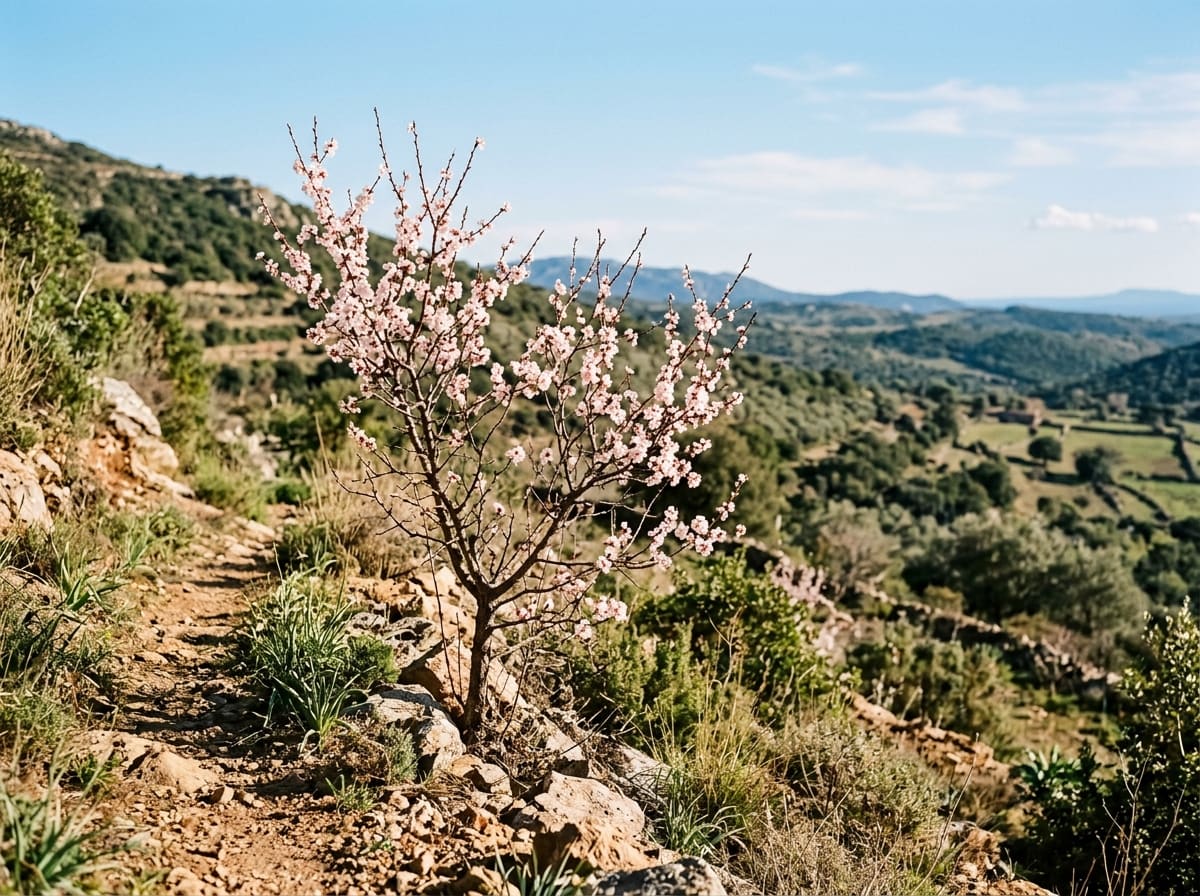
- ApricotPrunus armeniaca
- Surinam cherryEugenia uniflora
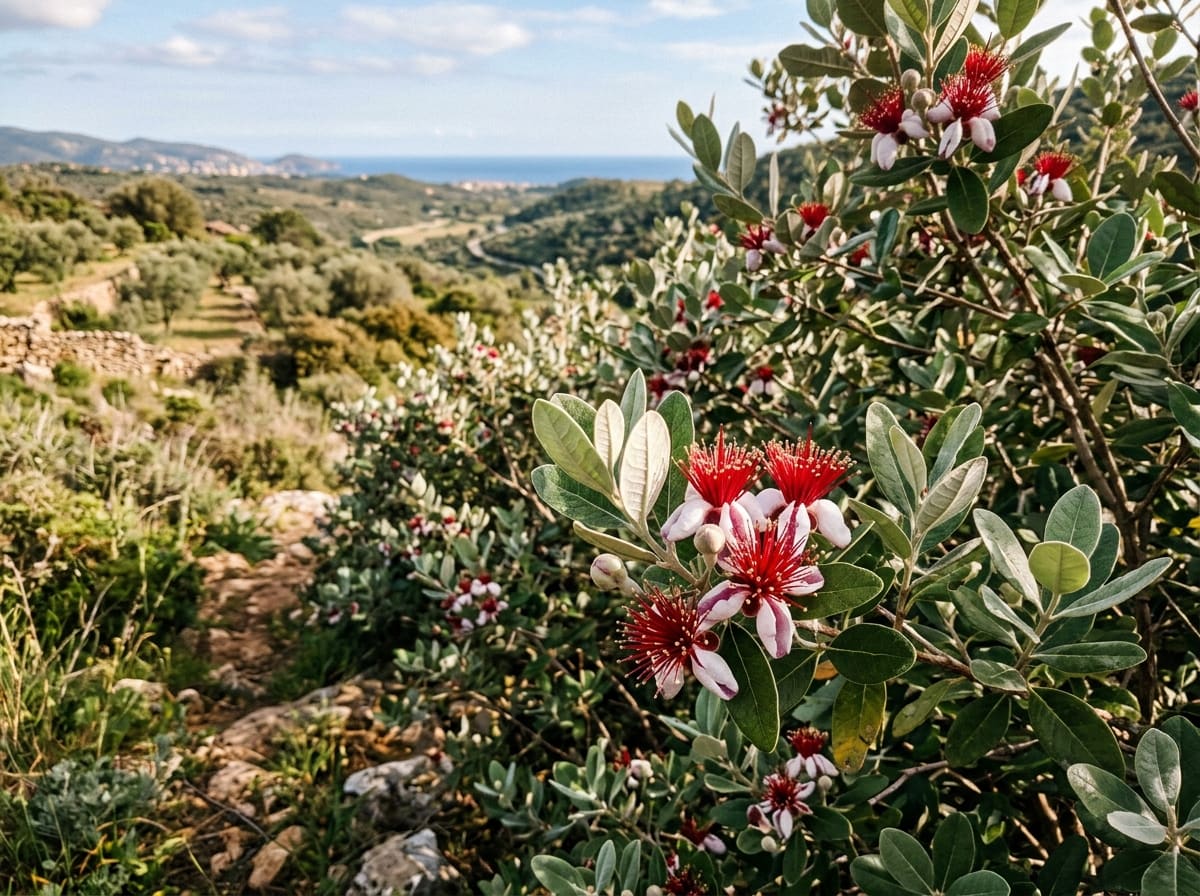
- FeijoaAcca sellowiana
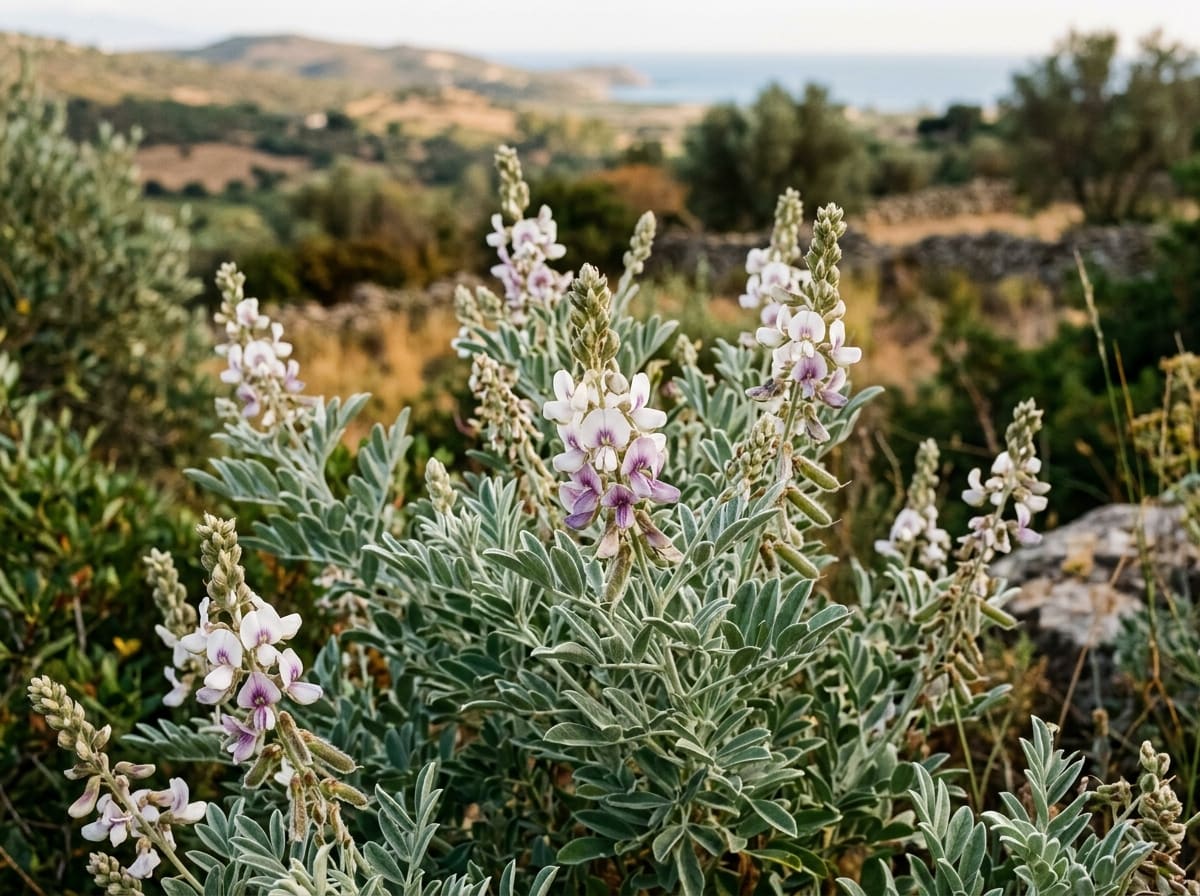
- TephrosiaTephrosia
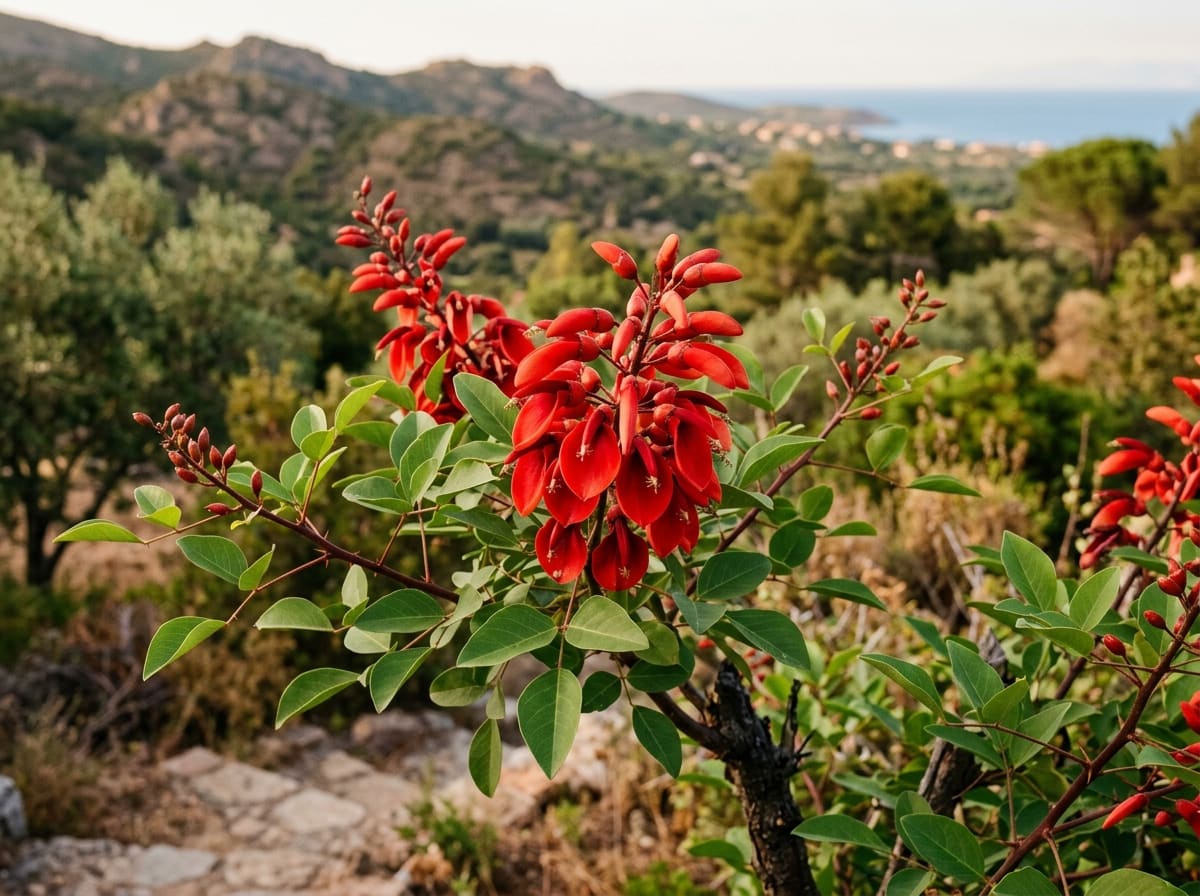
- Coral treeErythrina
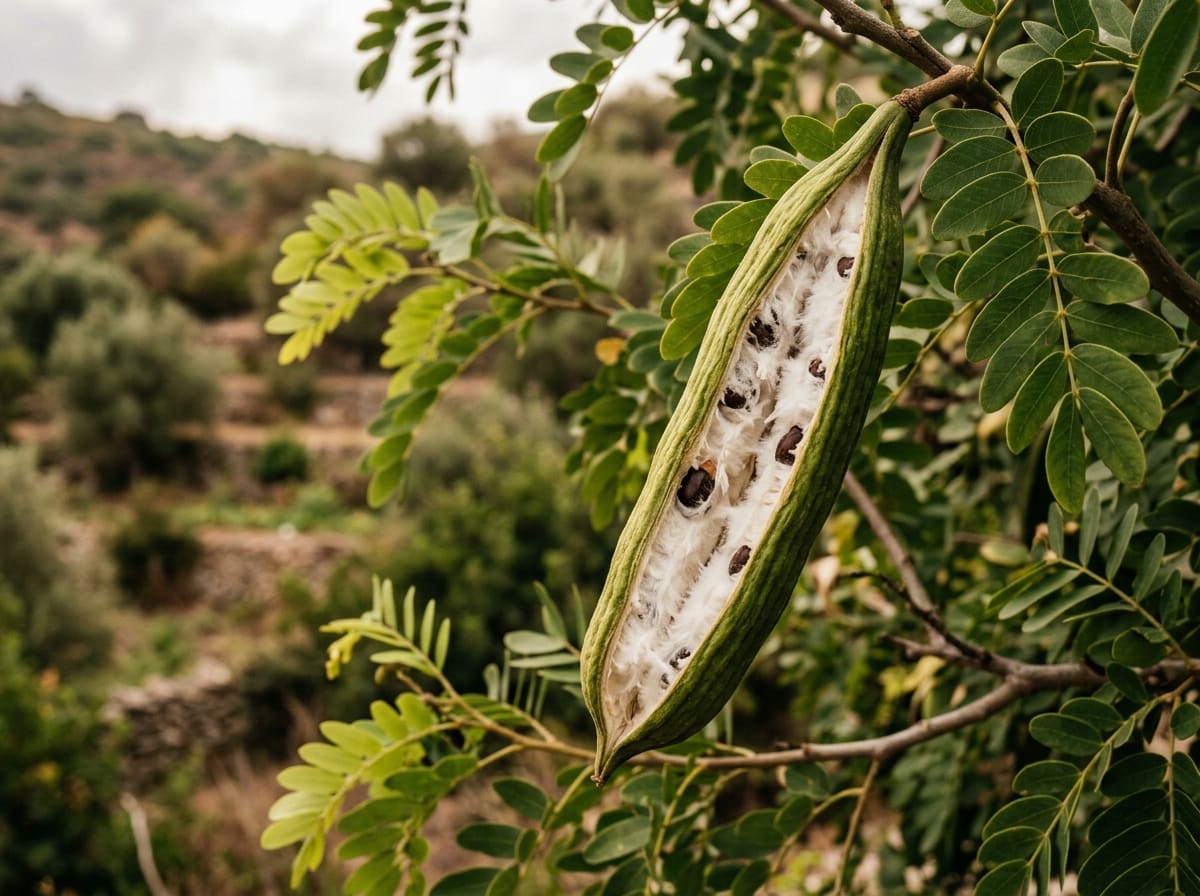
- IngaInga edulis
- PacayInga feuilleei
- Bambara groundnutVigna subterranea
- Fava beanVicia faba
- LeucaenaLeucaena leucocephala


Frequently asked
What does use and value diversity mean in permaculture?
It is the tenth of the twelve design principles David Holmgren set out in 2002. It holds that a system built from many different species, varieties and relationships is less vulnerable than one that relies on a single crop, a single source or a single idea. Diversity spreads risk, and it also lets a design use every particular corner of a place: the damp hollow, the hot slope, the shade under a tree. Valuing diversity means protecting it where it already exists as well as adding it.
What is the proverb for this principle?
Holmgren pairs it with the saying don't put all your eggs in one basket. Whoever carries everything in one basket loses everything when that basket falls. A farm that depends on one crop, one buyer or one water source is in the same position. Several smaller sources, each able to fail without bringing down the whole, give a household or a landscape the room to absorb a bad year.
Is more species always better?
Not by itself. Permaculture is interested in useful connections, not in a long list of names. A random mix of plants that compete for the same water and light can do worse than a well-chosen pair. A plant guild works because its members do different things: one fixes nitrogen, one draws up minerals, one shades the soil, one feeds pollinators. Diversity pays when the differences complement each other, and the designer's task is to find those combinations for a given place.
Do introduced or so-called invasive plants count as diversity?
Terra Humana sees fast-growing newcomers as part of nature's own answer to disturbed ground. Where people have damaged a landscape, such plants often cover soil, build biomass and prepare the way for others, and they offer great potential for rapid restoration when they are guided and later replaced by the target species. David Holmgren argues in a similar direction in his paper Weeds or wild nature (2011). One line is firm for us: species on the EU list of invasive alien species of Union concern are never used.
How does Terra Humana apply this principle at Sa Medada?
Project Eden does not bet on one crop. Banana, mango, avocado, guava, cherimoya, papaya, passion fruit, lychee, moringa, persimmon and citrus grow in the open ground, and further species such as fig, apricot and feijoa are in pots or partly planted out. Several nitrogen fixers are in the soil, among them Tephrosia, the coral tree, Inga edulis and Leucaena. The old olive grove and the macchia on the steeper slopes are part of this diversity. We give no yield figures.

Related terms


Mentioned in
See this in practice
Further reading from around the world
Freely available sources we recommend for going deeper.
- WebsitePermaculture Principles: Use and value diversitypermacultureprinciples.com
- BookDavid Holmgren: Essence of Permaculture (free summary, many languages)permacultureprinciples.com
- StudyFAO: The State of the World's Biodiversity for Food and Agriculturefao.org
- WebsiteFAO: The 10 elements of agroecologyfao.org
- WebsitePermaculture Australia: Ethics and principlespermacultureaustralia.org.au
Sources
- David Holmgren, Permaculture: Principles and Pathways Beyond Sustainability, Holmgren Design Services (2002, revised edition Melliodora Publishing 2017)
- Holmgren Design, Principle 10: Use and value diversity, permacultureprinciples.com (accessed October 2026)
- FAO Commission on Genetic Resources for Food and Agriculture, The State of the World's Biodiversity for Food and Agriculture, Rome (2019)
- Tilman and Downing, Biodiversity and stability in grasslands, Nature 367, pp. 363-365 (1994)
- Yachi and Loreau, Biodiversity and ecosystem productivity in a fluctuating environment: the insurance hypothesis, PNAS 96, pp. 1463-1468 (1999)
- Bill Mollison, Permaculture: A Designers' Manual, Tagari Publications (1988)
Last updated: 2026-10-16