

Chapter 3 of 12
Twelve principles
David Holmgren's design principles and Bill Mollison's rules: ways of thinking that travel to any place.
0 of 14 pages read. Read them all for the stamp in your travel passport.The ethics say why; the principles say how. David Holmgren set out twelve design principles in his book Permaculture: Principles and Pathways Beyond Sustainability (2002). Each is a short phrase, from "Observe and interact" to "Creatively use and respond to change", and each can be carried to any place, whether a balcony, a farm or a whole valley. They are not recipes. They are ways of thinking that help where no recipe fits.
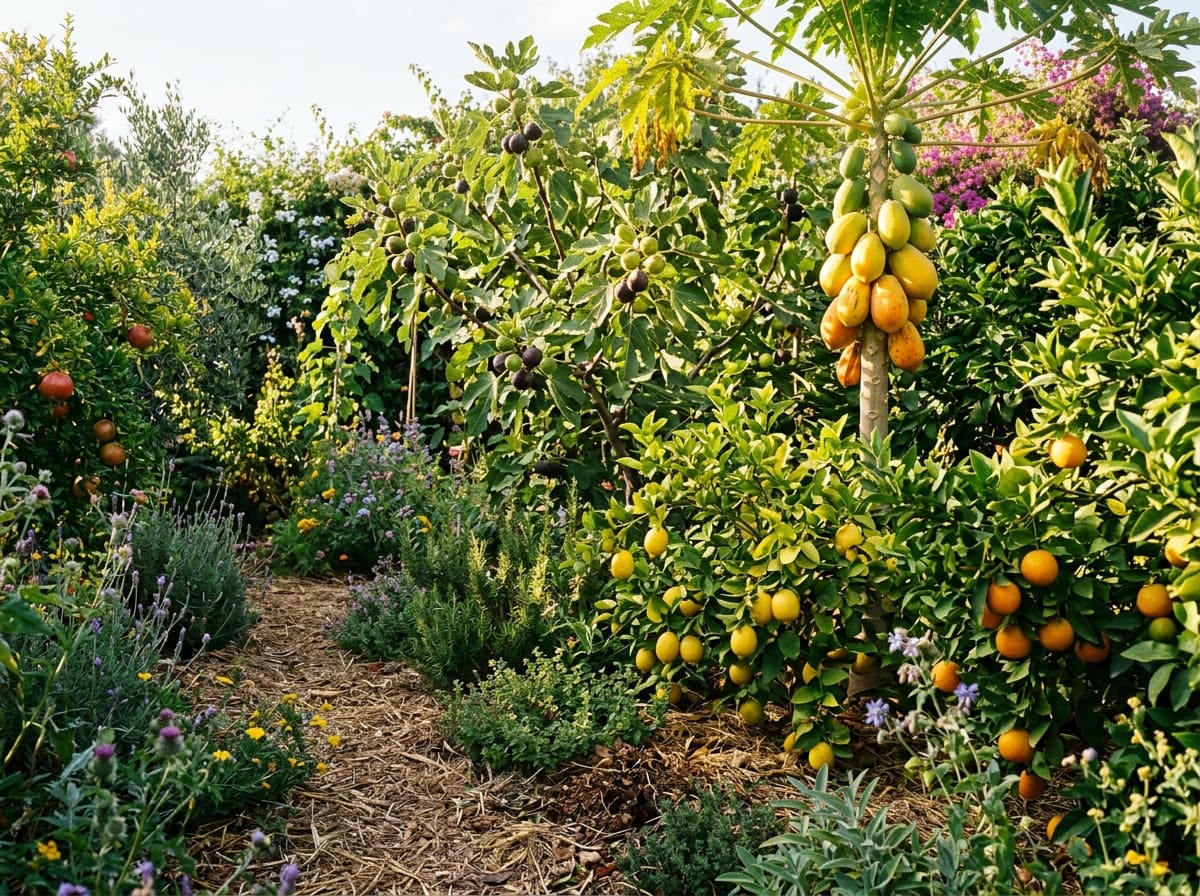
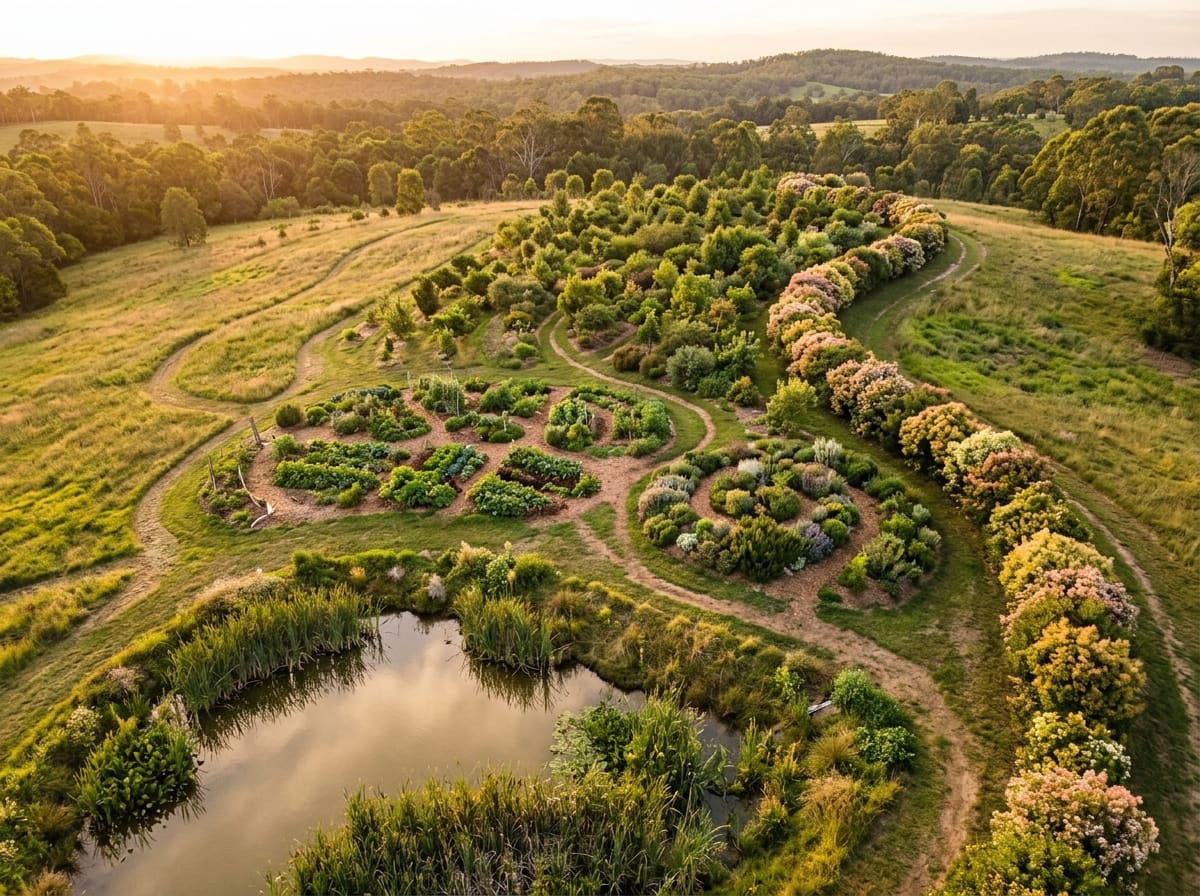
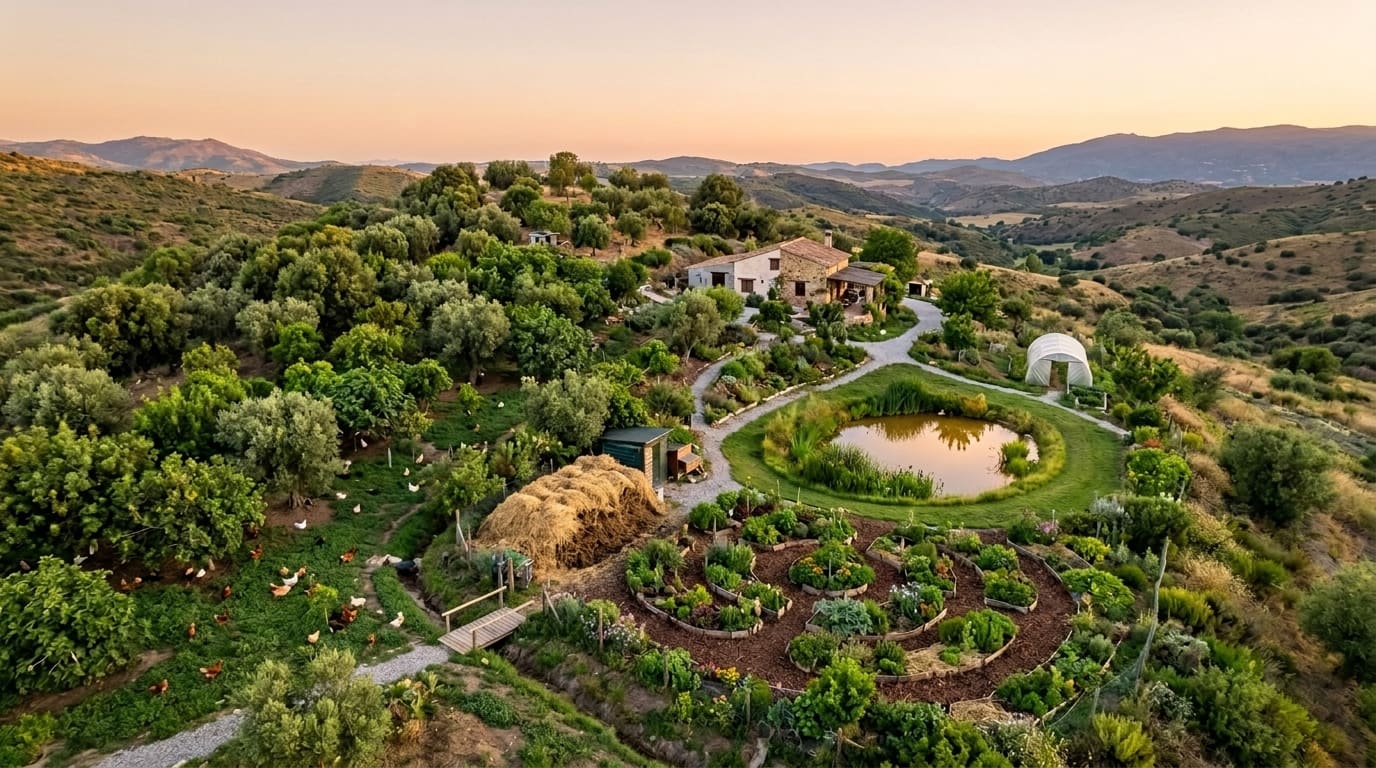
This chapter comes before the practical work because the principles run through everything that follows. "Catch and store energy" returns in every swale and every layer of mulch, "Produce no waste" in every compost heap, "Use edges and value the marginal" along every hedge and pond bank. Anyone who knows the principles will recognise them in each technique and can judge a new one on their own.
Beside Holmgren stands Bill Mollison, who wrote down his own design rules in 1988 and 1991, from relative location and several functions for each element to zones, succession and the edge effect. Much of it overlaps, some of it does not, and the page on his rules shows both. The wheel below leads to each principle, and the page on cycle thinking shows how they come together on the land.
Tap a principle to dive deeper.
Principle 1
Observe and interact
The first of David Holmgren's twelve permaculture principles: watch a place closely, act in small steps and let its response guide the next step.
At work in
- Ecological Succession
- Indicator Plants
- Keyline Design
- Maquis (Mediterranean Scrubland)
- Soil Analysis
- Spade Test
- Texture by Feel
Where the principles meet the practice
Every row is a technique in the TerraWiki, every column one of the twelve principles. A dot shows that the principle is at work in the technique. Tap a number to highlight one principle.
Pages in this chapter






Try it yourself
Count along an edge
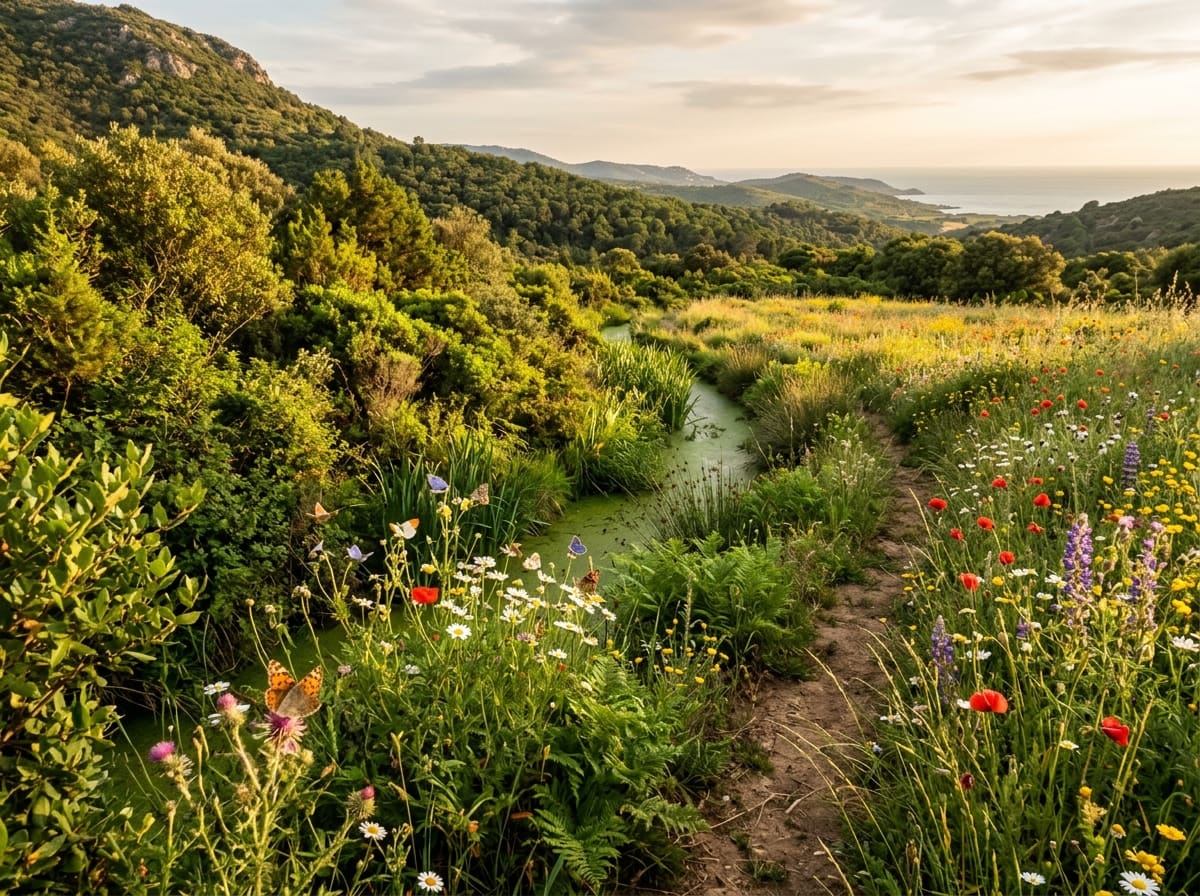
- 1On a walk, find a place where two habitats meet: a hedge beside a meadow, the verge of a path, a stream bank or the edge of a wood.
- 2Stay on the path and count how many different kinds of plants you can see along one metre of that edge.
- 3Then count along one metre in the middle of the lawn, the field or the wood.
- 4Compare the two numbers and note which insects or birds you see at each spot.
- 5Read the principle "Use edges and value the marginal" and check whether your count agrees with it.
At Sa Medada
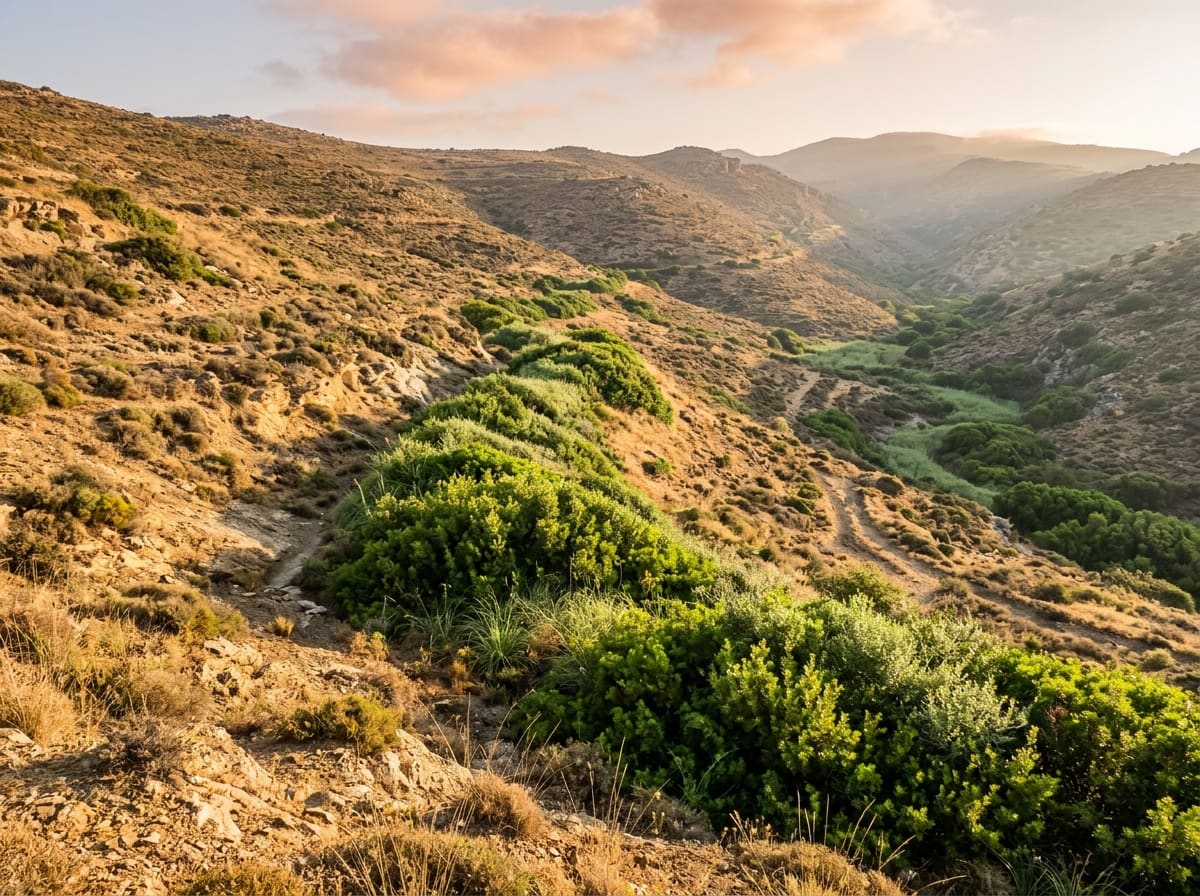
Sa Medada is a steep slope in Sardinia with long, dry summers. There too, "Observe and interact" is where the work begins: before the land is shaped, it is read, starting with a LiDAR wetness map that shows a comparatively dry main area and moister channels along the edges. Swales are planned; none has been built yet.