

In brief
The gradual process by which the mix of species in an ecosystem changes over time, from pioneers toward a mature community.
Learning path: From soil to forest
Station 5 of 7
What is ecological succession?
Ecological succession is the process by which the composition of a plant and animal community changes over time in a given place. It describes how life colonises and develops an area, moving from simple, hardy beginnings toward more complex and stable arrangements. Ecologists distinguish two broad types. Primary succession begins on ground with no soil and no prior community: bare rock, a new lava flow, land exposed by a retreating glacier. Secondary succession begins where a disturbance such as fire, flood or clearing has removed vegetation but left the soil largely intact, so recovery is faster.
Succession usually begins with pioneer species: tough, fast-growing organisms tolerant of harsh, exposed conditions. Lichens, mosses, grasses and quick pioneer shrubs and trees stabilise the surface, add organic matter and begin to build soil. As conditions soften, they are gradually joined and then overtaken by species that need more shade, moisture or nutrients. Over years or decades the community tends toward a relatively stable, self-renewing state often called a climax community, although modern ecology treats this endpoint as dynamic rather than fixed, since disturbance is a constant part of nature.
The important insight is that each stage changes the environment in ways that make the next stage possible. Pioneers are not failures replaced by winners; they are the ones who make the ground habitable for what follows. Succession is therefore a story of preparation, not competition alone.
How Terra Humana understands ecological succession
Terra Humana treats succession as a teacher rather than a problem to overcome. Conventional land management often fights against it, holding a site in a single simplified state. We instead read succession as the landscape's own repair mechanism: the pattern by which damaged ground rebuilds itself if given structure and time.
This understanding is the bridge to syntropic agriculture, which deliberately accelerates and guides succession instead of resisting it. By seeing pioneer species as soil-builders and shade-makers rather than weeds, we can work with the sequence nature already uses, shortening the road from bare or degraded ground to a productive, living system while keeping its ecological logic intact.
Ecological succession in practice
At the Sa Medada site in Jerzu, Sardinia, Project Eden is designed around this staged logic. On the region's dry, stony soils, planting a mature orchard directly onto exposed ground would expose young trees to heat, wind and water stress. Instead the design begins with fast-growing pioneer trees that shade the soil, add leaf litter and shelter more demanding species.
As these pioneers establish, fruit trees and long-lived species such as olives are integrated, so that the site advances through successional stages much as an unmanaged landscape would: only guided and densified. Pioneers are cut and pruned over time, their biomass feeding the soil, while the slower, longer-lived layer takes over the canopy.
This work is still developing, and Terra Humana presents Sa Medada as an ongoing experiment in guided succession rather than a finished ecosystem. Progress is measured in soil, shade and returning life, on the timescales that succession itself requires.

Sa Medada
What this looks like at Sa Medada
At Sa Medada all four life-span stages of a staged planting are occupied: fava bean and Bambara groundnut for a season, Tephrosia for a few years, coral tree and Leucaena for ten to fifteen years, Pacay and Inga edulis for the later canopy. Tagasaste comes next; sowing began in August 2026. Succession is built in from the start.
More about Project EdenPlants in this entry
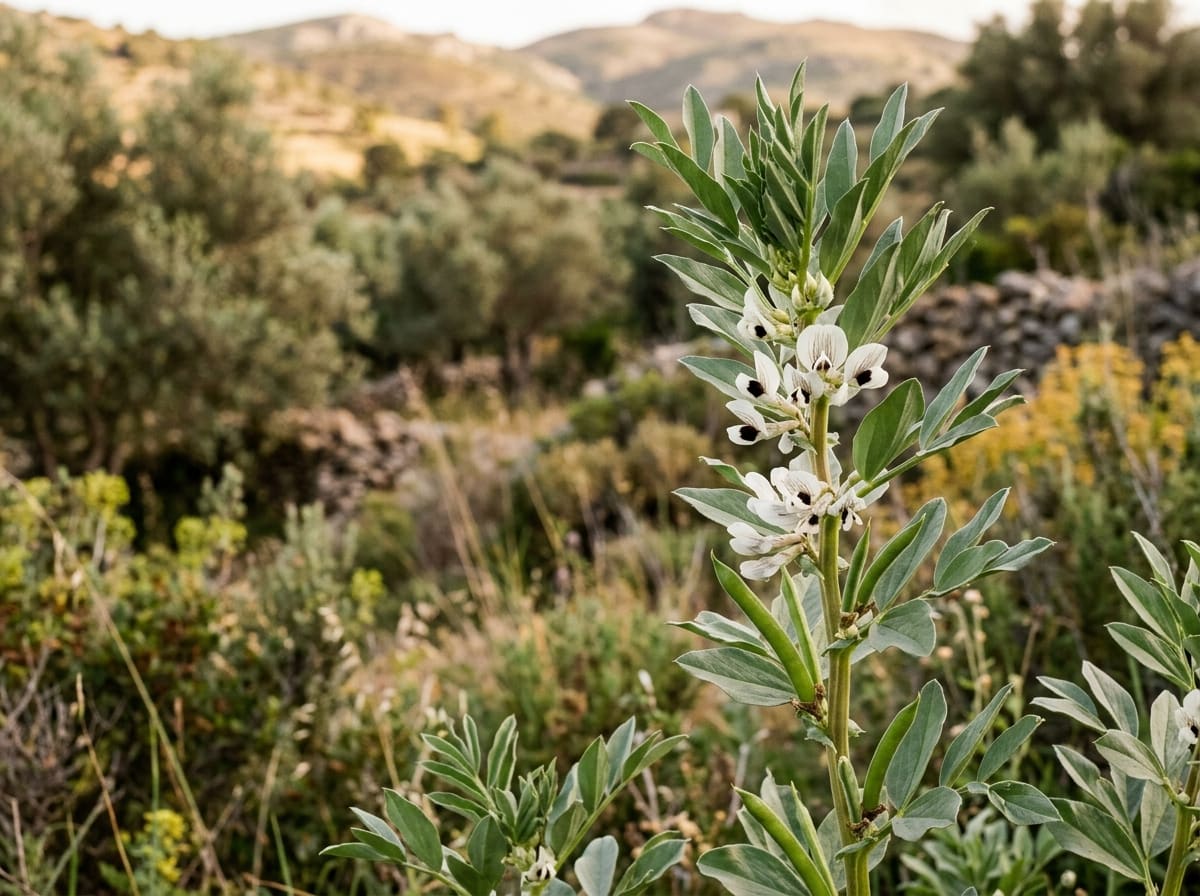
Fava beanVicia faba 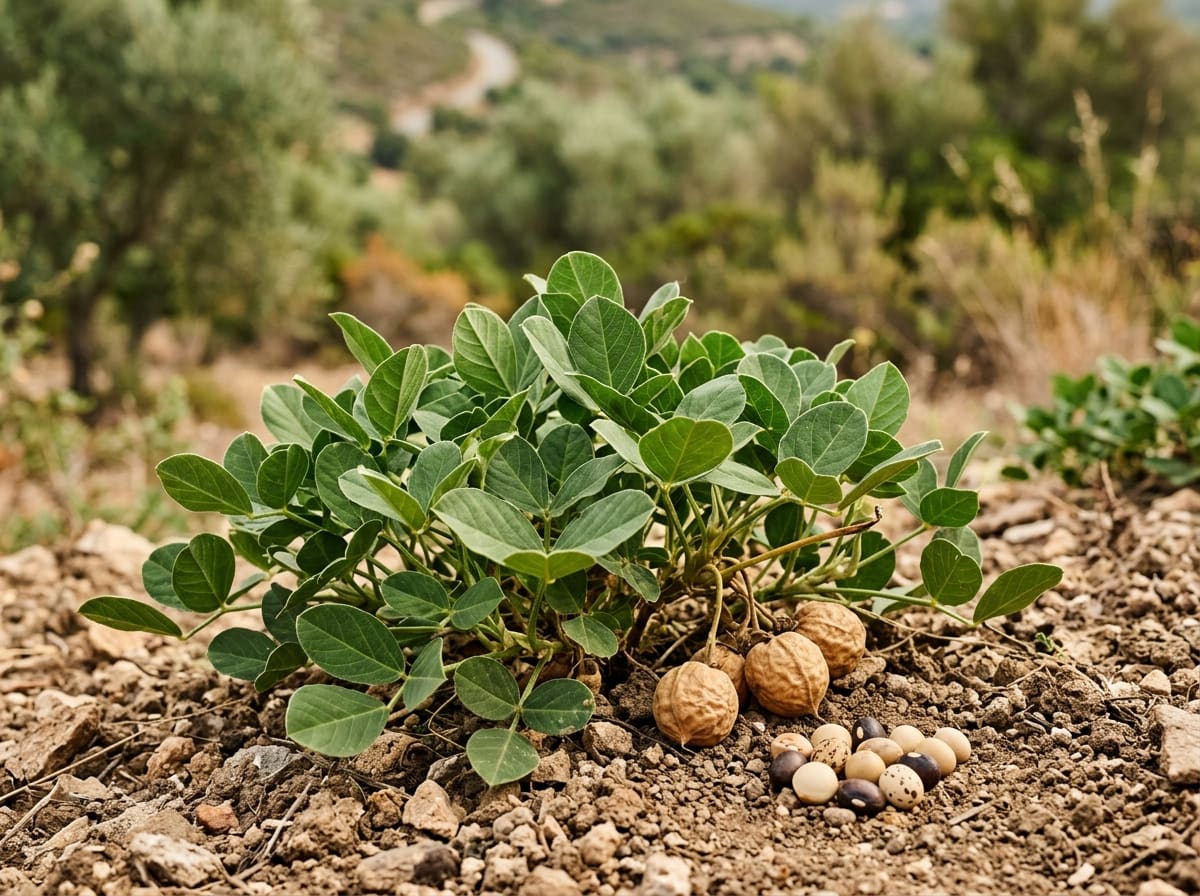
Bambara groundnutVigna subterranea 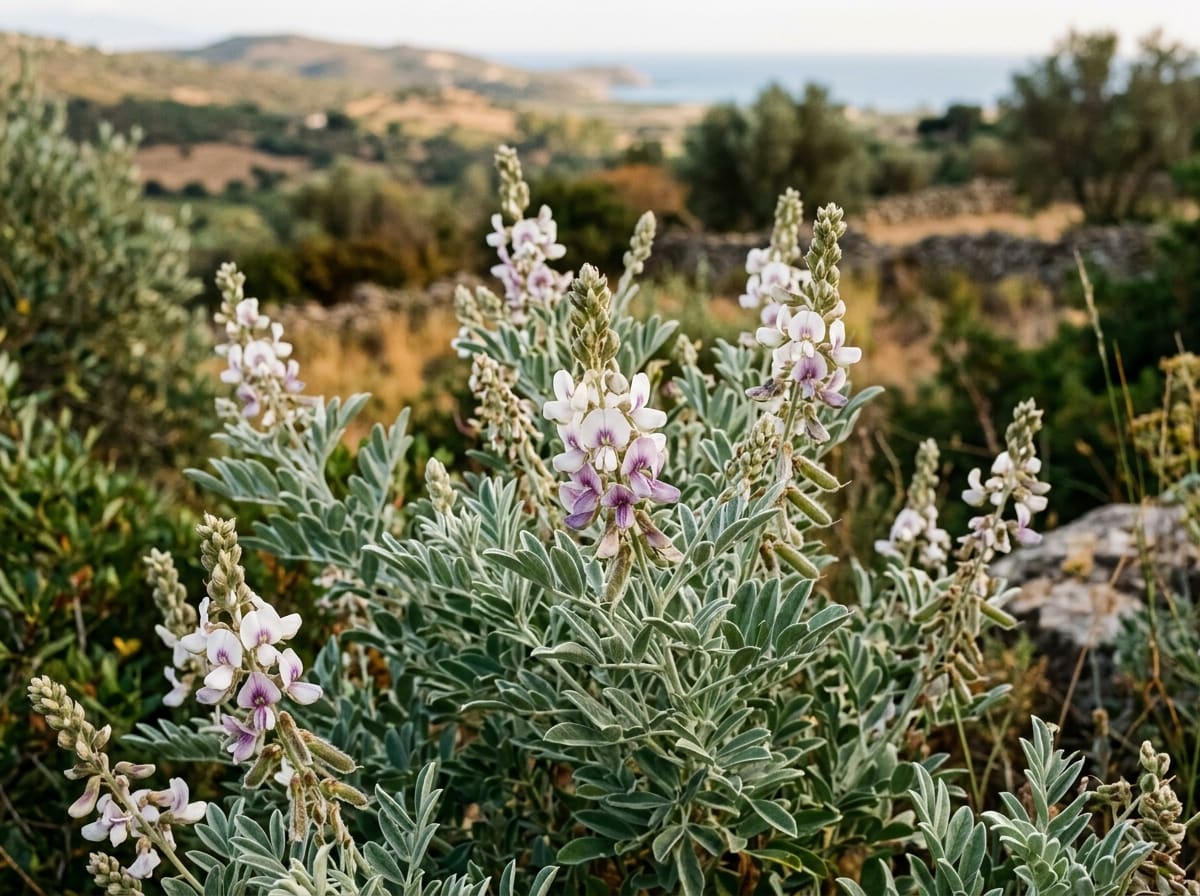
TephrosiaTephrosia 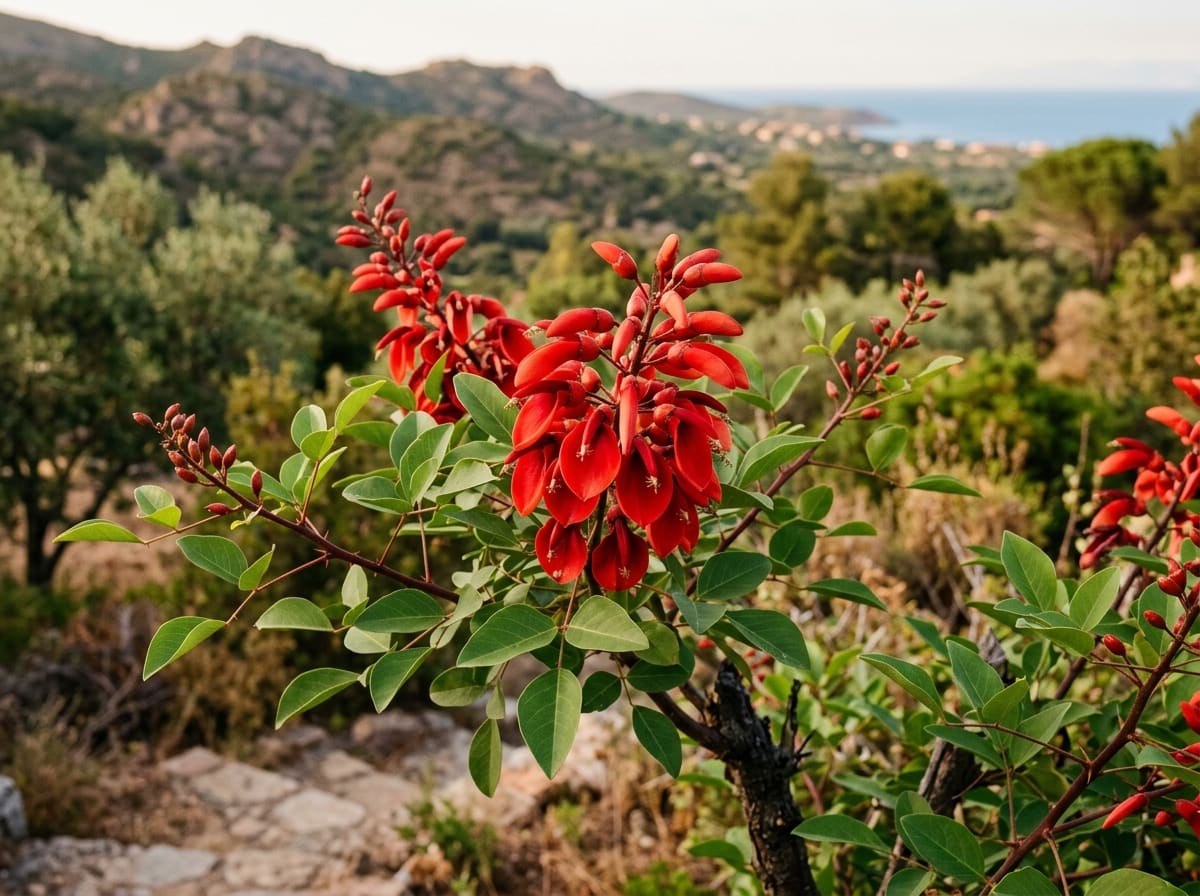
Coral treeErythrina 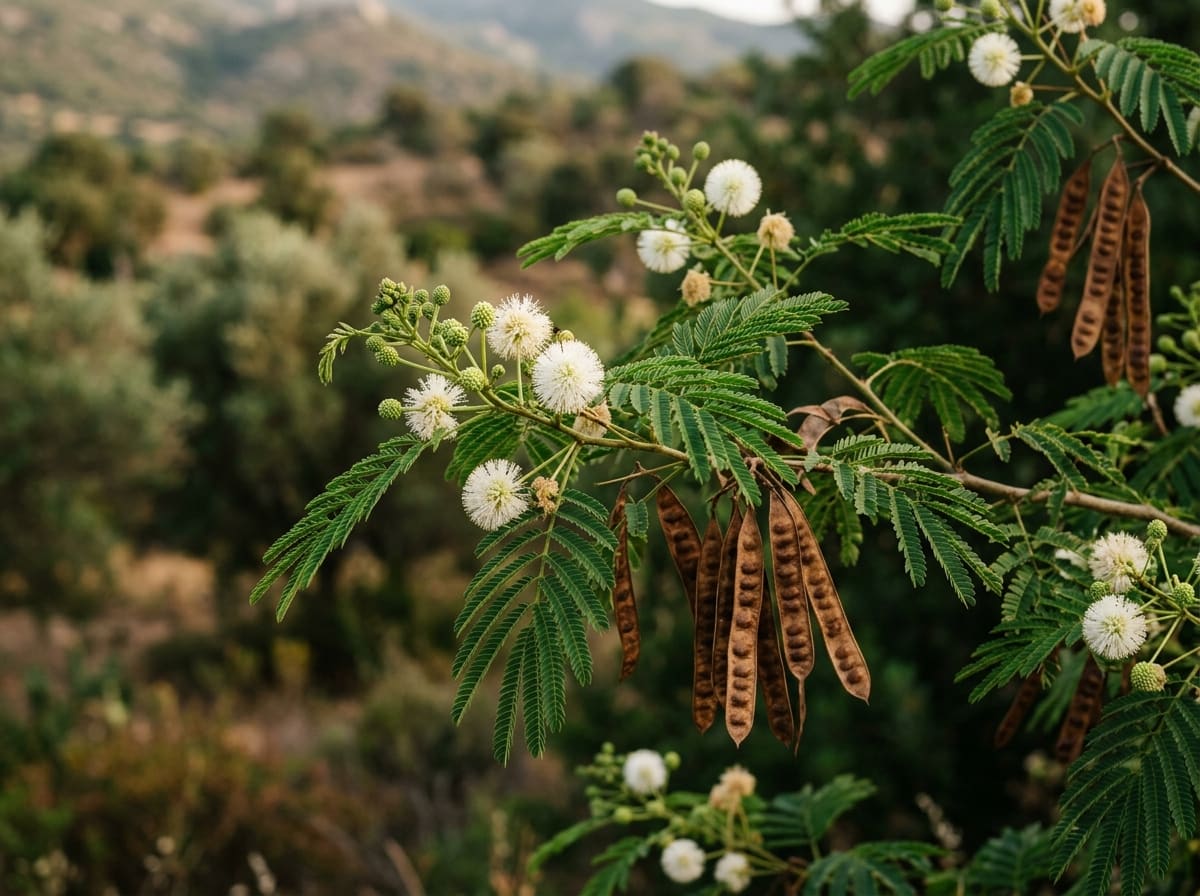
LeucaenaLeucaena leucocephala 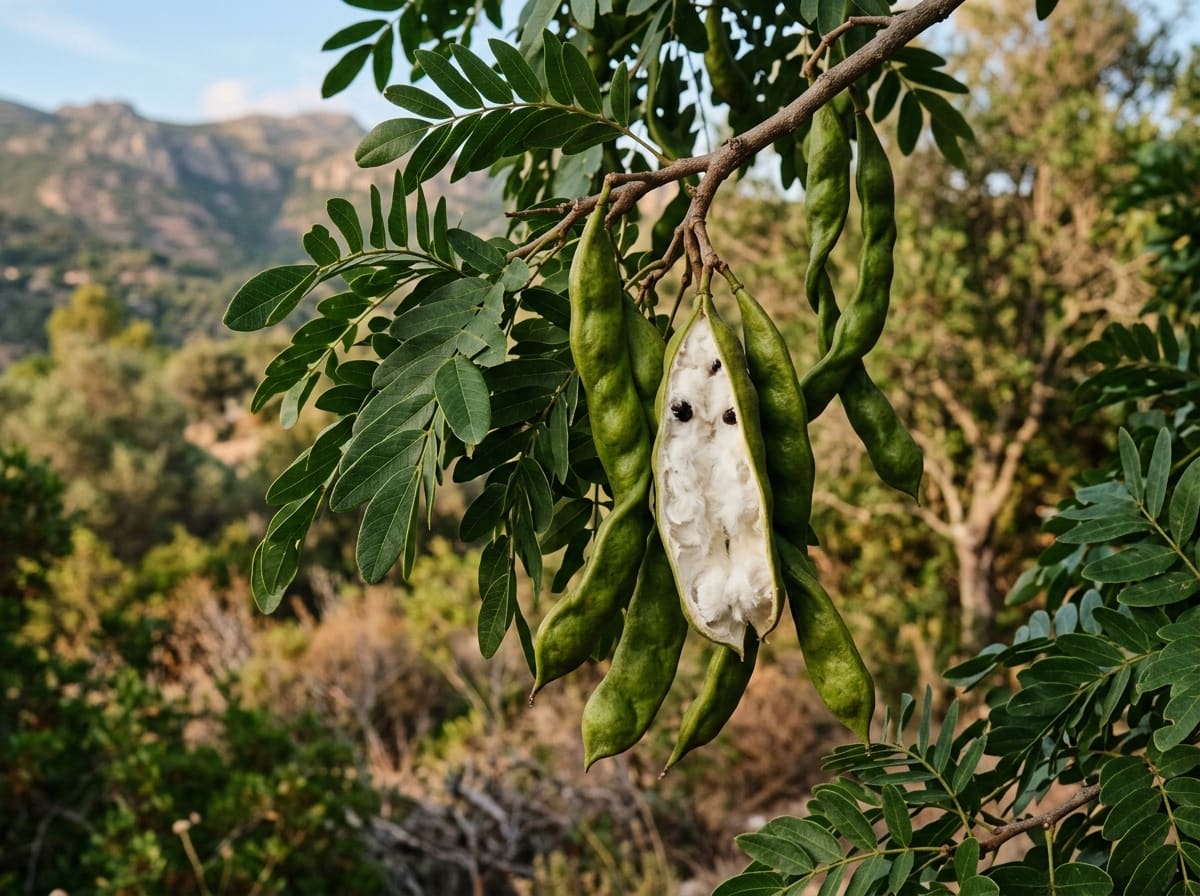
PacayInga feuilleei 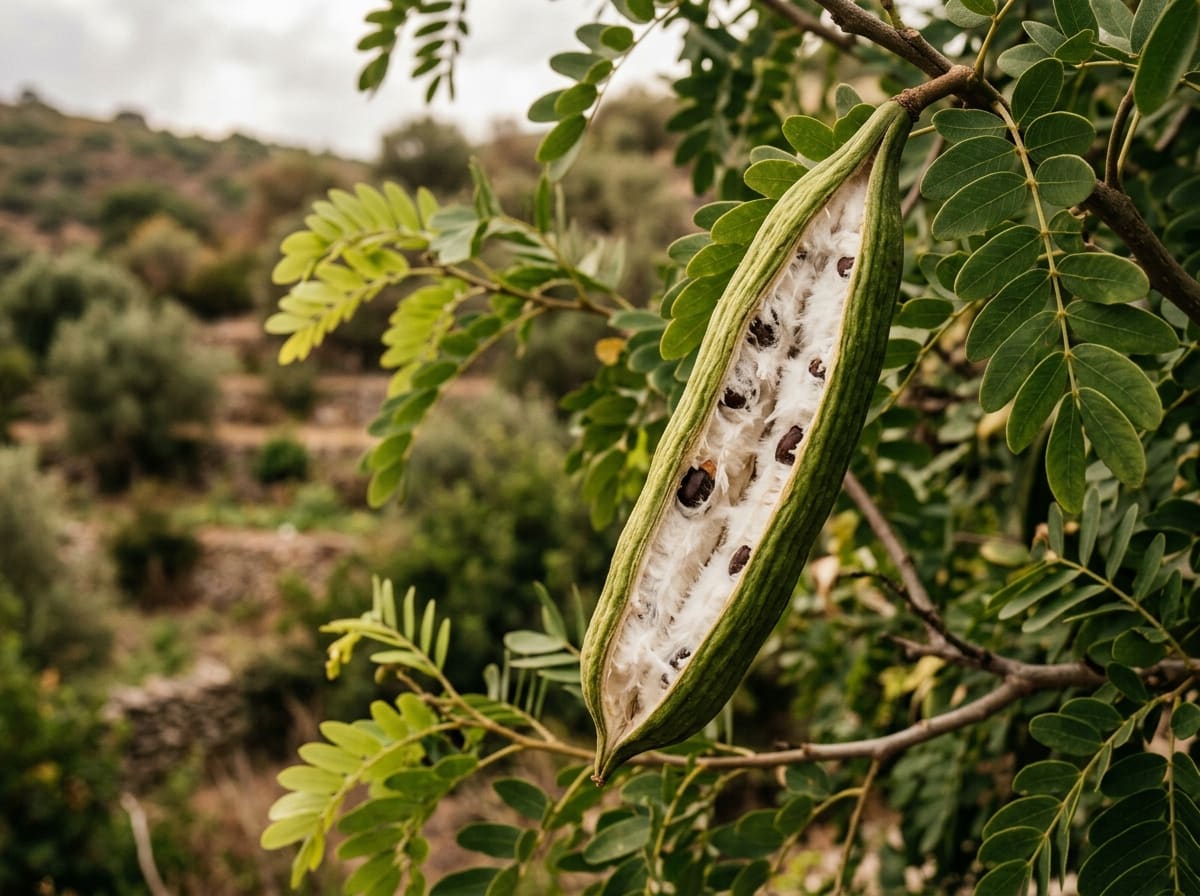
IngaInga edulis 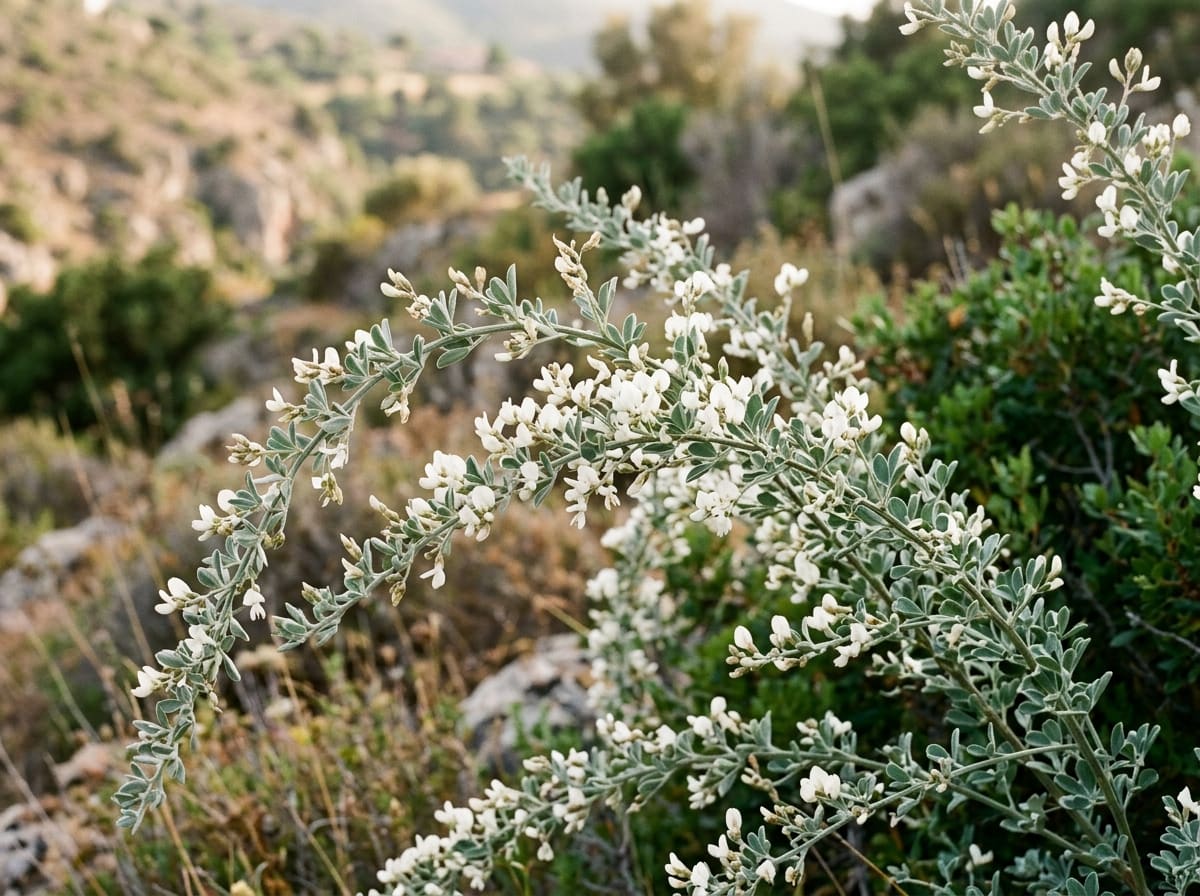
TagasasteChamaecytisus proliferus


Frequently asked
What is ecological succession?
Ecological succession is the natural process through which the species composition of an ecosystem changes over time. It typically moves from hardy pioneer organisms that colonise bare ground toward more complex, longer-lived communities that develop as conditions improve.
How does Terra Humana apply ecological succession?
At Sa Medada, Terra Humana plants in stages that mirror succession: fast-growing pioneers first prepare the soil and shade, followed by fruit trees and long-lived species. This lets the land build fertility step by step rather than forcing a mature system onto bare ground.
Related terms


Mentioned in
See this in practice
Sources
- F. E. Clements, Plant Succession (1916)
- E. P. Odum, The Strategy of Ecosystem Development, Science (1969)
Last updated: 2026-10-01