

In brief
Species that colonise bare or damaged land first, making it habitable for everything that follows through their shade, roots and nutrients.
Learning path: From soil to forest
Station 4 of 7
What are pioneer plants?
Where land has been wounded, by fire, overuse, erosion or simple abandonment, nature does not begin with the forest. It begins with the bold: species that germinate where there is nothing but sun, wind and lean ground. Ecology calls them pioneer plants, and they are the opening move of every succession, that sequence of plant communities which, over years and decades, turns bare soil back into a rich system.
Pioneers share a temperament: they grow fast, flower early, seed generously and ask for little. Many of them, from lupins to acacias, fix nitrogen from the air with the help of root-nodule bacteria, fertilising the very ground they colonise. Their roots break compaction and hold the slope, their leaf fall becomes the first layer of humus, their shade takes the worst harshness off the site. Each of these effects makes the place a little more habitable, including for species more demanding than themselves.
Therein lies the quiet irony of the pioneer's life: success means making yourself unnecessary. In the thickening stand they made possible, the light-hungry first settlers run out of light. They step back, and the patient, long-lived species take over. What looks like vanishing is work completed.
How Terra Humana understands them
Pioneer plants are perhaps the clearest article of faith in Terra Humana's method: vigorous, robust, often maligned species are not feared but deployed. An impoverished Mediterranean slope is not healed by forcing the finished forest into hostile ground, but by giving precedence to those who can handle hardship and who enrich the soil in passing.
That demands guidance rather than control. At Sa Medada pioneers are planted, pruned, rejuvenated and replaced according to plan once the target species stand. Calling them weeds only describes the fact that they arrive first, and misses the reason why: they appear where there is work to do. For a foundation whose mission is ecological restoration, they are not the enemies of order but its vanguard.

Sa Medada
What this looks like at Sa Medada
At Sa Medada the pioneering work is being done by Tephrosia, which is already established, around seven Leucaena and the coral tree, with fava bean and Bambara groundnut at ground level. All of them fix nitrogen, because on a dry slope the pioneer's first job is fertility. Tagasaste comes next; sowing began in August 2026.
More about Project EdenPlants in this entry
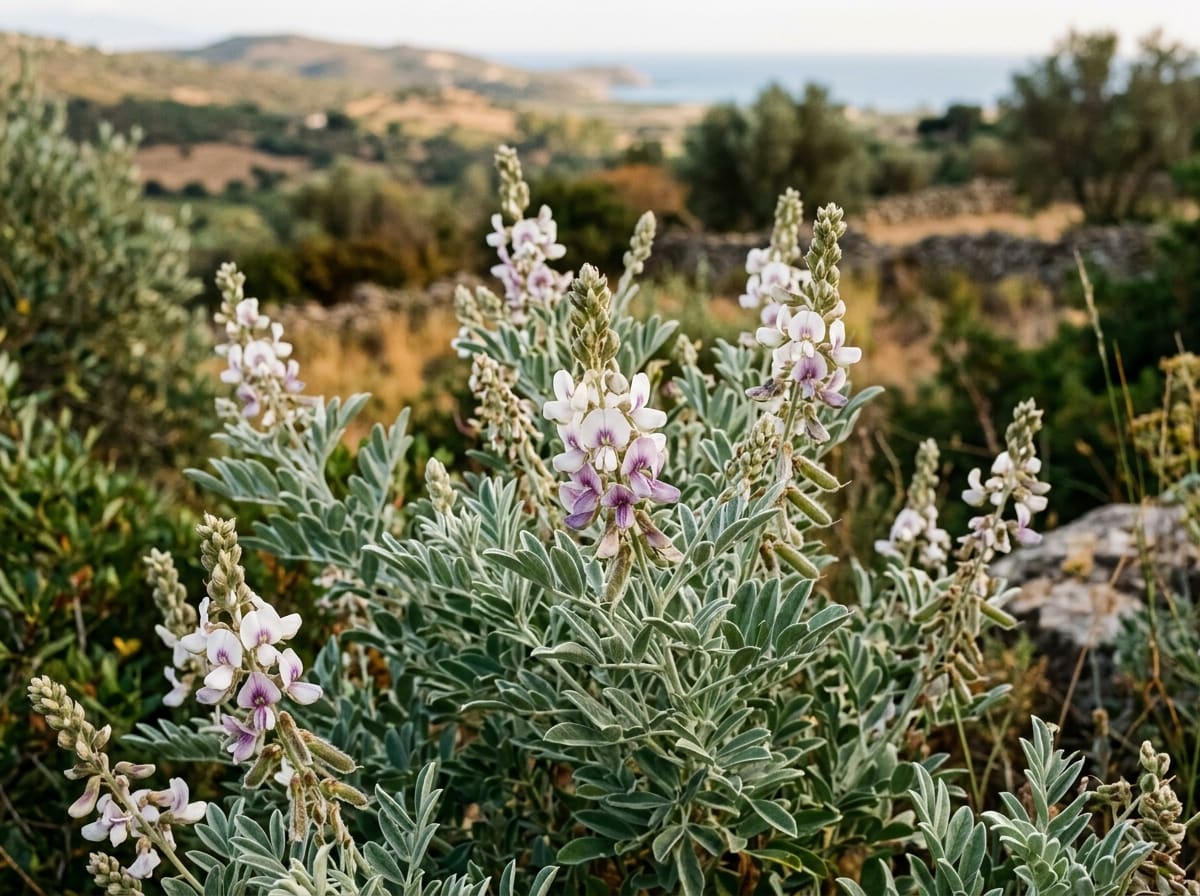
TephrosiaTephrosia 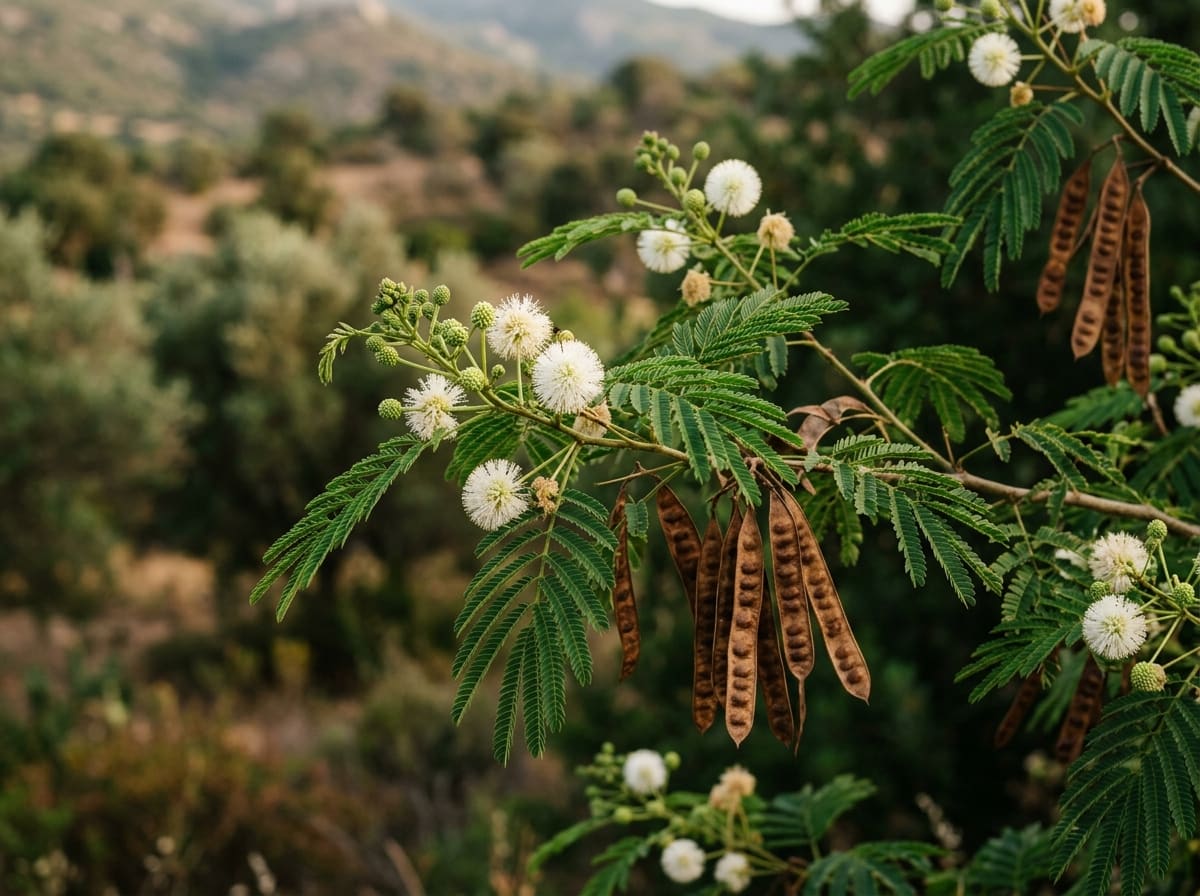
LeucaenaLeucaena leucocephala 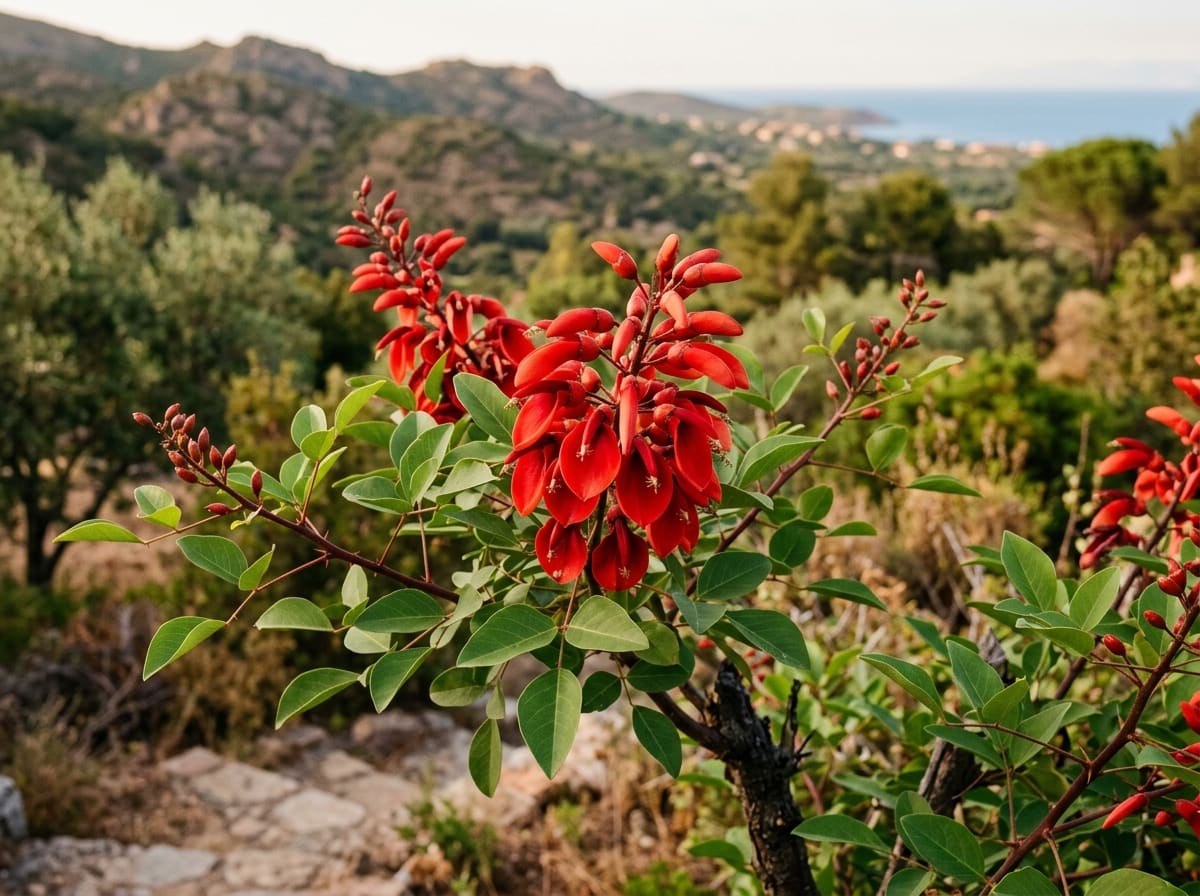
Coral treeErythrina 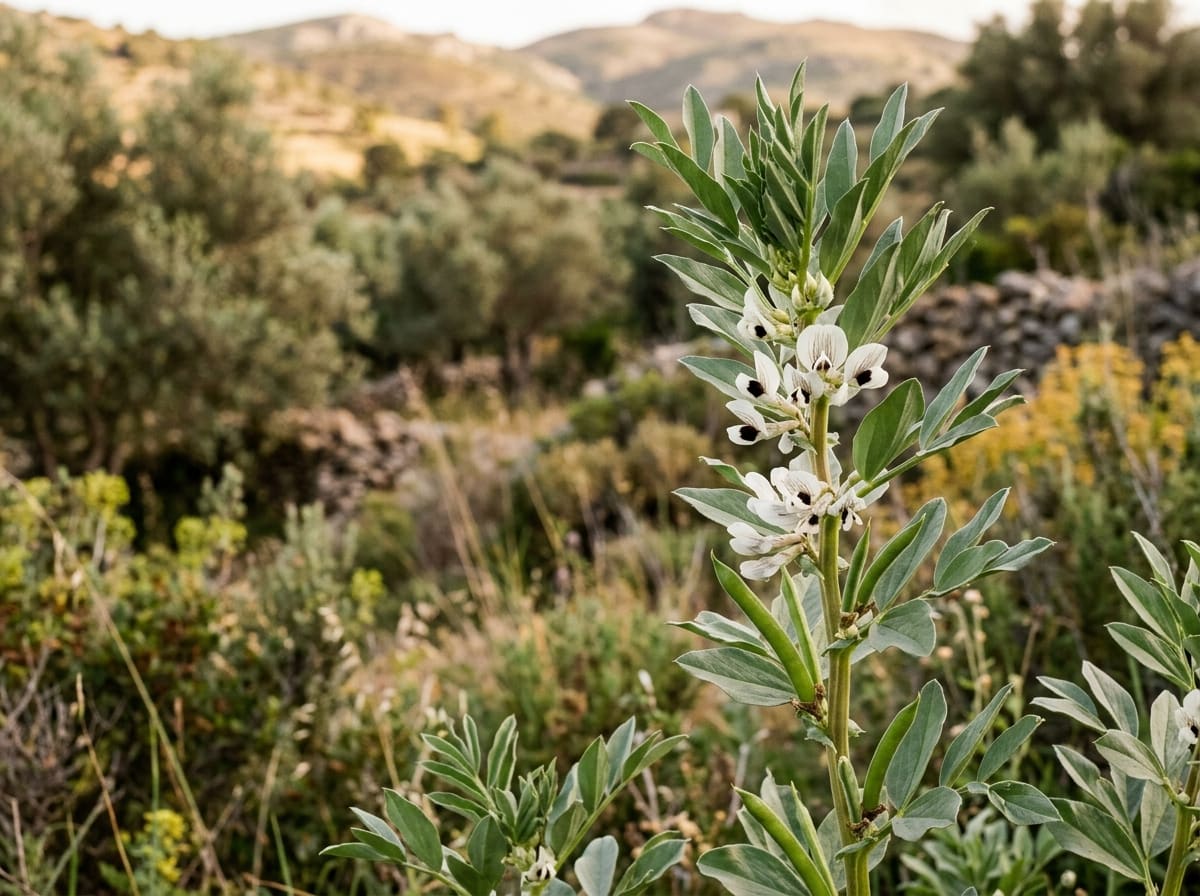
Fava beanVicia faba 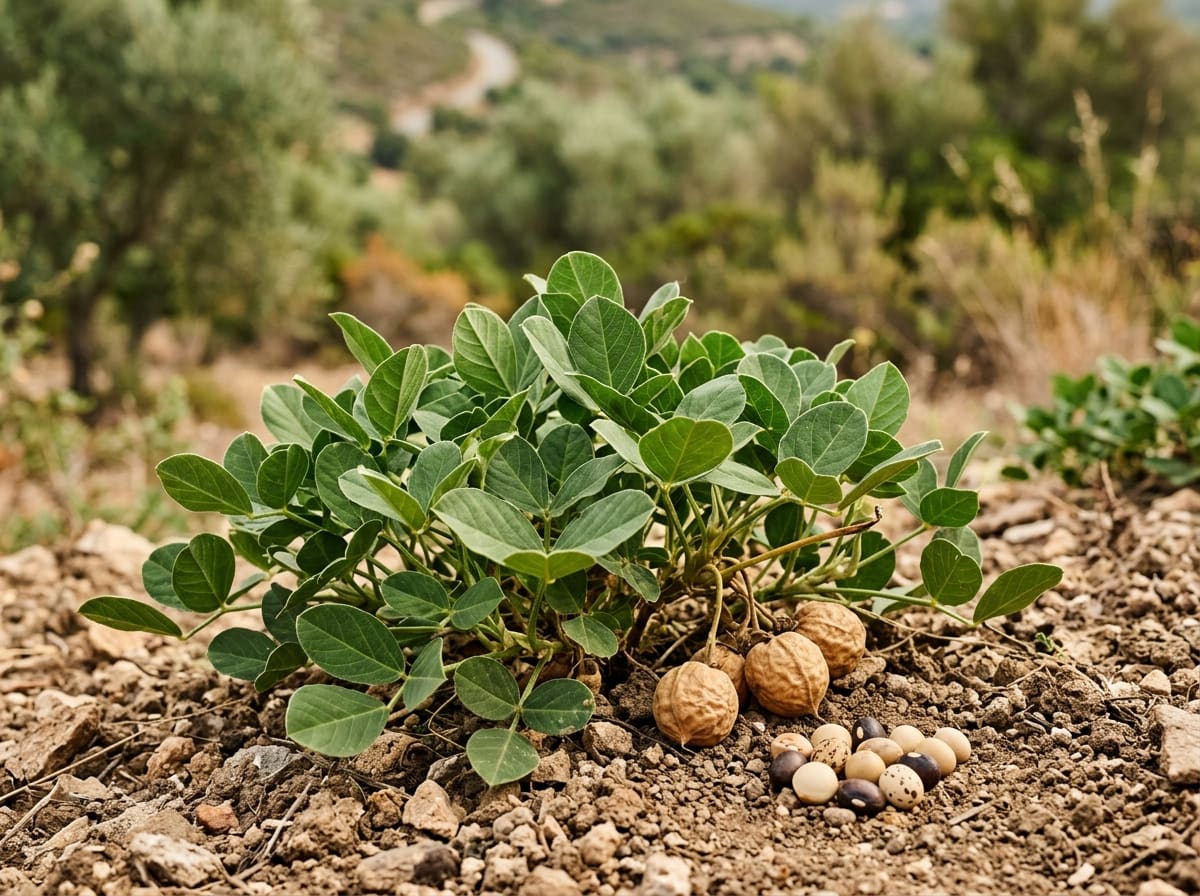
Bambara groundnutVigna subterranea 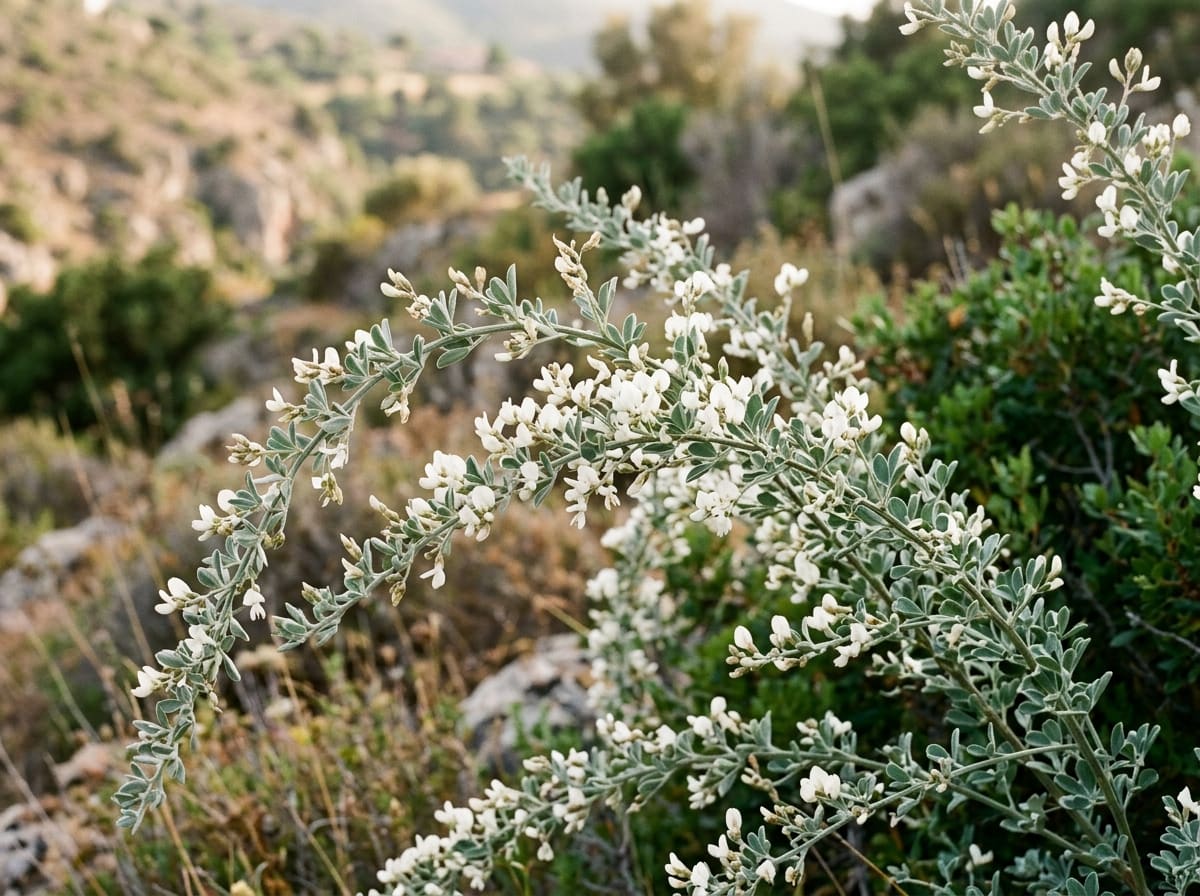
TagasasteChamaecytisus proliferus


Frequently asked
What are pioneer plants?
Pioneer plants are vegetation's first settlers: species that gain a foothold on bare, disturbed or impoverished ground where more demanding plants stand no chance yet. They germinate fast, tolerate full sun, wind and nutrient poverty, and change the site simply by existing: roots loosen and hold the soil, leaf fall becomes the first organic matter, shade softens the extremes. In doing so they open ecological succession, the sequence of plant communities that ends in richer, more stable systems.
Which traits make a plant a pioneer?
The pattern is strikingly consistent across species and continents: high light demands and no fear of scorching sun, fast growth, early and abundant seeding, good dispersal by wind or animals, modest needs for water and nutrients, and often the ability to fix nitrogen through root-nodule bacteria. The price is a short life and little shade tolerance: as the stand they created grows denser, pioneers step back. Their disappearance is not failure but proof that they worked.
Are pioneer plants weeds?
No, even though many of them get called that. That nettle, broom or acacia appear where soil is disturbed does not make them intruders but indicators and first responders: they stand there because there is work to do. Terra Humana plants vigorous pioneer species deliberately, as tools for healing an impoverished slope. What matters is guidance: pioneers are pruned, rejuvenated and, as the system matures, replaced by the long-lived target species according to plan. In any case the most effective answer to unwanted growth is not weeding but overstacking: occupy every layer so densely that neither light nor space is left, and the weed question becomes marginal. With acacias there is one firm line: Acacia saligna and Acacia mearnsii are on the EU list of invasive alien species of Union concern, and Terra Humana does not use them; every acacia not on that list remains a welcome nurse.
What distinguishes pioneer plants from nurse trees?
The role, not the species. A pioneer is whatever colonises and prepares disturbed land first, whether herb, shrub or tree. A nurse tree is a pioneer planted deliberately beside one specific protégé to carry it through its first years. The same plant can be both at once: a tagasaste shading a young olive is nursing its protégé while pioneering the slope around it. The pioneer works for the site, the nurse for a tree.
Related terms


Mentioned in
See this in practice
Sources
- Connell & Slatyer, Mechanisms of Succession in Natural Communities, The American Naturalist (1977)
- Walker & del Moral, Primary Succession and Ecosystem Rehabilitation (2003)
- Grime, Plant Strategies, Vegetation Processes, and Ecosystem Properties (2001)
- Ernst Götsch, principles of syntropic agriculture
Last updated: 2026-10-01