
The design toolkit
Seven stations, in the order in which a permaculture design comes about: from your own goal through ethics and careful observation to the tools, the principles and the nine steps of putting it into practice.
The starting point is the design methodology taught by Christoff Schneider’s permaculture school, which begins with the self and with ethics. The order in seven stations is our own.
- 1
Station 1
Zone 00, the self
Who is planning here, and where do I want to go?
Before any map comes the person who plans. Christoff Schneider calls this zone 00: insight, vision and setting goals. Whoever is clear here plans the place for their own life, not for a picture from a textbook.
In TerraWiki

- 2
Station 2
Ethics
What is the work for?
The three ethics are the measure for every decision: earth care, people care and fair share. They come before the techniques, because they say what a design is meant to be good for.
In TerraWiki
- 3
Station 3
Survey
What is already there?
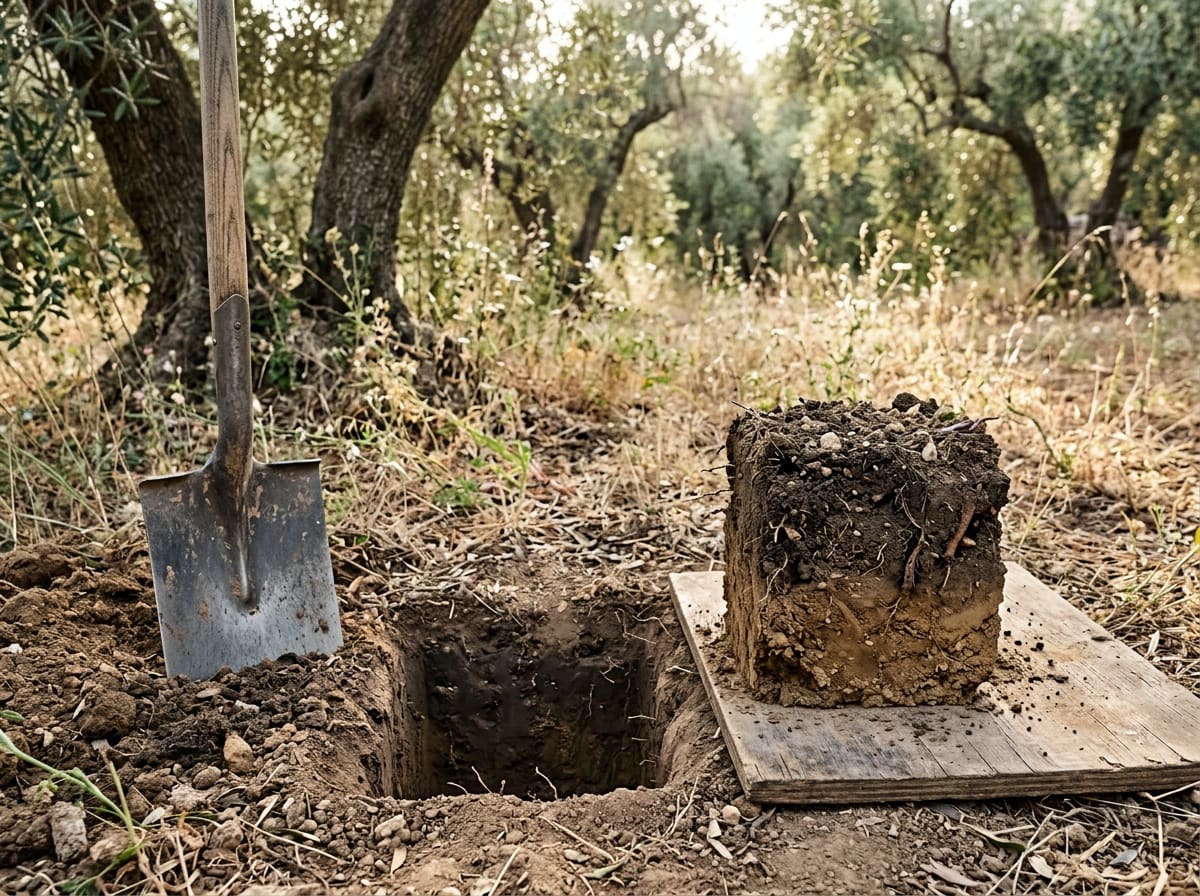
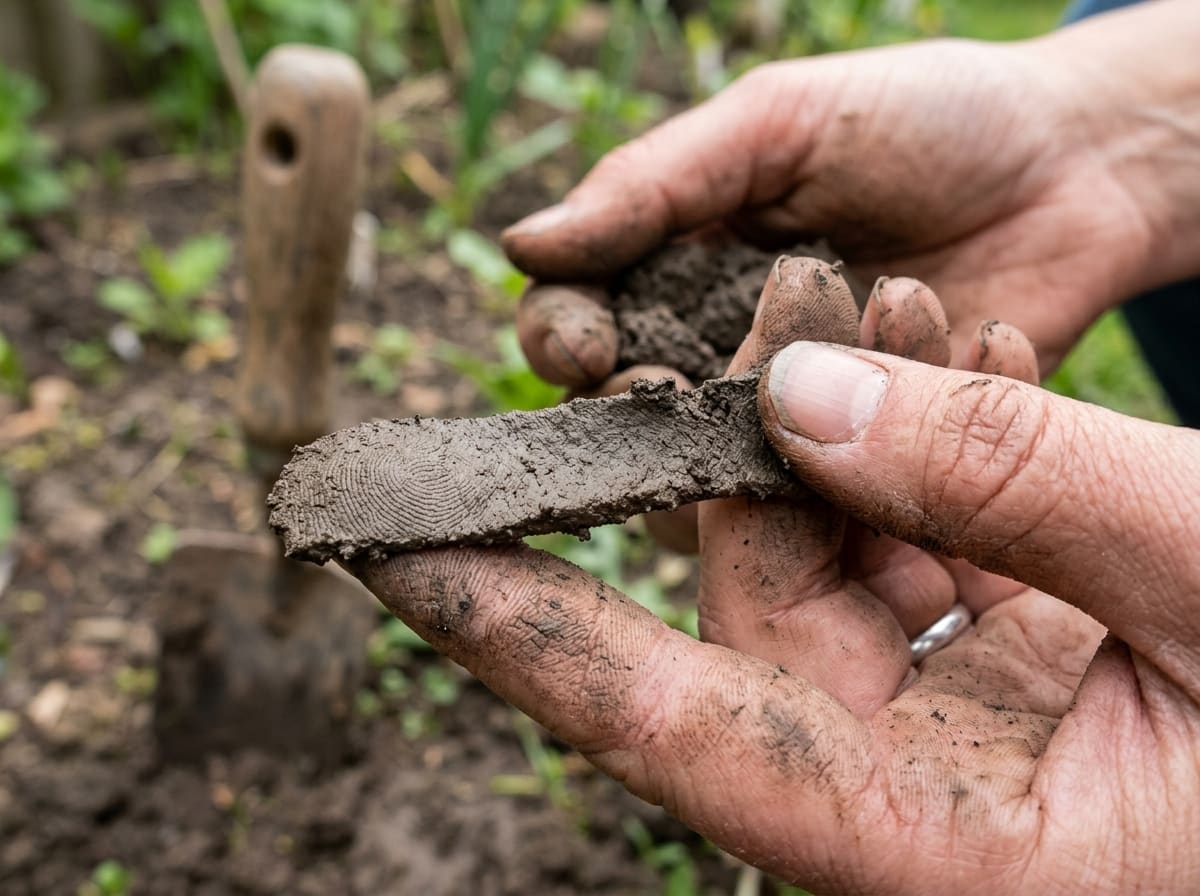
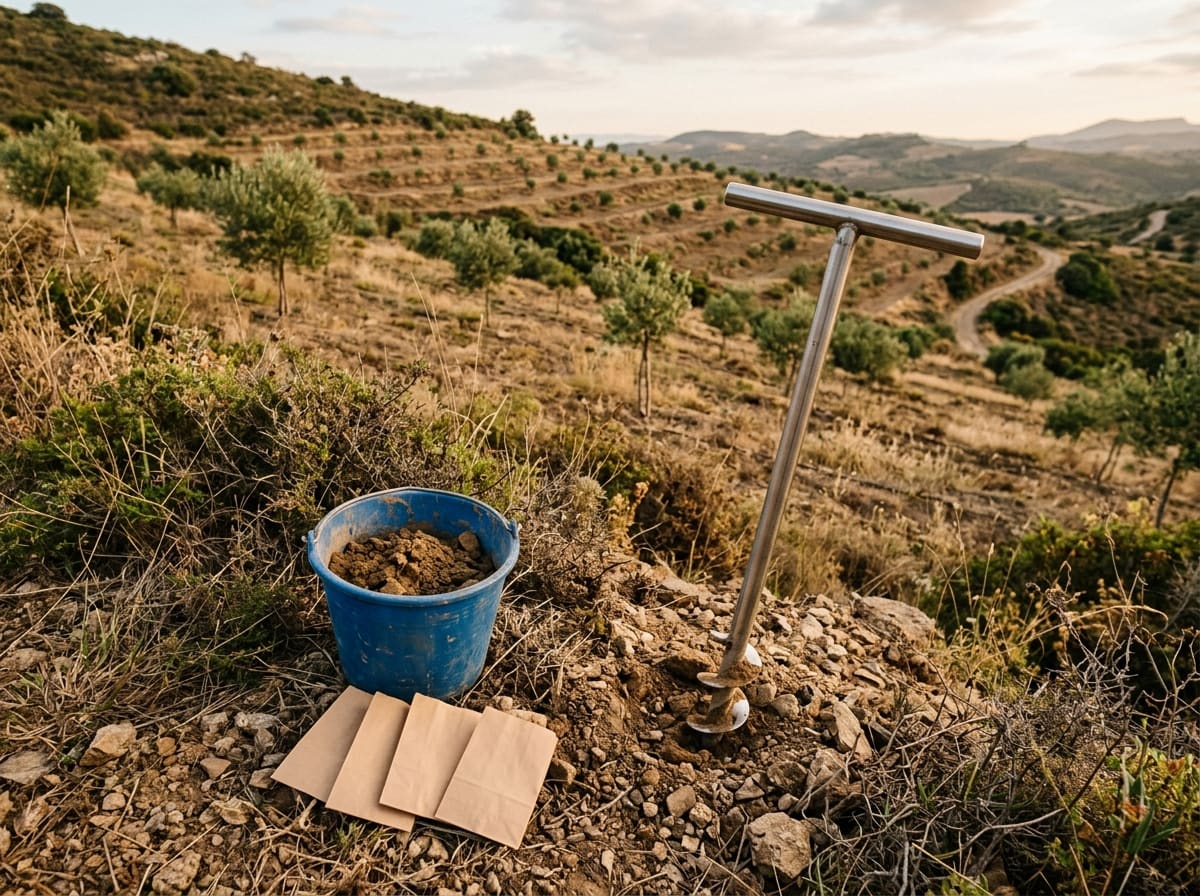
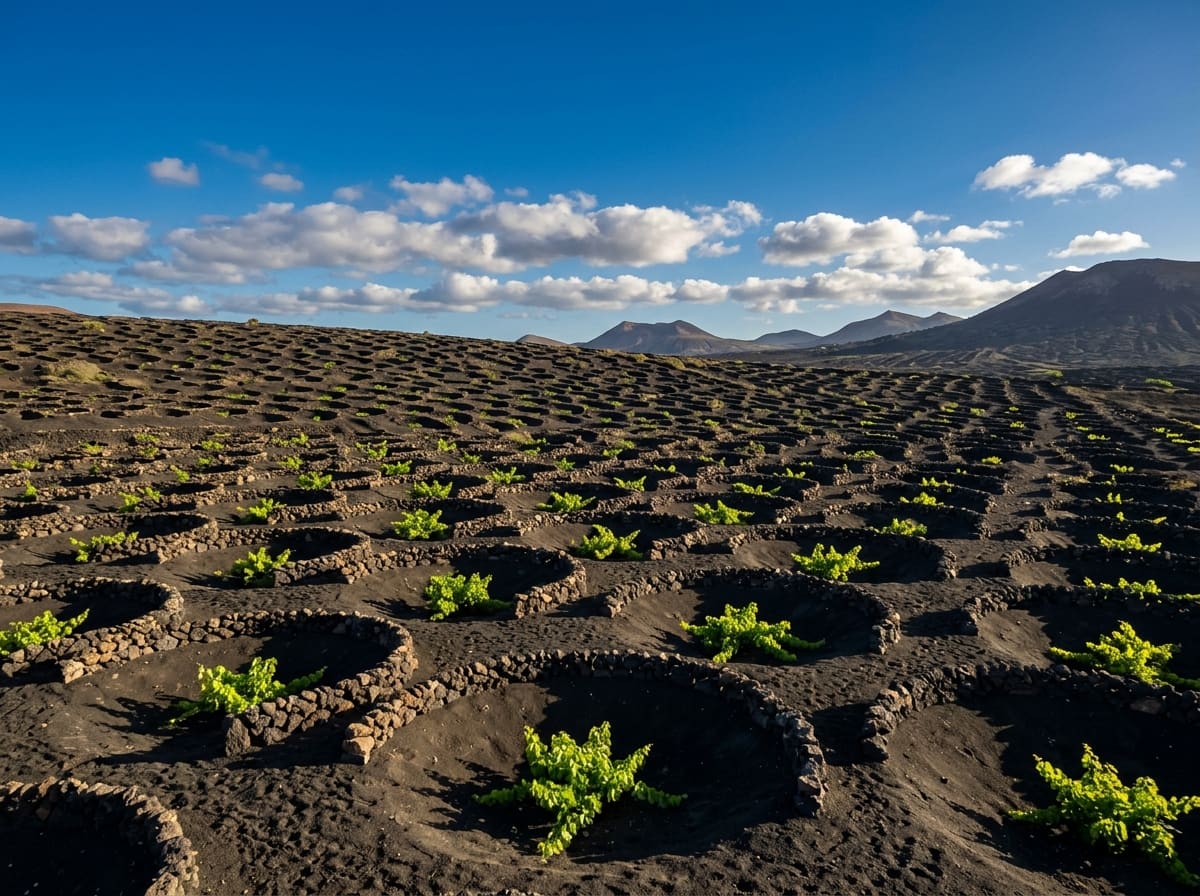
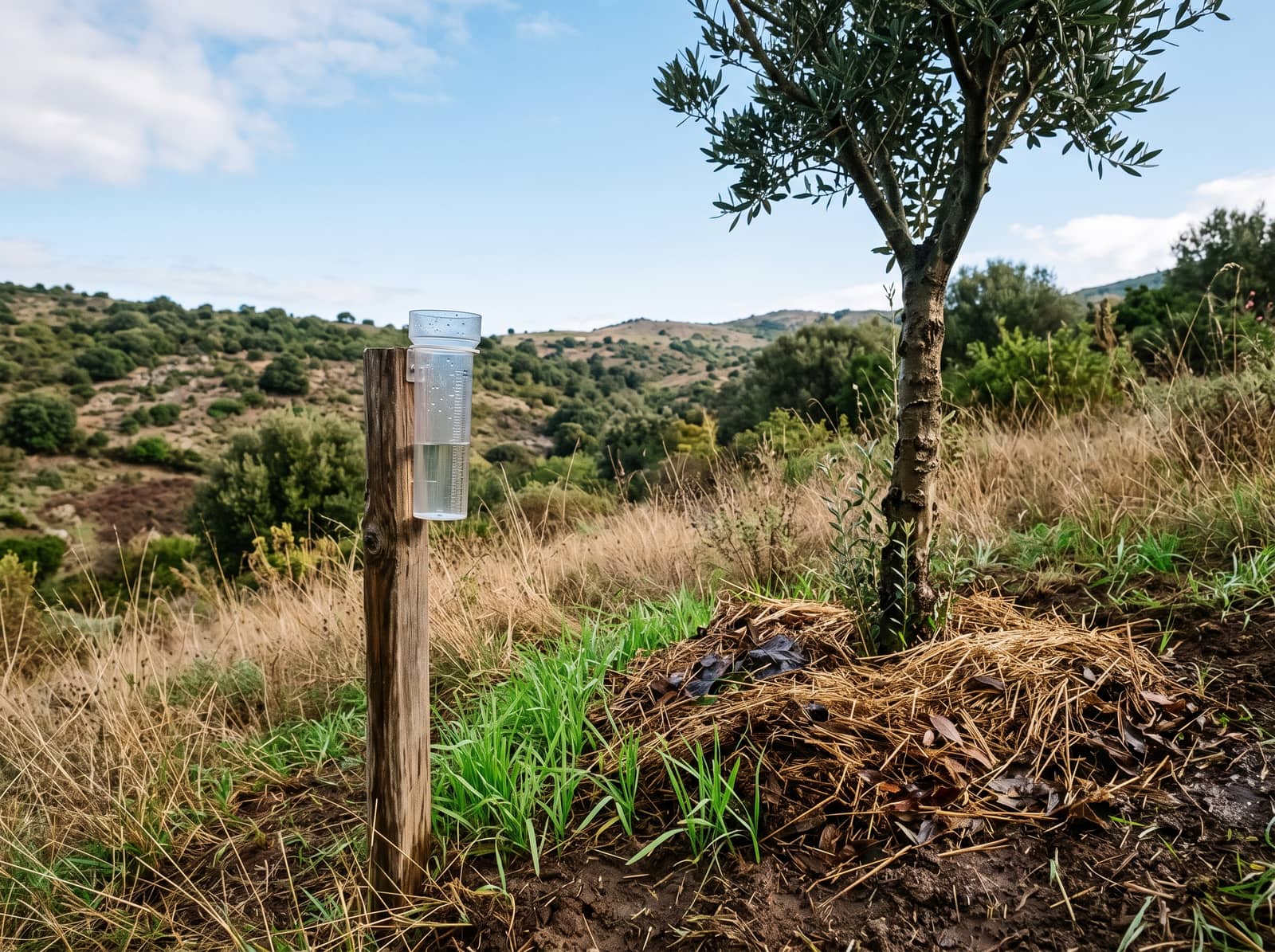
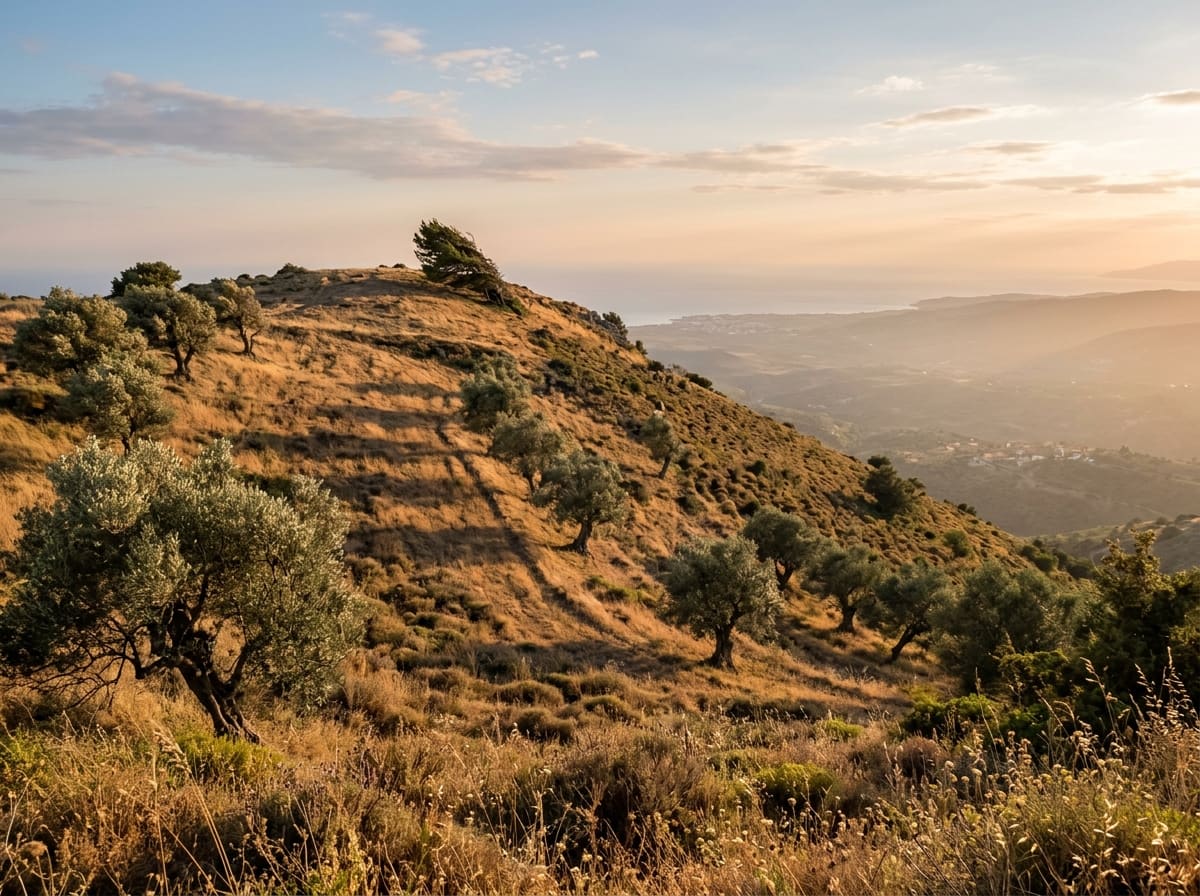
Look first, then act. Soil, water, sun, wind, plants and people are read, ideally over a whole year. Small tests and trials belong to it, because they show how the place responds.
In TerraWiki

- 4
Station 4
Design methods
From which angle do I think the design through?
Bill Mollison’s eight methods look at the same site from different directions, from listing what each element is like to learning from nature and random assembly. Each one catches what the others miss.
In TerraWiki
- 5
Station 5
Tools
What do I use to place the elements?
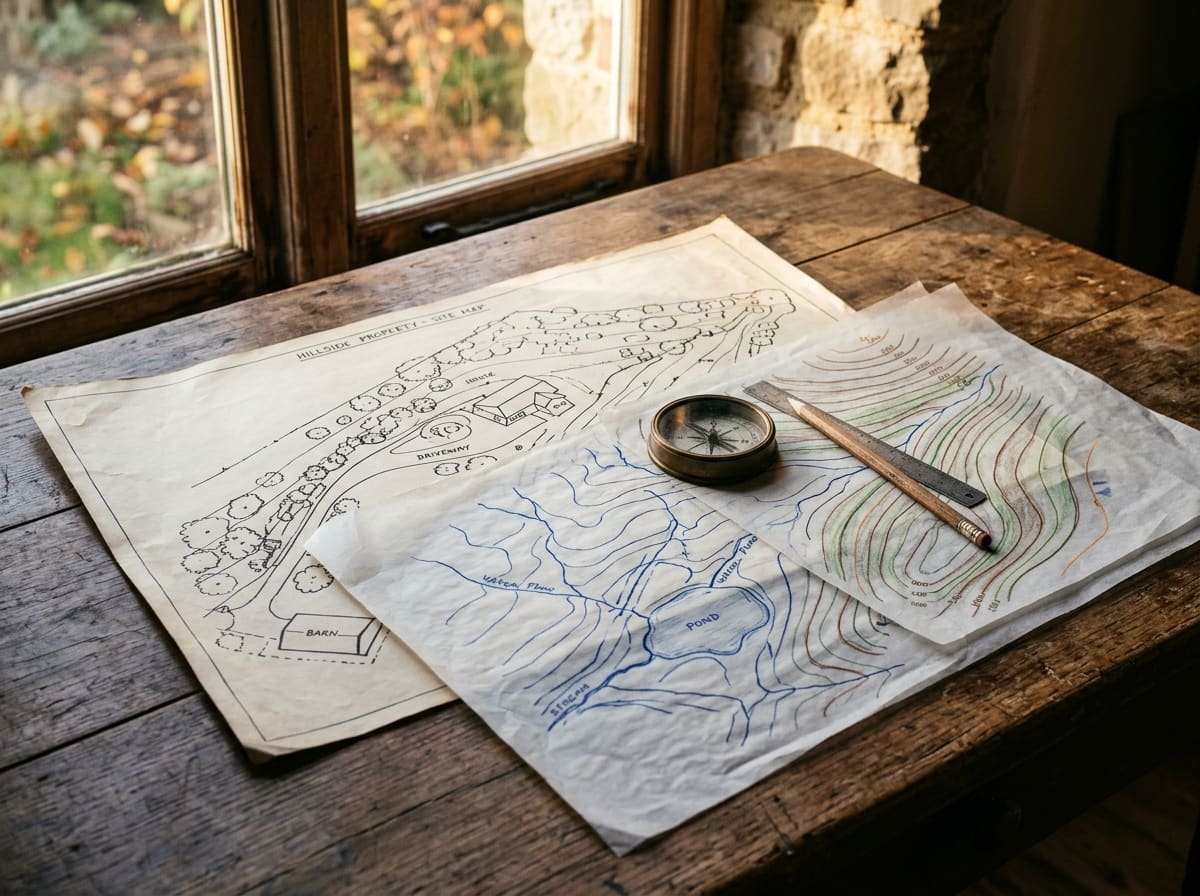
With these tools every element finds its place: zones by how often it is visited, sectors by the forces from outside, maps and tracing paper for overlaying, element analysis for the connections and functional design so that every element serves several purposes.
In TerraWiki

- 6
Station 6
Principles
What do I test the design against?
David Holmgren’s twelve design principles and Bill Mollison’s older design principles are the touchstones. They do not say what to do, but they show whether a design is heading the right way.
- 1Observe and interact
- 2Catch and store energy
- 3Obtain a yield
- 4Apply self-regulation and accept feedback
- 5Use and value renewable resources and services
- 6Produce no waste
- 7Design from patterns to details
- 8Integrate rather than segregate
- 9Use small and slow solutions
- 10Use and value diversity
- 11Use edges and value the marginal
- 12Creatively use and respond to change
In TerraWiki
- 7
Station 7
The nine steps
In what order do I decide on the land?
Schneider’s quick planning checklist sets what is decided first. What is costly and hard to change comes early, what is easy to move comes late.
The nine steps
- 1Gather information
- 2Find zone 0
- 3What do I or the client want?
- 4Sector planning
- 5Zoning
- 6Earthworks
- 7Planting
- 8Buildings
- 9Fences
In TerraWiki


